

2010-2015 Lexus RX450h Hybrid Inverter Radiator: Failure Symptoms and Replacement Guide
This guide explains how to diagnose a failing hybrid inverter radiator, which is often the cause of a "Check Hybrid System" warning on the 2010-2015 Lexus RX450h.
- This is the auxiliary radiator for the hybrid inverter, NOT the main engine radiator. A failure triggers a "Check Hybrid System" light, not engine overheating.
- The most common failure symptom is the "Check Hybrid System" warning, often causing the vehicle to enter a reduced-power 'limp mode'.
- When replacing, you must use Toyota's pink Super Long Life Coolant and properly bleed all air from the system to avoid repeat warnings.
- A used OEM part is a viable option if it is carefully inspected for cracks, corrosion, and significant fin damage.
Important: This is the auxiliary radiator for the hybrid system's inverter. It is NOT the main engine cooling radiator. The two systems are separate. A failure in this part will trigger a "Check Hybrid System" warning, not necessarily a high engine temperature reading.
Symptoms of a Failing Inverter Radiator
The most common sign of a problem with the hybrid cooling system is a warning message on your dashboard.
- "Check Hybrid System" Warning Light: This is the most frequent symptom. The vehicle's computer has detected a fault in the hybrid system, which can be caused by high temperatures in the inverter. This may be accompanied by a yellow triangle warning light.
- Vehicle Enters Limp Mode: To protect the expensive hybrid components from heat damage, the vehicle may limit its power and speed.
- Cruise Control and Energy Monitor Disabled: Owners report that when the "Check Hybrid System" light is active, features like cruise control and the energy monitoring screen may stop working.
- Visible Coolant Leaks: You may see pink coolant puddles under the front of the vehicle. The inverter radiator is located in the front of the engine bay, and leaks can develop from the core or the plastic end tanks due to age or road debris impact.
- Low Coolant Level: The inverter cooling system has its own reservoir. If the level is consistently low, it indicates a leak in the system.
Unlike a failing engine radiator, you will likely not experience traditional engine overheating, as these are two separate cooling systems.
Known Issues, Recalls, and Technical Service Bulletins (TSBs)
As of early 2026, there are no specific recalls for the inverter radiator on the 2010-2015 Lexus RX450h. However, older models of the RX hybrid platform have had recalls related to the inverter itself, where overheating could cause the hybrid system to shut down. While not a direct recall on the radiator, it highlights the importance of the cooling system's function. The most common recalls for this vehicle generation involve floor mats and airbag sensors.
Buying a Used Inverter Radiator: What to Look For
A used OEM inverter radiator can be a cost-effective and reliable option, as they are generally durable components. However, careful inspection is key.
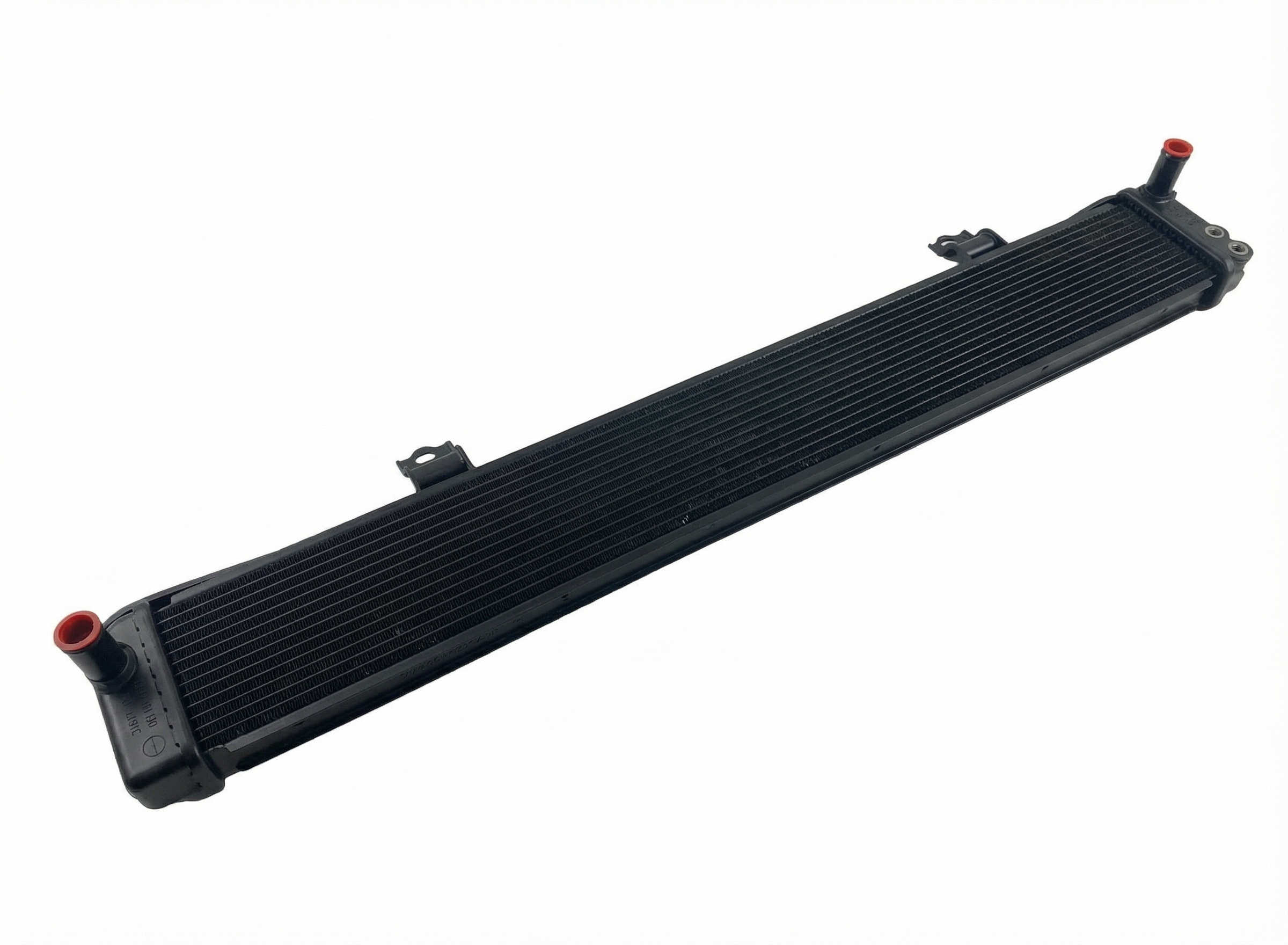
- Check for Physical Damage: Inspect the radiator for bent cooling fins, cracks in the plastic end tanks, and signs of previous repairs. Minor fin damage is acceptable, but avoid units with significant core damage or any cracks.
- Look for Corrosion: Check the inlet and outlet ports for heavy corrosion or buildup. This can indicate that the previous vehicle used incorrect coolant or had a poorly maintained system.
- Verify Part Numbers: Ensure the part number matches your vehicle's requirements. The primary OEM part numbers are G9010-48040 and G9010-48041. Part number G9010-48041 is a later version that replaces G9010-48040.
- Mileage vs. Condition: For a radiator, physical condition is more important than mileage. A high-mileage part from a well-maintained vehicle that shows no signs of leaks or damage is often a better choice than a low-mileage part from a front-end collision.
Pro Tip: When buying used, ask the seller to include photos of the inlet and outlet ports. Clean, smooth ports are a good sign of a healthy cooling system.
Cost of Replacement
The cost of replacing the inverter radiator can vary significantly based on the parts you choose and who performs the labor.
| Part/Service | Estimated Cost |
|---|---|
| New OEM (Dealer) | $570 - $815 |
| New Aftermarket | $140 - $360 |
| Used OEM | $125 - $275 |
| Shop Labor | $245 - $332 (for coolant flush/refill) |
| Total Professional Replacement (New OEM) | ~$1,324 - $1,524 |
Replacement Overview and Special Procedures
Replacing the inverter radiator is a feasible DIY project for those with moderate mechanical skill. The process involves draining the inverter's specific cooling loop, removing components for access, swapping the radiator, and then refilling and bleeding the system.
- Drain the Inverter Coolant: The inverter system has its own drain plug. It is crucial to drain this system, not the engine coolant. 🎬 Watch: Step-by-step guide to changing engine and inverter coolant
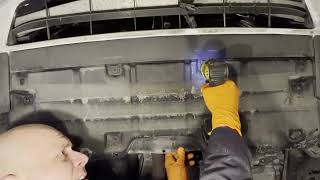
- Remove Access Covers: Several plastic covers under the hood and beneath the vehicle must be removed to access the radiator.
- Disconnect Hoses and Mounts: Remove the hoses connected to the radiator and unbolt it from its mounting points.
- Install New Radiator: Mount the new radiator and reconnect the hoses.
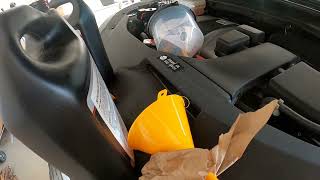
- Refill and Bleed the System: This is the most critical step. The system must be refilled with Toyota Super Long Life Coolant (pink, pre-mixed). Air pockets in the system can prevent proper cooling and trigger the "Check Hybrid System" light. Using a spill-free funnel and running the vehicle with the heater on can help bleed the air out. The inverter coolant pump needs to be activated to circulate the coolant and purge any remaining air. 🎬 See this walkthrough for refilling and bleeding the inverter system
Frequently Asked Questions (FAQ)
Can I drive my RX450h with a bad inverter radiator?
It is not recommended. An overheating inverter can lead to the vehicle entering a low-power "limp mode" or shutting down completely, increasing the risk of a crash. Continued driving can cause permanent damage to very expensive hybrid components like the inverter itself.
What kind of coolant does the RX450h inverter system use?
You must use Toyota Super Long Life Coolant (S-LLC), which is pink and comes pre-mixed. Do not use any other color or type of coolant, as this can damage the system. The inverter and engine cooling systems use the same type of coolant.
Is the inverter radiator the same as the main radiator?
No. The 2010-2015 Lexus RX450h has two separate cooling systems. The main radiator cools the gasoline engine, while this smaller, auxiliary radiator (inverter cooler) is dedicated solely to cooling the hybrid system's inverter.
Why did the "Check Hybrid System" light come on but my engine temperature is normal?
This is because the fault is in the hybrid cooling circuit, not the engine cooling circuit. The inverter has its own temperature sensors. If they detect excessive heat due to a leak, clog, or failing pump in the inverter cooling loop, the car's computer will trigger the hybrid system warning to protect the electronics, even if the engine is at a perfectly normal temperature.
Helpful Videos
Technical Specifications
OEM Part Numbers: G9010-48040 G9010-48041
Coolant Type: Toyota Super Long Life Coolant (Pink). Inverter Coolant Capacity: Approx. 1.9 Liters.
We Have This Part in Stock

The information in this article is provided for general reference and educational purposes only. Vehicle specifications, procedures, and part compatibility can vary by production date, trim level, and region. Always consult your vehicle's factory service manual and verify part numbers before purchasing or performing repairs. Safety-critical components such as airbags, seat belts, and braking systems should be installed by a qualified professional.
- Lexus RX450h: