

2007-2013 Mazda 3 Radiator: A Guide to Leaks and Tricky Compatibility
This guide clears up the confusion around different radiators for SkyActiv and non-SkyActiv engines to help you find the correct part and avoid common overheating issues.
- Compatibility is critical: 2012-2013 models have two different 2.0L engines (MZR and SkyActiv) that require completely different radiators.
- The most common failure point is the plastic end tanks, which crack over time from heat and pressure.
- When buying a used radiator, prioritize low mileage and carefully inspect the plastic tanks for any cracks or signs of aging.
- Always replace the radiator hoses and use Mazda's specified FL22 coolant when installing a new or used radiator to ensure system longevity.
Compatibility Warning: Not All 2007-2013 Mazda 3 Radiators Are the Same
The single most important factor when replacing the radiator in a 2007-2013 Mazda 3 is identifying the correct part for your specific engine and transmission. There are several different radiators used across this generation, and they are not interchangeable. Using the wrong radiator can lead to improper fit, hose connection issues, and inadequate cooling.
Warning: The most common point of confusion is with 2012 and 2013 models, which were available with two different 2.0L engines: the standard MZR engine and the new, more fuel-efficient SkyActiv-G engine. These engines require completely different radiators. Before ordering, you must confirm which engine your vehicle has.
How to Identify Your Engine:
- Look for a "SkyActiv Technology" badge on the trunk or rear of the vehicle.
- Check the engine cover. SkyActiv engines have a distinctive blue-ringed engine cover that clearly says "SkyActiv."
- Consult your owner's manual or the vehicle information sticker in the driver's side door jamb.
Radiator Compatibility Breakdown:
| Engine & Transmission | Years | Common OEM Part Numbers | Notes |
|---|---|---|---|
| 2.0L MZR (non-SkyActiv), 2.3L Turbo (Mazdaspeed3), and 2.5L MZR | 2007-2013 | LF8M15200, LF8M1520YD, Z60315200 | This is the most common radiator for the generation and fits both automatic and manual transmissions. It covers the majority of models except for the 2012-2013 2.0L SkyActiv. |
| 2.0L SkyActiv-G with Manual Transmission | 2012-2013 | LF8B1520Y | This radiator is specifically for SkyActiv models equipped with a manual transmission. |
| 2.0L SkyActiv-G with Automatic Transmission | 2012-2013 | PE0115200, PE1815200B | This radiator is for SkyActiv models with an automatic transmission. It has ports for the transmission fluid cooler lines. |
Symptoms of a Failing Mazda 3 Radiator
Radiator failure is common as vehicles age. The constant pressure and thousands of heat cycles eventually cause the materials, especially the plastic end tanks, to degrade. Watch for these signs:
- Engine Overheating: This is the most serious symptom. If your temperature gauge climbs into the red, pull over immediately to prevent engine damage.
- Coolant Leaks: Finding a puddle of bright green or pinkish fluid under the front of your car is a sure sign of a leak. The coolant has a distinct sweet smell.
- Visible Cracks or Corrosion: The most common failure point is the plastic end tanks that are crimped onto the aluminum core. Look for hairline cracks, white or greenish crusty deposits, or any signs of rust on the radiator itself.
- Low Coolant Level: If you frequently have to add coolant to the overflow tank, it's leaking from somewhere. The radiator is a primary suspect.
- Steam from Engine Bay: If you see steam coming from under the hood while driving or after stopping, it's likely coolant spraying onto hot engine components from a crack or leak.
- Gurgling or Hissing Noises: Unusual sounds from the radiator area can indicate a leak or air trapped in the system.
Buying a Used Radiator: What to Look For
A used OEM radiator can be a smart, cost-effective choice, often providing better fit and quality than a cheap aftermarket alternative. However, you must inspect it carefully.
Inspection Checklist:
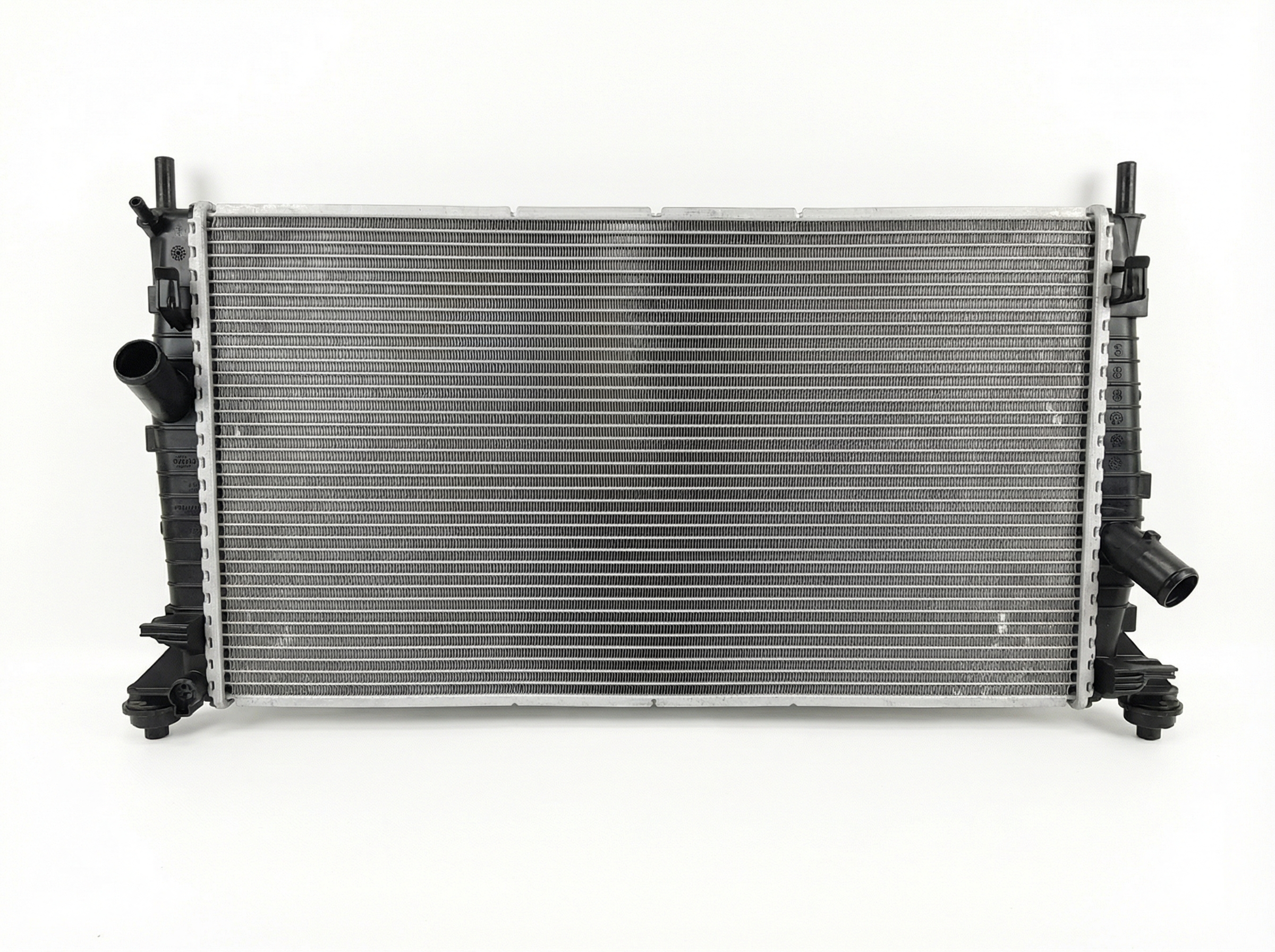
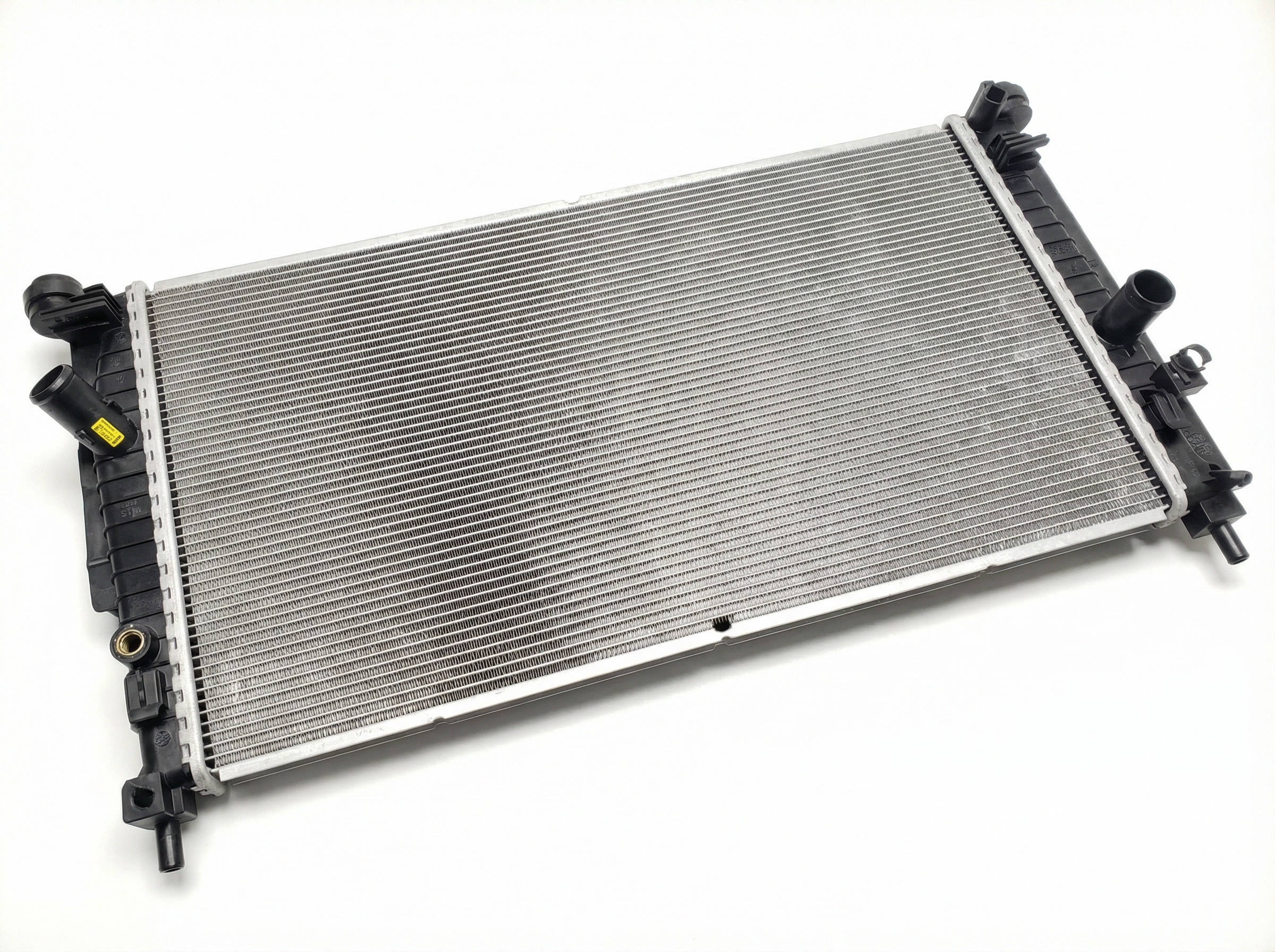
- Check the Plastic End Tanks: This is the #1 failure point. Inspect the black plastic tanks on the sides (or top and bottom) of the radiator. Look for any hairline cracks, discoloration (a brownish, brittle look), or signs of previous repairs like epoxy or sealant. Reject any radiator with visible cracks.
- Examine the Fins: The delicate aluminum fins between the coolant tubes should be mostly straight. A few bent fins from handling are okay, but large areas of crushed fins will reduce cooling efficiency.
- Inspect Hose Connections: Check the inlet and outlet necks. They should be perfectly round and free of cracks or deep gouges that could prevent a hose from sealing properly.
- Look for Corrosion: Check where the aluminum core meets the plastic tanks. Any significant white, crusty buildup could indicate a slow leak.
- Mileage is Key: A radiator is a wear item. A part from a low-mileage vehicle (under 80,000 miles) is a much safer bet. A high-mileage radiator has endured more heat cycles and is closer to the end of its life, even if it looks okay.
Pro Tip: When you get a used radiator, it's a good idea to flush it out by running water through it in the opposite direction of normal coolant flow (from bottom to top) to dislodge any sediment before installation.
Cost of Replacing a 2007-2013 Mazda 3 Radiator
The cost can vary significantly based on the part source and who performs the labor. Getting a quote from a local shop is always recommended.
| Part/Service | Estimated Cost | Notes |
|---|---|---|
| New OEM Radiator | $360 - $530 | Purchased from a Mazda dealership. This is the highest quality but most expensive option. |
| New Aftermarket Radiator | $115 - $230 | Available from online retailers and local auto parts stores. Quality can vary widely. |
| Used OEM Radiator | $50 - $125 | A cost-effective option, but requires careful inspection. Price depends on condition and supplier. |
| Shop Labor | $250 - $400 | Labor typically takes 2-3 hours. This cost does not include the part or new coolant. |
| TOTAL (Professional Installation) | $365 - $930 | This range reflects using a used part on the low end and a new OEM part on the high end. |
Related Parts to Replace at the Same Time
When replacing the radiator, it's wise to replace other cooling system components that are either inexpensive or difficult to access later.
- Upper and Lower Radiator Hoses: These rubber hoses degrade over time and can become soft or brittle. Replacing them is cheap insurance against a future failure.
- Thermostat: This part controls coolant flow and is critical for engine temperature regulation. It's a low-cost part that is often easier to access while the coolant is drained.
- Hose Clamps: Old spring clamps can lose their tension. It's best to replace them with new ones.
- Coolant: You will need to refill the system with fresh coolant. Mazda specifies FL22 long-life coolant. Using the correct type is essential for preventing corrosion.
Frequently Asked Questions (FAQ)
Can I use a radiator from an automatic transmission car in my manual transmission car?
Yes, in most cases. A radiator for an automatic has an extra, small internal cooler for the transmission fluid, with two small ports on the bottom. On a manual car, you simply leave the caps on these ports and do not connect anything to them. However, you cannot use a manual-only radiator in an automatic car, as there will be no way to cool the transmission fluid.
Is replacing a Mazda 3 radiator a DIY job?
Yes, for a moderately skilled DIY mechanic. The process involves draining the coolant, removing hoses, disconnecting the electric fan assembly, and unbolting the radiator. It can be messy, and it's crucial to properly bleed the air out of the system after refilling. If you are not comfortable with these steps, it's best to leave it to a professional. The difficulty is about a 3 out of 5.
What is the purpose of bleeding or "burping" the cooling system?
When you drain the coolant, air gets into the system. Air pockets can get trapped in the engine or heater core, causing overheating even with a new radiator. Bleeding the system involves running the engine with the radiator cap off (using a spill-proof funnel is highly recommended) and the heater on full blast until all air bubbles have escaped. This ensures the system is completely full of coolant.
Are there any recalls for the 2007-2013 Mazda 3 radiator?
No, there are no specific recalls or Technical Service Bulletins (TSBs) from Mazda or the NHTSA related to radiator failure for this generation of the Mazda 3. Failures are generally considered wear and tear.
Technical Specifications
OEM Part Numbers: LF8B1520Y LF8M15200 LF8M1520YD Z60315200 PE0115200 PE1815200B
Core material is typically aluminum with plastic end tanks. Dimensions and hose placement vary by engine type (SkyActiv vs. non-SkyActiv) and transmission type (Automatic vs. Manual).
We Have This Part in Stock

The information in this article is provided for general reference and educational purposes only. Vehicle specifications, procedures, and part compatibility can vary by production date, trim level, and region. Always consult your vehicle's factory service manual and verify part numbers before purchasing or performing repairs. Safety-critical components such as airbags, seat belts, and braking systems should be installed by a qualified professional.
- Mazda MAZDA3:
- 🛍️ Shop This Part
- Compatibility Warning: Not All 2007-2013 Mazda 3 Radiators Are the Same
- How to Identify Your Engine:
- Radiator Compatibility Breakdown:
- Symptoms of a Failing Mazda 3 Radiator
- Buying a Used Radiator: What to Look For
- Inspection Checklist:
- Cost of Replacing a 2007-2013 Mazda 3 Radiator
- Related Parts to Replace at the Same Time
- Frequently Asked Questions (FAQ)
- 🎟️ Get 5% Off