

2011-2016 Scion tC Radiator: The Critical Manual vs. Automatic Transmission Difference
Avoid buying the wrong part; this guide details the crucial differences, common failure points, and replacement costs for the 2011-2016 Scion tC radiator.
- The most critical factor is transmission type: an automatic radiator (16400-36190) works in a manual car, but a manual radiator (16400-36180) will NOT work in an automatic.
- Failures are common at the plastic end tanks, which can crack from age and heat. Look for hairline cracks or white/green residue from past leaks.
- When replacing, also consider changing the radiator hoses, thermostat, and reservoir cap for long-term reliability.
- After installation, properly bleeding the air out of the cooling system is essential to prevent overheating.
Symptoms of a Failing Radiator
A radiator failure can present itself in several ways. Recognizing these signs early can save you from a much more expensive engine repair down the road.
Engine Overheating
This is the most critical symptom. If you see the temperature gauge on your dashboard climbing into the red zone, it's a clear sign of a cooling system problem. An overheating engine can be caused by a clogged or leaking radiator. You might also notice poor acceleration or a burning smell. Continuing to drive with an overheating engine can cause permanent damage, such as a blown head gasket.
Visible Coolant Leaks
If you find puddles of brightly colored fluid under the front of your parked car, you likely have a coolant leak. For the Scion tC, this fluid is typically pink, but it can also be green or yellow depending on what coolant is in the system. Leaks often occur where the plastic end tanks are crimped to the aluminum core, or from cracks in the plastic itself.
Sweet Smell from Engine Bay
Engine coolant has a distinct, sweet odor. If you smell this after driving, it's a strong indicator that coolant is leaking from the radiator or a hose and burning off on hot engine components.
Low or Discolored Coolant
If you frequently have to add coolant to the overflow reservoir, you have a leak somewhere in the system. Additionally, if you check the coolant and it appears rusty, brown, or has an oily sludge-like consistency, it means the inside of the radiator is likely corroded or contaminated. This can lead to clogs and reduced cooling efficiency.
Steam from Under the Hood
Visible steam or smoke coming from the engine bay while driving is a serious sign of an overheating engine and a significant coolant leak. Pull over immediately and turn off the engine to prevent further damage.
Compatibility Warning: Manual vs. Automatic Transmission
This is the single most important detail when buying a radiator for a 2011-2016 Scion tC. The two versions are NOT interchangeable in both directions.
- Manual Transmission (MT) Radiator: Part number 16400-36180. It has connections for the main coolant hoses only.
- Automatic Transmission (AT) Radiator: Part number 16400-36190. It has the main coolant hose connections PLUS two smaller ports for an integrated transmission fluid cooler.
Crucially, you CAN use an AT radiator on an MT car (you just cap the unused transmission cooler ports), but you CANNOT use an MT radiator on an AT car because there is no place to connect the transmission cooler lines. Toyota's parts system even lists the AT radiator (16400-36190) as the official replacement for the MT part (16400-36180). Always verify which transmission your car has before purchasing.
Buying a Used Radiator: What to Inspect
A used OEM radiator can be a great value, often outlasting cheap aftermarket alternatives. However, a thorough inspection is key to avoiding a bad part. Here’s what to check:
- Check the End Tanks: The black plastic tanks on the sides (or top and bottom) are the most common failure point. Inspect them closely for any hairline cracks, especially around the hose connections and the seams where they meet the aluminum core.
- Look for Past Leaks: Search for white or greenish crusty residue, which indicates a past coolant leak. Also, look for areas where the black paint might be flaking or stripped off, as leaking coolant can eat away at the paint.
- Inspect the Fins: The thin aluminum fins between the core tubes should be mostly straight. A few bent fins from handling is okay, but large areas of crushed or damaged fins will reduce cooling efficiency. Avoid any radiator that was clearly in a front-end collision.
- Look Inside: Peer into the inlet and outlet ports. The inside should be relatively clean bare metal. If you see a thick, brownish, or sludgy coating, it means the previous owner likely neglected coolant changes, and the radiator may have internal blockages.
- Verify Transmission Type: Double-check if the radiator is for an automatic or manual. An automatic will have two extra small threaded ports for the transmission cooler lines.
Pro Tip: For a radiator, age and physical condition are more important than mileage. A 5-year-old radiator with 100,000 miles that is clean and undamaged is often a better bet than a 10-year-old radiator with 50,000 miles that shows signs of corrosion or has damaged fins.
Known Issues, Recalls, and TSBs
Searches of the NHTSA database and other official sources show no specific recalls or widespread Technical Service Bulletins (TSBs) for radiator failure on the 2011-2016 Scion tC. Failures are typically due to age, road debris damage, or corrosion from neglected coolant. While the tC is generally reliable, some owners have reported issues with other cooling system components like the water pump or cooling fans, which can cause overheating and put extra stress on the radiator.
Cost Comparison
Prices can vary based on location and supplier, but this table provides a general estimate for the cost of the radiator itself and professional installation.
| Part/Service | Estimated Cost |
|---|---|
| New OEM (Dealer) | $260 - $380 |
| New Aftermarket | $80 - $200 |
| Used OEM (Recycled) | $75 - $150 |
| Shop Labor for Replacement | $275 - $400 |
DIY Replacement Guide and Tips
Replacing the radiator on a Scion tC is a manageable job for a DIY mechanic with basic tools. The process generally takes 2-3 hours.
- Safety First: NEVER work on a hot cooling system. Wait for the engine to cool completely, which can take over 30 minutes.
- Drain the Coolant: Place a drain pan under the radiator. Locate the plastic drain plug (petcock) on the bottom of the radiator, usually on the driver's side. Loosen it to drain the coolant.
- Disconnect Hoses and Fans: Remove the upper and lower radiator hoses. Disconnect the electrical connectors for the cooling fans and unbolt the fan shroud assembly from the radiator. It can then be lifted out.
- Remove Radiator: Unbolt the radiator mounting brackets at the top and lift the old radiator out of the vehicle.
- Installation: Installation is the reverse of removal. Transfer the cooling fans to the new radiator before dropping it in place.
Warning: The radiator drain plug (petcock) is made of plastic and can easily break if overtightened. Tighten it until it is snug, then give it a slight extra turn. Do not use excessive force.
Bleeding the System (Crucial Final Step)
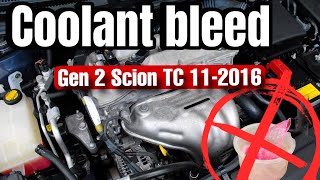
After refilling with new coolant, you must remove air pockets from the system. The 2011+ tC has a pressurized reservoir and no traditional radiator cap. 🎬 Watch: Step-by-step guide to bleeding air from your tC's cooling system.
- Fill the system through the reservoir.
- Leave the reservoir cap off, start the engine, and turn the cabin heater to full hot with the fan on low.
- Let the engine idle. As it warms up and the thermostat opens, you will see bubbles coming up in the reservoir. Squeeze the upper radiator hose to help push air out.
- Continue to add coolant to the reservoir to keep it at the proper level as the air escapes. Once the bubbles stop and the engine reaches operating temperature, top off the reservoir and replace the cap.
Related Parts to Consider Replacing
When you're replacing the radiator, it's a perfect time to address other cooling system components that are easily accessible.
- Radiator Hoses: The upper and lower hoses can become brittle or soft with age. Replacing them now is cheap insurance against a future failure.
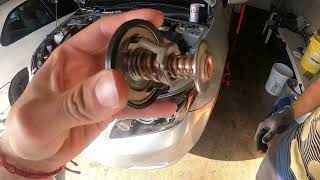
- Thermostat: This small part controls coolant flow. It's inexpensive and often located in an easy-to-access housing. 🎬 See how to replace the thermostat while your radiator is out.
- Radiator Cap: The cap on the reservoir holds pressure in the system. If it fails, the coolant can boil at a lower temperature. It's a cheap and easy part to replace.
- Coolant: Always refill with the correct type of coolant. The Scion tC requires Toyota Super Long Life (Pink) coolant or a compatible equivalent.
Frequently Asked Questions (FAQ)
What type of coolant does the 2011-2016 Scion tC use?
It uses Toyota Super Long Life Antifreeze/Coolant, which is a pink, 50/50 pre-diluted formula. You can also use any high-quality aftermarket Asian vehicle coolant that is specified as compatible (often pink or red).
Can I use a radiator from an automatic tC in my manual tC?
Yes. The radiator for the automatic transmission (part #16400-36190) will fit a manual transmission car. You will simply leave the two small ports for the transmission cooler unconnected or capped. In fact, this part number is now the official OEM replacement for the manual-specific radiator.
Can I fix a small leak in my radiator?
While 'stop-leak' products exist, they are generally not recommended. They can clog the narrow passages in the radiator and heater core, leading to bigger problems. The best and most reliable solution for a leaking radiator is replacement.
Why did my radiator fail?
Most failures are due to age and heat cycles. The plastic end tanks become brittle over time and can develop cracks. Corrosion from using the wrong coolant or not changing it regularly can cause internal clogs or leaks. Physical damage from road debris is also a common cause.
Helpful Videos
Technical Specifications
OEM Part Numbers: 16400-36180 (Manual Transmission) 1640036180 (Manual Transmission) 16400-36190 (Automatic Transmission, supersedes MT version)
Core Material: Aluminum, Tank Material: Plastic, Flow Type: Cross Flow.
We Have This Part in Stock
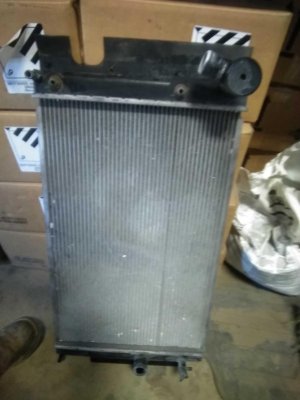

The information in this article is provided for general reference and educational purposes only. Vehicle specifications, procedures, and part compatibility can vary by production date, trim level, and region. Always consult your vehicle's factory service manual and verify part numbers before purchasing or performing repairs. Safety-critical components such as airbags, seat belts, and braking systems should be installed by a qualified professional.
- Scion tC:
- 🎬 Helpful Videos
- 🛍️ Shop This Part
- Symptoms of a Failing Radiator
- Engine Overheating
- Visible Coolant Leaks
- Sweet Smell from Engine Bay
- Low or Discolored Coolant
- Steam from Under the Hood
- Buying a Used Radiator: What to Inspect
- Known Issues, Recalls, and TSBs
- Cost Comparison
- DIY Replacement Guide and Tips
- Bleeding the System (Crucial Final Step)
- Related Parts to Consider Replacing
- Frequently Asked Questions (FAQ)
- 🎟️ Get 5% Off