

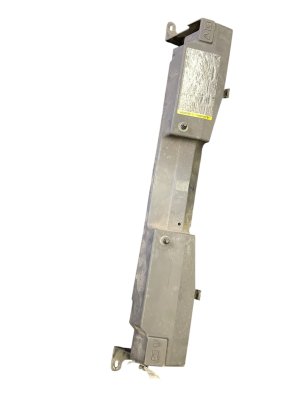
2005-2013 Corvette Radiator Air Baffle: The Hidden Cause of Overheating
This crucial plastic panel is the key to effective cooling in C6 Corvettes, and when it fails, your engine is at risk—here's what you need to know.
- This baffle is critical for low-speed cooling; a damaged one is a primary cause of overheating in traffic for C6 Corvettes.
- Failure is almost always from physical impact with road debris or curbs; it is not a part that wears out over time.
- The part fits Base, Grand Sport, and Z06 models but NOT the supercharged ZR1.
- Replacement is more difficult than it appears, especially on Z06 models with an oil cooler, justifying the higher-than-expected labor costs.
Symptoms of a Damaged or Missing Radiator Baffle
The signs of a failed radiator air baffle are often misdiagnosed as a bad radiator or failing fan. Because this part is so critical to low-speed airflow, its failure has very specific symptoms.
Engine Overheating in Traffic
The most common symptom by far is the engine temperature climbing rapidly when the car is stationary or moving slowly. When you're stuck at a light or in stop-and-go traffic, there's no significant natural airflow. The cooling fan is pulling air, but if the baffle is cracked, damaged, or missing, the fan ends up pulling air from the engine bay and around the radiator instead of through it. Once the car gets moving at highway speeds (above 40 mph), the temperature will typically return to normal as ram air forces its way through the radiator, masking the problem.
Poor Air Conditioning Performance at Idle
Your Corvette's A/C system relies on the same principle. The A/C condenser, which looks like a thinner, second radiator, sits in front of the main engine radiator. It needs airflow to dissipate heat and create cold air in the cabin. If a damaged baffle is preventing proper airflow at idle, you may notice your A/C blows cool on the highway but gets warm when you're stopped.
Known Issues for 2005-2013 Corvettes
The radiator air baffle itself has no specific recalls or Technical Service Bulletins (TSBs). The issues associated with it are primarily due to its location and material.
- Vulnerability to Damage: As a low-hanging plastic component, the baffle is easily damaged by steep driveways, parking curbs, road debris, and even improper placement of a floor jack.
- Scooping Debris: Because of its "bottom-feeder" design, the baffle can scoop up plastic bags, leaves, and other road debris, pinning it against the A/C condenser and radiator. This blocks airflow and can cause the same overheating symptoms as a broken baffle. Regular inspection and cleaning of the area between the condenser and radiator are recommended.
Pro Tip: Before assuming your radiator or fan is bad, get the front of the car safely in the air and use a flashlight to inspect the baffle for cracks or damage. Also, check the front face of the A/C condenser for impacted leaves or plastic bags that may be blocking airflow.
Buying a Used Radiator Air Baffle
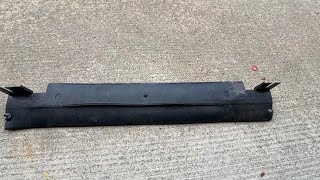
Since this is a non-mechanical part, a used OEM baffle is an excellent alternative to a pricey new one, provided you inspect it carefully. Aftermarket options are virtually nonexistent due to the specific and complex shape of the part.
What to Inspect Before Buying
- Major Cracks or Breaks: Look for large cracks or missing chunks of plastic. A small crack on a non-structural edge might be acceptable, but any damage that compromises the main shape of the baffle will reduce its effectiveness.
- Mounting Points: Carefully check all the holes and tabs where bolts and clips attach. These are common failure points. A used baffle with a torn mounting tab is significantly less secure and may not seal properly.
- Overall Shape: Ensure the part is not warped or bent. It needs to maintain its original shape to properly duct air to the radiator.
- Compatibility: This baffle fits the base, Grand Sport, and Z06 models. It does NOT fit the supercharged ZR1, which has a different cooling system.
Cost of Replacing a Radiator Air Baffle
The cost can vary, but it's important to weigh the price of a new part against a used one, as the savings may not always be significant for such a critical component.
| Part Type | Estimated Cost |
|---|---|
| New OEM (GM Part #10305278) | $115 - $170 |
| New Aftermarket | Not Generally Available |
| Used OEM | $80 - $225 |
| Shop Labor Cost | $200 - $400 |
Note: Labor costs for this part are higher than you might expect. Forum members and mechanics describe the replacement as a "PITA" (Pain In The A**), especially on Z06 models that have oil cooler lines running through the shroud. The job requires lifting the car and significant work from underneath.
Installation Difficulty
- Difficulty Rating: 4 out of 5
- Estimated Time: 2-3 hours
- Is DIY Feasible?: Yes, for an experienced DIY mechanic.
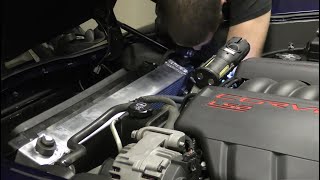
Replacing the radiator air baffle is a challenging but achievable DIY project. It requires safely lifting the front of the vehicle, removing the front undertray panels, and accessing numerous 10mm bolts. On Z06 models, the job is more complex as it may require disconnecting the engine oil cooler lines that pass through the baffle, which involves draining and refilling engine oil. A helper is recommended.
🎬 See a step-by-step walkthrough of the center air dam replacement.Frequently Asked Questions (FAQ)
Is the radiator baffle the same as an active grille shutter?
No. The 2005-2013 Corvette uses a passive, fixed plastic baffle to direct air. It is not an 'active' or 'smart' shutter system that opens and closes based on vehicle speed or temperature. The term 'shutter' is sometimes used incorrectly to describe this part.
Why does my Corvette only overheat when I'm stopped?
This is the classic symptom of a damaged or missing radiator baffle. At a stop, the fan is the only source of airflow. If the baffle isn't creating a sealed path, the fan can't pull enough air through the radiator to cool the engine effectively. At highway speeds, the force of the air moving under the car is enough to cool the engine, hiding the problem.
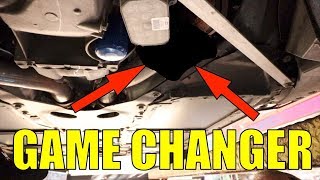
🎬 Watch this video to see how a baffle fix stops overheating.Can I drive with a broken radiator air baffle?
You can, but it is not recommended for anything other than a short, direct trip to a repair shop. Driving in traffic or in hot weather puts you at a very high risk of overheating the engine, which can lead to severe and expensive damage like a blown head gasket.
Is the Z06 or Grand Sport baffle different from the base model?
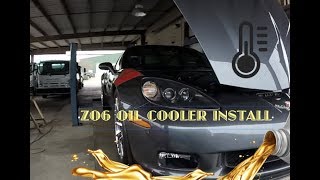
No, the same radiator air baffle (part number 10305278) is used for the base, Grand Sport, and Z06 models. However, the installation is more complicated on the Z06 due to the integrated engine oil cooler. 🎬 Watch how to handle the oil cooler during this installation. The only model it does not fit is the supercharged ZR1.
Helpful Videos

Technical Specifications
OEM Part Numbers: 10305278 25857217
Molded plastic/composite construction. Designed for non-supercharged C6 Corvette models.
We Have This Part in Stock

The information in this article is provided for general reference and educational purposes only. Vehicle specifications, procedures, and part compatibility can vary by production date, trim level, and region. Always consult your vehicle's factory service manual and verify part numbers before purchasing or performing repairs. Safety-critical components such as airbags, seat belts, and braking systems should be installed by a qualified professional.
- CHEVROLET CORVETTE:
- 🎬 Helpful Videos
- 🛍️ Shop This Part
- Symptoms of a Damaged or Missing Radiator Baffle
- Engine Overheating in Traffic
- Poor Air Conditioning Performance at Idle
- Known Issues for 2005-2013 Corvettes
- Buying a Used Radiator Air Baffle
- What to Inspect Before Buying
- Cost of Replacing a Radiator Air Baffle
- Installation Difficulty
- Frequently Asked Questions (FAQ)
- 🎟️ Get 5% Off