

2011-2023 Dodge Charger Radiator Support: Damage, Part Differences & Replacement
This guide covers the critical differences between 2011-2014 and 2015-2023 Charger radiator supports, common damage symptoms, and how to inspect a used part before you buy.
- The radiator support is NOT interchangeable between 2011-2014 and 2015-2023 Dodge Chargers due to a major facelift in 2015.
- Damage is almost always from a collision; symptoms include misaligned panels, hood latch issues, and incorrect headlight aim.
- When buying used, prioritize a straight, unrepaired OEM part and meticulously check all mounting tabs for cracks or damage.
- Replacement is a complex, high-difficulty job that requires removing the entire front fascia and specialized equipment for the A/C system.
Key Differences: 2011-2014 vs. 2015-2023
The most important thing to know when sourcing a radiator support for a Dodge Charger is that the part is different depending on the generation. The 2015 model year brought a major facelift to the Charger, which included a completely redesigned front end. This means the radiator support is not interchangeable between the two generations.
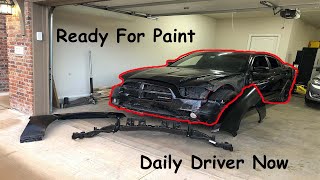
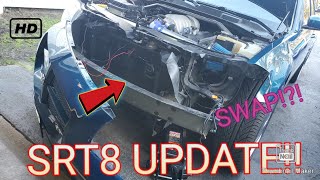
- 2011-2014 (LD Generation): These models use a specific upper radiator support, often identified by part numbers like 68142202AA. 🎬 Watch: Rebuilding the front end on a 2011-2014 generation Charger
- 2015-2023 (LD Facelift Generation): These models feature slimmer headlights and a different bumper design, requiring a different upper radiator support. A common part number for this generation is 68200478AC.
Warning: The lower radiator support crossmember, sometimes called a lower tie bar, may fit a wider range of years, with some parts listed for 2006-2023 models. However, always verify the specific upper support matches your vehicle's exact year range (2011-2014 or 2015-2023) as they are not cross-compatible.
Symptoms of a Damaged Radiator Support
Since the radiator support is a structural part, failure is almost always caused by a front-end collision or impact with a curb or road debris. The symptoms are usually visible:
- Misaligned Front-End Panels: Uneven gaps between the hood and fenders, or between the bumper and headlights, are a primary sign of a bent or broken support.
- Hood Latch Problems: If the hood is difficult to open or close, or if it doesn't latch securely, the support that holds the latch may be out of position.
- Incorrect Headlight Aim: Headlights that point too high, too low, or to the side can indicate that their mounting points on the support are damaged.
- Visible Cracks or Bends: A visual inspection may reveal obvious cracks (especially on plastic supports), bends, or signs of rust-through on steel components.
- Cooling System Issues: In severe cases, a damaged support can allow the radiator or A/C condenser to shift, putting stress on hoses or causing the cooling fan to contact the radiator, potentially leading to overheating.
- Unusual Noises: A rattling or clunking sound from the front of the vehicle, especially over bumps, can be caused by a loose or broken support allowing components to vibrate.
Buying a Used Radiator Support: What to Check
A used OEM radiator support can be a great value, offering better fit and material quality than a cheap aftermarket alternative. However, careful inspection is essential to ensure you're getting a good part.
- Check for Straightness: Lay the support on a flat surface. Look for any twisting, bowing, or bending. Use a straightedge to check the flatness of key mounting surfaces. Even minor distortion can cause significant alignment issues.
- Inspect All Mounting Points: Carefully examine every tab, bracket, and hole where the headlights, bumper, grille, and radiator attach. These are often the first things to break in a collision. Make sure none are cracked, broken off, or repaired.
- Look for Signs of Repair: Be wary of supports that show signs of previous repairs. Look for non-factory welds, evidence of plastic welding, excessive body filler, or fresh paint that could be hiding underlying damage. An unrepaired, straight OEM part is always better than a poorly repaired one.
- Verify Part Numbers: Double-check that the OEM part number corresponds to your vehicle's year range (2011-2014 or 2015-2023). A part from a 2016 Charger will not fit a 2013 model.
- Compare to Your Old Part: If possible, have your old support with you when you inspect the used one. A side-by-side comparison is the best way to spot subtle differences or damage.
Pro Tip: For this specific part, a straight, undamaged used OEM support is often superior to a new aftermarket one. Aftermarket supports can have fitment issues, requiring modification during installation and potentially leading to panel gap problems.
Known Issues, TSBs, and Recalls
Searches of the National Highway Traffic Safety Administration (NHTSA) database and technical service bulletins (TSBs) show no specific recalls or widespread issues related to the radiator support itself for the 2011-2023 Dodge Charger. Failures of this component are almost exclusively the result of physical damage from accidents or impacts, not manufacturing defects.
Cost to Replace a Dodge Charger Radiator Support
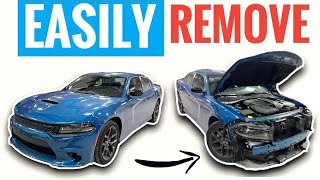
The cost can vary significantly based on the parts used and local labor rates. Replacement is a labor-intensive job that requires removing the front bumper, 🎬 See how to easily remove the front bumper cover headlights, and potentially draining the cooling system and evacuating the A/C system.
| Item | Estimated Cost |
|---|---|
| New OEM (Mopar) | $400 - $600 |
| New Aftermarket | $100 - $250 |
| Used OEM | $150 - $350 |
| Shop Labor | $400 - $800+ (4-8 hours) |
Note: Labor costs for radiator replacement (a related job) are estimated between $274 and $402, but replacing the support is a more involved process.
Installation Overview & Difficulty
- Difficulty: 4 out of 5
- DIY Feasible: Not recommended for beginners.
Replacing the radiator support is a complex job. The general steps include:
- Disconnecting the battery.
- Removing the front bumper cover and energy absorber.
- Removing the headlights.
- Disconnecting the hood latch and cable.
- Properly evacuating the A/C system (requires specialized equipment).
- Draining the engine coolant.
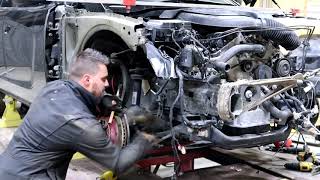
- Disconnecting the radiator, A/C condenser, and fan assembly and removing them.
- Unbolting the old radiator support from the frame rails.
- Transferring any necessary components to the new support.
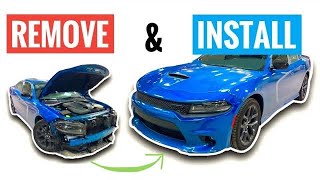
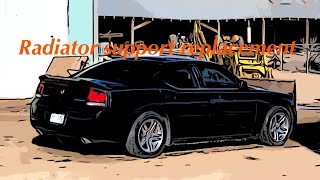
- Installing the new support and reassembling in reverse order. 🎬 Watch: Full step-by-step radiator support replacement walkthrough
- Recharging the A/C system and refilling the coolant.
Warning: The A/C system is under high pressure and contains refrigerant that is harmful to the environment. It is illegal and dangerous to vent it to the atmosphere. This step must be performed by a qualified technician with proper recovery equipment.
Frequently Asked Questions (FAQ)
Can I drive with a damaged radiator support?
It is not recommended. If the damage is severe, it can compromise the vehicle's structural integrity and the security of the hood latch and headlights, making it unsafe to drive. Minor cracks may be less critical, but the part should be replaced as soon as possible to prevent further issues.
Is the radiator support different for a V6, R/T, Scat Pack, or Hellcat?
While the main support structure is generally the same within the two generational groups (2011-14 and 2015-23), there can be minor differences in brackets or attached components for different trim levels, especially for models with additional coolers (e.g., Hellcat). Always verify fitment using a VIN or by matching part numbers.
Does a new radiator support need to be painted?
Most replacement radiator supports come with a black E-coat (electrophoretic coating) for corrosion resistance. This is typically sufficient, as the part is not a visible cosmetic panel. No further painting is usually required.
Why are my panel gaps wrong after a minor front-end accident?
Even a low-speed impact can bend the radiator support. Because it serves as the central mounting point for the bumper, fenders, and hood, any distortion will throw off the alignment of all surrounding panels, resulting in uneven gaps.
Helpful Videos
Technical Specifications
OEM Part Numbers: 5065240AB 5065240AC 5065240AD 5065240AE 5065240AF 5065240AG 5065240AH 68142202AA 68200478AC
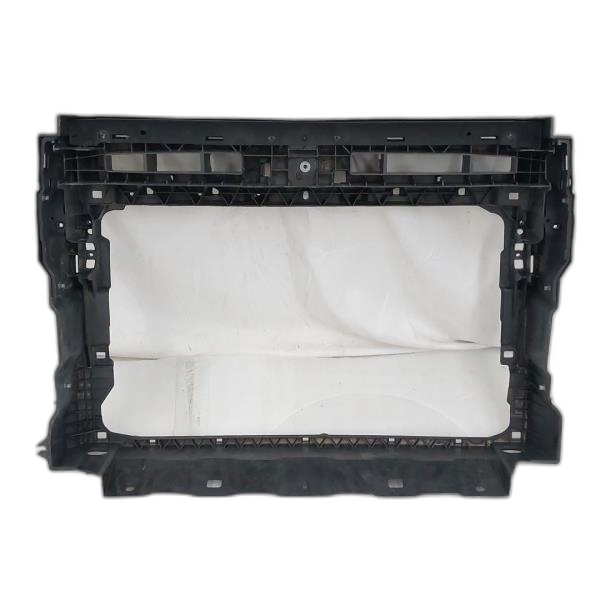
Material composition is typically a mix of steel and plastic components. The primary distinction is the design change between the 2011-2014 (LD) and 2015-2023 (LD Facelift) generations.
We Have This Part in Stock

The information in this article is provided for general reference and educational purposes only. Vehicle specifications, procedures, and part compatibility can vary by production date, trim level, and region. Always consult your vehicle's factory service manual and verify part numbers before purchasing or performing repairs. Safety-critical components such as airbags, seat belts, and braking systems should be installed by a qualified professional.
- Dodge Charger:
- 🎬 Helpful Videos
- 🛍️ Shop This Part
- Key Differences: 2011-2014 vs. 2015-2023
- Symptoms of a Damaged Radiator Support
- Buying a Used Radiator Support: What to Check
- Known Issues, TSBs, and Recalls
- Cost to Replace a Dodge Charger Radiator Support
- Installation Overview & Difficulty
- Frequently Asked Questions (FAQ)
- 🎟️ Get 5% Off