

2007-2019 GMC Acadia Radiator Support: Damage, Fitment, and the 2017 Model Split
This guide covers common failure points, inspection tips for used parts, and the critical differences between the 2017 Acadia and Acadia 'Limited' models.
- The 2017 model year is a split year; you must verify if you have an Acadia or an Acadia 'Limited' (11th VIN digit 'J') as they use different parts.
- The radiator support is a critical structural component that aligns the hood, fenders, bumper, and headlights.
- When buying a used support, meticulously inspect for cracks, previous repairs (bondo, non-factory welds), and ensure all mounting tabs are intact.
- Replacement is a complex, high-difficulty job that typically requires professional A/C system service, making it unsuitable for most DIY mechanics.
Symptoms of a Damaged Radiator Support
Since the radiator support is a structural component, signs of failure are almost always visual and related to physical damage, most commonly from a front-end collision. Unlike moving parts, it won't trigger a check engine light, but the symptoms can be just as serious.
- Misaligned Body Panels: The most obvious sign of a bent or broken radiator support is poor alignment of front-end parts. You may notice uneven gaps between the hood and fenders, or the front bumper may appear crooked or pushed in.
- Hood Latch and Headlight Issues: If the support is damaged, the hood may be difficult to open or close properly. Headlights may also be aimed incorrectly or appear loose because their mounting points have shifted.
- Overheating: A severely damaged support can push the radiator or condenser out of position, restricting airflow or even causing them to contact the cooling fan. 🎬 Watch: How to replace the radiator on 2007-2016 models This can lead to reduced cooling efficiency and potential engine overheating.
- Unusual Noises: A cracked or loose radiator support can cause rattling or creaking sounds from the front of the vehicle, especially when driving on bumpy roads.
Warning: For the 2017 model year, GMC produced two different versions of the Acadia. The first-generation body style was continued as the 'Acadia Limited,' while a completely new, smaller body style was introduced as the standard 'Acadia.' These two models use different radiator supports. It is essential to verify which model you have before purchasing a replacement part.
To confirm, check the 11th digit of your Vehicle Identification Number (VIN). If the 11th digit is 'J', you have the Acadia 'Limited' model.
Buying a Used Radiator Support: What to Inspect
A used OEM radiator support can be an excellent value, offering the same fit and quality as a new part. However, a thorough inspection is critical to ensure you're getting a solid, undamaged component.
- Check for Cracks and Bends: Carefully inspect the entire part, especially around the mounting points for the frame, radiator, and headlights. Look for any stress cracks in the plastic or metal. Place the support on a flat surface to check for any twisting or bending that isn't immediately obvious.
- Look for Signs of Previous Repair: Be wary of supports that show signs of previous work. Look for non-factory welds, body filler (Bondo), or fresh paint in isolated spots, which can hide underlying damage.
- Verify All Mounting Tabs are Intact: All tabs and brackets for the headlights, bumper cover, and grille must be present and unbroken. A broken tab can prevent other parts from being installed securely.
- Inspect for Corrosion: On metal supports, check for rust, particularly in the lower sections where moisture and road salt can collect. Significant rust can weaken the structure.
- Confirm Part Number and Fitment: Always double-check that the used part is correct for your specific year and, for 2017 models, whether it's for the standard or 'Limited' version. When possible, compare the used part directly to your old one.
Pro Tip: Choosing a straight, undamaged used OEM support is often a better choice than a new, low-cost aftermarket part. Aftermarket supports can suffer from poor fitment, requiring modifications to align correctly, and may be made from thinner, less durable materials.
Known Issues, Recalls, and TSBs
The radiator support itself is not a common failure item outside of collision damage. Searches for recalls and Technical Service Bulletins (TSBs) specific to the 2007-2019 GMC Acadia radiator support did not yield any results. Most recalls for this vehicle range pertain to other issues like airbags, power liftgates, and transmission components. Always check your specific VIN with a dealer or on the NHTSA website for any open recalls.
Replacement Cost and Difficulty
Replacing the radiator support on a GMC Acadia is a labor-intensive job that requires disassembling the entire front of the vehicle. This includes removing the front bumper cover, headlights, grille, 🎬 See this video for removing the front bumper cover and potentially draining the cooling system and discharging the A/C system to move the radiator and condenser. Due to this complexity, it is rated as a difficult repair for a DIY mechanic.
🎬 Watch: Step-by-step guide on how to replace a radiator support| Part Type | Estimated Cost |
|---|---|
| New OEM | $200 - $800+ |
| New Aftermarket | $85 - $500 |
| Used OEM | $50 - $300 |
| Shop Labor | $800 - $1,200+ |
Note: Labor costs can vary significantly based on location and the specific components that need to be removed. Discharging and recharging the A/C system will add to the cost.
Frequently Asked Questions (FAQ)
Can I drive with a broken radiator support?
It is not recommended. While the vehicle may be drivable with minor damage, a significantly broken radiator support compromises the structural integrity of the front end. It can cause the radiator to shift and leak, headlights to be aimed incorrectly, and can affect how the vehicle absorbs impact in a future collision.
How do I know if I have a 2017 Acadia or a 2017 Acadia 'Limited'?
The simplest way is to check the 11th digit of your VIN. If it is a 'J', you have the Acadia 'Limited', which is the older, larger body style. If it is a different character, you have the new, redesigned 2017 Acadia. The two models look distinctly different from the front.
Is an aftermarket radiator support as good as an OEM one?
While some high-quality aftermarket parts exist, they are often reverse-engineered and can have fitment issues, requiring modification to install correctly. An undamaged, used OEM part guarantees the precise fit and material quality of the original factory component.
Does replacing the radiator support require special tools?
Beyond standard mechanic's tools like socket sets and trim removal tools, the most significant requirement is A/C service equipment to safely recover and recharge the refrigerant if the condenser needs to be disconnected. This is why the job is often best left to a professional shop.
Helpful Videos
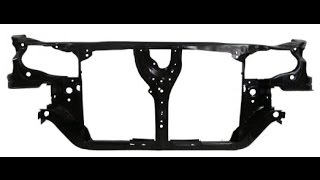
Technical Specifications
OEM Part Numbers: 15918216 22818030 25795298 25849103 25878470 25909847 25910410 25930730 42439768 84075363 84281805 84383966
Material composition varies by specific part number and year, including steel, aluminum, and plastic composites.
We Have This Part in Stock
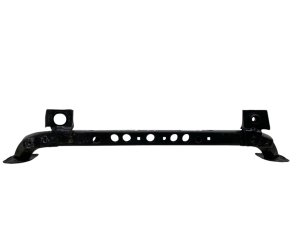
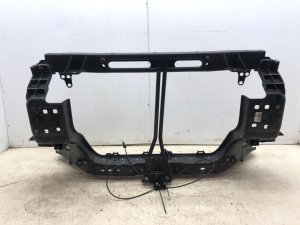
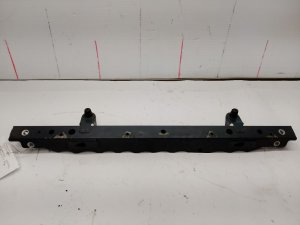

The information in this article is provided for general reference and educational purposes only. Vehicle specifications, procedures, and part compatibility can vary by production date, trim level, and region. Always consult your vehicle's factory service manual and verify part numbers before purchasing or performing repairs. Safety-critical components such as airbags, seat belts, and braking systems should be installed by a qualified professional.
- GMC Acadia: