

2010-2016 Honda CR-V Radiator Support: Collision Repair and Part Differences
This guide covers the different radiator supports used from 2010-2016, how to identify damage after a collision, and what to inspect when buying a used part.
- The radiator support is different for 2010-2011 and 2012-2016 CR-V models; they are not interchangeable.
- For 2015-2016, a special support is required for Touring models with Adaptive Cruise Control.
- Replacement is a major auto body repair requiring specialized tools and welding; it is not a DIY job.
- Damage is almost always caused by a front-end collision, and symptoms include poor panel alignment and potential overheating.
Critical Generation & Trim Level Differences: 2010-2016
The 2010-2016 Honda CR-V spans two different vehicle generations, which use different radiator supports. It is crucial to identify the correct part for your specific year, as they are not interchangeable. Using the wrong support will result in misaligned parts and improper fitment.
2010-2011 (Third Generation Facelift)
For these model years, the primary radiator support part number is 60400-SWA-A01ZZ. This part is specific to the updated third-generation CR-V and will not fit later models.
2012-2016 (Fourth Generation)
The fourth-generation CR-V uses a different design. The most common part number for these years is 60400-T1W-A10ZZ. This part number supersedes several previous versions, including 60400-T0A-A00ZZ, 60400-T0A-A10ZZ, 60400-T0G-A00ZZ, and others. This means that if you are looking for one of the older numbers, 60400-T1W-A10ZZ is the correct, updated replacement.
Compatibility Warning: For 2015-2016 CR-V models, a specific warning applies. The part number 60400-T1W-A10ZZ is for models WITHOUT Adaptive Cruise Control (ACC). The Touring trim level, which came standard with ACC, uses a different radiator support to accommodate the front radar sensor located in the grille. Always verify compatibility for 2015-2016 models, especially if you have a Touring trim.
Symptoms of a Damaged Radiator Support
A radiator support is a structural component that typically only fails due to a front-end collision or, less commonly, severe rust. The symptoms are almost always related to physical damage and misalignment.
- Poor Panel Alignment: The most obvious sign is uneven or large gaps between the hood, fenders, and front bumper. The hood may not close properly or may be difficult to latch.
- Misaligned Headlights: Headlights may appear loose, crooked, or point in the wrong direction because their mounting tabs on the support are broken or bent.
- Overheating or Cooling Issues: If the support is bent, it can push the radiator out of position, restricting airflow or causing the cooling fan to contact the radiator. 🎬 Watch: How to replace the radiator on a 4th gen CR-V In severe cases, it can cause coolant leaks by damaging the radiator itself.
- Unusual Noises: A rattling, creaking, or clunking sound from the front of the vehicle, especially over bumps, can indicate a cracked or loose radiator support.
- Visible Damage: After any front-end impact, visually inspect the radiator support for cracks (especially on plastic sections), bends, or significant rust.
Buying a Used Radiator Support: What to Inspect
Since a radiator support is a structural part, buying a quality used OEM component is often a better choice than a cheap aftermarket one, which may have fitment issues. Here’s what to check before you buy.
- Verify the Part Number: This is the most important step. Match the OEM part number from your vehicle to the used part. Cross-reference the generation-specific part numbers (SWA for 2010-2011, T0A/T1W for 2012-2016) to ensure you're getting the right one.
- Inspect for Bends or Twists: Lay the support on a flat surface. Look for any signs that it is not perfectly straight and symmetrical. Even a minor bend from a previous accident can make it impossible to align the fenders, hood, and headlights correctly.
- Check All Mounting Points: Carefully examine all plastic tabs, clips, and bolt holes. These are used to mount headlights, the grille, and the bumper cover. They are often brittle and can be easily broken during removal from the donor vehicle.
- Look for Hairline Cracks: Inspect the areas around all weld points and corners for any hairline cracks. Stress from a past collision can create small cracks that compromise the part's structural integrity.
- Examine for Rust: Check the lower sections and any seams for rust. Surface rust can often be treated, but avoid any part with flaking, bubbling, or rust that has eaten through the metal.
Replacement Difficulty & Procedure Overview
Replacing a radiator support is a major structural repair that is not recommended for DIY mechanics unless they have significant auto body and welding experience.
🎬 Watch: A general guide on how to replace a radiator support- Difficulty Rating: 5 out of 5
- Procedure: This is not a simple bolt-off, bolt-on job. The radiator support is attached to the vehicle's frame rails with numerous spot welds. Replacement involves drilling or grinding out dozens of factory spot welds to remove the old support. The new support must then be precisely positioned, clamped, and welded into place to ensure the front-end geometry is correct. 🎬 See this walkthrough of a Honda radiator support being replaced
- Required Removals: The process requires removing the front bumper, headlights, hood latch, radiator, A/C condenser, and cooling fans just to access the support.
Pro Tip: Due to the complexity and the need for welding equipment and frame measuring tools, this job is best left to a professional body shop. An improper installation can lead to persistent panel gap issues and compromised front-end structural integrity.
Cost to Replace a 2010-2016 CR-V Radiator Support
Costs can vary based on location and the specific damage to the vehicle. Labor is the most significant expense due to the complexity of the job.
| Part/Service | Estimated Cost |
|---|---|
| New OEM Radiator Support | $200 - $590 |
| New Aftermarket Radiator Support | $80 - $200 |
| Used OEM Radiator Support | $100 - $300 |
| Shop Labor | $800 - $1,500+ |
Known Issues, Recalls, or TSBs
As of early 2026, there are no specific recalls or Technical Service Bulletins (TSBs) issued by Honda or the NHTSA for failures of the radiator support itself on 2010-2016 CR-V models. Issues with this part are almost exclusively the result of collision damage or corrosion.
OEM Part Numbers
| Part Number | Applicable Years & Models | Notes |
|---|---|---|
| 60400-SWA-A01ZZ | 2010-2011 CR-V | For 3rd Gen facelift models. |
| 60400-T1W-A10ZZ | 2012-2016 CR-V | For 4th Gen models WITHOUT Adaptive Cruise Control. Supersedes 60400-T0A-A00ZZ, 60400-T0G-A00ZZ, etc. |
Frequently Asked Questions (FAQ)
Can a bent radiator support be repaired?
In cases of minor damage, a body shop may be able to pull the support back into alignment using a frame machine. However, if the metal is creased, cracked, or severely bent, replacement is the only safe and effective option to restore structural integrity.
Is the upper radiator support (tie bar) available separately?
For some vehicles, the upper tie bar is a separate, bolt-on piece. However, for the 2010-2016 CR-V, the radiator support is sold as a single, large welded assembly, often referred to as the front bulkhead. Individual pieces are generally not available separately from Honda.
Will a bad radiator support cause my CR-V to overheat?
Yes, it can. If the support is damaged and pushes the radiator back or causes the fan to be misaligned, it can reduce airflow and lead to overheating. A damaged support can also directly break the radiator, causing a coolant leak that will lead to overheating.
Does the radiator support come painted?
No, new radiator supports, whether OEM or aftermarket, typically come with a black e-coat (electrophoretic coating) primer. This is not a final paint finish. A body shop will need to prep and paint the support to match the vehicle and apply cavity wax or undercoating to prevent future rust.
Helpful Videos
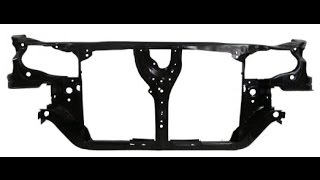
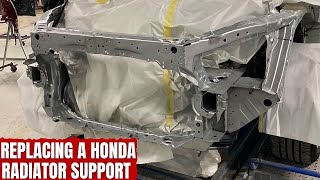
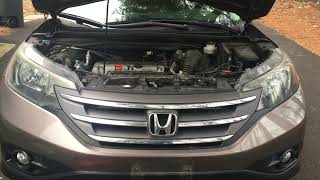
Technical Specifications
OEM Part Numbers: 60400-SWA-A01ZZ 60400-T0A-A00ZZ 60400-T0A-A10ZZ 60400-T0G-A00ZZ 60400-T0G-A01ZZ 60400-T1W-A10ZZ
Material: Steel and plastic composite. Attachment Method: Spot-welded to unibody frame rails.
We Have This Part in Stock
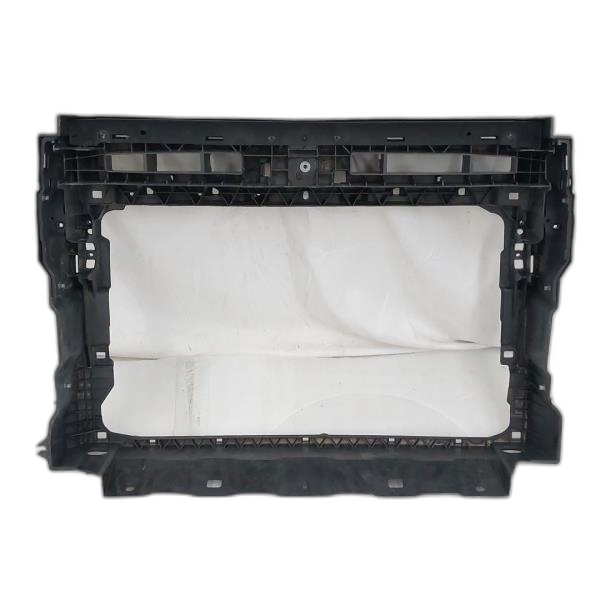


The information in this article is provided for general reference and educational purposes only. Vehicle specifications, procedures, and part compatibility can vary by production date, trim level, and region. Always consult your vehicle's factory service manual and verify part numbers before purchasing or performing repairs. Safety-critical components such as airbags, seat belts, and braking systems should be installed by a qualified professional.
- Honda CR-V:
- 🎬 Helpful Videos
- 🛍️ Shop This Part
- Critical Generation & Trim Level Differences: 2010-2016
- 2010-2011 (Third Generation Facelift)
- 2012-2016 (Fourth Generation)
- Symptoms of a Damaged Radiator Support
- Buying a Used Radiator Support: What to Inspect
- Replacement Difficulty & Procedure Overview
- Cost to Replace a 2010-2016 CR-V Radiator Support
- Known Issues, Recalls, or TSBs
- OEM Part Numbers
- Frequently Asked Questions (FAQ)
- 🎟️ Get 5% Off