

1997-2000 Toyota Tacoma Radiator Support: Damage, Rust, and the Critical 1997 Fitment Rule
This guide covers how to spot a failing radiator support, inspect a used one, and navigate the crucial mid-year production change for 1997 4x4 models.
- Replacement is a major, weld-in job requiring professional bodywork skills; it is not a simple bolt-on part.
- For 1997 4x4 models, you must verify if your truck was built before or after June 1997 to get the correct part.
- A straight, rust-free used OEM support is often superior to a new aftermarket part due to better fitment.
- Symptoms are primarily physical: poor panel alignment, visible rust/cracks, and front-end noises.
Symptoms of a Damaged Radiator Support
Since the radiator support is a structural body part, signs of failure are almost always visual or physical. It doesn't 'wear out' like a mechanical part, but instead fails from rust or collision damage. Here’s what to look for:
- Poor Body Panel Alignment: This is the most common symptom. A bent or damaged support will cause uneven gaps around the hood, fenders, and grille. You might find the hood is difficult to open or close, or that the headlights are aimed incorrectly or sit unevenly.
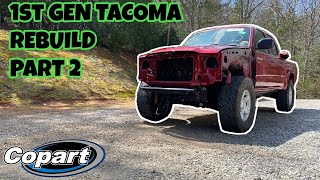
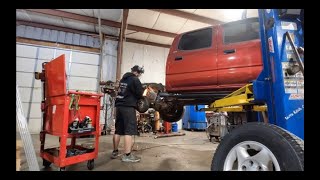
- Visible Damage or Rust: Inspect the support itself. Look for bent metal, cracked welds, or significant rust, especially on the lower sections where moisture collects. First-generation Tacomas are known for frame rust issues, and the radiator support is also susceptible. 🎬 Watch a full restoration of a Tacoma suffering from severe rust.
- Unusual Noises: A loose, cracked, or rusted-out support can cause rattling, creaking, or clunking sounds from the front of the truck, especially when driving on bumpy roads.
- Engine Overheating: If the support is bent backward from an impact, it can push the radiator into the fan or block airflow, leading to reduced cooling efficiency and potential overheating.
Compatibility Warning: The OEM part number 53201-04060 fits all 1998-2000 Toyota Tacoma models and all 1997 4x2 (2-wheel drive) models. However, for 1997 4x4 (4-wheel drive) models, it only fits vehicles produced from June 1997 onwards. Pre-June 1997 4x4 models use a different support. Always verify your vehicle's production date before purchasing.
Buying a Used 1997-2000 Tacoma Radiator Support: A Buyer's Guide
For a vehicle of this age, a straight, rust-free used OEM radiator support is often a better choice than a new aftermarket part. Aftermarket supports can suffer from poor fitment due to thinner gauge metal and incorrect stamping, leading to alignment headaches during installation. An original Toyota part ensures correct geometry.
What to Inspect on a Used Part:
- Check for Bends and Creases: Lay the support on a flat floor. Check for any twisting or warping. Look closely at all the mounting points for the headlights, radiator, and fenders. Even a small bend from a minor accident can make lining up body panels impossible.
- Inspect for Cracks: Pay close attention to the factory spot welds and the areas where the support attaches to the inner fenders. Stress from an impact can cause these welds to crack or tear the surrounding metal.
- Look for Hidden Rust: Surface rust can be treated, but deep, flaky, or perforated rust is a deal-breaker. Check the bottom channel of the support, as this is where water and debris collect. Tap these areas with a small hammer to check for structural integrity.
- Verify All Tabs and Brackets are Intact: Ensure all the smaller mounting tabs for the grille, wiring harnesses, and A/C lines are present and not broken off.
Known Issues, TSBs, and Recalls
For the 1997-2000 model years, the most significant known issue is frame rust, which can also affect the radiator support. There are no specific recalls or Technical Service Bulletins (TSBs) from Toyota directly addressing the radiator support itself. Most recalls for this generation pertain to lighting equipment or trailer wiring harnesses. Any damage to this part is almost exclusively the result of collision or corrosion.
Replacement Overview and Difficulty
Replacing the radiator support on a first-generation Tacoma is a major job intended for experienced DIYers or professional body shops. The original support is held in place by numerous spot welds to the inner fenders, not just bolts. The process involves drilling out dozens of factory spot welds 🎬 Watch this walkthrough of the disassembly and spot weld removal. to remove the old support. The new support must then be carefully aligned and welded back into place to ensure the front-end structure is sound and all body panels fit correctly.
- AC System Evacuation: The A/C lines run through the radiator support, so the system must be professionally evacuated before removal and recharged after installation.
- Component Removal: The entire front of the truck must be disassembled, including the bumper, grille, headlights, radiator, and A/C condenser.
- Welding Required: A spot welder is the factory method, but many installers use a combination of MIG welding and structural bolts for reassembly.
Pro Tip: Before removing the old, damaged support, take extensive measurements between key points on the front end (e.g., between strut towers, diagonal measurements across the engine bay). This will give you a baseline to ensure the new support is positioned correctly before you weld it in permanently.
Cost to Replace a Tacoma Radiator Support
| Part Type | Estimated Cost |
|---|---|
| New OEM (Toyota) | $460 - $560 |
| New Aftermarket | $150 - $250 |
| Used OEM (Salvage) | $100 - $200 |
| Shop Labor | $800 - $1500+ |
Note: Labor costs are highly variable and depend on the extent of any related collision damage and local shop rates. The high cost reflects the significant labor involved in drilling welds and re-welding the new part.
Frequently Asked Questions (FAQ)
Can I just bolt in a new radiator support instead of welding it?
While some people attempt to bolt in a replacement, it is not the recommended or structurally sound method. The radiator support is a key part of the vehicle's unibody strength. The factory used spot welds for a reason, and proper welding is required to restore the front end's rigidity and crashworthiness.
How do I know if my 1997 4x4 Tacoma was made before or after June 1997?
The vehicle's production date is printed on a sticker located on the driver's side door jamb. Look for the month and year of manufacture (e.g., "MFG. 06/97") to determine which radiator support you need.
Will a bad radiator support cause my truck to overheat?
It can, but only indirectly. If the support is bent from an accident, it can push the radiator into the cooling fan or obstruct airflow, which will cause overheating. The support itself has no mechanical function in the cooling system.
Is a slightly bent radiator support repairable?
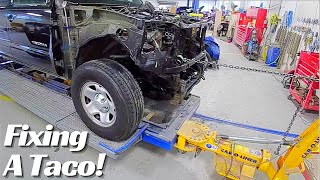
Minor bends can sometimes be straightened by a body shop using chains 🎬 See how a professional shop pulls and aligns a damaged front end. and hydraulic pullers. However, if the metal is creased, torn, or severely rusted, replacement is the only safe option. Attempting to repair a badly damaged support will likely result in poor panel fitment and compromised structural integrity.
Helpful Videos
Technical Specifications
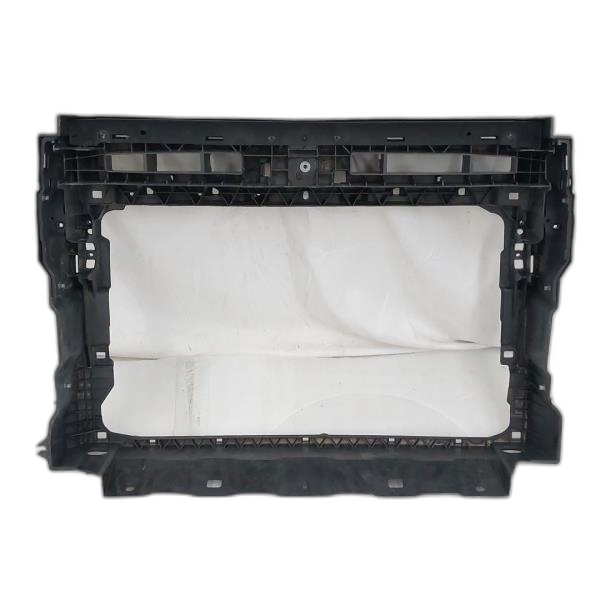
OEM Part Numbers: 5320104060
Material: Steel. Installation Method: Spot-welded.
We Have This Part in Stock

The information in this article is provided for general reference and educational purposes only. Vehicle specifications, procedures, and part compatibility can vary by production date, trim level, and region. Always consult your vehicle's factory service manual and verify part numbers before purchasing or performing repairs. Safety-critical components such as airbags, seat belts, and braking systems should be installed by a qualified professional.
- Toyota Tacoma:
- 🎬 Helpful Videos
- 🛍️ Shop This Part
- Symptoms of a Damaged Radiator Support
- Buying a Used 1997-2000 Tacoma Radiator Support: A Buyer's Guide
- What to Inspect on a Used Part:
- Known Issues, TSBs, and Recalls
- Replacement Overview and Difficulty
- Cost to Replace a Tacoma Radiator Support
- Frequently Asked Questions (FAQ)
- 🎟️ Get 5% Off