

2024-2025 Tesla Cybertruck Radiator and Cooling System Guide
An in-depth look at the Cybertruck's unique thermal management system, known issues, and what to inspect on a used radiator assembly.
- The Cybertruck radiator is a heat exchanger for the battery and motors, not a traditional engine radiator.
- Replacement is not a DIY job. It requires Tesla's proprietary software (Toolbox 3) to properly bleed the air out of the cooling system after installation.
- Two different coolant types have been used: blue G-48 for early models and orange HTF-LS for later models. They should not be mixed.
- Cooling system parts may differ between All-Wheel Drive and Cyberbeast models; always verify compatibility with the VIN.
Understanding the Cybertruck's Radiator and Thermal System

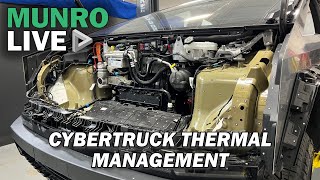
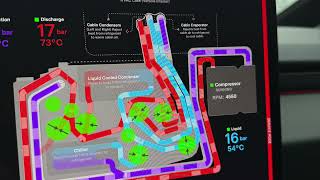
The term 'radiator' in a Tesla Cybertruck refers to a liquid-to-air heat exchanger within the vehicle's sophisticated thermal management system. This is not for cooling an internal combustion engine, but for managing the temperature of the battery pack and electric drive motors. The system circulates a special coolant through the battery and motors to absorb heat, which is then pumped to the front radiator assembly to be released into the ambient air. This system is also responsible for heating the battery in cold conditions to ensure optimal performance and charging speed. The entire process is managed by a complex set of pumps, valves (often part of a central 'Supermanifold'), and sensors.
🎬 Watch: How this thermal system differs from previous Tesla models.Variant Differences: AWD vs. Cyberbeast
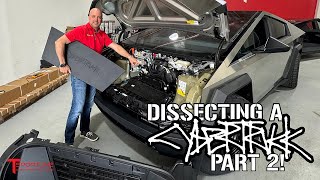
The immense power and towing capacity of the Cybertruck, especially the tri-motor 'Cyberbeast' model, place extreme demands on the thermal management system. Engineering teardowns have confirmed that some cooling components, like the liquid-cooled condenser, are larger 🎬 See a teardown of the auxiliary power and cooling components. on the Cybertruck compared to other Tesla models to provide additional cooling capacity. Furthermore, the total coolant capacity differs slightly between the models, with the dual-motor All-Wheel Drive (AWD) holding 22.5 liters and the tri-motor Cyberbeast holding 23.5 liters. This underscores the importance of verifying part compatibility for your specific model.
Warning: Cooling system components may not be interchangeable between the All-Wheel Drive (AWD) and Cyberbeast (Tri-Motor) models. Always verify the part number and compatibility with the vehicle's VIN before purchasing.
Symptoms of a Failing Radiator or Cooling System


Because the Cybertruck is so new, widespread failure patterns have not yet emerged. However, you should be aware of general EV cooling system failure symptoms.
- On-Screen Alerts: The most common first sign will be a warning message on the vehicle's main touchscreen. These alerts may indicate high battery temperature, reduced power, or an inability to charge.
- Reduced Performance: If the system cannot adequately cool the battery or motors, the vehicle will automatically limit power output to protect the components. You may notice slower acceleration, especially during demanding situations like towing or climbing steep grades.
- Visible Coolant Leaks: Puddles of blue or orange fluid under the front of the truck are a clear sign of a leak. Early production Cybertrucks use a blue G-48 coolant, while newer ones use an orange HTF-LS coolant. Any leak should be addressed immediately.
- Unusual Noises: Whining or grinding sounds from the front of the vehicle when parked or driving could indicate a failing coolant pump. You might also notice the radiator fans running at maximum speed more often than usual.
- Inability to Supercharge: Fast charging generates a lot of heat. If the cooling system is compromised, the vehicle may limit or prevent DC fast charging to avoid overheating the battery.
Known Issues, Recalls, and TSBs (2024-2025)
As of early 2026, there are no widespread, common failures reported for the Cybertruck's radiator or thermal management system. However, there have been isolated reports of new vehicles experiencing significant coolant leaks very early in their service life, sometimes with as few as 35 miles on the odometer. 🎬 Watch: A real-world example of early coolant leak issues. These appear to be related to manufacturing or assembly defects rather than a fundamental design flaw.
Official Recalls and Service Bulletins
While the 2024-2025 Cybertruck has been subject to several recalls for issues like exterior trim, accelerator pedals, and software, there are currently no active recalls or Technical Service Bulletins (TSBs) from the NHTSA specifically for the radiator or coolant system components.
Buying a Used Cybertruck Radiator: What to Look For

Given the high cost and complexity of the thermal system, a used OEM radiator from a low-mileage donor vehicle can be a cost-effective option. Aftermarket parts are not yet available. Here’s what to inspect:
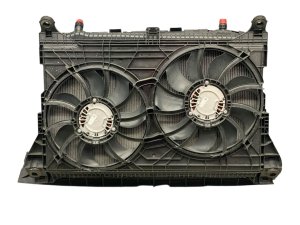
- Physical Inspection: Carefully examine the entire radiator assembly. Look for cracks in the plastic end tanks, signs of leaks (white or colored crusty residue), and damage to the hose connections. Check the aluminum fins; a few bent fins are normal, but large areas of damage will reduce cooling efficiency.
- Verify Compatibility: This is the most critical step. Due to potential differences between AWD and Cyberbeast models, you must match the part to the vehicle. The best way is to match the OEM part number directly. If that's not possible, provide the seller with your vehicle's VIN to confirm fitment.
- Mileage and Donor Vehicle History: For a vehicle this new, mileage is less of a concern than physical condition. Prioritize parts from vehicles with no front-end collision damage. Ask the seller for the VIN of the donor vehicle if possible to check its history.
- Included Components: A complete radiator assembly should include the radiator core and any attached sensors or brackets. The large cooling fans are often a separate part, so confirm what is included in the sale.
Cost Comparison
Replacing a Cybertruck radiator is an expensive repair, primarily due to the complexity of the job and the cost of OEM parts.
| Part/Service | Estimated Cost |
|---|---|
| New OEM Radiator Assembly | $800 - $1,500+ (Tesla Service Only) |
| New Aftermarket Radiator | Not Available |
| Used OEM Radiator Assembly | $250 - $700 |
| Shop Labor for Replacement | $600 - $1,200+ |
Costs are estimates as of early 2026. Labor costs can vary significantly based on shop rates and the specific repair scenario.
Pro Tip: The most challenging part of this repair is the coolant bleeding procedure. It is not a simple 'fill and bleed' process. It requires connecting a computer with Tesla's diagnostic software (Toolbox 3) to the vehicle to run a specific 'Coolant Air Purge' routine. This routine electronically cycles pumps and valves to remove all air from the complex system. Failure to perform this step correctly can lead to air pockets, causing overheating and damage to the battery or drive units. This makes DIY replacement unfeasible for most home mechanics.
Frequently Asked Questions (FAQ)
What kind of coolant does the 2024-2025 Cybertruck use?
It depends on the production date. Early production models use Tesla G-48 coolant, which is blue. Newer models use Tesla HTF-LS (Heat Transfer Fluid - Low Silicate) coolant, which is orange. The two types should not be mixed. Always top off with the same color coolant that is already in the vehicle. Both are a pre-mixed 50/50 solution and you should not add water.
Can I drive my Cybertruck with a coolant leak?
No. A coolant leak can lead to insufficient cooling of the high-voltage battery and drive units. This can result in permanent, expensive damage. If you see a coolant leak or get a low coolant warning, it is highly recommended to stop driving and have the vehicle towed for service.
Is the AWD radiator different from the Cyberbeast radiator?
While specific part numbers are not public, evidence suggests there are differences. The Cyberbeast has higher performance and towing ratings, which requires a more robust cooling system. The coolant capacity is also slightly different. It is essential to assume the parts are not interchangeable and verify fitment with a VIN.
Does replacing the radiator require special software or calibration?
Yes, absolutely. The most critical step is the coolant refill and bleed process, which must be done using Tesla's diagnostic software to run an automated air purge routine. Without this software-driven procedure, it is nearly impossible to remove all air from the system, which can lead to severe overheating issues.
Helpful Videos

Technical Specifications
OEM Part Numbers: Part numbers are not publicly available and should be verified with a Tesla Service Center using the vehicle's VIN.
Coolant Type: Tesla G-48 (blue) or Tesla HTF-LS (orange). System Capacity: 22.5 Liters (AWD Dual Motor), 23.5 Liters (Cyberbeast Tri-Motor).
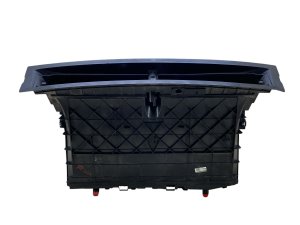
We Have This Part in Stock

The information in this article is provided for general reference and educational purposes only. Vehicle specifications, procedures, and part compatibility can vary by production date, trim level, and region. Always consult your vehicle's factory service manual and verify part numbers before purchasing or performing repairs. Safety-critical components such as airbags, seat belts, and braking systems should be installed by a qualified professional.
- Tesla Cybertruck:
- 🎬 Helpful Videos
- 🛍️ Shop This Part
- Understanding the Cybertruck's Radiator and Thermal System
- Variant Differences: AWD vs. Cyberbeast
- Symptoms of a Failing Radiator or Cooling System
- Known Issues, Recalls, and TSBs (2024-2025)
- Official Recalls and Service Bulletins
- Buying a Used Cybertruck Radiator: What to Look For
- Cost Comparison
- Frequently Asked Questions (FAQ)
- 🎟️ Get 5% Off