

2021-2025 Tesla Model S & Model X Front Cooling Module: Leaks, Recalls, and Replacement
This guide covers the complete front radiator and fan assembly for the 2021-2025 'Palladium' generation Tesla Model S and Model X, including Plaid and Long Range models.
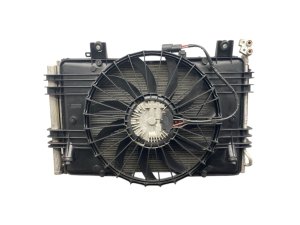
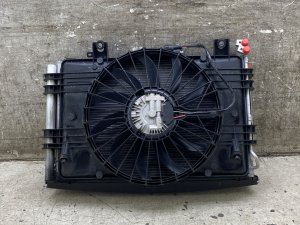
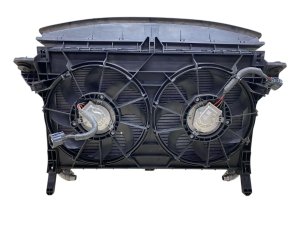
- This part is a complete front cooling module, not just a radiator. It includes the A/C condenser and fan.
- Plaid and Long Range (AWD) models use different, non-interchangeable cooling modules. You must match the part number to your VIN.
- Replacement is complex, requiring A/C system evacuation and a special vacuum-fill procedure for the battery coolant to prevent severe damage.
- A known recall (NHTSA 22V-050) affects the heat pump system on 2021-22 models, causing loss of heat, and was fixed by a software update.
Understanding the Front Cooling Module in Your 2021-2025 Tesla

If you own a 2021-2025 Tesla Model S or Model X (the refreshed 'Palladium' generation), it's important to know that the 'radiator' is much more than a simple part. It's a complete front cooling module that integrates the radiator for the battery and drivetrain, the A/C condenser, and the cooling fan assembly. This system is vital for managing the heat generated by the high-voltage battery during driving and charging, as well as cooling the powerful electric motors. Failure of any component in this module can lead to reduced performance, slower charging, and potentially expensive damage to the battery or drive units.
Compatibility Warning: This cooling module is only for the refreshed Model S and Model X vehicles that began production in mid-2021. It will not fit the earlier style of the 2021 Model S. Always verify your vehicle's build date before purchasing.
Variant Differences: Plaid vs. Long Range (AWD)
A critical point for buyers is that the high-performance Plaid models use a different, more robust cooling system than the standard All-Wheel Drive (Long Range) models to cope with the extra heat from their more powerful motors. The part numbers are different, and the components are not interchangeable. The Tesla service manual even contains separate procedures for Plaid models.
- Plaid Models: Often use part numbers like 1619166-00-A or 1589350-00-B.
- Long Range (AWD) Models: Use a different part number. One known number is 1478201-00-B, though it has also been associated with the front drive unit heat exchanger specifically.
You must confirm the exact part number required for your vehicle's specific VIN and trim level before ordering a replacement. Installing the wrong module will lead to improper cooling and system errors.
Symptoms of a Failing Front Cooling Module

Failures can originate from the radiator core, the fan, or the integrated A/C condenser. Here are the most common signs that your module needs attention.
1. Coolant Leaks & Low Coolant Warnings
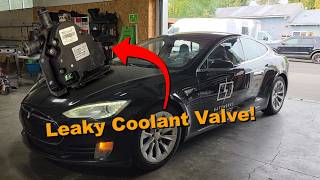
This is the most frequent symptom. You may see a puddle of blue or green, 🎬 Watch: How to identify and replace a leaky coolant valve. sweet-smelling fluid under the front of your car. The dashboard will display a 'Vehicle Coolant Is Low' warning. Leaks can come from:
- Physical Damage: The radiator is vulnerable to rocks and road debris, which can puncture the core.
- Hose Connections: Hoses connected to the module can become loose or their seals can degrade.
- Cracked Tanks: The plastic end tanks on the radiator can crack with age and thermal cycles.
Pro Tip: Never just top off the coolant without finding the source of the leak. A persistent leak can introduce air into the battery cooling loop, causing localized overheating and permanent battery damage. An internal leak into the drive unit or battery is a catastrophic failure that requires immediate attention.
2. Vehicle Overheating or Reduced Performance
If the cooling module isn't working correctly, the vehicle will protect itself by limiting performance. You may experience:
- Warning messages about overheating or the thermal system needing service.
- Reduced power output, especially during hard acceleration or in hot weather.
- Slower DC fast charging speeds, as the battery cannot be kept in its optimal temperature range.
Overheating can be caused by a coolant leak, a failed radiator fan, or an internal blockage.
3. Cooling Fan Noise or Failure
The large cooling fan is a key part of the module. If it fails, the car will quickly overheat when stationary or in slow traffic.
- No Fan Sound: If the car is hot or the A/C is on high and you don't hear the fan running, the fan motor or its controller may have failed.
- Grinding or Whining Noises: A loud grinding or whining from the front of the car that changes with fan speed indicates the fan motor bearing is failing.
4. Air Conditioning Not Blowing Cold
Because the A/C condenser is integrated into the cooling module, damage to the front of the unit can cause a refrigerant leak. A Reddit user with a similar Tesla model reported that their A/C stopped working and the cause was a damaged radiator/condenser assembly that required replacement. If your A/C suddenly stops working, inspect the front of the cooling module for signs of oily residue or physical damage.
Known Issues, Recalls, and Service Bulletins
NHTSA Recall 22V-050: Heat Pump and Defrosting Issue
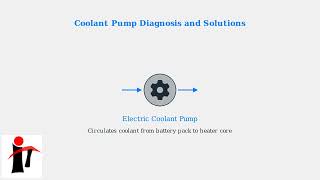
A significant recall was issued for certain 2021-2022 Model S and Model X vehicles related to the new heat pump system. A software error could cause an electronic expansion valve to remain open, trapping refrigerant and leading to a loss of cabin heat in very cold temperatures. This was deemed a safety risk because it could significantly reduce the windshield defrosting performance. 🎬 See this video for troubleshooting Tesla HVAC and heating issues. The fix for this issue was a free over-the-air (OTA) software update from Tesla. While not a failure of the radiator itself, it is a critical thermal system issue owners should be aware of.
Service Bulletin SB-25-16-004: HV Battery Umbrella Valves
Tesla issued a service bulletin for some 2021-2022 Model S and Model X vehicles to replace the high-voltage battery's 'umbrella valves'. These vents can be damaged by road debris. This procedure involves replacing the valves to ensure the battery enclosure remains properly sealed from the elements. This is not a cooling module failure but relates to the overall integrity of the systems it protects.
Buying a Used Front Cooling Module
Given the high cost of a new OEM assembly, a used module is a practical choice. However, careful inspection is essential.
1. Physical Inspection
- Check for Leaks: Look for any signs of dried coolant (a chalky blue or green residue) around hose connections, seams, and the core itself.
- Inspect the Fins: A few bent fins are normal and can be carefully straightened with a fin comb. However, large areas of crushed fins will reduce cooling efficiency. Avoid units with heavy fin damage.
- Examine the Core and Tanks: Check for any punctures in the aluminum core. Carefully inspect the plastic end tanks and all mounting tabs for cracks or damage. A cracked mounting point can make installation impossible.
- Verify It's a Complete Assembly: Ensure you are buying the complete module with the radiator, A/C condenser, fan, and shroud. Buying just one piece is not practical as they are designed as an integrated unit.
2. Mileage and Age
For this part, physical condition is more important than mileage. Most failures are due to road debris impact rather than wear and tear. A higher-mileage part from a car with no front-end damage is likely fine. The main risk with age is the plastic end tanks becoming brittle, but this is less of a concern on these relatively new vehicles.
3. Compatibility is Key
As mentioned, the Plaid and Long Range (AWD) models use different cooling modules. Do not buy a used part without first confirming the OEM part number matches what is required for your vehicle. Using a Long Range module on a Plaid will result in inadequate cooling and performance throttling.
Replacement Overview & Costs

Replacing the front cooling module on a 2021-2025 Model S or Model X is a complex job that is not recommended for most DIY mechanics.
Professional Installation Recommended
The process involves several steps that require special tools and knowledge:
- A/C System Evacuation: A certified technician must use a special machine to safely recover the R1234yf refrigerant from the A/C system before disconnection.
- Coolant Drain: The vehicle's battery and drivetrain cooling loop must be drained. Tesla has a specific procedure using Service Mode to activate pumps and open valves.
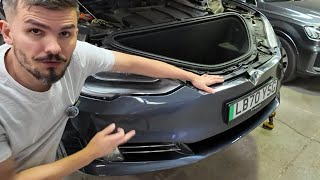
- Disassembly: The front bumper cover (fascia) 🎬 Watch: Step-by-step guide to removing the front bumper cover. and various underbody shields and brackets must be removed to access the module.
- Installation and Reassembly: The new module is installed, and all components are reconnected.
- Coolant Vacuum Fill: This is the most critical step. The cooling system must be placed under a vacuum to remove all air before filling with new coolant. Air pockets in the battery coolant loop can cause overheating and lead to catastrophic battery failure.
- A/C System Recharge: The A/C system must be recharged with the precise amount of refrigerant and oil.
Cost Comparison
Pricing can vary based on your location and the specific part required. Aftermarket versions of this complete, model-specific module are generally not available; listings for 'aftermarket radiators' are often for older models or are not the correct assembly.
| Part Type | Estimated Cost |
|---|---|
| New OEM (from Tesla) | $1,200 - $2,000+ |
| New Aftermarket | Not Generally Available |
| Used OEM | $700 - $1,300 |
| Shop Labor | $600 - $1,000+ |
Note: Labor costs are highly variable and depend on the need to perform a full coolant drain/fill and A/C service. A simple diagnosis and replacement was quoted at around $1,000 by one owner at a Tesla Service Center.
Frequently Asked Questions (FAQ)
Can I drive my Tesla with a coolant leak?
It is not recommended. While the car may be drivable for a short distance, a low coolant level can lead to overheating of the battery and drive units, causing the car to enter a reduced power mode or shut down completely. More importantly, continuing to drive with a leak risks severe and extremely expensive damage to the high-voltage battery.
What kind of coolant do these vehicles use?
Tesla uses a specific ethylene glycol-based coolant, often blue G-48 type. It is critical to use only the Tesla-specified coolant. Using the wrong type can cause corrosion or damage seals within the complex thermal management system.
Is the heat pump recall related to the radiator?
Indirectly. The recall (NHTSA 22V-050) was for a software problem in the heat pump system, which is part of the vehicle's overall thermal management network that the radiator also serves. The radiator exchanges heat with the outside air, while the heat pump moves heat around the system. The recall did not involve replacing the radiator assembly.
Why is a special coolant filling procedure necessary?
The cooling passages inside the high-voltage battery are complex. A simple 'pour and fill' method will trap air bubbles. These air pockets prevent coolant from reaching certain battery cells, causing them to overheat, degrade faster, and potentially fail. The vacuum-fill procedure ensures the entire system, including the battery, is completely full of coolant with no air.
Helpful Videos
Technical Specifications
OEM Part Numbers: 1478201-00-B 147820100B 1589350-00-B 158935000B 1619166-00-A
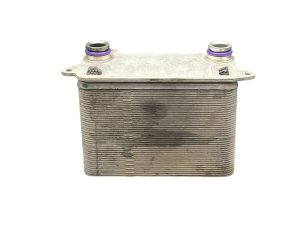
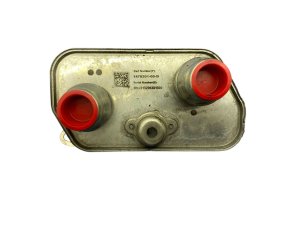
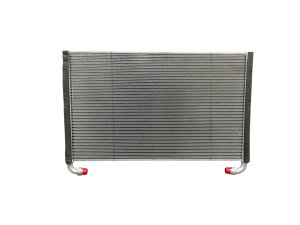
Assembly includes radiator (battery/drivetrain heat exchanger), A/C condenser, cooling fan, and shroud. Uses Tesla G-48 or equivalent blue ethylene-glycol coolant.
We Have This Part in Stock

The information in this article is provided for general reference and educational purposes only. Vehicle specifications, procedures, and part compatibility can vary by production date, trim level, and region. Always consult your vehicle's factory service manual and verify part numbers before purchasing or performing repairs. Safety-critical components such as airbags, seat belts, and braking systems should be installed by a qualified professional.
- Tesla Model S:
- Tesla Model X:
- 🎬 Helpful Videos
- 🛍️ Shop This Part
- Understanding the Front Cooling Module in Your 2021-2025 Tesla
- Variant Differences: Plaid vs. Long Range (AWD)
- Symptoms of a Failing Front Cooling Module
- 1. Coolant Leaks & Low Coolant Warnings
- 2. Vehicle Overheating or Reduced Performance
- 3. Cooling Fan Noise or Failure
- 4. Air Conditioning Not Blowing Cold
- Known Issues, Recalls, and Service Bulletins
- NHTSA Recall 22V-050: Heat Pump and Defrosting Issue
- Service Bulletin SB-25-16-004: HV Battery Umbrella Valves
- Buying a Used Front Cooling Module
- 1. Physical Inspection
- 2. Mileage and Age
- 3. Compatibility is Key
- Replacement Overview & Costs
- Professional Installation Recommended
- Cost Comparison
- Frequently Asked Questions (FAQ)
- 🎟️ Get 5% Off