

2014-2025 Corolla, Prius, C-HR & More: Radiator Leak & Overheating Guide
This guide covers common radiator problems, part number variations, and replacement costs for popular Toyota and Lexus models sharing the same platform.
- Engine and drivetrain variations are critical; you must get the correct radiator for your specific model (e.g., 1.8L Hybrid vs. 2.0L Gas).
- Symptoms of failure include overheating, visible coolant leaks (sweet-smelling pink or green fluid), and consistently low coolant levels.
- When replacing, it is essential to properly bleed all air from the cooling system using a no-spill funnel to prevent future overheating issues.
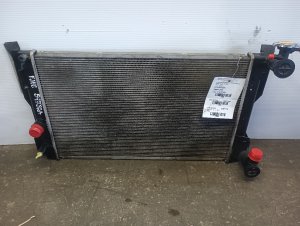
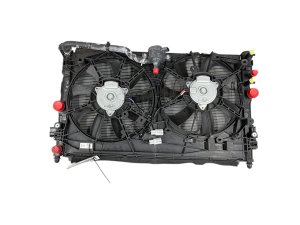
- When buying a used radiator, carefully inspect the fins for damage, the plastic tanks for cracks, and the hose connections for any signs of wear or old leaks.
Symptoms of a Failing Radiator
A radiator problem can quickly lead to serious engine damage. Recognizing the early warning signs is crucial. Look for these common symptoms if you suspect your radiator is failing.
1. Engine Overheating
This is the most obvious sign of a cooling system problem. If you see the temperature gauge on your dashboard climbing into the red zone, it's a clear indication that the radiator is not effectively cooling the engine. You might also notice steam or smoke coming from under the hood. Continuing to drive an overheating vehicle can cause severe and expensive engine damage.
2. Visible Coolant Leaks
If you find puddles of brightly colored fluid under your parked car, you likely have a coolant leak. Coolant is typically bright green, pink, or orange and has a distinct sweet, syrupy smell. Leaks can come from the radiator itself (cracked plastic tanks or corroded aluminum core), the connecting hoses, or the water pump.
3. Low or Discolored Coolant
Regularly check your coolant level in the overflow reservoir. If it's consistently low, you have a leak somewhere in the system. The coolant should be a vibrant color. If it appears rusty, brown, or oily, it indicates internal corrosion or contamination in the radiator, which can lead to clogs and reduced cooling efficiency.
Vehicle-Specific Issues, TSBs, and Recalls
While the basic radiator design is shared, some models have specific known issues within their cooling systems.
Toyota Prius & Prius Prime (2016-2019)
- TSB T-SB-0135-19: Some vehicles may experience low coolant levels, poor heater performance, or a check engine light with code P148F00. This can be caused by a coolant leak from the front exhaust pipe heat exchanger. The fix involves replacing the front exhaust pipe assembly with an improved part.
Various Toyota Models (2018-2021) including Corolla, RAV4, Camry
- Customer Support Program 24TE04: This program addresses a leaking engine coolant bypass valve (flow shut-off valve). Symptoms include a coolant smell, visible leaks of pinkish-red fluid, and an "Engine Maintenance Required" message with codes P268111 or P268115. 🎬 See this video for diagnosing these specific coolant leak codes. The plastic housing on the original valve is prone to cracking. Toyota has extended warranty coverage for this specific part, and dealers will replace it with an updated version. This affects the 🎬 Watch: How to get a free coolant bypass valve repair. 2020-2021 Corolla, among many other models.
General Engine Recall (Affecting some 2020 models)
- Recall 20V-064: A small number of vehicles were produced with engines that had a manufacturing defect, leading to potential cracks in the engine block. This could cause an internal or external coolant leak, leading to overheating or even a fire risk from leaking oil. Owners of affected vehicles were notified to have the issue addressed at a dealership.
Variant & Part Number Differences
It is critical to select the correct radiator for your specific vehicle and engine combination. Using the wrong one can lead to improper fitment, leaks, and overheating. Always verify compatibility using your vehicle's VIN.
| Engine / Drivetrain | Common Vehicles | Known OEM Part Numbers |
|---|---|---|
| 1.8L Hybrid (2ZR-FXE) | Corolla Hybrid, Prius, Prius Prime, Prius AWD-e, Corolla Cross Hybrid, Lexus UX250h | 16400-37311 (replaces 16400-37310) |
| 2.0L Gas (M20A-FKS) | Corolla (non-hybrid), Corolla Cross (non-hybrid), C-HR, Lexus UX200 | 16400-F2081 (replaces 16400-F2080) |
| 1.8L Gas (2ZR-FAE) | Corolla (non-hybrid, primarily 2014-2019) | Check with dealer; multiple numbers used across years. |
Warning: The initial data provided included many part numbers. Through verification, the most common and current super-ceded numbers for the main engine variants are listed above. Always confirm the exact part number for your specific VIN with a dealer or trusted parts supplier before purchasing.
Buying a Used Radiator: What to Inspect
A used OEM radiator can be a cost-effective alternative to a new part, but careful inspection is key. A recycled OEM part often provides better fit and durability than a cheap aftermarket alternative. Here’s what to look for:
- Check the Fins (Cooling Cores): The thin aluminum fins should be straight and evenly spaced. Bent or damaged fins restrict airflow and reduce cooling efficiency. Avoid any radiator with significant fin damage.
- Inspect Plastic End Tanks: Look for any hairline cracks, especially around the hose connections and mounting points. The plastic can become brittle with age and heat cycles.
- Look for Signs of Leaks: Check for white or greenish crusty residue, which indicates a past or present leak. Stripped paint can also be a sign that coolant has been leaking and sitting on the surface.
- Examine Hose Connections: The inlet and outlet necks should be perfectly round and free of cracks or crumbling plastic. A damaged connection will not seal properly with the radiator hose.
- Check the Interior: Look inside the inlet/outlet ports. If you see a thick, brownish sludge, it means the previous owner likely neglected coolant changes, and the radiator may have internal corrosion or blockages.
- Mileage and Age: While radiators don't have a fixed lifespan, repeated heating and cooling cycles eventually cause wear. A part from a lower-mileage, newer vehicle is generally a safer bet.
Cost Breakdown
The cost to replace a radiator varies by vehicle model and whether you do the work yourself or use a professional shop.
| Part / Service | Estimated Cost | Notes |
|---|---|---|
| New OEM Radiator | $230 - $525 | Prices vary by model. For example, a Prius radiator part is often more expensive than a Corolla's. |
| New Aftermarket Radiator | $75 - $200 | Fit and quality can be inconsistent compared to OEM. |
| Used OEM Radiator | $50 - $150 | A good value, but requires careful inspection before purchase. |
| Shop Labor | $300 - $630 | Labor costs can range from 2-4 hours. Hybrid models may be more complex. |
| Total Professional Replacement (New OEM) | $800 - $1,500+ | RepairPal estimates for a Corolla are generally $806-$949, while a Prius can be $1,333-$1,511. |
Installation Tips and Special Procedures
Replacing a radiator is a manageable DIY job for those with some mechanical experience. The most critical part of the process is properly bleeding the air out of the cooling system after installation.
Pro Tip: While the radiator is out, it's a good time to inspect or replace related components like the radiator hoses, thermostat, and water pump, as they are much easier to access.
Bleeding the Cooling System
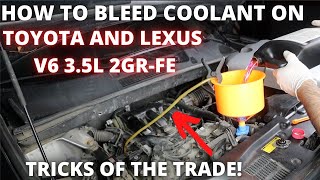
Air trapped in the cooling system can cause overheating, gurgling noises from the dashboard, and poor heater performance. The proper procedure involves using a no-spill funnel kit that attaches directly to the radiator neck.
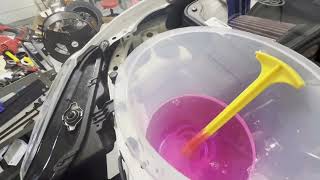
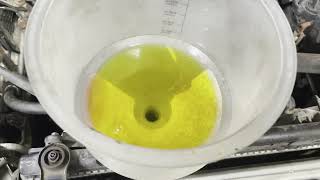
🎬 Watch: A step-by-step guide to bleeding your Toyota's cooling system.- Attach the no-spill funnel to the radiator and fill it about one-third of the way with the correct Toyota Super Long Life Coolant (pink).
- Start the engine and let it warm up. For hybrid models, you may need to put the vehicle in "Maintenance Mode" to keep the gasoline engine running.
- Turn the cabin heater on to its highest temperature setting with the fan on low. This ensures coolant circulates through the heater core.
- As the engine warms up, you will see air bubbles coming up through the funnel. Continue to let the engine run until the bubbles stop and the cooling fans cycle on and off at least twice.
- Rev the engine gently to around 2,000-2,500 RPM for short periods to help push stubborn air pockets out of the system.
- Once the bubbling stops, shut off the engine, let it cool, and then remove the funnel and replace the radiator cap. Top off the coolant reservoir to the "Full" line.
Frequently Asked Questions (FAQ)
Can I use a universal or cheap aftermarket radiator?
While less expensive, aftermarket radiators can have issues with fitment, requiring modification to install. They may also use lower-quality materials, leading to a shorter lifespan compared to a genuine OEM part. A used OEM radiator is often a better choice for guaranteed fit and quality.
What kind of coolant should I use?
These vehicles require Toyota Super Long Life Coolant, which is pink in color. Using the wrong type of coolant can lead to corrosion and damage to cooling system components. Do not mix different types of coolant.
Is it safe to use a "stop-leak" product for a small radiator leak?
It is strongly advised not to use stop-leak additives. While they might offer a temporary fix, these products can clog the small passages in the radiator, heater core, and engine, leading to much more severe overheating problems and costly repairs down the road.
Do I need any special tools for the replacement?
Basic hand tools (sockets, wrenches, pliers) are sufficient for the radiator replacement itself. However, a no-spill coolant funnel kit is highly recommended for properly bleeding the system, and a torque wrench is good for ensuring bolts are tightened to specification.
Helpful Videos


Technical Specifications
OEM Part Numbers: 16400-37311 16400-37310 16400-F2081 16400-F2080 16400-24320 16363-47060 16400-0T600 16400-24390 16400-F2060 16400-F2180 164000T350 164000T390 1640024320 1640024340 1640024380 1640024390 1640037311
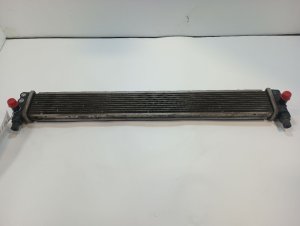
Core Material: Aluminum, Tank Material: Plastic. Coolant Type: Toyota Super Long Life Coolant (Pink).
We Have This Part in Stock
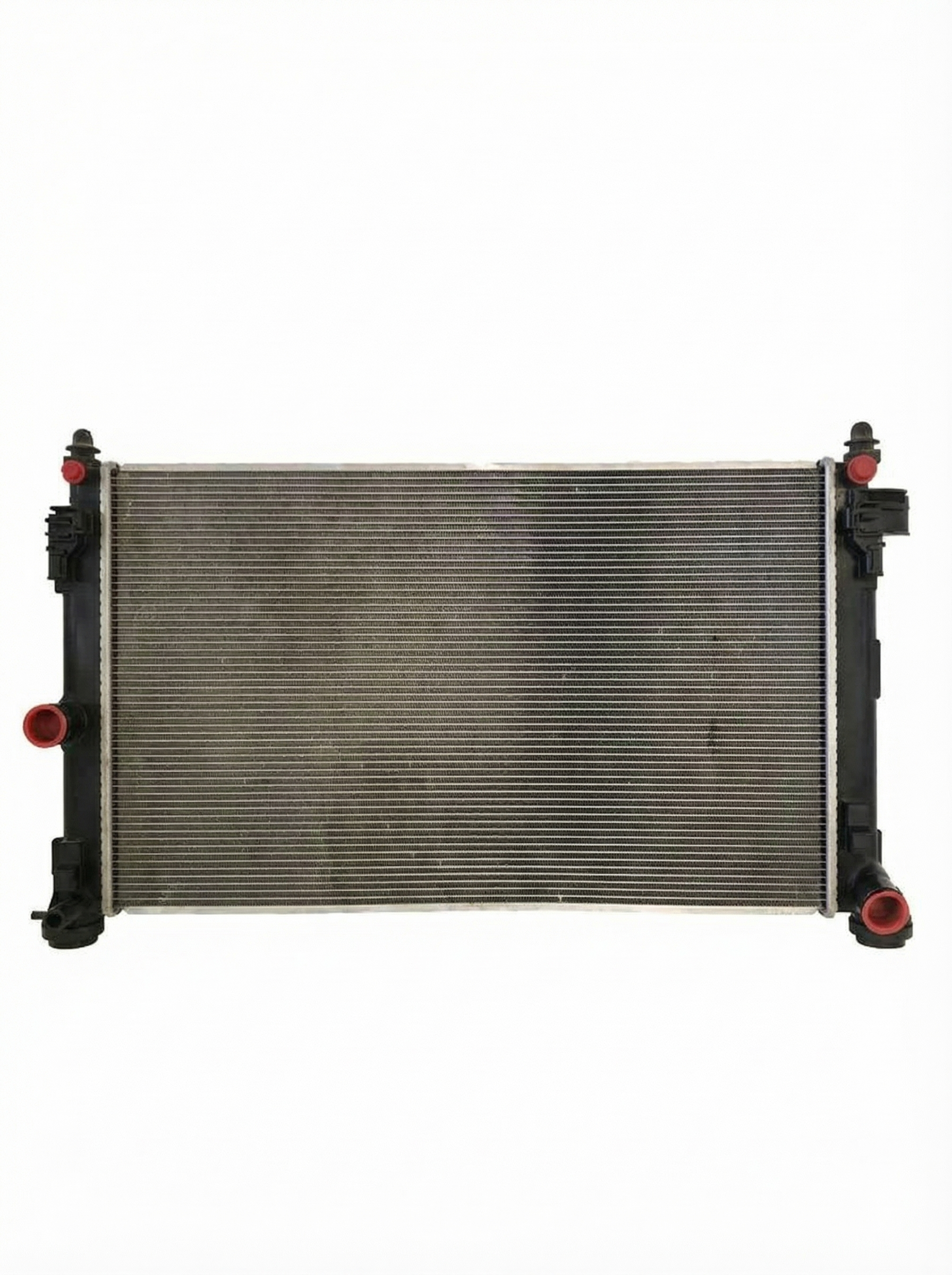
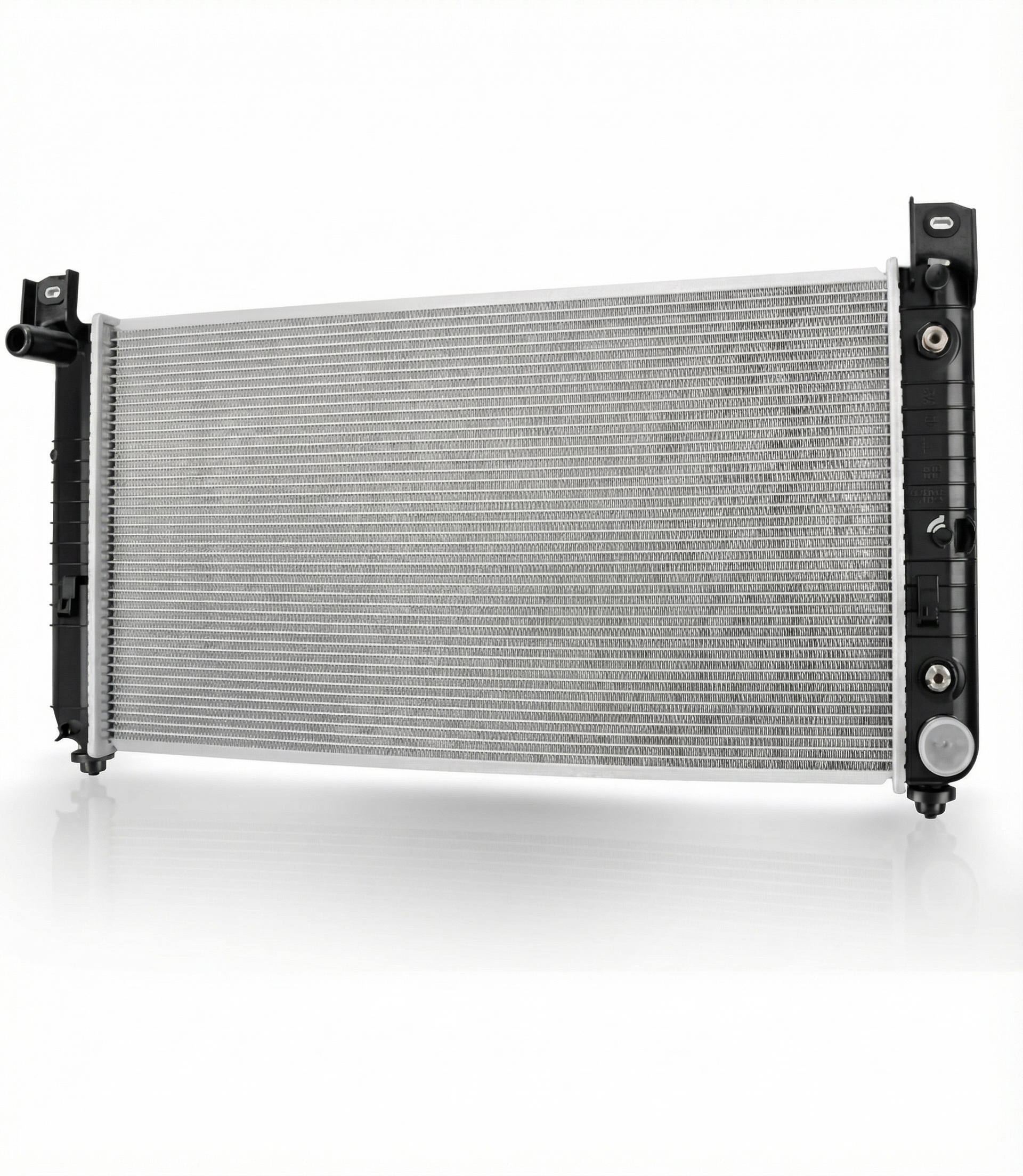

The information in this article is provided for general reference and educational purposes only. Vehicle specifications, procedures, and part compatibility can vary by production date, trim level, and region. Always consult your vehicle's factory service manual and verify part numbers before purchasing or performing repairs. Safety-critical components such as airbags, seat belts, and braking systems should be installed by a qualified professional.
- Toyota Corolla:
- Toyota Prius:
- Toyota Corolla Cross:
- Toyota Prius Prime:
- Lexus UX200:
- Lexus UX250h:
- Toyota C-HR:
- 🎬 Helpful Videos
- 🛍️ Shop This Part
- Symptoms of a Failing Radiator
- 1. Engine Overheating
- 2. Visible Coolant Leaks
- 3. Low or Discolored Coolant
- Vehicle-Specific Issues, TSBs, and Recalls
- Toyota Prius & Prius Prime (2016-2019)
- Various Toyota Models (2018-2021) including Corolla, RAV4, Camry
- General Engine Recall (Affecting some 2020 models)
- Variant & Part Number Differences
- Buying a Used Radiator: What to Inspect
- Cost Breakdown
- Installation Tips and Special Procedures
- Bleeding the Cooling System
- Frequently Asked Questions (FAQ)
- 🎟️ Get 5% Off