

2004-2009 Toyota Prius Radiator: Leaks, Overheating, and Replacement Guide
This guide covers common failure symptoms, replacement costs, and crucial installation tips for the engine radiator in the second-generation Toyota Prius.
- The 2004-2009 Prius has two separate cooling systems (engine and inverter); ensure you are servicing the correct one.
- Properly bleeding air from the cooling system after replacement is critical and complex; failure to do so will cause overheating.
- Symptoms of failure include overheating, visible pink coolant leaks, and a rusty or sludgy appearance in the coolant reservoir.
- A quality used OEM radiator is often a better choice than a cheap new aftermarket part due to superior fit and material durability.
Symptoms of a Failing Radiator
A failing radiator can cause significant engine problems. It's important to recognize the warning signs early. Here are the most common symptoms for a 2004-2009 Toyota Prius:
- Engine Overheating: The most obvious sign is the engine temperature gauge on your dashboard rising into the red zone. An overheating engine can lead to severe and expensive damage if not addressed immediately.
- Coolant Leaks: Finding puddles of brightly colored fluid (pink, green, or yellow) under the front of your car is a clear sign of a leak. This could be from the radiator itself, a cracked hose, or a loose connection.
- Low Coolant Levels: You may notice the coolant level in the overflow reservoir is consistently low, requiring frequent top-offs. This often points to a slow, hard-to-see leak.
- Visible Sludge or Discolored Coolant: The coolant should be a bright pink color (Toyota Super Long Life Coolant). If you look in the reservoir and the coolant appears rusty, brown, or oily, it indicates internal corrosion or contamination in the cooling system, which can clog the radiator.
- Sweet Smell: Leaking coolant can produce a distinct sweet smell when the engine is hot. If you notice this odor inside or outside the car, it's a sign of a coolant leak.
- Damaged Fins: The thin metal fins on the radiator can get bent or clogged with debris, which reduces airflow and cooling efficiency.
Known Issues, Recalls, and TSBs
While the engine radiator itself has not been the subject of a major recall for the 2004-2009 Prius, the cooling system as a whole has had some notable issues:
- Inverter Water Pump Failure: This is a very common issue. Toyota issued recalls and limited service campaigns for the electric water pump that cools the hybrid inverter system (separate from the engine). Failure of this pump will illuminate warning lights but is not directly related to the engine radiator.
- Coolant Heat Storage Water Pump (TSB T-SB-0087-08): Some 2004-2008 models may exhibit a "squeak" noise from the coolant heat storage water pump during startup or shutdown in cold weather. This is a noise issue and not a sign of radiator failure.
- Coolant Control Valve (Code P1121): A faulty three-way coolant control valve can cause the Check Engine Light to come on with code P1121. This valve directs coolant flow and its failure can mimic overheating symptoms.
No widespread recalls have been issued by the NHTSA specifically for the engine radiator on the 2004-2009 Toyota Prius.
Pro Tip: The 2004-2009 Prius has two separate cooling systems: one for the gasoline engine and one for the hybrid inverter. This guide focuses on the main engine radiator. Make sure you are diagnosing the correct system.
Buying a Used 2004-2009 Prius Radiator: An Insider's Guide
A used OEM radiator can be a smart buy, offering factory quality and fit at a fraction of the price of a new dealer part. However, you need to inspect it carefully.
What to Physically Inspect:
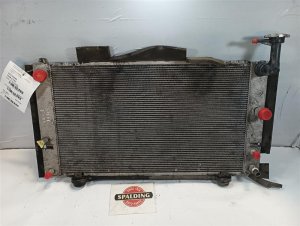
- Check the Plastic End Tanks: These are the black plastic sections on the top/bottom or sides. Look for any hairline cracks, especially around the hose connections and mounting points. Discoloration (turning brownish or chalky) indicates the plastic is old and brittle.
- Examine the Fins: A few bent fins are normal and can be carefully straightened with a fin comb. However, large areas of crushed or corroded fins will reduce cooling performance. Avoid radiators with widespread fin damage.
- Look for Leaks: Check for white or greenish-colored crusty residue, which indicates a past coolant leak. Pay close attention to the seams where the aluminum core meets the plastic end tanks.
- Inspect the Core: Look down through the fins. The core should be clean and free of blockages. If it's full of dirt, leaves, or oily grime, it suggests the previous vehicle was poorly maintained.
- Verify Part Numbers: Ensure the part number on the radiator matches the required OEM numbers for your vehicle, such as 16041-21281, which supersedes 16041-21280.
Mileage and Age Considerations:
Radiators are wear items. The constant heating and cooling cycles eventually cause the plastic tanks and seals to degrade. While a low-mileage part is ideal, condition is more important than mileage alone. A radiator from a 100,000-mile car that looks clean and solid is a better bet than one from a 50,000-mile car that shows signs of cracking or leaks. Generally, avoid radiators from vehicles with over 150,000 miles unless the condition is exceptional.
Cost Comparison
Prices can vary, but here is a general cost breakdown for a 2004-2009 Prius radiator:
| Part Type | Estimated Price Range |
|---|---|
| New OEM (Dealer) | $215 - $310 |
| New Aftermarket | $55 - $180 |
| Used OEM | $75 - $200 |
| Shop Labor Cost | $464 - $680 |
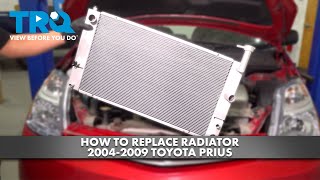
Note: Total replacement costs at a repair shop can range from $967 to $1,274, including parts and labor. 🎬 Watch: Step-by-step guide to replacing your Prius radiator
Related Parts to Replace with the Radiator
When you replace the radiator, it's a good idea to replace other cooling system components at the same time, especially if they are old. This saves you from having to drain the system again for a future repair.
- Radiator Hoses: The upper and lower radiator hoses can become brittle or soft over time. Replace them to prevent a future failure.
- Thermostat: This part controls coolant flow. If it gets stuck, it can cause overheating. It's an inexpensive part that is wise to replace. 🎬 Watch this video for a quick thermostat replacement walkthrough
- Radiator Cap: The cap holds pressure in the system. A weak cap can cause coolant to boil over.
- Coolant: Always refill the system with new Toyota Super Long Life Coolant (pink). Do not reuse old coolant.
Warning: The coolant bleeding procedure for a Prius is more complex than for a standard car. Air trapped in the system can cause overheating and damage to the engine or hybrid components. Follow the service manual procedure carefully or have it done by a technician familiar with hybrids.
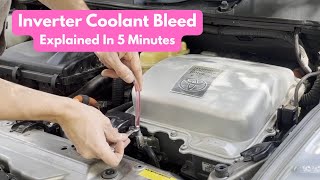
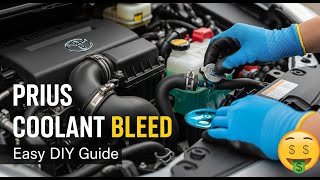
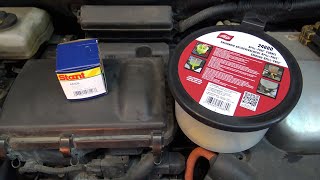
🎬 See how to properly bleed the engine cooling systemFrequently Asked Questions (FAQ)
Can I drive my Prius with a leaking radiator?
No. Driving with a significant coolant leak will cause the engine to overheat, which can lead to catastrophic engine damage, such as a blown head gasket. It is not safe for the vehicle. If it's a very minor leak, you might be able to drive a short distance to a repair shop, but you must keep a close eye on the temperature gauge and coolant level.
What type of coolant does a 2004-2009 Prius use?
The specified coolant is Toyota Super Long Life Coolant, which is pink. It is pre-mixed 50/50 and should not be diluted. Using the wrong type of coolant can cause corrosion and damage to the cooling system components.
Why is bleeding the air from the cooling system so important on a Prius?
The Gen 2 Prius has a complex cooling system with multiple components, including a coolant heat storage tank. Air pockets can easily get trapped in these areas after a coolant drain and refill. Trapped air prevents proper coolant circulation, leading to hot spots and overheating, even with a new radiator. Special procedures, sometimes involving jumping a relay to run an electric pump, are required to properly "burp" the system.
Is a new aftermarket radiator better than a used OEM one?
Not always. While a used OEM radiator has age, it was built to Toyota's high standards for fit and material quality. Many cheap aftermarket radiators may not fit perfectly, can have less efficient cores, and may use lower-quality plastic that becomes brittle sooner. A well-inspected used OEM part is often a more reliable and cost-effective choice than the cheapest new aftermarket options.
Helpful Videos
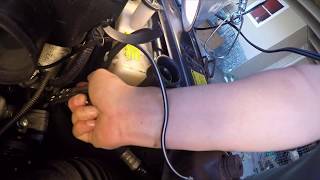
Technical Specifications
OEM Part Numbers: 16041-21281 16041-21280
Core Material: Aluminum; Tank Material: Plastic; Flow Type: Crossflow. The correct coolant is Toyota Super Long Life Coolant (Pink).
We Have This Part in Stock

The information in this article is provided for general reference and educational purposes only. Vehicle specifications, procedures, and part compatibility can vary by production date, trim level, and region. Always consult your vehicle's factory service manual and verify part numbers before purchasing or performing repairs. Safety-critical components such as airbags, seat belts, and braking systems should be installed by a qualified professional.
- Toyota Prius:
- 🎬 Helpful Videos
- 🛍️ Shop This Part
- Symptoms of a Failing Radiator
- Known Issues, Recalls, and TSBs
- Buying a Used 2004-2009 Prius Radiator: An Insider's Guide
- What to Physically Inspect:
- Mileage and Age Considerations:
- Cost Comparison
- Related Parts to Replace with the Radiator
- Frequently Asked Questions (FAQ)
- 🎟️ Get 5% Off