

2012-2016 Toyota Prius V Radiator: Leaks, Overheating, and the 2016 Part Change
This guide covers common radiator failure symptoms, explains a critical part change for 2016 models, and details what to look for when buying a used replacement.
- The most common failure signs are overheating, visible pink coolant leaks, and a constantly low coolant level.
- For 2016 models, you MUST verify your vehicle's production date (before or after April 30, 2016) to get the correct radiator part number.
- Always use Toyota's pink Super Long Life Coolant or a compatible pink HOAT coolant to avoid system damage.
- When buying a used radiator, check for cracked plastic tanks, corrosion at the seams, and signs of stop-leak additives.
Symptoms of a Failing Radiator
A failing radiator on a Prius V can lead to serious engine and hybrid system damage if ignored. Here are the most common signs that your radiator may need attention.
Engine Overheating
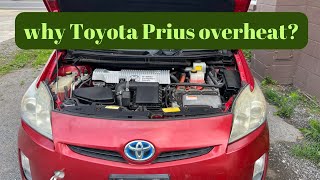
The most critical symptom is an overheating engine. You may see a high-temperature warning light on your dashboard. On a Prius, this is a serious warning, as the vehicle may enter a reduced-power "limp mode" to protect itself. 🎬 See why these hybrid systems overheat and common design issues. Continuing to drive an overheating car can lead to catastrophic engine damage.
Visible Coolant Leaks
Puddles of pink or red fluid under the front of your car are a clear sign of a coolant leak. The leak might come from the radiator itself, often at the seams where the plastic end tanks meet the aluminum core, or from one of the connecting hoses. You might also smell a sweet, syrupy odor after the car has been running, which is the smell of burning coolant.
Low Coolant Level
If you frequently need to top off the coolant in the reservoir, you likely have a leak somewhere in the system. Even a slow leak can eventually lead to overheating. The Prius V has two separate cooling systems (one for the engine, one for the inverter), each with its own reservoir. Be sure to check both.
Steam from Engine Bay
If you see steam coming from under the hood, it's a sign that coolant is leaking onto hot engine components and boiling off. Pull over immediately and let the engine cool down before inspecting further.
Warning: Never open the radiator or coolant reservoir cap when the engine is hot. The system is under pressure and can spray scalding hot coolant, causing severe burns.
Known Issues, TSBs, and Recalls
While there are no direct recalls for the radiator itself, several issues with the Prius V's cooling and hybrid systems are relevant.
2016 Model Production Date Split
For 2016 Toyota Prius V models, there is a specific compatibility warning. The radiator part number changes for vehicles with a production date after April 30, 2016. It is crucial to verify your vehicle's production date, typically found on a sticker in the driver's side door jamb, before ordering a replacement radiator. Using the wrong part can lead to fitment issues.
- Vehicles up to 04/30/2016: Use part numbers like 16400-37230.
- Vehicles after 04/30/2016: Use part numbers like 16400-37260.
Hybrid System Inverter Recall
Multiple recalls (like NHTSA campaign 20V369000) were issued for the hybrid inverter on 2012-2017 Prius V models. The issue involved excessive voltage that could cause the inverter to overheat and shut down the hybrid system, leading to a stall. While not a direct radiator failure, this highlights the importance of the cooling system in protecting the inverter. A failing radiator could put extra stress on this already sensitive component.
Exhaust Heat Recovery System
Some Prius models experienced issues with the exhaust heat recovery system, which uses engine coolant to help the engine warm up faster. A TSB for later model Prius (T-SB-0135-19) points to potential coolant leaks from the front exhaust pipe heat exchanger, causing low coolant levels and poor heater performance. While this TSB doesn't specifically cover the 2012-2016 Prius V, similar symptoms of unexplained coolant loss could be related.
Buying a Used Radiator: What to Look For
A used OEM radiator can be a cost-effective and reliable alternative to expensive new parts, provided you inspect it carefully.
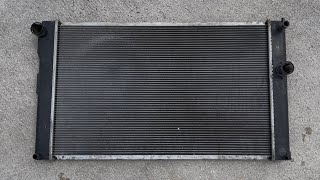
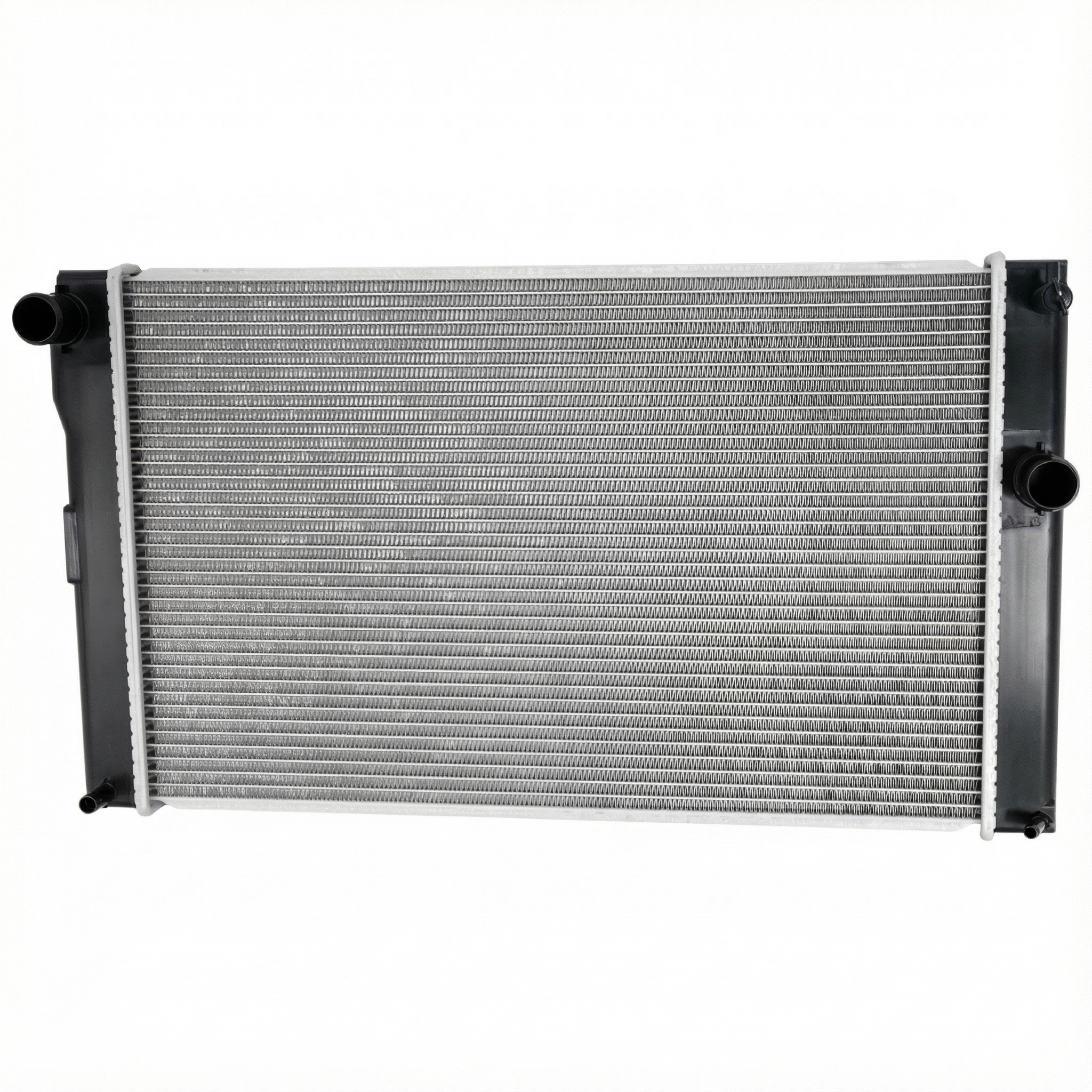
- Check the Fins: Inspect the aluminum fins in the core. A few bent fins are cosmetic and acceptable, but large areas of crushed or flattened fins will reduce cooling efficiency.
- Inspect Plastic End Tanks: Look for any signs of hairline cracks, discoloration (especially a chalky or faded appearance), or brittleness in the black plastic tanks on the sides or top/bottom. This is a common failure point.
- Look for Corrosion: Check the seams where the aluminum core crimps onto the plastic tanks. Any white, crusty residue is a sign of a past or current slow leak.
- Examine Hose Connections: Ensure the inlet and outlet ports are not cracked, warped, or damaged.
- Check for Stop-Leak Residue: Look inside the inlet/outlet for any thick, gummy, or powdery residue. This indicates the previous owner used a stop-leak additive, which is often a temporary fix for a larger problem and can clog other parts of your cooling system. Avoid radiators that show signs of stop-leak use.
- Verify Part Numbers: Double-check that the part number matches your vehicle's requirements, paying close attention to the 2016 production date split.
Pro Tip: When replacing the radiator, it's a good idea to also replace the radiator cap, thermostat, and upper and lower radiator hoses. These are relatively inexpensive parts that can fail with age and cause cooling system problems.
Cost to Replace a 2012-2016 Toyota Prius V Radiator
The cost can vary significantly based on the parts you choose and whether you perform the labor yourself.
| Part/Service | Estimated Cost |
|---|---|
| New OEM Radiator | $220 - $325 |
| New Aftermarket Radiator | $100 - $175 |
| Used OEM Radiator | $55 - $125 |
| Shop Labor | $366 - $537 |
| Total Professional Replacement (New OEM) | $1,245 - $1,416 |
Frequently Asked Questions (FAQ)
What type of coolant should I use in my Prius V?
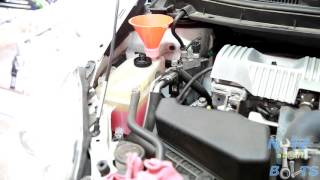
You must use Toyota Super Long Life Coolant (SLLC), which is a pre-diluted pink fluid. Alternatively, you can use a high-quality Asian vehicle coolant that is pink/red and specified as a non-silicate, non-amine, non-nitrite, and non-borate formula with 🎬 Watch how to properly drain and refill your engine coolant. Hybrid Organic Acid Technology (HOAT). Do not mix with other color coolants or use "universal" types, as this can cause damage to the cooling system.
Is it difficult to replace the radiator on a Prius V myself?
For a DIY mechanic with some experience, it is a manageable job. However, the Prius V cooling system is more complex than a traditional car's. It requires a specific and careful bleeding procedure to remove all air pockets, especially from the inverter cooling loop. Failure to bleed the system properly can lead to overheating. The job typically takes 2-3 hours.
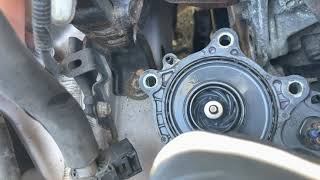
🎬 Watch this step-by-step guide on removing the Prius V radiator.Can I drive my Prius V with a leaking radiator?
It is not recommended. A small leak can quickly become a large one, leading to rapid coolant loss and severe engine overheating. If the temperature warning light comes on, you should pull over as soon as it is safe to do so and have the vehicle towed to prevent expensive damage to the engine or hybrid system.
Does a bad radiator affect the heater?
Yes. The vehicle's heater uses hot coolant from the engine to warm the cabin. A low coolant level caused by a radiator leak can introduce air into the system, preventing hot coolant from reaching the heater core and resulting in little to no heat.
Helpful Videos
Technical Specifications
OEM Part Numbers: 1640037230 1640037260
Core Material: Aluminum; Tank Material: Plastic; Coolant Type: Toyota Super Long Life Coolant (Pink HOAT)
We Have This Part in Stock

The information in this article is provided for general reference and educational purposes only. Vehicle specifications, procedures, and part compatibility can vary by production date, trim level, and region. Always consult your vehicle's factory service manual and verify part numbers before purchasing or performing repairs. Safety-critical components such as airbags, seat belts, and braking systems should be installed by a qualified professional.
- Toyota Prius V:
- 🎬 Helpful Videos
- 🛍️ Shop This Part
- Symptoms of a Failing Radiator
- Engine Overheating
- Visible Coolant Leaks
- Low Coolant Level
- Steam from Engine Bay
- Known Issues, TSBs, and Recalls
- 2016 Model Production Date Split
- Hybrid System Inverter Recall
- Exhaust Heat Recovery System
- Buying a Used Radiator: What to Look For
- Cost to Replace a 2012-2016 Toyota Prius V Radiator
- Frequently Asked Questions (FAQ)
- 🎟️ Get 5% Off