

2006-2011 Buick Lucerne Rear Door Glass: A Guide to Tempered vs. Laminated Options
This guide explains the crucial differences between the standard and optional acoustic glass offered on the Lucerne, ensuring you buy the correct replacement part.
- The most critical step is to verify if your Lucerne has standard tempered glass or optional laminated acoustic glass by checking the markings on the window.
- Most window operational issues like noise or failure to move are caused by the window regulator, not the glass itself.
- There are no recalls or major TSBs for the rear door glass; failures are due to impact or wear on related parts.
- A used OEM glass is often the best value, ensuring a perfect match for factory tint and fit compared to some aftermarket options.
Laminated vs. Tempered Glass: The Critical Difference
The single most important factor when replacing a rear door window on a 2006-2011 Buick Lucerne is identifying whether your car is equipped with standard tempered glass or the optional laminated acoustic glass. These two types are not interchangeable. Installing the wrong type can lead to improper fit, wind noise, and a mismatch in appearance and performance.
Warning: You must verify which type of glass your specific vehicle uses before purchasing a replacement. A high-end CXL or Super model is more likely to have laminated glass, but it could be optioned on any trim.
How to Identify Your Glass Type
The most reliable way to identify your glass is to inspect the small black text, often called a 'bug,' printed in one of the lower corners of the window. Look for the following keywords:
- Laminated Glass: The text will often explicitly say "LAMINATED" or a brand name like "Lamisafe". It may also be designated by the Roman numeral 'II' in the stamp. 🎬 Watch: How to identify laminated glass on your car Laminated glass was marketed for its acoustic and solar-control properties.
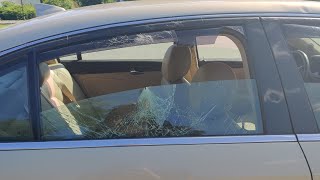
- Tempered Glass: The text will typically say "TEMPERED" or a brand name like "Temperlite". If it is broken, it will have shattered into thousands of small, pebble-like pieces.
Symptoms of Failure
The glass itself rarely 'fails' on its own. Problems are almost always caused by external impact or issues with the window regulator mechanism.
Broken or Shattered Glass
This is the most obvious symptom, typically caused by road debris, vandalism, or an accident. Tempered glass will shatter completely, leaving an open hole in the door. Laminated glass will typically crack in a spider-web pattern but remain largely in one piece, held together by its inner plastic layer.
Window Noises or Movement Issues
If your window is making grinding or clicking noises, moving slowly, tilting, or has dropped inside the door, the problem is almost always the window regulator, not the glass itself. The regulator is the mechanical track and cable system that lifts and lowers the glass. Its plastic clips and cables are common failure points. However, a failing regulator can cause the glass to become misaligned or drop suddenly, potentially causing it to break.
Buying a Used 2006-2011 Lucerne Rear Window Glass
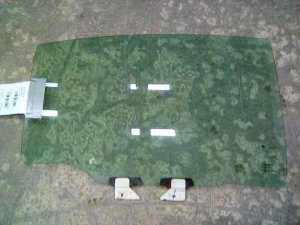
A used OEM (Original Equipment Manufacturer) window glass is an excellent choice, as it guarantees a perfect match for tint, curvature, and thickness. Aftermarket glass may not always match the factory tint precisely.
Physical Inspection Checklist
Before buying a used rear door glass, inspect it carefully:
- Verify Glass Type: First and foremost, check the printed 'bug' to confirm it is the correct laminated or tempered type for your vehicle.
- Check for Scratches and Chips: Run your hand over the entire surface and hold it up to the light. Deep scratches can't be repaired and will be visible once installed. Minor scuffs may be acceptable.
- Inspect for Delamination (Laminated Glass): Check the edges of laminated glass for any milky or foggy appearance. This indicates the layers are beginning to separate, and while it may be cosmetic, it can worsen over time.
- Examine Mounting Points: The glass attaches to the window regulator with clamps. Ensure the area where the clamps mount is free of chips or stress fractures.
Known Issues, Recalls, and Technical Service Bulletins (TSBs)
There are no specific NHTSA recalls or widespread Technical Service Bulletins (TSBs) for the rear door glass on the 2006-2011 Buick Lucerne. Failures are typically from wear, tear, and external factors. While several recalls exist for the Lucerne, they pertain to the ignition switch and heated washer fluid system, not the door glass.
Replacement Overview
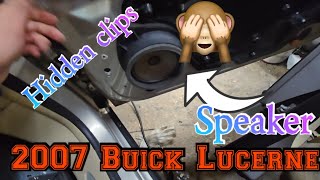
Replacing the rear door glass is a moderately difficult job that a skilled DIY mechanic can perform. The basic steps involve removing the interior door panel, 🎬 Watch: How to remove the Lucerne door panel carefully peeling back the plastic weather barrier, unbolting the glass from the window regulator, and maneuvering the old glass out and the new glass in.
🎬 See this step-by-step rear window removal video- Difficulty: 3 out of 5
- Estimated Time: 1-2 hours
- Tools Required: Trim removal tools, socket set (typically 10mm), screwdrivers.
Pro Tip: Use painter's tape to hold the window in the 'up' position while you access the bolts that clamp it to the regulator. If the window is already broken, be sure to thoroughly vacuum all glass fragments from inside the door panel to prevent future rattles.
| Part/Service | Estimated Cost |
|---|---|
| New OEM Glass | $250 - $400+ |
| New Aftermarket Glass | $70 - $130 |
| Used OEM Glass | $70 - $110 |
| Shop Labor for Installation | $125 - $225 |
Frequently Asked Questions (FAQ)
How do I know for sure if I have laminated or tempered glass?
Look for the manufacturer's stamp in the corner of the glass. It will have text that says "Laminated" or "Tempered." If you can't find it, you can also tell by the breakage pattern: tempered glass shatters into tiny pieces, while laminated glass cracks but stays in one piece.
Is the rear driver's side and passenger's side glass interchangeable?
No, they are not. Door glass is specific to each side of the vehicle due to its shape and curvature. You must purchase the correct side for your repair.
My window makes a grinding noise but isn't broken. Do I need new glass?
No, a grinding or clicking noise when operating the window is a classic symptom of a failing window regulator, not the glass. You will need to replace the regulator assembly inside the door, but you can reuse your existing glass if it is undamaged.
Why would Buick use two different types of glass on the same car?
Using laminated glass in the side windows was a premium feature offered on luxury vehicles to create a quieter ride by reducing wind and road noise. It also adds a layer of security. Offering it as an option allowed Buick to provide this luxury feature on higher trim levels while keeping the cost down on base models.
Helpful Videos

Technical Specifications
OEM Part Numbers: 15830334 20794071 25831166 15830335
Available as standard tempered safety glass or optional laminated acoustic/solar-control glass. The type must be verified by inspecting the markings on the glass itself.
We Have This Part in Stock

The information in this article is provided for general reference and educational purposes only. Vehicle specifications, procedures, and part compatibility can vary by production date, trim level, and region. Always consult your vehicle's factory service manual and verify part numbers before purchasing or performing repairs. Safety-critical components such as airbags, seat belts, and braking systems should be installed by a qualified professional.
- Buick Lucerne:
- 🎬 Helpful Videos
- 🛍️ Shop This Part
- Laminated vs. Tempered Glass: The Critical Difference
- How to Identify Your Glass Type
- Symptoms of Failure
- Broken or Shattered Glass
- Window Noises or Movement Issues
- Buying a Used 2006-2011 Lucerne Rear Window Glass
- Physical Inspection Checklist
- Known Issues, Recalls, and Technical Service Bulletins (TSBs)
- Replacement Overview
- Frequently Asked Questions (FAQ)
- 🎟️ Get 5% Off