

2007-2012 Mazda CX-7 Rear Glass: Defroster Problems and Replacement Guide
This guide clarifies the critical differences between the rear hatch glass and door glass, details common failures like defroster issues, and explains what to inspect on a used part.
- Crucially distinguish between the rear HATCH glass and the rear DOOR glass (part EG22-73-510B is for the door).
- When buying used, meticulously inspect the defroster grid and its electrical connection tabs, as this is the most common failure point besides breakage.
- Replacement is not a DIY job for most people due to the specialized tools and techniques required for cutting and bonding the glass safely.
- Faulty liftgate support struts can slam the hatch shut, posing a risk of shattering the glass. Inspect and replace them if they are weak.
Hatch Glass vs. Rear Door Glass: A Critical Distinction
When searching for a 'rear window' for a 2007-2012 Mazda CX-7, it's crucial to know which piece of glass you need. There is often confusion between the large back glass on the liftgate and the smaller windows in the rear passenger doors.
- Rear Hatch Glass (Back Glass): This is the main, large window on the rear of the vehicle. It includes the defroster grid.
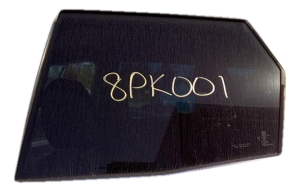
- Rear Door Glass: This is the movable window within the rear passenger door frame. The OEM part number EG22-73-510B refers specifically to the privacy-tinted version for the rear driver's side door.
Warning: Always double-check which piece of glass you are ordering. The part numbers and shapes are completely different. This guide primarily focuses on the rear hatch glass, but includes part numbers for both for clarity.
Symptoms of Failure
While sudden breakage is the most obvious failure, other issues can arise with the rear hatch glass.
1. Rear Defroster Not Working
One of the most common problems is a malfunctioning rear defroster. This can manifest in a few ways:
- Completely Inoperative: The defroster doesn't work at all. This could be caused by a blown fuse, a bad relay, a wiring issue, or a break in the main electrical connectors at the glass.
- Only Some Lines Work: If you see horizontal gaps in the cleared frost, it means specific lines in the defroster grid are broken. This is often caused by scratches from loading/unloading cargo or age.
- Intermittent Operation: The defroster works sometimes but not others, which could point to a loose connection at the glass tabs or a failing relay.
2. Spontaneous Shattering
Though not widely reported as a recall-level issue for the CX-7 specifically, spontaneous shattering is a known phenomenon for the large, tempered rear glass on many modern vehicles. This can be caused by thermal stress (such as using the defroster in extreme cold), a small, unnoticed chip or scratch near the edge of the glass, or an internal defect from manufacturing.
3. Water Leaks
The rear glass is sealed to the liftgate frame with a urethane adhesive. Over time, this seal can degrade, allowing water to leak into the liftgate or the cabin. Signs of a leak include moisture or staining on the interior headliner near the liftgate, a musty smell, or water pooling in the spare tire area.
Known Issues, TSBs, and Recalls
While there are no specific recalls for the rear glass itself on the 2007-2012 Mazda CX-7, a related recall is important to be aware of.
- Liftgate Stay Damper (Support Strut) Recall: Mazda issued recalls for liftgate supports on several models, including some CX-series vehicles, due to insufficient corrosion protection. If the supports fail, the heavy liftgate can slam shut unexpectedly. This not only poses an injury risk but can also potentially shatter the glass upon impact. While the CX-7 was not explicitly named in some of these specific liftgate stay recalls, the principle applies, and faulty liftgate struts should be replaced immediately.
- Suspension Recall: A major recall (NHTSA #16V593000) was issued for front suspension ball joints corroding and separating, which could lead to a loss of steering control. This does not directly affect the rear glass but is a critical safety issue for owners of these vehicles.
Buying a Used 2007-2012 CX-7 Rear Hatch Glass
A used OEM rear glass is an excellent value, offering the same fit and quality as a new part. However, a thorough inspection is essential before buying.
Physical Inspection Checklist:
- Check for Scratches and Chips: Carefully examine the entire surface for deep scratches that could impair vision or damage the defroster grid. Pay special attention to the black 'frit' border—chips or damage here can compromise the seal and lead to stress cracks.
- Inspect the Defroster Grid: Look closely at each horizontal line of the defroster grid. Any visible breaks or deep scratches across a line mean it will not function.
- Examine the Electrical Connectors: Check the two main electrical tabs for the defroster. Ensure they are firmly attached to the glass and that the connectors are not broken, corroded, or cut. A missing or damaged connector can be very difficult to repair.
- Verify the Tint: Ensure the glass has the correct factory tint to match the rest of your vehicle. Used OEM glass should match perfectly.
- Look for Leftover Urethane: A small, even bead of urethane left on the glass from removal is normal. However, large, messy chunks or signs of sloppy removal could indicate the glass was handled poorly.
Pro Tip: If possible, bring a multimeter set to continuity or resistance. Touch the probes to the main electrical tabs on either side of the glass. A reading indicates the grid is intact. No reading (infinite resistance) means there's a complete break somewhere in the system.
Cost Comparison
| Part Type | Estimated Cost |
|---|---|
| New OEM | $400 - $550+ |
| New Aftermarket | $270 - $400 |
| Used OEM | $80 - $150 |
| Shop Labor | $200 - $400 |
Replacement Overview
Replacing the bonded rear hatch glass is a difficult and precise job that is not recommended for beginners.
- Difficulty: 4 out of 5
- DIY Feasible: No (for most individuals)
- Key Steps: The process involves removing interior liftgate trim, carefully cutting the old urethane seal with specialized wire or blade tools, cleaning the vehicle's frame meticulously, applying a chemical primer, and using a professional-grade urethane adhesive to bond the new glass. The vehicle must then sit for several hours to allow the urethane to cure before it can be safely driven.
Warning: Improper installation can lead to severe water leaks, wind noise, and a compromised vehicle structure. The rear glass is a structural component, and an incorrect bond can be a major safety hazard in a collision. Professional installation is strongly recommended.
Frequently Asked Questions
Can I repair a broken line on my rear defroster?
Yes, for one or two broken lines, special conductive repair paint is available at auto parts stores. You carefully mask off the broken area and apply the paint to bridge the gap. However, if many lines are broken, replacing the glass is often the more effective solution.
Why did my rear window shatter for no reason?
This is often due to thermal shock or a pre-existing, unnoticed flaw. A tiny chip near the edge of the glass can concentrate stress, and a sudden temperature change (like a hot defroster on a frozen window) can cause it to expand and shatter the entire pane.
Is the rear glass for all 2007-2012 CX-7 models the same?
Yes, the rear hatch glass is the same for all trim levels and model years from 2007 to 2012. However, the rear door glass may have different tint levels (privacy vs. non-privacy).
My defroster doesn't work, but the fuse is good. What's next?
If the fuse is good, the next components to check are the defroster relay, the wiring connections to the liftgate, and the electrical tabs on the glass itself. A faulty switch on the dashboard is also a possibility, but less common.
Technical Specifications
OEM Part Numbers: EG22-73-510B (Rear Driver's Side Door Glass, Privacy Tint)
Tempered safety glass with integrated heated defroster grid.
We Have This Part in Stock

The information in this article is provided for general reference and educational purposes only. Vehicle specifications, procedures, and part compatibility can vary by production date, trim level, and region. Always consult your vehicle's factory service manual and verify part numbers before purchasing or performing repairs. Safety-critical components such as airbags, seat belts, and braking systems should be installed by a qualified professional.
- Mazda CX-7:
- 🛍️ Shop This Part
- Hatch Glass vs. Rear Door Glass: A Critical Distinction
- Symptoms of Failure
- 1. Rear Defroster Not Working
- 2. Spontaneous Shattering
- 3. Water Leaks
- Known Issues, TSBs, and Recalls
- Buying a Used 2007-2012 CX-7 Rear Hatch Glass
- Physical Inspection Checklist:
- Cost Comparison
- Replacement Overview
- Frequently Asked Questions
- 🎟️ Get 5% Off