

2010-2011 Mazda3 & MAZDASPEED3 Seat Belt Assembly: SRS Light, Recalls, and Replacement
Understanding the critical role of the seat belt pretensioner, what an SRS warning light means for your safety, and why professional installation is non-negotiable.
- PROFESSIONAL INSTALLATION IS REQUIRED: The pretensioner contains an explosive charge and is part of the SRS. Mishandling can cause injury and system failure.
- An SRS warning light means the entire airbag system is likely disabled. Do not ignore it.
- After replacement due to an accident, the SRS control module must be professionally reset to clear crash data; a standard scanner won't work.
- A separate recall (NHTSA 17V082000) exists for the driver's seat lifter link, which can cause the seat to become unstable. Verify this has been addressed on your vehicle.
Symptoms of a Failing Seat Belt Assembly
A problem with the seat belt assembly is a major safety concern. Look for these specific signs:
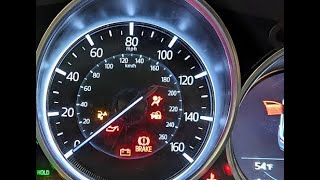
- SRS Warning Light: The most common symptom is an illuminated airbag or SRS warning light on your dashboard. The system performs a self-check, and if it detects a fault in the seat belt pretensioner's electrical circuit, it will trigger the light.
- Locked Belt: The belt may be completely locked and will not extend. This is normal after an accident where the pretensioner has fired, but it can also indicate a mechanical failure within the retractor.
- Slow or Failed Retraction: When you unbuckle, the belt should retract smoothly and completely. If it retracts slowly, gets stuck, or hangs loosely, the retractor mechanism may be worn out or dirty.
- Visible Damage: Check the webbing for any fraying, cuts, or sun damage. A physically compromised belt can snap under the force of a collision.
Warning: If the SRS warning light is on, the entire airbag system may be disabled by the control module. This means that in the event of a crash, your airbags and seat belt pretensioners may not deploy at all. Do not ignore this warning light.
Known Issues, Recalls, and Technical Service Bulletins (TSBs)
While there are no specific recalls for the seat belt assembly itself on these vehicles, there is a significant safety recall concerning the driver's seat structure that all owners should be aware of.
Safety Recall 0917B / NHTSA 17V082000: Driver's Seat Lifter Link
This recall affects 2010-2011 Mazda3 and MAZDASPEED3 models equipped with a manual seat lifter. The issue is that the seat height adjustment lifter link can crack or the retaining nuts can separate from the seat frame. This can cause an abnormal rattling noise and, in the worst case, cause the seat to suddenly incline or become unstable. An unstable seat prevents the driver from maintaining a proper driving position, increasing the risk of a crash.
The dealer remedy involves inspecting the lifter links. If they are not damaged, reinforcement brackets are installed. If cracks are found, the entire seat adjuster unit is replaced, free of charge. Contact a Mazda dealer with your VIN to see if this recall applies to your vehicle and has been completed.
Buying a Used Seat Belt Assembly
For a safety-critical part, buying used requires careful inspection. A good, non-deployed OEM used part is a viable alternative to an expensive new one, but you must verify its condition.
- NEVER Buy a Deployed Part: A seat belt assembly from a vehicle that was in a collision will have a fired pretensioner. It is locked and useless. Ask the seller to confirm the vehicle was not in an accident.
- Inspect the Webbing: The belt material should be clean, free of cuts, tears, fraying, or chemical stains. Pull the belt out fully to inspect its entire length.
- Check the Retractor: Tug on the belt sharply to ensure the locking mechanism engages. Then, allow it to retract; it should pull back smoothly and completely.
- Examine the Electrical Connector: The plastic connector and wiring for the pretensioner should be intact with no cracks, corrosion, or cut wires.
- Verify Part Numbers: Ensure the part number matches your vehicle's requirements. The primary OEM part number for this assembly is BBY4-57-L30A-01.
Pro Tip: Many sellers on platforms like eBay will explicitly state if a part is from a non-wrecked vehicle. Always choose a reputable seller with good reviews who can guarantee the part's history.
Replacement and System Reset
PROFESSIONAL INSTALLATION IS REQUIRED. The seat belt pretensioner is a pyrotechnic (explosive) device. Mishandling can cause it to deploy unexpectedly, leading to serious injury. Federal and state laws may also impose liability for the improper installation of SRS components. Do not attempt this repair yourself unless you are a trained professional.
Replacement Overview
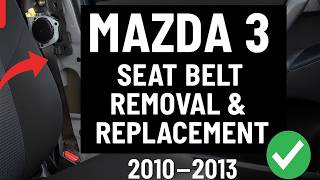
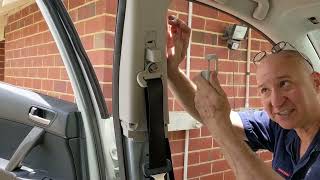
🎬 Watch this step-by-step walkthrough of the seat belt removal and replacement.A technician will follow these general steps:
- Disconnect the Battery: The negative battery terminal is disconnected, and the system is left for at least 15-30 minutes to discharge any residual power from the SRS capacitors. This is a critical safety step.
- Remove Interior Trim: The plastic trim panels covering the B-pillar are carefully removed to access the assembly.
- Unbolt the Assembly: The upper and lower mounting bolts (typically 14mm) and the main retractor unit bolt (10mm) are removed.
- Disconnect Electrical Connector: The pretensioner's electrical plug is carefully disconnected.
- Install New Assembly: The new unit is bolted in, with all bolts torqued to manufacturer specifications, and the electrical connector is secured.
SRS Module Reset
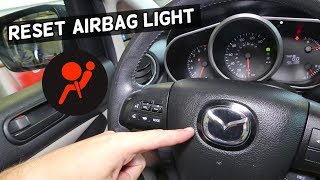
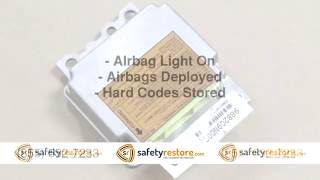
After a pretensioner is fired in an accident, the SRS control module stores permanent 'crash data'. Simply replacing the seat belt assembly will NOT turn off the SRS light. The module itself must be reset. A standard OBD-II scanner cannot do this. 🎬 See how to clear airbag codes using a specialized OBD2 scanner. You have two options:
- Dealer/Specialist Service: A Mazda dealer or a specialized repair shop can use advanced diagnostic tools to reset the module.
- Mail-In Service: Several companies offer a service where you mail them your SRS module, they reset it to factory condition, and mail it back. This is often more affordable than a dealer replacement.
Cost Comparison
Prices can vary by location and supplier, but here is a general estimate for a single front seat belt assembly:
| Part Type | Estimated Cost |
|---|---|
| New OEM (Dealer/Online) | $280 - $525 |
| Used OEM (Salvage/eBay) | $50 - $120 |
| Remanufactured / Repaired | $65 - $100 |
| New Aftermarket | Not Recommended / Unavailable |
| Shop Labor (Installation) | $100 - $200 |
| SRS Module Reset (Mail-in) | 🎬 Learn how mail-in services reset crash data on your SRS module.$50 - $100 |
Frequently Asked Questions (FAQ)
Can I install a used seat belt myself to save money?
No. This is strongly discouraged due to the extreme safety risks. The pretensioner contains an explosive charge that can cause serious injury if handled improperly. Furthermore, incorrect installation can cause the entire SRS system to fail during a collision. Legal liability for failed safety systems is also a significant concern. Always have SRS components installed by a qualified professional.
The SRS light is on, but my seat belt works fine. Can I ignore it?
No. An active SRS light almost always means the entire supplemental restraint system, including all airbags and pretensioners, is disabled. While the mechanical latching function of your seat belt may work, the critical pretensioner and airbags will likely not deploy in an accident, drastically increasing your risk of injury.
Why is my seat belt locked after a minor accident?
The SRS system is very sensitive. Even a minor impact can be enough for the SRS module to trigger the seat belt pretensioners. Once the pyrotechnic charge is fired, the belt is permanently locked and the entire assembly must be replaced. The SRS control module will also need to be reset.
What's the difference between the seat belt assembly and the seat lifter recall?
They are two separate issues related to the driver's seat. The seat belt assembly is the restraint system itself (webbing, retractor, pretensioner). The seat lifter recall (NHTSA 17V082000) is for the mechanical structure underneath the seat that controls its height adjustment. A faulty lifter link can make the seat wobbly or unstable, but it does not directly involve the seat belt's function. However, both are critical safety issues that should be addressed.
Helpful Videos
Technical Specifications
OEM Part Numbers: BBY4-57-L30A-01 BBY457L30A01 BBY4-57-L30-01 BBY4-57-L30-31 BBY4-57-L30A-31
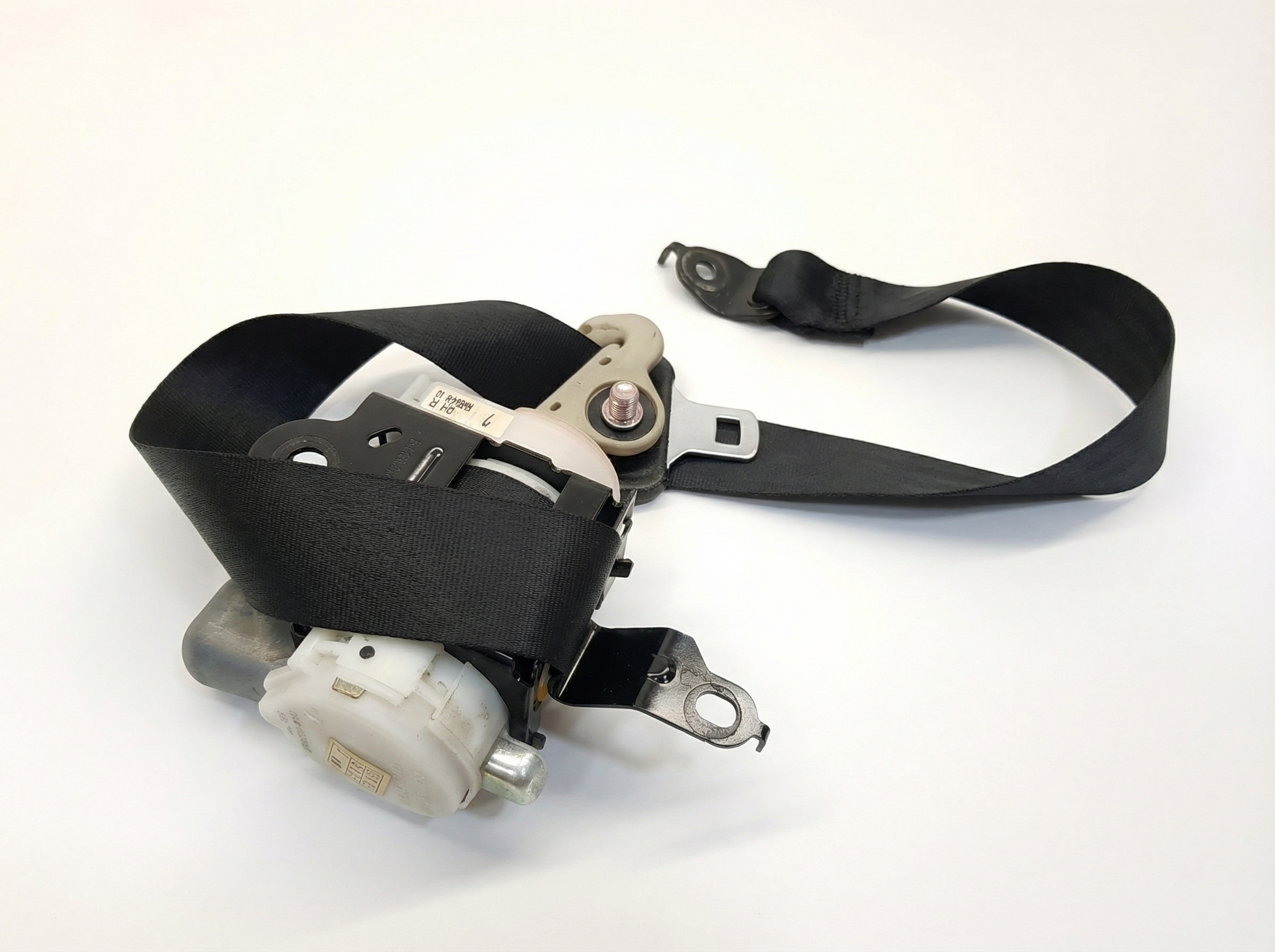
Contains one pyrotechnic pretensioner with an electrical connector integrated into the Supplemental Restraint System (SRS).
We Have This Part in Stock

The information in this article is provided for general reference and educational purposes only. Vehicle specifications, procedures, and part compatibility can vary by production date, trim level, and region. Always consult your vehicle's factory service manual and verify part numbers before purchasing or performing repairs. Safety-critical components such as airbags, seat belts, and braking systems should be installed by a qualified professional.
- Mazda MAZDA3:
- Mazda MAZDASPEED3:
- 🎬 Helpful Videos
- 🛍️ Shop This Part
- Symptoms of a Failing Seat Belt Assembly
- Known Issues, Recalls, and Technical Service Bulletins (TSBs)
- Safety Recall 0917B / NHTSA 17V082000: Driver's Seat Lifter Link
- Buying a Used Seat Belt Assembly
- Replacement and System Reset
- Replacement Overview
- SRS Module Reset
- Cost Comparison
- Frequently Asked Questions (FAQ)
- 🎟️ Get 5% Off