

2001-2003 Toyota Prius Seat Belt Assembly: SRS Light, Locked Belts, and Replacement
This guide covers the common failures of the first-generation Prius seat belt assembly, including SRS warning light triggers, locked retractors, and critical safety information for replacement.
- This is a critical SRS component; professional installation and system reset are mandatory for safety.
- An illuminated SRS light means your airbags and seat belt pretensioners are likely disabled and will not deploy in a crash.
- If a seat belt is locked, the pretensioner has likely fired. The assembly must be replaced or rebuilt, and the SRS module must be reset.
- When buying used, you must verify the part is from a collision-free vehicle and thoroughly inspect the webbing and retractor mechanism.
Critical Safety Warning: Professional Installation is Required
Warning: The seat belt assembly is an explosive component of your vehicle's Supplemental Restraint System (SRS). It contains a pyrotechnic pretensioner that can cause serious injury if handled improperly. Replacement must be performed by a qualified professional technician. After replacement, the SRS control module must be professionally reset to clear crash data and ensure the entire safety system is functional. Attempting to self-install or bypass any part of the SRS system is extremely dangerous, may be illegal, and can lead to catastrophic failure of the safety system in an accident.
Symptoms of a Failing Seat Belt Assembly
A faulty seat belt assembly compromises your vehicle's most important safety feature. Here are the most common signs of failure.
1. SRS Warning Light is On
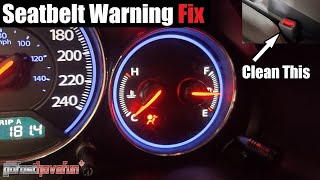
The most urgent symptom is an illuminated SRS warning light on your dashboard. This indicates that the vehicle's computer has detected a fault in the safety system. 🎬 Watch: How to diagnose and fix an SRS warning light. Common causes include a deployed pretensioner after an accident or an internal electrical fault in the seat belt assembly. When the SRS light is on, the entire airbag and pretensioner system may be disabled, meaning it will not protect you in a crash.
2. Seat Belt is Locked or Will Not Pull Out
If the seat belt is completely locked and will not extend, it's often because the pretensioner has been activated in a minor collision, even one that didn't deploy the airbags. Once the pretensioner fires, the seat belt assembly is permanently locked and must be replaced or professionally rebuilt.
3. Slow, Incomplete, or No Retraction
When you unbuckle, the belt should retract smoothly and completely into the pillar. If the belt retracts very slowly, gets stuck, or hangs loosely, the retractor mechanism is failing. This can be caused by dirt and grime, but often indicates worn internal springs or components.
🎬 See how to troubleshoot and unlock a stuck seatbelt retractor.4. Frayed, Cut, or Damaged Webbing
Visually inspect the entire length of the belt for cuts, fraying, burn marks, or stiff, faded sections. Damaged webbing is significantly weaker and may not restrain you properly in a collision. Any visible damage means the assembly should be replaced immediately.
5. Buckle Fails to Latch or Release
The buckle mechanism can wear out or get jammed with debris, preventing it from latching securely or releasing when the button is pressed. You should hear a distinct "click" when fastening the belt, and it should not come loose when pulled on firmly.
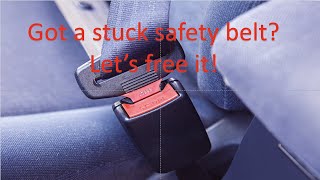
🎬 Watch: Simple steps to free and fix a jammed buckle.Known Issues, Recalls, and Technical Service Bulletins (TSBs)
As of early 2026, there are no specific recalls or Technical Service Bulletins (TSBs) issued by Toyota or the National Highway Traffic Safety Administration (NHTSA) for the seat belt assemblies on 2001-2003 Toyota Prius models in the North American market. Any failures are typically due to age, wear, or activation during a collision.
Pro Tip: After any accident, no matter how minor, you must have the entire seat belt system professionally inspected. The pretensioners can deploy even without the airbags, rendering the seat belts useless for a future crash.
Buying a Used Seat Belt Assembly: What to Look For
A high-quality, inspected used OEM seat belt assembly from a non-wrecked vehicle can be a safe and cost-effective alternative to an expensive new part. However, careful inspection is critical to ensure safety.
Inspection Checklist:
- Confirm No Pretensioner Deployment: This is the most important check. A deployed pretensioner means the unit is scrap. Ask the seller to guarantee the part is from a collision-free vehicle. The belt will be permanently locked if it has been fired.
- Inspect the Webbing: Pull the belt out to its full length. Look for any signs of fraying, cuts, melted spots, chemical stains, or significant fading from the sun. Run it through your fingers to feel for inconsistencies.
- Test the Retractor: The belt should pull out smoothly and retract on its own without hesitation. Give the belt a sharp, quick tug; the locking mechanism should engage instantly and stop the belt from extending further.
- Check the Buckle and Connectors: Ensure the buckle housing isn't cracked and that the electrical connector and wiring for the pretensioner are intact and undamaged.
- Verify Compatibility: Match the part number carefully. While 73210-47030-B0 is a known part number for the front passenger side, numbers can vary by color and specific production date. Always verify compatibility with the seller using your vehicle's VIN.
Replacement Cost Comparison
Replacing a seat belt assembly involves both the part cost and the labor for installation and SRS system reset. Prices are estimates and can vary by location and supplier.
| Part or Service | Estimated Cost |
|---|---|
| New OEM Assembly | $350 - $500 |
| New Aftermarket Assembly | $150 - $250 (Quality and certification may vary) |
| Used OEM Assembly | $75 - $150 |
| Pretensioner Rebuild Service | $65 - $100 (You ship your part to be repaired) |
| Shop Labor (Installation) | $100 - $200 |
| SRS Module Reset Service | $50 - $100 (Required after pretensioner deployment) |
Frequently Asked Questions (FAQ)
Why is my SRS airbag light on after replacing the seat belt?
After a pretensioner deploys, the SRS control module stores "crash data" and triggers the warning light. Simply replacing the seat belt assembly will not turn the light off. The SRS module must be professionally reset or replaced to clear these codes and make the safety system active again.
Is it legal for me to install a used seat belt myself?
While laws vary by state, it is strongly discouraged and potentially illegal for individuals to install explosive SRS components like pretensioners. Federal law prohibits repair shops from knowingly rendering a safety system inoperative. A failed DIY installation could result in the entire SRS system not working in a crash, creating significant safety and legal liability.
Is a used seat belt assembly safe?
A used OEM seat belt can be safe ONLY if it is sourced from a vehicle that was not in an accident and it passes a thorough inspection for wear and proper function. Never install a belt that has been in a collision, as the pretensioner may have fired or the webbing may be stretched.
Can I just reset the SRS light without fixing the seat belt?
No. The SRS light indicates a real fault. Resetting the light without addressing the root cause (like a deployed pretensioner) means your safety systems will remain inactive. This is extremely dangerous and provides a false sense of security.
Helpful Videos


Technical Specifications
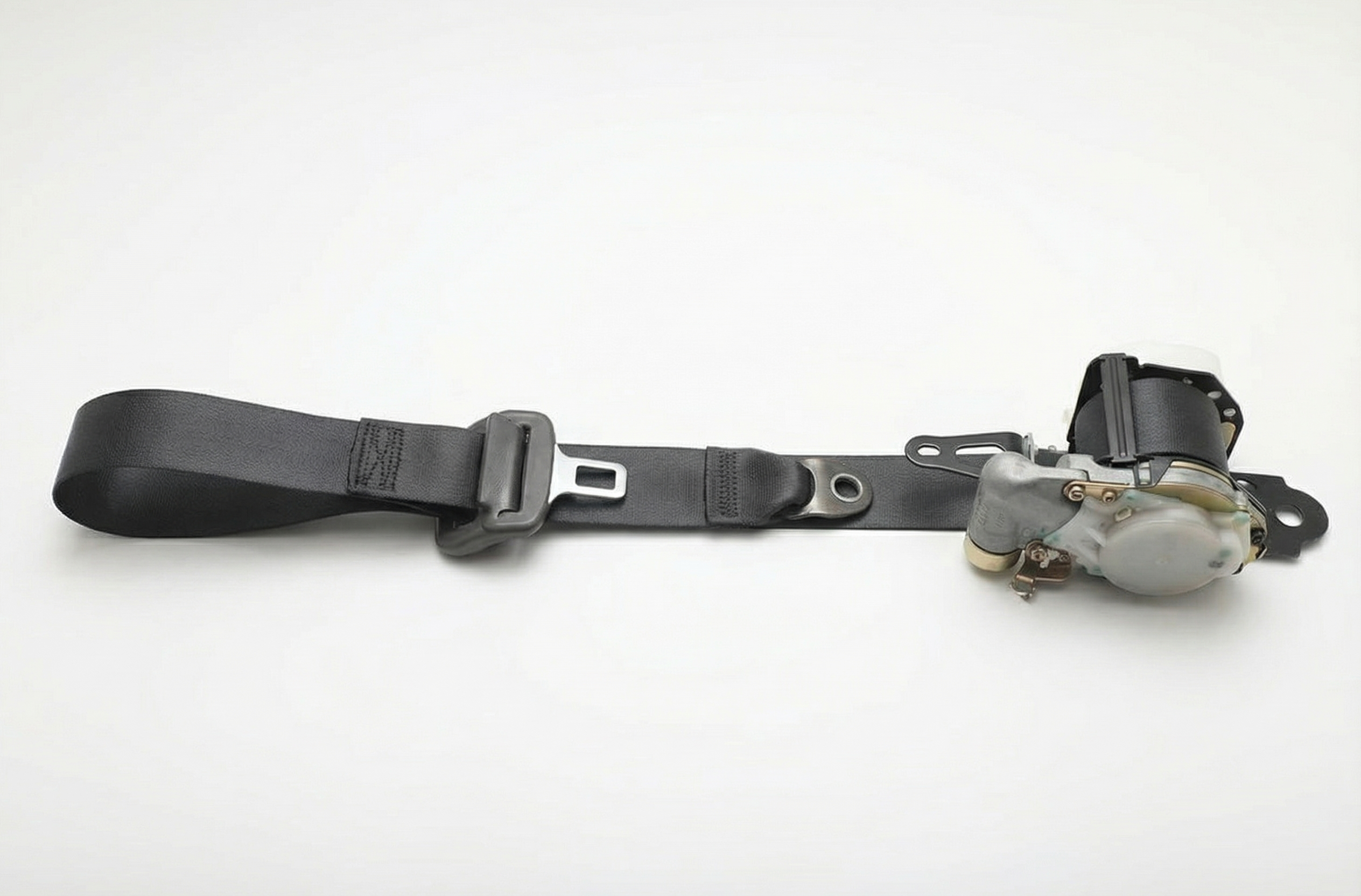
OEM Part Numbers: 7321047030B0
Contains a pyrotechnic pretensioner integrated with the vehicle's Supplemental Restraint System (SRS).
We Have This Part in Stock

The information in this article is provided for general reference and educational purposes only. Vehicle specifications, procedures, and part compatibility can vary by production date, trim level, and region. Always consult your vehicle's factory service manual and verify part numbers before purchasing or performing repairs. Safety-critical components such as airbags, seat belts, and braking systems should be installed by a qualified professional.
- Toyota Prius:
- 🎬 Helpful Videos
- 🛍️ Shop This Part
- Critical Safety Warning: Professional Installation is Required
- Symptoms of a Failing Seat Belt Assembly
- 1. SRS Warning Light is On
- 2. Seat Belt is Locked or Will Not Pull Out
- 3. Slow, Incomplete, or No Retraction
- 4. Frayed, Cut, or Damaged Webbing
- 5. Buckle Fails to Latch or Release
- Known Issues, Recalls, and Technical Service Bulletins (TSBs)
- Buying a Used Seat Belt Assembly: What to Look For
- Inspection Checklist:
- Replacement Cost Comparison
- Frequently Asked Questions (FAQ)
- 🎟️ Get 5% Off