

Toyota Prius, Camry, Corolla Seat Belt Assembly: SRS Lights, Recalls & Replacement Guide (2012-2025)
An in-depth look at common seat belt problems, SRS warning light diagnosis, and critical compatibility checks for a wide range of Toyota models.
- This is a safety-critical part that requires professional installation and SRS system reset.
- An illuminated SRS light means your airbags and pretensioners are DISABLED and will not work in a crash.
- Compatibility is complex; you must verify VIN splits (Japan-built), Pre-Collision System options, and specific part numbers before buying.
- NEVER buy a used seat belt from a vehicle that was in an accident, as the explosive pretensioner will have been deployed.
Symptoms of a Failing Seat Belt Assembly
A faulty seat belt is a major safety risk. If you notice any of these symptoms, the assembly should be inspected and replaced immediately. Ignoring these signs can mean the difference between walking away from an accident and suffering a serious injury.
1. SRS Warning Light is On
The most serious symptom is an illuminated SRS warning light on your dashboard. This light indicates that the vehicle's computer has detected a fault somewhere in the Supplemental Restraint System. This could be a problem with an airbag, a sensor, or the seat belt pretensioner's electrical circuit. When the SRS light is on, the entire system—including all airbags and pretensioners—is disabled. It will not deploy in a crash. This is a critical failure that requires immediate professional diagnosis.
2. Slow or No Retraction
When you unbuckle, the seat belt should retract smoothly and quickly into the retractor housing. If the belt retracts very slowly, sags, or you have to feed it back in by hand, the retractor's internal spring is likely worn out or the mechanism is clogged with dirt and debris. While sometimes cleaning the belt webbing can help, a persistently slow retractor usually requires replacement.
3. Belt Won't Pull Out or Locks Unexpectedly
If you can't pull the belt out at all, or if it frequently locks up during normal use when you're not braking hard, the locking mechanism inside the retractor is likely failing. This can be caused by wear and tear or internal debris. In some cases, this can happen if the vehicle is parked on a steep incline, which can activate the gravity-based sensor in the retractor. However, if it happens on level ground, it's a sign of a defect.
4. Frayed, Cut, or Damaged Webbing
Visually inspect the entire length of the belt for any signs of fraying, cuts, or discoloration from chemical exposure. A compromised belt can snap under the immense forces of a collision. Any belt with visible damage is unsafe and must be replaced immediately.
CRITICAL SAFETY WARNING: Professional Installation is Required
Seat belt assemblies are not a DIY-friendly part. They contain a pyrotechnic (explosive) device in the pretensioner. Mishandling this component can cause it to deploy, leading to serious injury. Furthermore, improper installation can prevent the entire SRS system from working correctly in a crash. Federal regulations and state laws may also create legal liability for individuals who improperly install safety restraint systems. After replacement, the SRS control module must be professionally reset using specialized diagnostic tools to clear fault codes and ensure the system is active. A standard OBD-II code reader cannot perform this function.
Known Issues, Recalls, and Technical Service Bulletins (TSBs)
While this specific front seat belt assembly has not been the subject of a major US recall, related issues have been noted for some of the covered vehicles.
2025 Toyota Camry Hybrid: Rear Seat Belt Recall
In February 2025, Toyota issued a recall (NHTSA ID: 25V059) for approximately 41,000 vehicles, including the 2025 Camry Hybrid. The recall addresses concerns that the second-row center seat belt webbing may have been damaged during manufacturing, which could prevent it from properly restraining an occupant in a crash. Dealers will inspect and, if necessary, replace the rear center seat belt assembly free of charge.
2019 Toyota Camry: Rear Seat Belt Locking Issue (Non-US Recall)
Toyota issued recalls in Australia and New Zealand for some 2019 Camry models due to an incorrectly installed spring in the rear seat belt's webbing sensor locking mechanism. This could prevent one of the two locking functions from working as designed. While this was not a US recall, it indicates a potential manufacturing sensitivity for seat belts in this model year.
2012-2019 Toyota Prius C: Webbing Failure
Some owners have reported premature failure of the rear seat belt webbing on the Prius C, with the belt fraying completely through inside the retractor mechanism on rarely used belts.
Buying a Used Seat Belt Assembly: A Guide
For safety components, a high-quality used OEM part is often a safer and better choice than a cheap, new aftermarket part. Aftermarket parts may not meet the same stringent safety and fitment standards as the original Toyota part. Here’s what to look for when buying used.
Inspection Checklist:
- NEVER Buy From a Wrecked Vehicle: This is the most important rule. If a vehicle was in a collision severe enough to deploy the airbags, the seat belt pretensioners have also fired. A fired pretensioner is a one-time-use device and renders the seat belt assembly useless. It will be locked and will not work again.
- Inspect the Webbing: Pull the belt out to its full length. Look for any cuts, nicks, fraying, or melted spots. Run your hands along the edges. Any damage means the belt is unsafe.
- Test the Retractor: Pull the belt out smoothly and let it go. It should retract quickly and completely. If it's slow or hangs up, the retractor is worn. Give the belt a sharp, quick tug; it should immediately lock.
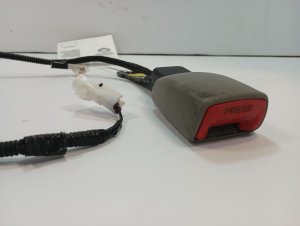
- Check the Electrical Connector: Inspect the plastic connector and wiring pigtail for any cracks, bent pins, or damage. A damaged connector will trigger the SRS light.
Compatibility: Matching the Part is Crucial
This is not a part where 'close enough' is acceptable. You must match the part number and specifications exactly. Using the wrong belt can lead to system failure.
Buyer Warnings & VIN Checks
- Toyota Camry & Corolla (Japan-Built): For 2018-2019 Camry and 2019-2025 Corolla models, some seat belts are specific to vehicles built in Japan. Verify your vehicle's VIN begins with a 'J' before ordering a part with this warning.
- Pre-Collision System (PCS): Vehicles equipped with Toyota's Pre-Collision System (also called Pre-Crash Safety) use a different seat belt assembly. These belts have an additional electric motor that can preemptively tighten the belt if the system's radar detects a potential collision. A standard belt will not work in a PCS-equipped car. Check your vehicle's features before buying.
- Prius & Prius Prime VIN Digits: For 2016-2019 Prius, verify the 7th and 8th digits of your VIN are 'FU'. For 2017-2019 Prius Prime, verify they are 'FP'. These are manufacturer-specific codes related to the vehicle's configuration, and matching them is essential for compatibility.
- Driver vs. Passenger Side: Assemblies are specific to the driver (LH) or passenger (RH) side. They are not interchangeable.
Replacement Cost Comparison
Prices can vary based on location and the specific part number required for your vehicle. Labor costs typically range from 1 to 2 hours.
| Part Source | Estimated Cost |
|---|---|
| New OEM (Dealer) | $275 - $450 |
| New Aftermarket | $150 - $250 (Use with caution) |
| Used OEM (Salvage) | $75 - $150 |
| Remanufactured (Repair Service) | $65 - $100 (To repair your existing locked belt) |
| Shop Labor Cost | $120 - $250 |
Frequently Asked Questions (FAQ)
Can I install a seat belt assembly myself to save money?
No. This is strongly discouraged for safety and legal reasons. The assembly contains an explosive charge (pretensioner). Accidental deployment can cause serious injury. Furthermore, the entire SRS system, including airbags, will be disabled until the system's computer is professionally reset. An error in installation could mean the belt and airbags fail to work in a crash.
What does the SRS light on my dashboard mean?
It means the Supplemental Restraint System has detected a fault and has shut itself down as a precaution. Your airbags and seat belt pretensioners WILL NOT deploy in an accident while this light is on. The cause could be a faulty seat belt, airbag, clock spring, or sensor. A professional scan tool is needed to read the specific SRS trouble codes and diagnose the problem.
Is a used seat belt from a junkyard safe?
It can be, but only if it comes from a vehicle that was NOT involved in a collision and you perform a thorough inspection. The pretensioner must not have been fired. Inspect the webbing for any damage and test the retractor mechanism. A properly vetted used OEM part is often a better choice than a new, non-certified aftermarket part.
How do I know if my Toyota has the Pre-Collision System (PCS)?
You can check your vehicle's original window sticker or owner's manual. Visually, cars with PCS often have a large, flat Toyota emblem on the grille (which houses the radar sensor) and may have a 'PCS' warning light or related buttons on the dashboard or steering wheel. These systems require a specific, more complex seat belt assembly.
Technical Specifications
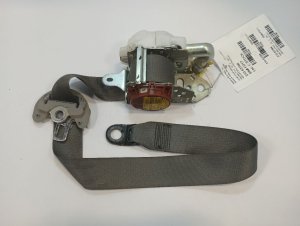
OEM Part Numbers: 73210-47230-B0 73210-47230-B1 73210-47271-C2 73210-47272-C5 7321033730C1 7321047230B0 7321047270C2 7321047272C2 7321047272C5 7321047273C5 7321052820B0 7321052821B0 7321052822B0 7321052823B0 7321052823C0
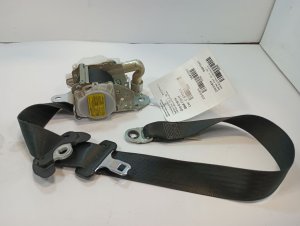
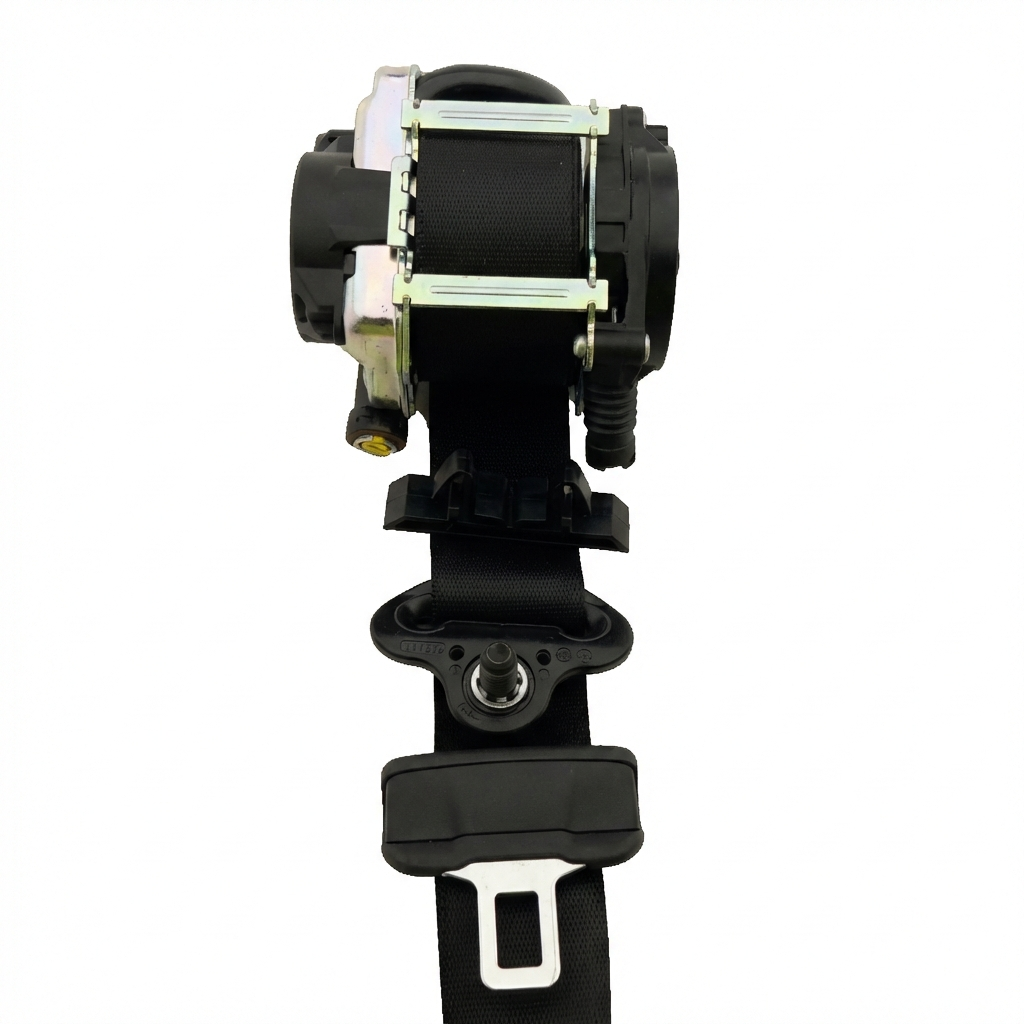
Contains a pyrotechnic seat belt pretensioner. May also contain an electric motor for Pre-Collision System functionality on equipped models.
We Have This Part in Stock

The information in this article is provided for general reference and educational purposes only. Vehicle specifications, procedures, and part compatibility can vary by production date, trim level, and region. Always consult your vehicle's factory service manual and verify part numbers before purchasing or performing repairs. Safety-critical components such as airbags, seat belts, and braking systems should be installed by a qualified professional.
- Toyota Prius:
- Toyota Prius Plug-in:
- Toyota Prius Prime:
- Toyota Camry:
- Toyota Corolla:
- Toyota GR Corolla:
- Toyota Prius C:
- 🛍️ Shop This Part
- Symptoms of a Failing Seat Belt Assembly
- 1. SRS Warning Light is On
- 2. Slow or No Retraction
- 3. Belt Won't Pull Out or Locks Unexpectedly
- 4. Frayed, Cut, or Damaged Webbing
- Known Issues, Recalls, and Technical Service Bulletins (TSBs)
- 2025 Toyota Camry Hybrid: Rear Seat Belt Recall
- 2019 Toyota Camry: Rear Seat Belt Locking Issue (Non-US Recall)
- 2012-2019 Toyota Prius C: Webbing Failure
- Buying a Used Seat Belt Assembly: A Guide
- Inspection Checklist:
- Compatibility: Matching the Part is Crucial
- Replacement Cost Comparison
- Frequently Asked Questions (FAQ)
- 🎟️ Get 5% Off