

Audi A6, A7, S6, S7 & RS7 Massage Seat Switch (2012-2018): Diagnosis and Replacement
This guide covers the common failure symptoms, replacement costs, and what to look for when buying a used OEM massage seat switch for C7-platform Audi models.
- This switch is ONLY for 2012-2018 Audi models equipped with the optional front massage seats.
- Failure symptoms include an inoperative massage function or programs that immediately turn off.
- Before replacing the switch, check for simple issues like loose wiring under the seat or a blown fuse.
- Replacement is a simple DIY job that involves prying off the side seat trim; no programming is required.
Symptoms of a Failing Massage Seat Switch
When the massage seat switch fails, the symptoms are usually direct and easy to diagnose. Since it's a primary input device, you'll notice the problem right away.
- Massage Function Inoperative: The most common symptom is the complete inability to activate the massage function. Pressing the button does nothing, and no corresponding menu appears on the MMI (Multi Media Interface) screen.
- Function Immediately Turns Off: In some cases, you may be able to select a massage function, but it immediately turns itself off. This can indicate a fault within the switch or a problem in the wider seat system that the switch is correctly detecting.
- Intermittent Operation: The switch may work some of the time but not others. This can be caused by worn internal contacts or a loose electrical connection at the switch itself.
- Physical Damage: The button may be physically broken, stuck, or have a mushy, unresponsive feel, indicating mechanical failure.
Pro Tip: Before blaming the switch, check other possibilities. A forum user noted that a fault in the pneumatic system, such as the relay that regulates air pressure, can cause the entire system to become inoperative. Another common issue is a loose wiring harness connector under the seat, which can get kicked or dislodged. Always check 🎬 Watch: Troubleshooting common Audi power seat electrical issues these simple things first.
Known Issues, TSBs, and Recalls
While there are no specific recalls for the massage seat switch itself, the C7 platform Audis have had several seat-related service actions.
Passenger Occupant Detection System (PODS) Recall
A major safety recall (NHTSA Campaign Number 18V378000) affects nearly 140,000 of these vehicles, including the 2012-2018 A6/A7, 2013-2018 S6/S7, and 2014-2018 RS7. The issue involves a faulty sensor mat in the passenger seat that can fail to detect a passenger, potentially preventing the airbag from deploying in a crash. This is unrelated to the massage switch but is a critical safety repair that should be performed by a dealer. You can check your vehicle's status on the NHTSA website.
Seat Control Module Software TSBs
Audi has issued Technical Service Bulletins (TSBs) for the seat control modules. One TSB notes that voltage fluctuations can cause the seat adjustment module software to fail. Another TSB for later models addresses seats moving to incorrect positions, which is fixed with a software update. While not directly about the massage switch, these bulletins highlight the complexity of the seat electronics. Sometimes, what appears to be a switch failure can be a software glitch in the control module.
Buying a Used Massage Seat Switch
A used OEM switch is an excellent, cost-effective alternative to a new dealer part. Since this is a relatively simple electronic component, a tested, used part offers the same functionality at a much lower price.
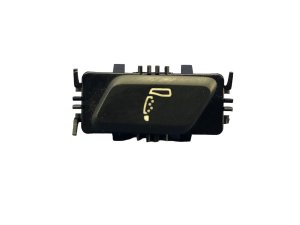
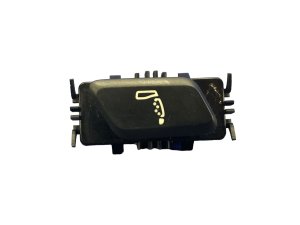
- Verify Compatibility: This is the most critical step. These switches are only for vehicles with the massage seat option. Ensure the part numbers match. The known OEM part numbers are 4H0959917 and 4H0959917A. Always confirm the part number on your original switch before purchasing.
- Physical Inspection: When buying in person or looking at photos, check for common signs of wear. Ensure the button graphics are not worn off and the plastic isn't cracked or deeply scratched. Check that the electrical connector pins are straight and free of corrosion.
- Why Used OEM is Better: For electronic components like this, a genuine used Audi part is often more reliable than a new, non-OEM aftermarket part. Aftermarket switches may not have the same tactile feel, precise fit, or long-term durability as an OEM component.
- Mileage vs. Condition: For a switch, physical condition is more important than the mileage of the donor vehicle. A switch from a low-mileage car that shows heavy wear is a worse choice than one from a high-mileage car that looks pristine.
Cost Comparison
Prices can vary, but here is a general breakdown of what to expect.
| Part Type | Estimated Cost |
|---|---|
| New OEM | $450 - $500 |
| New Aftermarket | Not commonly available |
| Used OEM | $50 - $150 |
| Shop Labor | $70 - $110 |
Note: The price for a new OEM part is often for the entire switch bank assembly, not just the single massage button. Labor costs are for replacing the switch only and do not include diagnostic time.
Replacement Guide
Replacing the massage seat switch is a manageable DIY task for someone with basic tools. The difficulty is low, but it requires care to avoid damaging trim panels.
- Disconnect the Battery: Before working on any vehicle electronics, disconnect the negative battery terminal to prevent short circuits.
- Remove the Side Seat Trim: The switch is located in the plastic trim panel on the side of the seat. This panel is typically held on by clips and possibly a few screws. Use a plastic trim removal tool to gently pry the panel away from the seat frame.
- Disconnect the Switch: Once the panel is loose, you can access the back of the switch. Depress the tab on the electrical connector and pull it off the switch.
- Remove the Old Switch: The switch is usually held into the trim panel with plastic clips. Carefully release these clips and push the old switch out from the front of the panel.
- Install the New Switch: Snap the new switch into the trim panel, ensuring it is secure. Reconnect the electrical harness.
- Test and Reassemble: Reconnect the vehicle's battery and test the switch to ensure the massage function works correctly. If it does, snap the side trim panel back into place.
Frequently Asked Questions (FAQ)
Is the massage seat switch the same as the lumbar support switch?
No. While the massage function uses the same pneumatic system as the lumbar support, they are controlled by different buttons. A failure in the massage switch will typically not affect the standard lumbar adjustment. However, a forum user reported that a dealer mentioned a single relay controls both, so a system fault could disable both.
My massage function isn't working. Is it definitely the switch?
Not necessarily. The problem could also be a blown fuse, a loose wire under the seat, a faulty seat control module, or an issue with the pneumatic pump or air lines. The switch is a common failure point, but a full diagnosis is recommended. If other seat functions are also failing, the problem is more likely a shared component like a control module or wiring harness.
Do I need to program the car after replacing the switch?
No. The massage seat switch is a simple input device. Replacement does not require any coding or programming. You should be able to plug in the new switch and have it work immediately.
Can I fix my broken switch instead of replacing it?
Possibly, but it is not recommended. These switches are considered non-serviceable parts. While it may be possible to open the switch and clean the internal contacts, they are delicate and can be easily damaged. Given the availability of affordable used OEM replacements, replacing the entire switch is the more reliable and time-efficient 🎬 See how to inspect and repair internal seat switch contacts repair.
Helpful Videos

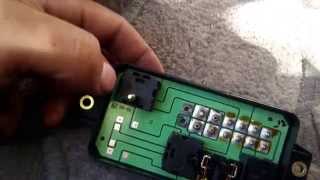
Technical Specifications
OEM Part Numbers: 4H0959917 4H0959917A
Designed for front left (driver) or front right (passenger) seat with massage function. Integrates with the vehicle's MMI system.
We Have This Part in Stock

The information in this article is provided for general reference and educational purposes only. Vehicle specifications, procedures, and part compatibility can vary by production date, trim level, and region. Always consult your vehicle's factory service manual and verify part numbers before purchasing or performing repairs. Safety-critical components such as airbags, seat belts, and braking systems should be installed by a qualified professional.
- Audi A6:
- Audi RS7:
- Audi S6:
- Audi S7:
- Audi A7 Quattro:
- 🎬 Helpful Videos
- 🛍️ Shop This Part
- Symptoms of a Failing Massage Seat Switch
- Known Issues, TSBs, and Recalls
- Passenger Occupant Detection System (PODS) Recall
- Seat Control Module Software TSBs
- Buying a Used Massage Seat Switch
- Cost Comparison
- Replacement Guide
- Frequently Asked Questions (FAQ)
- 🎟️ Get 5% Off