

2016-2019 Jaguar XJ Seat Control Issues: More Than Just a Bad Switch
This guide explains why your power seat has stopped working and why the problem is often the under-seat control module, not the switch itself.
- The most common cause of seat failure in the 2016-2019 XJ is the Seat Control Module under the seat, not the switch itself.
- Water damage is the primary reason for module failure due to its location on the floor. Always check for and repair leaks before replacing the part.
- When buying a used module, you must match the OEM part number exactly. Be prepared for it to require programming by a dealer to work correctly.
- Diagnose the problem before buying parts. Checking fuses and listening for a 'click' from the module can help determine the point of failure.
Symptoms of a Failing Seat Switch or Module
When a power seat in a Jaguar XJ stops working, the symptoms can point to several different components. Understanding the specific behavior is the first step in diagnosing the problem correctly.
1. A Single Seat Function Fails
If the seat moves forward and back but won't recline, or if only the lumbar support stops working, the issue could be a specific motor or a problem with that motor's circuit. However, if multiple unrelated functions fail simultaneously, the problem is more likely electronic.
2. Complete or Intermittent Failure
The most common complaint is a total loss of all seat adjustments. The controls may work one day and not the next, or they may stop working entirely. Often, you will hear a faint 'click' from under the seat when pressing a switch, but no movement occurs. This typically points to the Seat Control Module receiving the signal from the switch but failing to send power to the motors.
3. Memory Functions Stop Working
A classic sign of a module-related issue is when the seat adjusts manually using the switches, but it will not save or recall any memory positions. In some cases, the memory light on the door may stay lit, which can sometimes be temporarily resolved by disconnecting and reconnecting the vehicle's battery.
Known Issues, Recalls, and Technical Service Bulletins (TSBs)
For the 2016-2019 Jaguar XJ (X351 generation), seat electrical problems are a known pain point, but the issue is rarely the switch on the side of the seat.
The Real Culprit: The Seat Control Module
The vast majority of seat failures in these vehicles are caused by the Driver Seat Module (DSM) or Passenger Seat Module (PSM). This small computer is located on the floor, underneath the front seat. Its location makes it highly vulnerable to moisture and corrosion from spilled drinks, rain from an open window, or clogged sunroof drains that cause water to pool on the floor. This water damage is the number one killer of these modules.
Pro Tip: Before replacing a failed Seat Control Module, always check for the source of any water ingress. Pull back the carpet under the seat and check for dampness or corrosion. If you don't fix the leak, the new module will likely fail as well.
Recalls and TSBs
As of early 2026, there are no specific NHTSA recalls for the seat adjustment switches or Seat Control Modules on the 2016-2019 Jaguar XJ. While Jaguar has issued recalls for seat belt components and instrument clusters on these vehicles, they do not pertain to the adjustment controls.
Step-by-Step Diagnosis
- Check the Fuses: Before assuming a major failure, always check the fuses first. The primary fuse for the driver's seat module in the X351 XJ is typically Fuse 42 (30A) located in the Central Junction Box behind the rear seat back. If some seat functions work while others don't, the fuse is likely fine.
- Listen for Clicks: Press a seat adjustment button. If you hear a click from under the seat, it confirms the switch is sending a signal and the module is receiving it. This makes a faulty module the most likely suspect.
- Battery Reset: As a temporary measure, you can try a hard reset by disconnecting the negative battery terminal for 10-15 minutes. This can sometimes reset a confused module and restore function, but it is not a permanent fix.
- Professional Scan: A Jaguar dealer or a specialist with Symptom Driven Diagnostics (SDD) software can communicate directly with the Seat Control Module. They can read stored fault codes and attempt to run a calibration process, which will confirm if the module has failed internally.
Buying a Used Seat Switch or Module
Buying a used part can save you hundreds or even thousands of dollars, but compatibility is everything with Jaguar electronics. This is the most important section for anyone considering a used part.
For a Seat Switch:
- Match the Functions: Jaguar XJ models were available with many different seat options. Carefully inspect the button layout of the used switch. Ensure it matches your original part exactly, including buttons for lumbar, cushion extension, and any heating/cooling/massage functions.
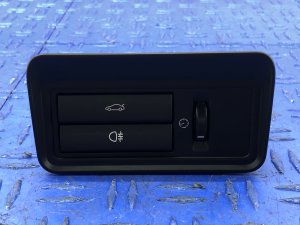
- Verify the Part Number: The physical switch pack on the driver's side is often part number AW93-14B566-AE or a similar variant. Do not confuse this with other switch panels in the car, such as the trunk release switch (AW93-11654-AB).
- Inspect for Wear: Look at high-resolution photos for excessive wear on the chrome or graphics of the buttons, which can indicate high mileage or rough use.
For a Seat Control Module (The More Likely Failure):
- Part Number is CRITICAL: You MUST match the OEM part number on the module exactly. A module from a car with different options (e.g., 14-way vs. 20-way seats, with or without massage) will not work correctly.
- Inspect for Corrosion: Ask the seller for clear photos of the electrical connector pins. Any green or white crust is a clear sign of the water damage that likely caused the original failure. Do not buy a corroded module.
- Programming May Be Required: Be aware that even with a matching part number, a used Seat Control Module may need to be programmed to your vehicle's VIN by a dealer or specialist to enable all functions. Factor this potential cost into your budget.
Cost Comparison
The cost difference between fixing the switch and the more common module failure is significant. Prices are estimates and can vary by location and supplier.
| Part / Service | Estimated Cost |
|---|---|
| New OEM Seat Control Module (Part Only) | $1,300 - $1,500 |
| New OEM Seat Switch (Part Only) | $450 - $550 |
| Used OEM Seat Control Module | $50 - $150 |
| Used OEM Seat Switch | $40 - $100 |
| Shop Labor (Switch or Module Replacement) | $100 - $200 |
| Dealer Programming (For Used Module) | $150 - $300 |
Replacement Difficulty
- Seat Switch: 1 out of 5. This is a simple DIY job. It involves using a trim tool to carefully pry off the plastic side panel of the seat, disconnecting one electrical connector, and releasing a few clips to remove the switch pack.
- Seat Control Module: 2 out of 5. This is also DIY-feasible but requires more work. You must disconnect the battery first, as the seat contains airbag components. Then, you'll need to remove the four bolts holding the seat to the floor and carefully tilt the entire seat backward to access the module underneath. 🎬 Watch: How to remove and refurbish the front seat assembly. If the seat is stuck in a position that blocks the bolts, it can become much more difficult.
Warning: Always disconnect the vehicle's battery before unplugging any connectors on or under the seat. The seat contains part of the airbag system (SRS), and disturbing these circuits with the power on can trigger a fault light or, in a worst-case scenario, cause an accidental deployment.
Frequently Asked Questions (FAQ)
My seat is stuck and I can't reach the bolts to remove it. What can I do?
This is a common problem. If the module has failed, you may need to manually power the seat's slide motor. This involves accessing the connector for the motor under the seat and using a separate 12V power source to move it. This is an advanced procedure and should be done with caution to avoid damaging the wiring.
Do I need to reprogram the car after replacing the seat switch?
No. If you are only replacing the switch pack with a compatible part, no programming is needed. It is a simple plug-and-play component.
Do I need to reprogram the car after replacing the Seat Control Module?
Most likely, yes. The Seat Control Module is configured for the specific options of the car it came from. When you install a used module, it will likely need to be programmed by a dealer or a Jaguar specialist to recognize your car's VIN and options.
Can I use a module from a Land Rover in my Jaguar XJ?
Sometimes, yes. Jaguar Land Rover shares many electronic components across models. If the OEM part number on the module is an exact match, it may work. However, you must always verify compatibility by the part number, not the vehicle model it came from.
Helpful Videos

Technical Specifications
OEM Part Numbers: AW93-14B566-AE AW93-14B566-AD
The seat switch is a control panel that sends signals to the Seat Control Module. The module itself is a computer that controls all seat motors and memory functions. The system operates on the vehicle's 12V electrical system.
We Have This Part in Stock

The information in this article is provided for general reference and educational purposes only. Vehicle specifications, procedures, and part compatibility can vary by production date, trim level, and region. Always consult your vehicle's factory service manual and verify part numbers before purchasing or performing repairs. Safety-critical components such as airbags, seat belts, and braking systems should be installed by a qualified professional.
- Jaguar XJ:
- 🎬 Helpful Videos
- 🛍️ Shop This Part
- Symptoms of a Failing Seat Switch or Module
- 1. A Single Seat Function Fails
- 2. Complete or Intermittent Failure
- 3. Memory Functions Stop Working
- Known Issues, Recalls, and Technical Service Bulletins (TSBs)
- The Real Culprit: The Seat Control Module
- Recalls and TSBs
- Step-by-Step Diagnosis
- Buying a Used Seat Switch or Module
- For a Seat Switch:
- For a Seat Control Module (The More Likely Failure):
- Cost Comparison
- Replacement Difficulty
- Frequently Asked Questions (FAQ)
- 🎟️ Get 5% Off