

1999-2005 Porsche 911 Seat Switch: Why One Function Fails and How to Diagnose It
A complete guide to diagnosing common seat switch failures, understanding part number variations, and replacing the switch assembly in your Porsche 996.
- The most common failure is partial, with one function (like forward/back) failing while others work.
- Before replacing, check fuses E3/E4 and listen for a 'click' under the seat to see if the switch is sending a signal.
- Always disconnect the battery before unplugging the seat harness to avoid triggering the airbag light.
- New OEM switches are very expensive ($500+), making a verified used OEM part a cost-effective alternative.
Symptoms of a Failing 996 Seat Switch
When the seat switch in a 996-generation Porsche 911 begins to fail, it rarely does so all at once. The most common complaints involve specific, frustrating symptoms that can point to a problem with the switch assembly itself, the wiring, or the motors it controls.
- Partial Loss of Function: The most common symptom is when one specific movement stops working, while others are fine. For example, the seat may no longer move forward or backward, but you can still adjust the height and recline. This often points to a failure of a single microswitch within the larger assembly.
- Intermittent Operation: The seat adjustments may work one day and not the next. This can be caused by a loose connection, a frayed wire under the seat that makes contact only when the seat is in a certain position, or failing internal contacts within the switch.
- Clicking Sound, No Movement: You press a switch button and hear a 'click' from a relay under the seat, but the seat doesn't move. This usually means the switch itself is working and sending a signal, but the problem lies further down the line with a faulty motor, a broken drive cable, or a jam in the seat mechanism.
- Blown Fuses: If the fuse for the power seats (check fuses E3 and E4 in the fuse panel) blows repeatedly, it could indicate a short circuit within the switch assembly or a seized seat motor drawing too much current.
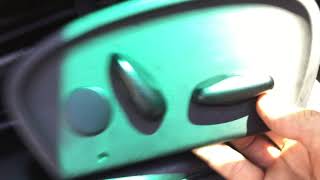
- Physically Broken Toggles: The plastic levers on the switch assembly can become brittle with age and break, especially if accidentally kicked or stepped on.
Diagnosing the Problem: Is It Really the Switch?
Before spending money on a new switch, it's important to confirm it's the actual cause. Power seat issues can also stem from fuses, wiring, control modules, or the motors themselves.
- Check Fuses First: Always start with the simplest solution. Check fuses E3 and E4 in the fuse box. Even if they look good, test them with a multimeter for continuity.
- Check for Obstructions: Use a flashlight to inspect the seat rails under the seat. Coins, pens, or other small items can fall into the tracks and physically jam the mechanism, preventing movement.
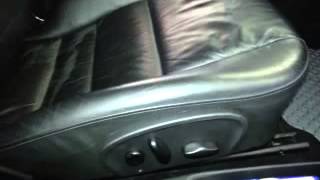
- The 'Click' Test: In a quiet garage, operate the faulty switch function and listen carefully for a clicking sound from under the seat. A click is a good sign that the switch is sending a signal to a relay or control module. No click may point more directly to a bad switch. 🎬 Watch this guide on diagnosing seat switches and removing the seat bottom.
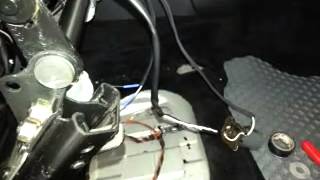
- The Motor Swap Test: This is a highly effective diagnostic trick mentioned by Porsche enthusiasts. If you can access the wiring connectors under the seat, you can swap the plugs for the non-working motor and a working one. For example, if the fore/aft motor doesn't work but the seat height motor does, unplug both from the control module and swap them. Now, press the seat height button. If the seat moves forward or backward, you've proven the fore/aft motor is good, and the problem is very likely in the switch or the control module's output for that function.
Pro Tip: If your seat is stuck and won't move to allow access to the seat mounting bolts, you may need to power the motor directly. This can be done by carefully applying 12V from a separate battery to the pins on the motor's electrical connector. Reversing the polarity will reverse the direction of the motor.
Buying a Used 1999-2005 Porsche 911 Seat Switch
Given that a new OEM seat switch assembly can cost over $500, a used OEM part is a practical and popular choice. Here’s what to look for when buying a recycled part.
- Verify the Part Number: This is the most critical step. The part number changes based on the side (left or right), the interior color (Black, Graphite Grey, etc.), and potentially the seat options (memory vs. non-memory). Pulling the trim panel off your existing switch to find the number is the best way to guarantee a match. Examples include 996-613-713-01-A03 (Left, Black) and 996-613-714-01-EJM (Right, Granite Grey).
- Physical Inspection: Carefully inspect photos of the used switch. Look for cracks in the housing, and ensure all the plastic toggles are present and intact. Check the condition of the white icons on the switches; heavy wear indicates high usage.
- Ask About Functionality: Ask the seller if the part was tested or if it came from a vehicle where the seats were confirmed to be working. Reputable recyclers often test these functions before dismantling the vehicle.
- Why Used OEM is a Good Choice: For this part, a used Genuine Porsche switch is often a better choice than a cheap aftermarket alternative. The fit, finish, color, and feel of the switches are designed to match the car's interior perfectly. Aftermarket versions, if available, may not have the same quality, leading to a poor feel or appearance.
Replacement Overview
Replacing the seat switch is a manageable DIY job for most owners, with a difficulty of about 3 out of 5.
Warning: Before starting any work, disconnect the vehicle's battery. The seat contains the seatbelt buckle and wiring for the airbag system. Unplugging the seat with the battery connected will trigger an airbag warning light that requires a special tool to reset.
- Move the seat to a position that allows access to the four main bolts holding it to the floor.
- Disconnect the battery.
- Remove the four E12 external Torx bolts that secure the seat rails to the car's floor.
- Carefully tilt the entire seat backward to gain access to the wiring harnesses and connectors underneath. You do not need to remove the seat from the car entirely.
- The switch assembly is held to the seat trim by a few small screws. Remove them and disconnect the electrical plug from the back of the switch.
- Install the new switch, reconnect everything, and bolt the seat back in place before reconnecting the battery.
Known Issues, Recalls, and Service Bulletins
There are no official NHTSA recalls or Technical Service Bulletins (TSBs) specifically for the failure of the power seat switch on the 1999-2005 Porsche 911. However, owner forums mention a TSB may have existed for wiring getting pinched under the seat, which could cause similar intermittent symptoms. The failures are well-documented in enthusiast communities.
| Part Type | Estimated Cost |
|---|---|
| New OEM (Dealer) | $540 - $750 |
| New Aftermarket | $130 - $170 (Often for individual switches, not full assembly) |
| Used OEM (Recycled) | $100 - $250 |
| Shop Labor for Installation | $150 - $300 |
Frequently Asked Questions (FAQ)
Why did only one seat function stop working?
The switch assembly is a single panel, but inside it contains multiple individual microswitches on a circuit board, one for each function (e.g., forward, back, recline up, recline down). It is very common for one of these heavily-used microswitches to fail while the others continue to work perfectly.
Can I just replace the broken plastic toggle or lever?
Yes, Porsche does sell some of the individual plastic switch knobs separately. If the switch is still working electrically but the plastic lever has broken off, you may be able to purchase just the knob, which is much cheaper than replacing the entire switch assembly.
My seat is stuck over the mounting bolts. What can I do?
This is a common and frustrating problem. The best solution is to power the seat motor directly. You can do this by accessing the wiring under the seat and using a 12V power source (like a spare battery) to send power to the pins for the fore/aft motor until the bolts are exposed. Be very careful when applying external power.
Do I have to remove the whole seat to replace the switch?
You don't have to remove the seat completely from the car. However, you will almost certainly need to unbolt it from the floor (four bolts) and tilt it back to get enough room to access the screws and connectors for the switch panel.
Helpful Videos
Technical Specifications
OEM Part Numbers: 99661371301A03 99661371401A03 99661371301EJM 99661371401EJM 99661371301EJS 99661371401EJS
Part numbers vary by Left/Right side, interior color (A03 is Black, EJM is Granite Grey), and memory function. The assembly is a multi-switch panel controlling multiple seat motors.
We Have This Part in Stock

The information in this article is provided for general reference and educational purposes only. Vehicle specifications, procedures, and part compatibility can vary by production date, trim level, and region. Always consult your vehicle's factory service manual and verify part numbers before purchasing or performing repairs. Safety-critical components such as airbags, seat belts, and braking systems should be installed by a qualified professional.
- Porsche 911: