

2017-2025 Tesla Model 3, Y, S & X Seat Switch: Failure Symptoms and Replacement Guide
Learn to diagnose broken buttons, navigate critical compatibility differences between models, and replace a faulty seat switch yourself.
- The most common failure is physical breakage of the plastic buttons, which are known to be fragile.
- Compatibility is critical. Switches for Model 3/Y are different from pre-2021 Model S/X. Always verify your part number before buying.
- A widespread recall (NHTSA 24V-376) relates to the seat *occupancy sensor* for the seatbelt warning, not the adjustment switch, and is fixed with a software update.
- Replacement is a simple, 30-minute DIY job that involves removing one screw and prying off the plastic seat side panel.
Symptoms of a Failing Seat Switch

Failure of the seat adjustment switch in the Tesla Model 3, Model Y, Model S, and Model X typically manifests in one of two ways: physical damage or electrical failure.
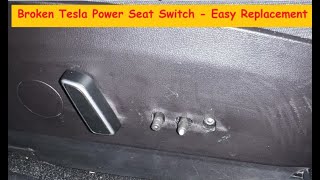
- Broken or Missing Buttons: This is the most common issue. The plastic levers, especially the main forward/backward slide button, are known to be fragile and can snap off if accidentally kicked, stood on, or snagged by a bag or clothing. Once a button breaks, the internal post that actuates the switch may be gone, rendering that function useless.
- Unresponsive or Intermittent Function: A specific adjustment may stop working entirely, or only work sporadically. For example, the seat may recline but not return upright. This can indicate a failure within the switch's internal circuit board or a worn-out contact.
- No Movement at All: If none of the seat adjustment functions work, the problem could be the switch's main electrical connector, a blown fuse, or an issue with the seat control module itself, rather than just the switch.
Pro Tip: If your seat makes a clicking sound when you press the switch but doesn't move, the problem is likely the seat motor or a jammed track, not the switch. The click indicates the switch is successfully sending power to the motor.
Known Issues, TSBs, and Recalls

NHTSA Recall 24V-376: Seat Belt Reminder System
Important: A major recall (NHTSA ID: 24V-376) was issued in May/June 2024 for a vast range of Tesla vehicles, including the 2012-2024 Model S, 2015-2024 Model X, 2017-2023 Model 3, and 2020-2023 Model Y.
This recall is NOT for the seat adjustment switch. It concerns the driver's seat occupancy sensor. A fault in this sensor could prevent the audible and visual seat belt reminders from activating. The fix for this issue is a free over-the-air (OTA) software update from Tesla and does not require a physical part replacement. You can check if your vehicle is affected and has the update by using the Tesla VIN Recall Search or the NHTSA website.
Buying a Used Tesla Seat Switch: What to Inspect

Buying a used OEM seat switch is a cost-effective solution, but careful verification is required to ensure you get the right part that works correctly.
Compatibility is Key: Model 3/Y vs. Refreshed Model S/X
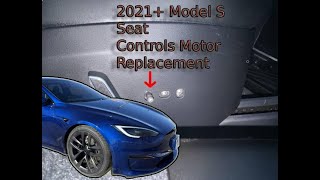
While the switches look similar, there are important differences. Switches for the Model 3 and Model Y are generally interchangeable within their specified year ranges. However, the Model S and Model X underwent a major interior refresh in 2021 (often called the 'Palladium' refresh), which changed from a vertical center screen to a horizontal one. The seat switches used in these refreshed 2021+ models are different from those in the 2019-2020 models. 🎬 Watch this guide for replacing the Model S seat control. Always confirm the model and production year before purchasing.
Part Number Verification
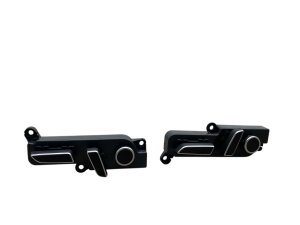
The most reliable way to ensure compatibility is to remove the plastic side trim from your seat and read the part number directly off your original switch. Compare this number to the used part you intend to buy. Some switches for 2021 and newer models feature a silver trim ring around the circular lumbar button, which can be a quick visual cue for a newer part.
| Part Number | Common Application | Position |
|---|---|---|
| 1098529-00-F | Model 3 (2017-2022), Model Y (2020-2023) | Front Left (Driver) |
| 1098530-00-F | Model 3 (2017-2022), Model Y (2020-2023) | Front Right (Passenger) |
| 1551855-97-A | Model 3/Y (2021+), often for seats without lumbar support | Front Right (Passenger) |
| 1602352-00-F | Model S/X (Refreshed 2021+) | Front Right (Passenger) Side Shield Assembly |
Note: This list is not exhaustive. Part numbers can be superseded. Always verify with your specific vehicle.
Physical Inspection Checklist
- Check All Buttons: Physically press and wiggle each button and toggle. They should feel solid with no cracks or excessive looseness. Ensure none are missing.
- Inspect the Housing: Look for cracks in the black plastic housing, especially around the mounting screw holes.
- Examine the Connector: The electrical connector pins should be straight, clean, and free of any corrosion or signs of water damage.
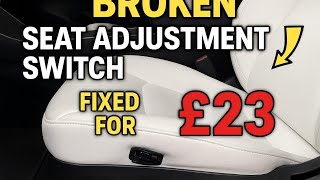
Pro Tip: Repairing a Broken Button: If your original switch works electronically but has a broken plastic button, you can save money by purchasing a cheap aftermarket switch ($20-$30) and carefully disassembling both units to transfer the new plastic button onto your original OEM switch base. This retains the quality of the Tesla electronics while fixing the physical damage. The switches are typically held together with a few Phillips screws and are not glued, making this a feasible repair.
🎬 Watch a DIY walkthrough for fixing a broken seat control.Cost of Replacement
The cost to replace a Tesla seat switch varies significantly depending on the source of the part and who performs the labor.
| Item | Estimated Cost |
|---|---|
| New OEM (from Tesla Service) | $130 - $160 (part only) |
| Used OEM | $40 - $75 |
| New Aftermarket | $20 - $50 |
| Shop Labor | $100 - $150 |
Replacement Overview (DIY)

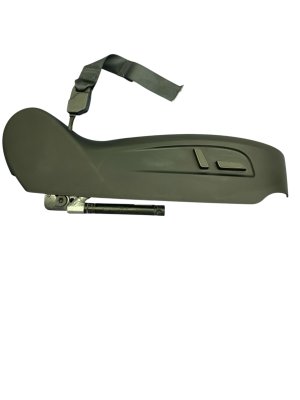
Replacing the seat switch is a straightforward task suitable for most DIYers. The process generally does not require removing the entire seat from the vehicle.
- Difficulty: 2 out of 5
- Estimated Time: 30 minutes
- Tools Required: Torx bit set (T15 or T20), plastic trim removal tool.
General Steps:
- Move the seat to its highest and most forward position to gain access to the side trim panel.
- Locate and remove the Torx screw (usually T20) at the bottom rear of the plastic side panel.
- Carefully use a trim tool to pry the side panel away from the seat frame. It is held on by several plastic clips.
- With the panel loose, you can access the switch module. Disconnect the single electrical harness.
- Remove the three Torx screws (usually T15) holding the switch module to the panel.
- Installation is the reverse of removal. Test all switch functions before fully snapping the side panel back into place.
Frequently Asked Questions (FAQ)
Can I replace just the single broken plastic button?
No, Tesla does not sell the individual plastic buttons. You must replace the entire switch assembly. However, as a DIY solution, you can buy an inexpensive aftermarket switch and transfer its plastic button to your original switch assembly.
Is any software calibration needed after replacing the switch?
No, replacing the seat adjustment switch is a direct plug-and-play repair. No software updates or calibration are required for the switch itself. However, Tesla vehicles do have a seat calibration routine in the service menu that can sometimes fix issues with motors or position sensors, but this is unrelated to the switch replacement.
My new switch has a silver ring around the round button, but my old one didn't. Is it compatible?
The silver ring is typically found on switches for 2021 and newer models. In many cases, it is functionally identical and backward compatible with older Model 3 and Model Y vehicles, offering a slight cosmetic update. However, always prioritize matching the part number for guaranteed compatibility.
Why won't my seat move after getting in the car?
This is often related to the 'Easy Entry' driver profile setting, which automatically moves the seat and steering wheel. If the seat is stuck, first try selecting your driver profile on the touchscreen and see if it moves. If it remains unresponsive, then you can begin to troubleshoot the switch and motors.
Helpful Videos
Technical Specifications
OEM Part Numbers: 1098529-00-F 1098530-00-F 1551855-00-A 1551855-97-A 1602352-00-E 1602352-00-F 1613547-00-A 1613548-00-A
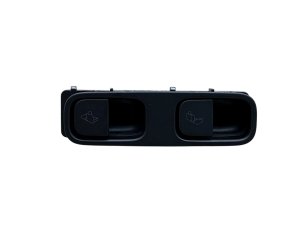
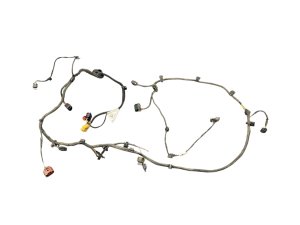
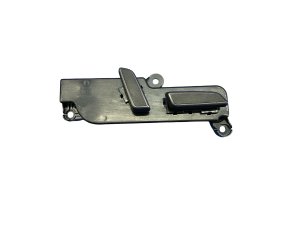
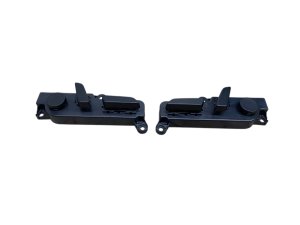
4-pin electrical connector. Control for 8-way power adjustment and, on equipped models, 4-way lumbar support.
We Have This Part in Stock

The information in this article is provided for general reference and educational purposes only. Vehicle specifications, procedures, and part compatibility can vary by production date, trim level, and region. Always consult your vehicle's factory service manual and verify part numbers before purchasing or performing repairs. Safety-critical components such as airbags, seat belts, and braking systems should be installed by a qualified professional.
- Tesla Model S:
- Tesla Model X:
- Tesla Model 3:
- Tesla Model Y:
- 🎬 Helpful Videos
- 🛍️ Shop This Part
- Symptoms of a Failing Seat Switch
- Known Issues, TSBs, and Recalls
- NHTSA Recall 24V-376: Seat Belt Reminder System
- Buying a Used Tesla Seat Switch: What to Inspect
- Compatibility is Key: Model 3/Y vs. Refreshed Model S/X
- Part Number Verification
- Physical Inspection Checklist
- Cost of Replacement
- Replacement Overview (DIY)
- Frequently Asked Questions (FAQ)
- 🎟️ Get 5% Off