

2020-2025 Explorer & Aviator Speaker Guide: Decoding B&O, Revel, and Common Failures
Before you replace a speaker in your Ford Explorer or Lincoln Aviator, learn to identify your exact audio system and diagnose common software glitches that can mimic speaker failure.
- The most critical step is to identify your vehicle's specific audio system (Standard, B&O, Revel, or Revel Ultima 3D) as speakers are not interchangeable.
- Many audio problems, such as a complete loss of sound or popping, are caused by software glitches. Always try a SYNC system reset before replacing any hardware.
- When buying a used speaker, physically inspect the cone and surround for damage and verify it works with a simple 9V battery 'pop' test.
- New OEM speakers for the premium Revel and B&O systems are very expensive, making verified-good used OEM speakers a cost-effective alternative that preserves original sound quality.
Is It a Blown Speaker or a Software Glitch?
Before assuming a speaker has failed in your 2020-2025 Ford Explorer or Lincoln Aviator, it's important to consider a common issue: software glitches within the SYNC infotainment system. Many owners report symptoms like the entire sound system cutting out, no audio from any source, or loud popping noises, which are often caused by the head unit or amplifier, not a faulty speaker. These issues can often occur randomly or after an over-the-air software update.
Pro Tip: Before spending money on parts, try a system reset. For many owners, this completely resolves the issue of no sound. There are two common methods:
- Soft Reset: Press and hold the Power button and the 'Track Forward' button on the center console simultaneously for about 10 seconds until the screen reboots.
- Hard Reset: If a soft reset doesn't work, disconnecting the vehicle's battery for 30 minutes can force a full reset of the audio modules.
If a reset doesn't solve the problem, or if the audio issue is isolated to a single speaker location (e.g., distortion from only the driver's door), then you likely have a failed speaker.
Symptoms of a Failed Speaker
When an individual speaker fails, the symptoms are usually consistent and localized to one area of the vehicle. Here’s what to listen for:
- Distortion or Fuzziness: The most common symptom is a fuzzy, crackling, or distorted sound, even at low volumes. This indicates the speaker cone or voice coil is damaged.
- Rattling or Buzzing: A rattling or buzzing noise, especially with bass-heavy music, can mean the speaker cone has torn away from its suspension.
- No Sound From One Speaker: Use the balance and fader controls in your audio settings to isolate sound to each corner of the vehicle. If one speaker is completely silent, it has likely failed or has a wiring issue.
- Weak or 'Flat' Sound: If a speaker sounds noticeably quieter than the others or seems to be missing bass or treble, its internal components may be partially damaged.
Identify Your Audio System First: A Critical Step
The single most important factor when replacing a speaker in these vehicles is identifying the correct audio system. Speakers are not interchangeable between systems, as they have different power handling, impedance, and tuning. Installing the wrong speaker will result in poor sound quality and could potentially damage the factory amplifier.
| Vehicle | Trim Levels | Audio System | Speaker Count |
|---|---|---|---|
| Ford Explorer | Base, XLT, Limited, ST, Platinum | Standard Audio or B&O Sound System by Bang & Olufsen | 6, 12, or 14 Speakers |
| Lincoln Aviator | Standard, Reserve, Grand Touring, Black Label | Standard Audio, Revel Audio System, or Revel Ultima 3D Audio System | 10, 14, or 28 Speakers |
You can typically find the brand name (B&O or Revel) printed on the speaker grilles in the doors or on the dashboard. The 28-speaker Revel Ultima 3D system is easily identified by the additional speaker grilles in the vehicle's headliner. Always match the part number from your old speaker to ensure you are buying the correct replacement.
Buying a Used Speaker: What to Check
Given the high cost of new OEM speakers from premium brands like B&O and Revel, a used OEM speaker is an excellent value. A genuine used part will maintain the vehicle's original sound signature, unlike a generic aftermarket speaker. Here’s what to inspect before you buy:
- Verify the Part Number: This is non-negotiable. The part number must be an exact match for the speaker you are replacing.
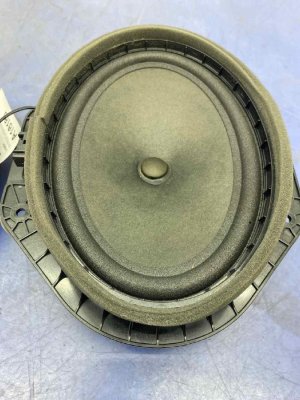
- Inspect the Surround: The 'surround' is the thin ring of foam or rubber that connects the outer edge of the speaker cone to the metal frame. Gently press on it to ensure it's flexible and free of cracks, tears, or brittleness.
- Examine the Cone: The cone (the main paper or composite part of the speaker) should be free of punctures, tears, or water stains. Water damage can cause the cone to warp and the voice coil to fail.
- Check the Terminals: The electrical connection points should be clean and free of corrosion.
- Perform a 'Pop' Test: You can perform a simple test with a 9-volt battery to see if the speaker's voice coil is functional. Briefly touch the battery terminals to the speaker's positive and negative terminals. A working speaker will make a small 'pop' sound and the cone will move slightly. If there is no sound or movement, the speaker is dead.
- Use a Multimeter: For a more accurate test, set a multimeter to measure resistance (Ohms). A functional speaker will show a resistance reading, typically between 2 and 7 ohms. A reading of zero or infinity (OL) indicates a shorted or open coil, and the speaker is bad.
Known Issues, TSBs, and Recalls
As of early 2026, there are no recalls or widespread Technical Service Bulletins (TSBs) specifically for speaker failure on the 2020-2025 Ford Explorer or Lincoln Aviator. However, there have been numerous recalls for other issues on these platforms, including seat switches, exterior trim, and various software modules.
One notable recall for the 2020-2023 Lincoln Aviator with the Revel Audio System required a software update because the seat belt warning chime might not function correctly. This highlights that audio-related problems are often resolved with software updates rather than hardware replacement.
Cost Comparison
The cost of replacing a speaker varies significantly based on the audio system. Premium speakers from B&O and Revel are considerably more expensive than standard units.
| Part | Estimated Cost |
|---|---|
| New OEM (Revel Woofer) | $415 - $630 |
| New OEM (Standard Speaker) | $50 - $100 |
| New Aftermarket | $40 - $150 (May require wiring adapters and not match factory tuning) |
| Used OEM | $75 - $250 (Varies by speaker type and condition) |
| Shop Labor | $100 - $250 (Per door/location) |
Replacement Difficulty
Replacing most speakers in these vehicles is a moderately difficult job that a patient DIYer can accomplish.
- Difficulty: 3 out of 5 (for door and dash speakers)
- Estimated Time: 1-1.5 hours per speaker
- Primary Challenge: The main challenge is removing interior trim panels without breaking the plastic clips. Using a set of plastic trim removal tools is highly recommended to avoid scratching or damaging the panels. Once the panel is off, the speaker itself is typically held in with just a few screws and a single electrical connector.
Speakers located in the headliner (on Revel Ultima 3D systems) are more difficult to access and may be better left to a professional.
Frequently Asked Questions (FAQ)
How do I know for sure which audio system I have?
Look for branding on the speaker grilles. Premium systems will say 'B&O' (Ford Explorer) or 'Revel' (Lincoln Aviator). If there is no branding, you have the standard audio system. For Lincoln Aviator owners, check the headliner for speaker grilles to determine if you have the 28-speaker Revel Ultima 3D system.
My entire sound system stopped working. Are all my speakers blown?
It is extremely unlikely that all speakers would fail at once. This symptom almost always points to a software issue with the SYNC head unit or a problem with the amplifier. Before replacing any parts, perform a system reset as described at the beginning of this article.
Can I upgrade my standard audio system with B&O or Revel speakers?
This is not a simple plug-and-play swap. The premium systems use a different amplifier, additional speakers, and different wiring. While a full conversion is technically possible, it would be extremely complex and expensive. It is far more practical to replace speakers with the correct part for your existing system.
The dealer wants to replace my speaker. Should I ask them to check for software updates first?
Yes. Given the prevalence of software-related audio issues on this platform, it is always a good idea to ensure your vehicle's SYNC and audio control module (ACM) software is up to date before replacing hardware. This can save you from paying for a part you may not need.
Technical Specifications
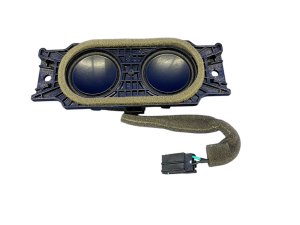
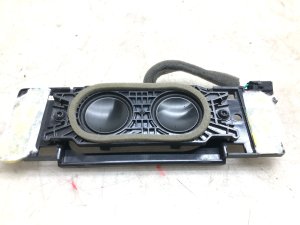
OEM Part Numbers: LC5T-18808 LC5Z-18808-AE LC5Z-18808-B LC5Z-18808-JA LC5Z-18C804-AC LC5Z18808FA LC5T-18808-DB LC5T-18C804-BN LC5T-19B135-BA LC5T18C804CN
Compatibility is determined by the vehicle's specific audio system (B&O for Explorer, Revel for Aviator) and speaker location. Part numbers must be matched exactly.
We Have This Part in Stock

The information in this article is provided for general reference and educational purposes only. Vehicle specifications, procedures, and part compatibility can vary by production date, trim level, and region. Always consult your vehicle's factory service manual and verify part numbers before purchasing or performing repairs. Safety-critical components such as airbags, seat belts, and braking systems should be installed by a qualified professional.
- Lincoln Aviator:
- Ford Explorer: