

GM 6.0L & 6.2L V8 Starter Problems: 2009-2020 CTS, Silverado, Express & More
Diagnosing the common click-no-start issue and other starter failures in popular GM trucks, vans, and Cadillac CTS models.
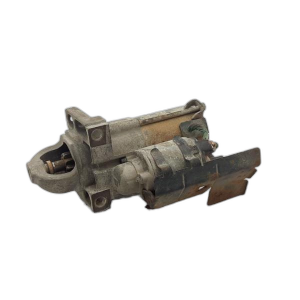
- This starter fits a wide range of GM vehicles, but ONLY those equipped with the 6.0L or 6.2L V8 gasoline engines.
- Before replacing the starter, always test the battery and clean all electrical connections first, as these are common points of failure.
- Symptoms include clicking, slow cranking, grinding noises, or a complete failure to crank. Smoke or a burning smell is a critical warning sign.
- A low-mileage used OEM starter offers excellent value and reliability compared to potentially inconsistent aftermarket parts.
Symptoms of a Failing Starter Motor
A failing starter motor rarely dies without warning. It usually provides several clues that it's on its way out. Recognizing these signs can prevent you from being stranded. It's important to note that many of these symptoms can also be caused by a weak battery or poor electrical connections, so proper diagnosis is key.
1. Clicking Noises When Turning the Key
This is the most classic symptom of a starter problem. You might hear a single, loud click or a series of rapid clicks. A single click often means the starter solenoid is engaging and sending power, but the starter motor itself isn't turning. Rapid clicking, however, can sometimes point to a battery that has enough power to operate the solenoid but not enough to turn the heavy starter motor.
2. Engine Cranks Slowly or Labors
If the engine seems to turn over much slower than usual, like it's struggling, it could be a sign of a weak starter motor drawing too much current. This can also be a symptom of a dying battery or corroded cables, so it's important to test the battery first.
3. Grinding or Whirring Sounds
A loud grinding noise during startup suggests that the starter's pinion gear is not engaging properly with the engine's flywheel, or the teeth on either gear are worn or damaged. A high-pitched whirring or whining sound without the engine turning over indicates the starter motor is spinning, but the pinion gear is not extending to engage the flywheel.
4. Intermittent Starting Issues
The vehicle may start perfectly one day and refuse to start the next. This can be caused by a "dead spot" in the starter motor's internal electrical windings. Sometimes, the old trick of tapping the starter motor with a hammer can temporarily resolve this by jarring the internal components just enough to make a connection.
5. Smoke or a Burning Smell
Smoke or a burning smell coming from the engine bay when you try to start the vehicle is a critical sign. This indicates a serious electrical problem within the starter, which could be overheating due to a short circuit or continuous power flow. Do not continue to try starting the engine if you see or smell smoke.
Is It Really the Starter? Diagnosis Before You Buy
Before spending money on a replacement part, it's crucial to confirm the starter is the actual problem. The battery and its connections are the most common culprits for no-start situations.
- Check the Battery: Use a multimeter to check the battery voltage. A healthy, fully charged battery should read around 12.6 volts with the engine off. If it's below 12.4 volts, try charging it. If the vehicle starts with a jump-start but not on its own, the issue is more likely the battery or alternator, not the starter.
- Inspect Electrical Connections: Clean and tighten the battery terminals. Follow the thick positive and negative cables to ensure they are secure at the starter and the engine block/chassis ground. Corrosion or looseness here can prevent the high current needed by the starter from getting through.
- Perform a Voltage Drop Test: This is a more advanced test that checks for resistance in the starter circuit. It involves measuring the voltage between the battery positive post and the starter's main power terminal while a helper tries to crank the engine. A significant voltage reading indicates a problem in the cable or connections, not the starter itself.
Pro Tip: On many of the listed GM trucks and vans, the starter is located near the hot exhaust manifold. Over time, this constant heat exposure can damage the solenoid and internal components, leading to premature failure. When replacing the starter, inspect the original heat shield. If it's damaged or missing, installing a new one (like GM part number 12668713) is a wise investment.
Buying a Used Starter Motor: What to Look For
A low-mileage, recycled OEM starter can be an excellent value compared to a new or even a remanufactured part. OEM parts are designed specifically for the vehicle, ensuring proper fit and performance. Here’s what to inspect:
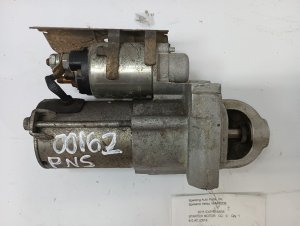
- Verify Compatibility: The most important step. This starter fits a range of vehicles but ONLY those with the 6.0L or 6.2L V8 gasoline engines. Cross-reference the OEM part numbers (12637616, 12637617) to be certain.
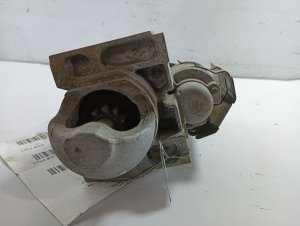
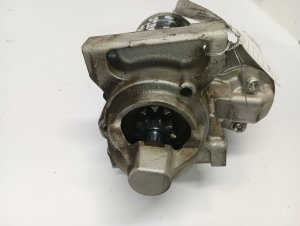
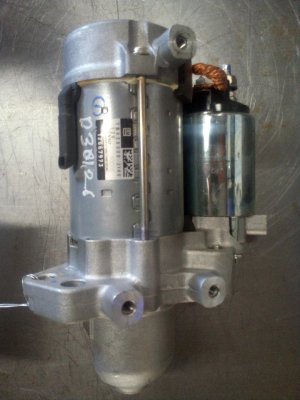
- Physical Inspection: Look for obvious signs of damage. Check for cracks in the housing, corrosion on the electrical terminals, and any discoloration from overheating.
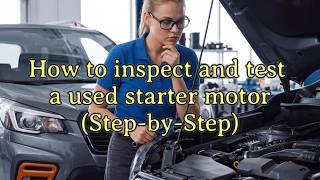
- Pinion Gear Check: Inspect the teeth on the small pinion gear. They should be clean and well-defined, not chipped, broken, or excessively worn. Manually pull the gear out and rotate it; it should spin freely in one direction and lock in the other. 🎬 Watch: How to inspect and test a used starter motor
- Mileage and Source: Ask for the mileage of the donor vehicle if possible. Starters can last over 100,000 miles, but one from a lower-mileage vehicle is always preferable.
- Why Used OEM vs. New Aftermarket: While new aftermarket starters are readily available, their quality can be inconsistent. A used OEM starter was built to GM's original, rigorous standards and, when sourced from a reputable recycler, often provides better long-term reliability than a budget aftermarket alternative.
Cost Comparison
Prices can vary based on location and supplier, but this table provides a general cost expectation for the part and labor.
| Part Type | Estimated Part Cost |
|---|---|
| New OEM | $150 - $275 |
| New Aftermarket | $180 - $375 |
| Remanufactured | $150 - $350 |
| Used OEM | $50 - $125 |
| Shop Labor | $230 - $480 |
Replacement Overview
Replacing the starter is a moderately difficult job that is feasible for a DIY mechanic with the right tools and safety precautions. Access can be tight, especially on the Express and Savana vans.
- Safety First: ALWAYS disconnect the negative battery terminal before beginning any work on the starter. The main cable to the starter is always live and can cause a dangerous short circuit if it touches ground.
- Vehicle Access: Safely raise and support the front of the vehicle with jack stands. You will be working from underneath.
- Remove Connections: Remove the nuts securing the main battery cable and the smaller solenoid signal wire from the starter.
- Unbolt the Starter: Typically, two long bolts hold the starter to the engine block or transmission bell housing. These will require a socket and extension to reach. Note that on some models, a heat shield may need to be removed first.
- Installation: Installation is the reverse of removal. Ensure the mounting surface is clean. Torque the starter bolts to the manufacturer's specification (typically around 37 lb-ft for these GM V8s, but always verify for your specific model). Reconnect the electrical wires securely.
Frequently Asked Questions (FAQ)
Can a bad starter drain my battery?
Yes. If the starter has an internal short circuit, it can draw current from the battery even when the vehicle is off, leading to a dead battery. More commonly, repeated failed attempts to start the engine with a faulty starter will drain a healthy battery.
Is it difficult to replace the starter on a 2017 Chevy Express van?
Access is the main challenge on the Express and Savana vans due to the position of the engine within the 'doghouse' and chassis frame. While the process is mechanically simple (disconnect, unbolt, replace), reaching the bolts and electrical connections can be tight and may require specific extensions and swivels for your ratchet.
What's the difference between a 'remanufactured' and a 'rebuilt' starter?
The terms are often used interchangeably, but there can be a difference. A 'remanufactured' starter is typically completely disassembled, cleaned, and has all wear items (like brushes and bushings) replaced with new parts to meet OEM specifications. A 'rebuilt' starter may only have the specific failed component replaced. A quality remanufactured unit is generally a reliable option.
Do I need to replace any other parts at the same time?
While not required, it is an excellent time to inspect the battery cables for corrosion, swelling, or damage. Also, inspect the teeth on the engine's flywheel (visible through the starter mounting hole) for any damage, though this is rare.
Helpful Videos
Technical Specifications
OEM Part Numbers: 12637616 12637617 8126376160
Voltage: 12V
We Have This Part in Stock

The information in this article is provided for general reference and educational purposes only. Vehicle specifications, procedures, and part compatibility can vary by production date, trim level, and region. Always consult your vehicle's factory service manual and verify part numbers before purchasing or performing repairs. Safety-critical components such as airbags, seat belts, and braking systems should be installed by a qualified professional.
- Chevrolet Express 2500:
- GMC Savana 2500:
- Chevrolet Express 3500:
- GMC Savana 3500:
- Cadillac CTS:
- GMC Sierra 2500 HD:
- Chevrolet Silverado 3500 HD:
- GMC Sierra 3500 HD:
- Chevrolet Silverado 2500 HD:
- Chevrolet Suburban 3500 HD:
- 🎬 Helpful Videos
- 🛍️ Shop This Part
- Symptoms of a Failing Starter Motor
- 1. Clicking Noises When Turning the Key
- 2. Engine Cranks Slowly or Labors
- 3. Grinding or Whirring Sounds
- 4. Intermittent Starting Issues
- 5. Smoke or a Burning Smell
- Is It Really the Starter? Diagnosis Before You Buy
- Buying a Used Starter Motor: What to Look For
- Cost Comparison
- Replacement Overview
- Frequently Asked Questions (FAQ)
- 🎟️ Get 5% Off