

2017-2026 Chrysler & Ram 3.6L Starter Motor: Solving No-Start Issues & The Critical ESS Compatibility Warning
This guide covers the common failure symptoms and replacement costs for the starter motor in the Chrysler Pacifica, Grand Caravan, Voyager, and Ram ProMaster vans, with a crucial warning about Engine Start-Stop (ESS) compatibility.
- Crucially, you must identify if your minivan has the Engine Start-Stop (ESS) system, as it uses a different, non-interchangeable starter motor.
- The Ram ProMaster models covered in this guide use the standard (non-ESS) starter.
- Common failure symptoms include a loud click with no crank, slow engine cranking, or a grinding noise.
- Replacement on the minivans (Pacifica, Voyager, Grand Caravan) is more difficult and costly than on the ProMaster vans due to very tight access that may require moving exhaust components.
Compatibility Warning: Engine Start-Stop (ESS) vs. Non-ESS Starters
Warning: Before purchasing a starter motor for these vehicles, you must determine if your vehicle is equipped with the Engine Start-Stop (ESS) feature. There are two different starter motors for the 3.6L V6 engine, and they are not interchangeable.
- With ESS: Vehicles with the automatic engine start/stop feature require a more robust, heavy-duty starter designed for frequent use. The primary OEM part number for this version is 68348376AC (superseding 68348376AA and 68348376AB). This is common on the Chrysler Pacifica, Voyager, and Grand Caravan.
- Without ESS: Vehicles that do not have the start/stop feature use a standard starter motor. The primary OEM part number for this version is 56029818AC (superseding 56029818AA and 56029818AB). This is the correct starter for all the Ram ProMaster vans listed, as well as minivans not equipped with ESS.
Installing the wrong starter will result in either a no-start condition or premature failure. Always verify the part number or confirm your vehicle's features before buying.
Symptoms of a Failing Starter Motor
A failing starter rarely dies without warning. Pay attention to these common symptoms to diagnose the problem before you get stranded.
1. Clicking Sound When Starting
This is the most classic sign of a starter issue. You turn the key or press the button, and you hear a single, sharp "click" or a series of rapid clicks, but the engine doesn't turn over. This sound is the starter's solenoid—an electromagnetic switch—trying to engage, but there isn't enough power getting through, or the motor itself has failed.
2. Engine Cranks Slowly
If the engine seems to struggle to turn over, making a slow, groaning sound, it could be a sign of a weak starter motor drawing too much current from the battery. While this can also be a symptom of a weak battery, if the battery tests good, the starter is the next likely culprit.
3. Grinding or Whirring Noise
A loud grinding noise during or after the engine starts indicates a problem with the starter's gear not properly engaging or disengaging from the engine's flywheel. A high-pitched whirring sound without the engine cranking means the starter motor is spinning, but its gear is not extending to engage the flywheel. Continuing to crank the engine with these noises can cause serious damage to the flywheel.
4. No Sound and No Crank
If you turn the key and nothing happens at all—no click, no crank—but your dashboard lights and radio turn on, the problem is likely within the starting circuit. This could be the starter motor, the solenoid, or the wiring in between. If the dashboard lights also dim or go out when you try to start, it suggests the starter is trying to draw power but can't due to an internal short.
5. Smoke or Burning Smell
Smoke or a smell of burning plastic or wiring coming from the engine area when you try to start the vehicle is a serious sign. This indicates the starter motor is overheating due to a short circuit or from being cranked for too long with a seized engine. Do not continue to try starting the vehicle if you see smoke.
Known Issues, TSBs, and Recalls
As of early 2026, there are no specific recalls or widespread Technical Service Bulletins (TSBs) from Chrysler or Ram directly addressing premature failure of the starter motor on these vehicles. Some TSBs for the Chrysler Pacifica mention "No Start" conditions, but these are often related to software updates for the powertrain control module or issues with the start/stop system's auxiliary battery, not the starter motor itself. Most starter failures on these models are due to normal wear and tear, with higher-mileage vehicles or those with the ESS system being more susceptible.
Buying a Used Starter Motor: What to Look For
A used OEM starter can be a reliable and cost-effective alternative to an expensive new unit or a lower-quality aftermarket part. Here’s what to inspect:
- Verify the Part Number: This is the most critical step. Ensure the part number matches your vehicle's requirement (ESS vs. Non-ESS). Do not rely on visual similarity alone.
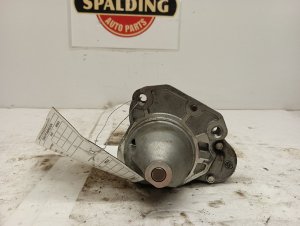
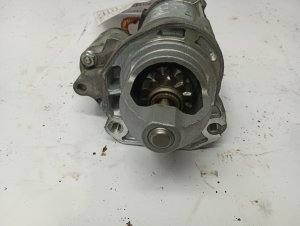
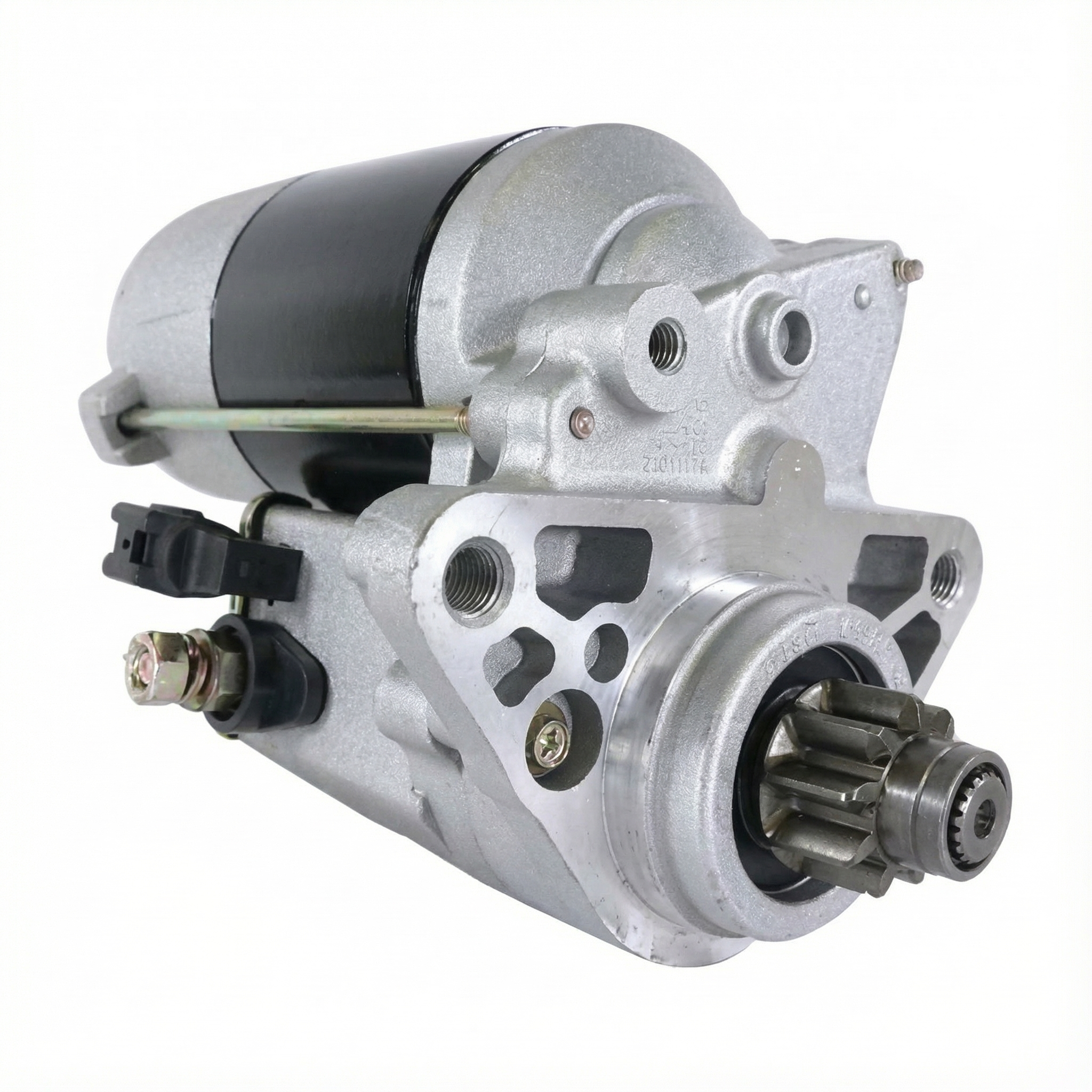
- Inspect the Drive Gear: Look closely at the small gear (the bendix) that pops out to engage the flywheel. The teeth should be sharp and free of chips, cracks, or excessive wear. Damaged teeth are a major red flag.
- Check for Physical Damage: Inspect the starter's case for any cracks or signs of heavy impact. Check the electrical terminals on the solenoid to ensure they are intact and not corroded or stripped.
- Consider the Mileage: While starters don't have a set lifespan, one from a lower-mileage vehicle is generally preferable. Failure rates tend to increase significantly after 75,000 miles, especially on vehicles with the ESS system which sees more use.
- Look for Oil Contamination: The 3.6L Pentastar engine can sometimes develop oil leaks from the oil cooler housing, which is located above the starter. An oil-soaked starter is likely to fail prematurely. If the used starter you are considering is covered in old, caked-on oil, it's best to avoid it.
Cost Comparison for Starter Motor Replacement
Prices can vary based on location and the specific part required (ESS vs. Non-ESS). The ESS-equipped starters are typically more expensive.
| Part/Service | Estimated Cost | Notes |
|---|---|---|
| New OEM (Mopar) | $350 - $550 | Price for the part only. The higher end is for the ESS version. |
| New Aftermarket | $150 - $300 | Prices vary widely by brand and quality. |
| Remanufactured | $150 - $350 | A common option from parts stores. Quality can vary. |
| Used OEM | $50 - $150 | Offers OEM quality at a significant discount. Price depends on mileage and condition. |
| Shop Labor | $250 - $500 | Labor costs are higher for the minivans due to tighter access. Ram ProMaster is generally less. |
| Total Professional Replacement | $450 - $900+ | Using a new part at a repair shop. Pacifica/Voyager/Grand Caravan will be on the higher end of this range. |
Replacement Information and Tips
Replacing the starter on these vehicles is considered a moderately difficult job for a DIY mechanic.
- Location: The starter is located on the front, lower portion of the engine, where the engine meets the transmission.
- Access on Minivans: On the Chrysler Pacifica, Voyager, and Grand Caravan, access is very tight. Some repair procedures require loosening or removing the catalytic converter and heat shields to gain enough clearance to remove the starter bolts. This adds significant time and complexity to the job.
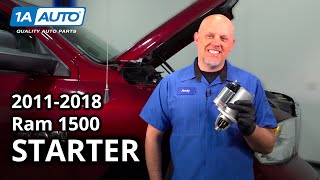
- Access on Ram ProMaster: Access on the Ram ProMaster is generally easier due to the larger engine bay, making it a more straightforward replacement. 🎬 Watch: Step-by-step starter replacement for the 3.6L V6 engine
- Key Steps: The basic process involves disconnecting the battery, safely raising and supporting the vehicle, removing any necessary components for access (like splash shields or exhaust parts), disconnecting the electrical connections from the starter solenoid, and then unbolting the two main mounting bolts that hold the starter to the transmission bell housing.
- Torque Specs: While specific official specs can be hard to find, a common torque specification for the main starter mounting bolts on the 3.6L Pentastar engine is approximately 40 ft-lbs (54 N·m). The smaller nut for the main power cable on the solenoid should be tightened to around 115 in-lbs (13 N·m). Always confirm specs for your specific vehicle if possible.
Pro Tip: Before removing the old starter, take a clear photo of the wiring connections on the solenoid. This will ensure you reconnect them correctly on the new unit. Always disconnect the negative battery terminal before beginning any work to prevent dangerous electrical shorts.
Frequently Asked Questions (FAQ)
Is my battery dead or is it the starter?
This is a very common question. If you try to start the car and the interior lights are bright and don't dim, and you hear a distinct "click," the problem is more likely the starter. If the lights are very dim or go out completely when you turn the key, and you hear rapid clicking or no sound at all, the battery is the more likely culprit. The surest way to know is to test the battery with a multimeter or have it tested at an auto parts store.
Can I jump-start a car with a bad starter?
No. A jump-start provides power to a weak or dead battery. If the starter motor itself is broken, providing extra power from another vehicle won't make it work. If a jump-start fails to start the engine, it's a strong indication that the starter is the problem.
What is the Engine Start-Stop (ESS) system?
The Engine Start-Stop (ESS) system is a fuel-saving feature that automatically shuts off the engine when the vehicle comes to a complete stop, such as at a traffic light. When the driver releases the brake pedal, the system instantly restarts the engine. Because this happens many times during a single trip, vehicles with ESS require a much more durable starter motor and battery system to handle the constant use.
Do I need to replace anything else when I replace the starter?
Generally, no other parts are required. However, this is an excellent time to inspect the battery cables. If the cable ends connected to the starter or battery are heavily corroded, they should be cleaned thoroughly or replaced to ensure the new starter receives full power.
Helpful Videos
Technical Specifications
OEM Part Numbers: 56029818AA 56029818AB 56029818AC 68348376AA 68348376AB 68348376AC
Voltage: 12V. Mounting Bolt Torque: Approx. 40 ft-lbs (54 N·m). Power Cable Nut Torque: Approx. 115 in-lbs (13 N·m).
We Have This Part in Stock

The information in this article is provided for general reference and educational purposes only. Vehicle specifications, procedures, and part compatibility can vary by production date, trim level, and region. Always consult your vehicle's factory service manual and verify part numbers before purchasing or performing repairs. Safety-critical components such as airbags, seat belts, and braking systems should be installed by a qualified professional.
- Chrysler Pacifica:
- Chrysler Grand Caravan:
- Chrysler Voyager:
- Ram ProMaster 1500:
- Ram ProMaster 2500:
- Ram ProMaster 3500:
- 🎬 Helpful Videos
- 🛍️ Shop This Part
- Compatibility Warning: Engine Start-Stop (ESS) vs. Non-ESS Starters
- Symptoms of a Failing Starter Motor
- 1. Clicking Sound When Starting
- 2. Engine Cranks Slowly
- 3. Grinding or Whirring Noise
- 4. No Sound and No Crank
- 5. Smoke or Burning Smell
- Known Issues, TSBs, and Recalls
- Buying a Used Starter Motor: What to Look For
- Cost Comparison for Starter Motor Replacement
- Replacement Information and Tips
- Frequently Asked Questions (FAQ)
- 🎟️ Get 5% Off