

Ford 3.5L/3.7L Starter Failure: Diagnosing Noises & No-Start in Explorer, Edge, Taurus & More
This guide covers the common failure symptoms, replacement costs, and diagnostic procedures for the starter motor in a wide range of Ford, Lincoln, and Mercury vehicles equipped with the 3.5L and 3.7L V6 engines.
- A single, loud click when turning the key is the most common symptom of a failed starter motor, as opposed to the rapid clicking of a weak battery.
- This starter fits a wide range of Ford, Lincoln, and Mercury vehicles with the 3.5L or 3.7L V6 engine.
- Replacement is moderately difficult, requiring removal of the air intake system for access from the top of the engine.
- When replacing the starter, always inspect the teeth on the flywheel for damage to avoid destroying the new part.
Diagnosing a Failing Starter Motor in Ford, Lincoln, and Mercury Vehicles


A no-start condition can be stressful, but understanding the specific symptoms can help you determine if the starter motor is the culprit. This component is shared across many popular vehicles, including the 2011-2019 Ford Explorer, 2007-2018 Ford Edge, 2008-2019 Ford Taurus, 2009-2019 Ford Flex, 2008-2009 Ford Taurus X, 2013-2016 Lincoln MKZ, 2010-2019 Lincoln MKT, 2007-2018 Lincoln MKX, 2017-2020 Lincoln Continental, and 2008-2009 Mercury Sable, all equipped with the 3.5L or 3.7L V6 engine.
Symptoms of a Bad Starter
Before assuming the starter is bad, always ensure your battery is fully charged and the terminals are clean and tight. Many starter issues are actually caused by a weak or dead battery. A simple battery test at an auto parts store can save you from replacing the wrong part.
- Single, Loud Click: You turn the key, and all you hear is one solid 'CLICK' from the engine bay, but the engine doesn't crank. This often means the starter solenoid is engaging, but the motor itself is failing to spin.
- Rapid Clicking/Chattering: A fast clicking or chattering sound when you try to start the engine is a classic sign of a low battery that doesn't have enough power to turn the starter motor over.
- Grinding or Whirring Noise: If you hear a grinding or high-pitched whirring sound, it could mean the starter's Bendix gear is not engaging properly with the flywheel, or it's failing to retract after the engine has started. This can cause damage to the flywheel if not addressed.
- No Sound at All: If the dashboard lights come on but you hear nothing when turning the key, the problem could be the starter solenoid, the ignition switch, or the neutral safety switch, in addition to the starter motor itself.
- Smoke or Burning Smell: Smoke coming from the starter area indicates a serious electrical problem. The starter motor may be shorted out and continuously drawing power, causing it to overheat. Disconnect the battery immediately to prevent a fire.
Known Issues, TSBs, and Recalls
As of early 2026, there are no widespread recalls or Technical Service Bulletins (TSBs) specifically targeting the starter motor on this wide range of vehicles. Failures are generally related to normal wear and tear over time and start cycles rather than a specific manufacturing defect. However, problems like oil or coolant leaks from higher up on the engine can drip onto the starter, causing premature failure. Always inspect the area above the starter for any signs of fluid leaks when diagnosing a starting issue.
Pro Tip: Before condemning the starter, perform a voltage drop test on the battery cables. A corroded or damaged cable can prevent the necessary amperage from reaching the starter, mimicking the symptoms of a failed motor.
Buying a Used Starter Motor
For this particular part, a high-quality, low-mileage used OEM starter is often a superior choice to a new, cheap aftermarket unit. Original Ford and Motorcraft starters were built to a high standard to last the life of the vehicle. Many aftermarket options use lower-quality materials that can lead to a much shorter service life.
What to Inspect on a Used Starter:
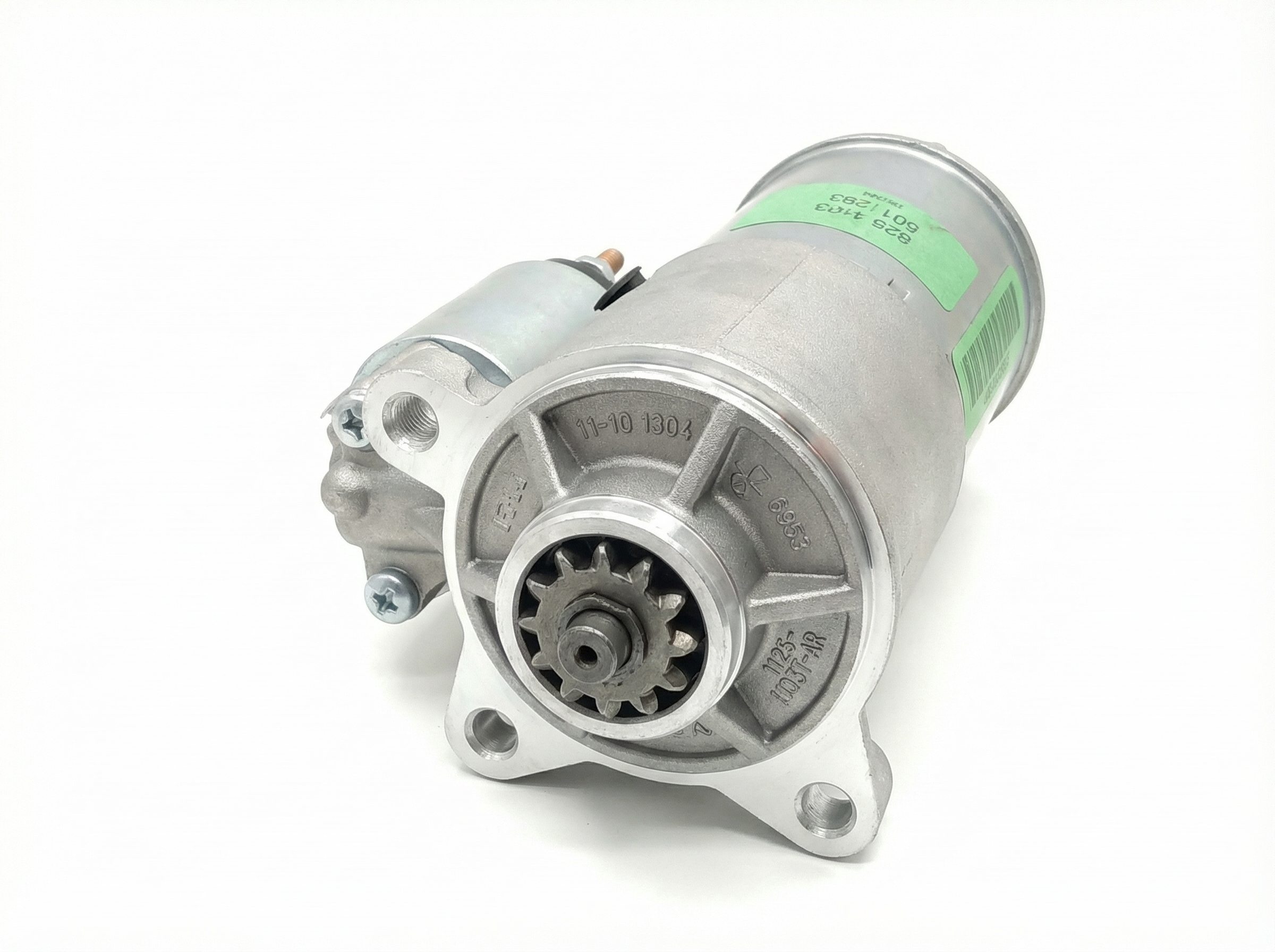
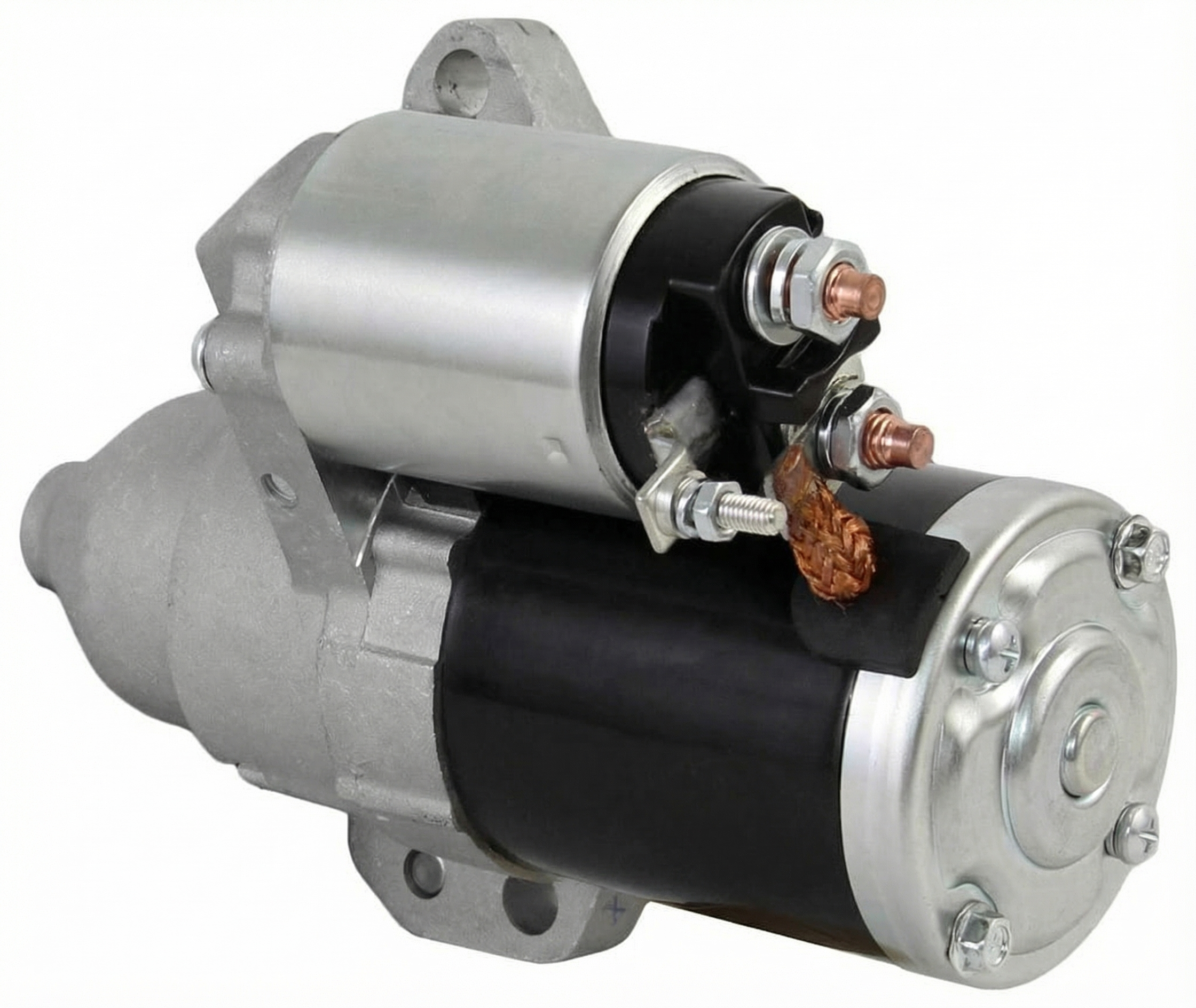
- Electrical Terminals: Check the main power stud and the smaller solenoid stud. They should be clean, straight, and have undamaged threads. Avoid any starter with stripped, corroded, or broken terminals.
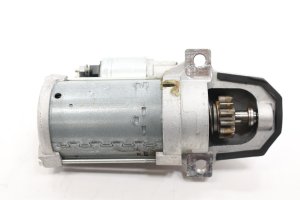
- Bendix Gear: Inspect the teeth on the small gear that pops out to engage the flywheel. The teeth should be sharp and free of chips, cracks, or excessive wear. A damaged gear suggests potential problems with the flywheel of the donor vehicle.
- Housing: Look for any cracks in the aluminum housing. Also, check for discoloration, which could be a sign of overheating from a previous electrical issue.
- Fluid Contamination: Avoid any starter that is caked in oil or has the greenish-white residue of dried coolant. These fluids can seep inside and ruin the electrical components.
- Mileage vs. Start Cycles: Mileage is less of a concern than the number of times the vehicle was started. A starter from a 100,000-mile highway vehicle is likely in better condition than one from a 50,000-mile delivery vehicle that was started dozens of times a day. Aim for a part from a vehicle with under 120,000 miles for a good balance of value and longevity.
Replacement Overview and Costs

Replacing the starter on these vehicles is a moderately difficult job that a skilled DIY mechanic can perform. Access can be tight, often requiring the removal of the air filter housing and intake tubing to reach the starter from the top of the engine bay.
Warning: Always disconnect the negative battery terminal before beginning work. The main power cable to the starter is always live, and accidentally grounding it can cause dangerous sparks, damage to components, or serious injury.
Key Replacement Steps:
- Disconnect the negative battery terminal.
- Remove the engine cover and air filter housing assembly for access.
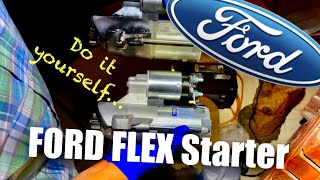
- On some models like the Ford Flex, you may need to disconnect the shift cable linkage to create enough clearance. 🎬 See how to clear space and replace a Flex starter.
- Disconnect the small signal wire (10mm nut) and the main battery cable (13mm nut) from the starter solenoid.
- Remove the two or three mounting bolts (typically 13mm) that hold the starter to the transmission bellhousing.
- Maneuver the old starter out and install the new one.
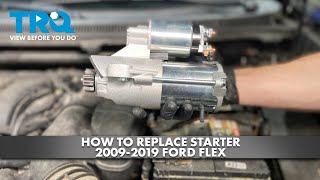
- Tighten the mounting bolts to the correct torque specification, typically 26 ft-lbs (35 Nm). 🎬 Follow this video guide for a complete starter motor walkthrough.
- Reconnect the electrical cables. The large nut should be torqued to about 80 in-lbs (9 Nm) and the small nut to about 27-50 in-lbs (3-5.6 Nm).
Cost Comparison
Prices can vary based on location and supplier, but this provides a general estimate of what to expect.
| Part Type | Estimated Price Range | Notes |
|---|---|---|
| New OEM (Ford/Motorcraft) | $225 - $365 | Highest quality and price. Often requires a core charge. |
| New Aftermarket | $100 - $255 | Quality can vary significantly between brands. |
| Used OEM | $40 - $95 | Excellent value. Inspect carefully before purchase. |
| Remanufactured | $130 - $250 | A rebuilt unit, quality depends on the rebuilder. Often includes a warranty and core charge. |
| Shop Labor Cost | $135 - $300 | Typically 1.5 to 2.5 hours of labor. |
Rebuild vs. Replace
While rebuilding a starter motor by replacing internal components like the solenoid, brushes, and contacts is technically possible, it is not common practice for most DIYers or even professional shops today. Sourcing the correct individual parts can be difficult, and the cost savings are often minimal compared to buying a quality used or remanufactured unit. For most people, replacing the entire starter assembly is the most practical and reliable solution.
Frequently Asked Questions
Can a bad starter drain my battery?
Yes. If the starter has an internal short circuit or if the solenoid contacts get stuck, the motor can continue to draw power from the battery even when the car is off, leading to a dead battery.
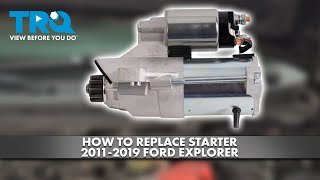
Is it difficult to replace the starter on a 2011-2019 Ford Explorer or 2007-2018 Ford Edge? 🎬 Watch this step-by-step starter replacement on a Ford Explorer.
It is considered an intermediate-level repair. While the starter is located on the top side of the transmission, accessing it requires removing the airbox and other components. It can be done with common hand tools, but patience is required due to the tight space.
Why does my car only start sometimes? Is it the starter?
Intermittent starting is a common symptom of a failing starter. It could be a 'dead spot' on the motor's internal windings or worn brushes that only make contact sometimes. The classic diagnostic trick is to gently tap the starter motor with a hammer or wrench; if the car starts immediately after, it's a strong sign the starter motor is worn out and needs replacement.
Should I replace any other parts with the starter motor?
While the starter is removed, it is a critical opportunity to inspect the teeth on the engine's flywheel (flexplate). Use a light to look inside the bellhousing opening. If you see any chipped, broken, or excessively worn teeth, the flywheel must be replaced. A damaged flywheel will quickly destroy a new starter.
Helpful Videos

Technical Specifications
OEM Part Numbers: 8G1T11000AA 8G1T11000AB 8G1Z11002A 8G1Z11002B HD9Z11002A HD9Z11002B
Voltage: 12V, Power Rating: 1.0-1.4 kW, Rotation: Counterclockwise, Design: Permanent Magnet Gear Reduction (PMGR)
We Have This Part in Stock

The information in this article is provided for general reference and educational purposes only. Vehicle specifications, procedures, and part compatibility can vary by production date, trim level, and region. Always consult your vehicle's factory service manual and verify part numbers before purchasing or performing repairs. Safety-critical components such as airbags, seat belts, and braking systems should be installed by a qualified professional.
- Ford Explorer:
- Ford Edge:
- Ford Taurus:
- Lincoln MKZ:
- Lincoln MKT:
- Lincoln Continental:
- Mercury Sable:
- Lincoln MKX:
- Ford Flex:
- Ford Taurus X:
- Lincoln MKS:
- 🎬 Helpful Videos
- 🛍️ Shop This Part
- Diagnosing a Failing Starter Motor in Ford, Lincoln, and Mercury Vehicles
- Symptoms of a Bad Starter
- Known Issues, TSBs, and Recalls
- Buying a Used Starter Motor
- What to Inspect on a Used Starter:
- Replacement Overview and Costs
- Key Replacement Steps:
- Cost Comparison
- Rebuild vs. Replace
- Frequently Asked Questions
- 🎟️ Get 5% Off