

Starter Motor Guide for 2015-2017 Chrysler 200 & 2021-2022 Jeep Compass 2.4L
Diagnosing the tell-tale click, grind, or no-start condition in your 2.4L Tigershark engine and navigating the tricky replacement.
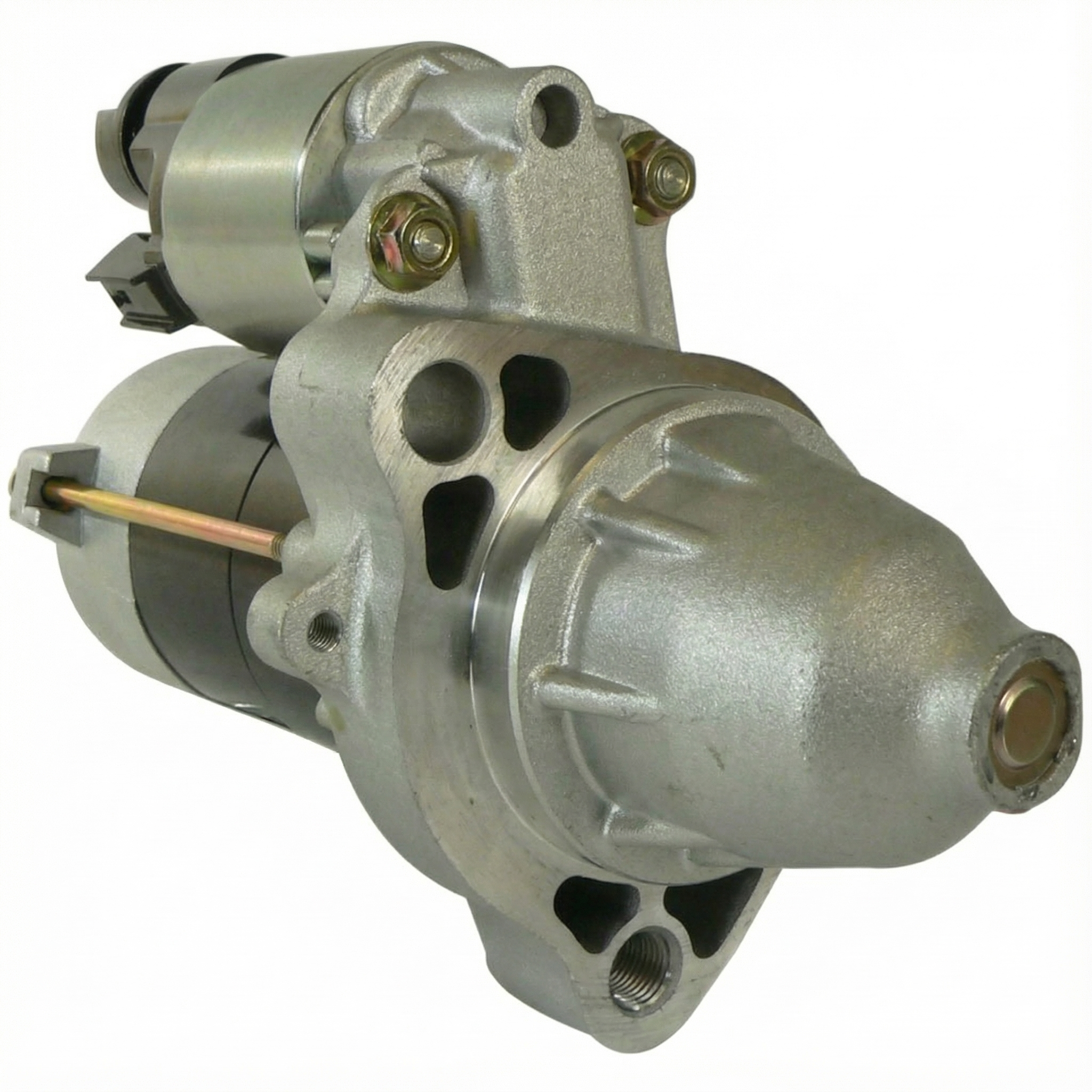
- This starter fits the 2.4L engine in the 2015-2017 Chrysler 200 and 2021-2022 Jeep Compass. It does NOT fit 2023+ Compass models with the 2.0L Turbo.
- Replacement on the Jeep Compass is significantly more difficult and costly than on the Chrysler 200, requiring removal of the intake manifold.
- Before condemning the starter, always check the battery, clean the cable connections, and verify the engine oil level, as the 2.4L engine is known for oil consumption that can trigger a no-start condition.
- Classic failure symptoms include a single loud click with no crank, grinding noises, or intermittent no-start issues.
Part and Vehicle Compatibility
This guide covers the starter motor for the 2.4L Tigershark MultiAir engine found in the following vehicles:
- 2015-2017 Chrysler 200
- 2021-2022 Jeep Compass
Important Compatibility Notes: This starter is specific to models with the 2.4L engine. The 2023 and newer Jeep Compass models use a different 2.0L Turbo engine with a different starter motor. While this starter fits 2.4L engines both with and without the Engine Stop/Start (ESS) feature, it is the heavy-duty version required for vehicles that have ESS.
Key OEM Part Numbers
The primary OEM part number for this starter has been updated several times. The latest part number supersedes all previous versions. When searching for a new or used part, any of these numbers will fit, but the latest version is generally preferred.
- 56029783AF (Latest)
- Supersedes: 56029783AE, 56029783AD, 56029783AC, 56029783AB, 56029783AA
Symptoms of a Failing Starter Motor
A bad starter can mimic other issues, like a dead battery. Pay close attention to these specific signs to correctly diagnose the problem.
1. A Loud Single Click or Rapid Clicking
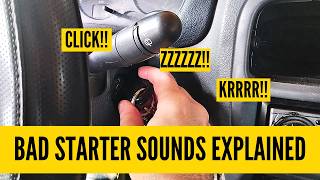
When you try to start the engine, you hear a distinct 'CLICK' but the engine doesn't turn over. This is the sound of the starter's solenoid engaging, but the motor itself failing to spin. This can be due to a weak battery, but if a jump start doesn't help, the starter is the likely culprit. A series of rapid clicks often points to a battery that doesn't have enough power to turn the starter motor.
2. Grinding or Whirring Noises
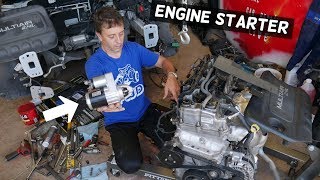
A harsh grinding sound during startup suggests the starter's pinion gear is not meshing correctly with the engine's flywheel, or the gear is damaged. 🎬 Listen to examples of bad starter sounds here. A high-pitched whirring or spinning noise without the engine cranking means the starter motor is spinning, but the pinion gear is not engaging the flywheel at all.
3. Engine Won't Crank, But Lights Work
If you turn the key and the dashboard lights and radio turn on, but the engine does nothing (no sound or just a single click), it's a strong sign that power is not the issue and the starter has failed.
4. Intermittent Starting Problems
The car starts fine one day but refuses to crank the next. This can be caused by a 'dead spot' on the starter motor's internal electrical contacts. Sometimes, heat from the engine can cause a failing starter to temporarily stop working, only to function again once it cools down.
5. Smoke or Burning Smell
Repeatedly trying to start a vehicle with a jammed or failing starter can cause the motor to overheat. This can lead to smoke coming from under the hood and a distinct electrical burning smell. If you see smoke, stop trying to start the vehicle immediately to prevent further damage or a fire.
Don't Mistake This for a Bad Starter
Before replacing your starter, rule out these common issues:
- Weak or Dead Battery: Always test the battery first. A battery can have enough power for lights but not enough to turn the engine over. Try jump-starting the vehicle. If it starts right up, your battery is the problem.
- Corroded or Loose Connections: Check the battery terminals and the main cables leading to the starter. Clean any corrosion and ensure all connections are tight. A poor connection can prevent the high current needed by the starter from getting through.
- Low Engine Oil (2.4L Tigershark Engine): This engine is known for consuming oil between changes. If the oil level gets critically low, a sensor can shut the engine down or prevent it from starting to protect internal components. This can be mistaken for a starter or battery problem. Always check your oil level if you experience a no-start condition.
Buying a Used Starter Motor
A used OEM starter can be a reliable and cost-effective alternative to expensive new parts or lower-quality aftermarket options. Here’s what to look for:
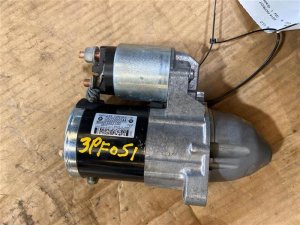
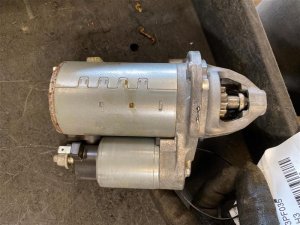
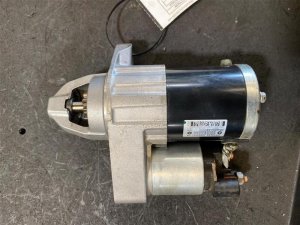
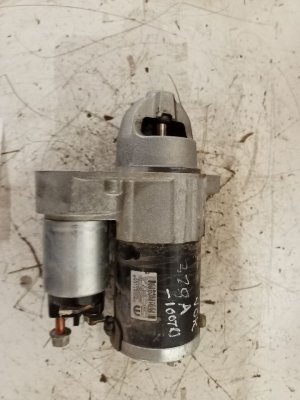
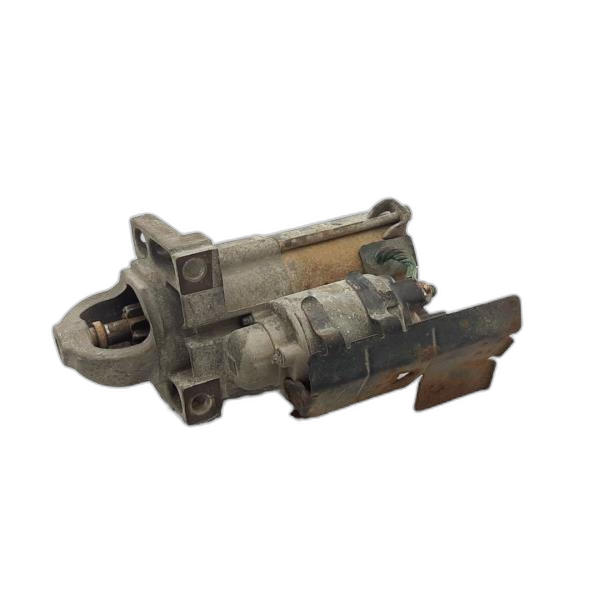
- Verify the Part Number: Make sure the part number on the starter matches one of the OEM numbers listed above (e.g., 56029783AF).
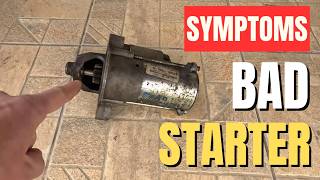
- Inspect the Pinion Gear: Look at the small gear that pops out. The teeth should be clean, sharp, and free of chips, excessive wear, or damage. Damaged teeth indicate it may have had issues engaging the flywheel.
- Check Electrical Terminals: The threaded posts where the battery and signal wires connect should be clean, straight, and free of corrosion or stripped threads.
- Examine the Housing: Look for any cracks, heavy corrosion, or signs of oil saturation. An oil-soaked starter suggests it came from an engine with a severe leak, which can damage the starter's internal components over time.
- Consider Mileage: While not always possible to know, a starter from a lower-mileage vehicle is always preferable. Starters are wear items, and failure rates increase significantly after 75,000 miles.
Replacement Overview and Difficulty
Replacing this starter is a tale of two vehicles. The difficulty varies significantly between the Chrysler 200 and the Jeep Compass.
Pro Tip: Always disconnect the negative terminal of the car battery before beginning any work on the starter to prevent dangerous electrical shorts.
2015-2017 Chrysler 200 (Moderate Difficulty)
On the Chrysler 200, the starter can often be replaced from underneath the vehicle without removing major components from the top. It is a tight space, requiring patience and a good set of wrenches and swivels.
- Access: From below the vehicle.
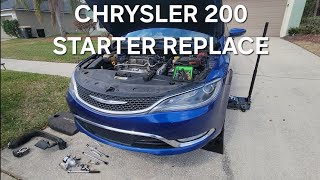
- Key Steps: The main challenge is accessing the top mounting bolt (often a 16mm). A long wrench or a socket with multiple extensions and a swivel joint is typically required. The lower bolt (often 14mm) is easier to reach. The starter can then be maneuvered out from the bottom. 🎬 Watch this step-by-step Chrysler 200 starter replacement video.
- Estimated Time: 1.5 - 3 hours.
2021-2022 Jeep Compass (High Difficulty)
The Jeep Compass presents a much greater challenge. The starter is buried deep in the engine bay, and access from below is blocked by the CV axle and subframe. The job must be done from the top, requiring the removal of several components.
- Access: From the top of the engine bay.
- Key Steps: This procedure typically requires removing the battery, battery tray, air intake box, and the entire intake manifold to gain access. The transmission mounts may also need to be loosened or removed. This is a significantly more involved job than on the Chrysler 200.
Warning: A small plastic coolant overflow hose near the back of the engine is very easy to break during this repair. Be extremely careful when working in this area.
🎬 See how to replace the starter on a 2.4L Jeep.- Estimated Time: 3 - 5 hours.
Torque Specifications
Official factory torque specifications for the starter mounting bolts are not consistently published in standard repair guides. When reinstalling, ensure the bolts are tightened securely. A common practice for bolts of this size (M10-M12) is to tighten them to be snug and secure, generally in the 30-40 ft-lbs range. However, it is always best to consult a vehicle-specific factory service manual for the exact specification.
Cost of Replacement
The cost to replace this starter varies based on the part source and whether you perform the labor yourself. The higher labor time for the Jeep Compass significantly increases the shop replacement cost.
| Item | Estimated Cost |
|---|---|
| New OEM Part | $250 - $385 |
| New Aftermarket Part | $90 - $200 |
| Remanufactured Part | $140 - $250 (plus core charge) |
| Used OEM Part | $50 - $125 |
| Shop Labor (Chrysler 200) | $325 - $475 |
| Shop Labor (Jeep Compass) | $480 - $700 |
| Total Shop Replacement (Chrysler 200) | $678 - $1,001 |
| Total Shop Replacement (Jeep Compass) | $806 - $1,135 |
Frequently Asked Questions (FAQ)
Is it safe to drive with a failing starter?
Yes, but you risk being stranded. A failing starter will not affect the vehicle's performance once the engine is running. The primary risk is that the car will not restart after you shut it off, leaving you stuck at your destination.
Can I replace this starter myself?
For the Chrysler 200, it is a feasible DIY job for someone with moderate mechanical experience and the right tools (especially long wrenches and swivels). For the Jeep Compass, it is a difficult and time-consuming DIY job recommended only for experienced mechanics due to the need to remove the intake manifold and other components.
Does the Engine Stop/Start (ESS) system cause the starter to fail sooner?
Yes, vehicles with ESS place much higher demand on the starter motor, causing it to wear out more quickly than in a vehicle without this feature. These systems require a more robust, heavy-duty starter to handle the frequent restarts, but even these will have a finite lifespan.
Why does my car just 'click' once instead of starting?
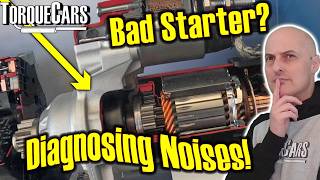
A single, loud click is the classic symptom of a failed starter motor or a bad starter solenoid. The click is the sound of the solenoid trying to engage the motor, but the motor itself is unable to turn. If the battery is known to be good, the starter is the most likely cause.
Helpful Videos
Technical Specifications
OEM Part Numbers: 56029783AF 56029783AE 56029783AD 56029783AC 56029783AB 56029783AA
Voltage: 12V, Power: 1.4 kW, Rotation: Clockwise, Teeth: 10, Type: Permanent Magnet Gear Reduction (PMGR)
We Have This Part in Stock

The information in this article is provided for general reference and educational purposes only. Vehicle specifications, procedures, and part compatibility can vary by production date, trim level, and region. Always consult your vehicle's factory service manual and verify part numbers before purchasing or performing repairs. Safety-critical components such as airbags, seat belts, and braking systems should be installed by a qualified professional.
- Jeep Compass:
- Chrysler 200:
- 🎬 Helpful Videos
- 🛍️ Shop This Part
- Part and Vehicle Compatibility
- Key OEM Part Numbers
- Symptoms of a Failing Starter Motor
- 1. A Loud Single Click or Rapid Clicking
- 2. Grinding or Whirring Noises
- 3. Engine Won't Crank, But Lights Work
- 4. Intermittent Starting Problems
- 5. Smoke or Burning Smell
- Don't Mistake This for a Bad Starter
- Buying a Used Starter Motor
- Replacement Overview and Difficulty
- 2015-2017 Chrysler 200 (Moderate Difficulty)
- 2021-2022 Jeep Compass (High Difficulty)
- Torque Specifications
- Cost of Replacement
- Frequently Asked Questions (FAQ)
- 🎟️ Get 5% Off