

2019-2025 Subaru Ascent Starter Motor: Noises, TSBs, and Replacement Guide
A detailed look at the common failure symptoms, known issues, and replacement costs for the starter motor in the 2019-2025 Subaru Ascent.
- A single loud 'click' with no crank is the classic sign of a bad starter, while rapid clicking often means a weak battery.
- A whirring or spinning sound without the engine cranking is a known issue on 2019-2021 models, addressed by TSB 07-198-21.
- Always test the battery before replacing the starter; weak batteries are a very common point of failure on the Ascent.
- The updated OEM part number is 23300AA91B, which replaces the original 23300AA91A.
Symptoms of a Failing Starter Motor
A bad starter in a Subaru Ascent often gives warning signs before it fails completely. It's important to distinguish these from battery problems, which can cause similar no-start conditions. Always test your battery and check its connections for corrosion before assuming the starter is the culprit.
Common Failure Sounds
- Single Loud Click, Then Nothing: This is the most classic symptom of a failed starter. When you press the start button, you hear one distinct 'click' from the engine bay, but the engine doesn't crank. This usually means the starter solenoid is engaging, but the motor itself is dead and not spinning.
- Whirring or High-Pitched Spinning Noise: If you hear a fast spinning or whining sound but the engine isn't turning over, it points to a failure in the starter's one-way clutch or Bendix gear. The motor is spinning, but it's not successfully engaging the flywheel to crank the engine. This specific issue is a known problem for the 2019-2021 Ascent.
- Grinding Noise: A harsh, metallic grinding sound during or just after cranking means the starter gear is not meshing correctly with the flywheel's teeth or is failing to retract. Continuing to try and start the engine can cause expensive damage to the flywheel.
- Slow, Labored Cranking: If the engine turns over much more slowly than usual, it can be a sign of a failing starter motor drawing excessive electrical current. However, this symptom is also very common with a weak or dying battery.
- No Sound at All: While this could be a completely dead battery or an ignition system problem, it can also indicate a total failure of the starter motor and solenoid.
Known Issues, TSBs, and Recalls
While there are no direct safety recalls for the starter motor itself, Subaru has issued Technical Service Bulletins (TSBs) that address related starting issues.
TSB 07-198-21: Whiny Starter & No-Crank Failure
Subaru identified an issue in 2019-2021 Ascent models where the starter develops a loud, whiny, or "chirpy" sound during startup. If ignored, this can lead to a complete failure where the starter whirs but does not crank the engine. The problem is caused by a faulty one-way clutch inside the starter assembly. The fix involves replacing the starter with an updated part. This repair is typically covered under the vehicle's basic 3-year/36,000-mile warranty.
TSB 09-88-22: No-Start in Cold Weather
This TSB addresses a condition on 2019-2022 Ascent models where the starter motor may not operate when trying to restart the engine after a short trip in temperatures below freezing (32°F / 0°C). The issue is caused by moisture freezing inside the ignition relay. The solution is an ECM (Engine Control Module) software update that changes the relay's operation to prevent this. This may also be associated with a P0890 trouble code.
Related Recalls
It's important to note that the Ascent has had several recalls for electrical and starting-related issues that are not directly the starter motor. These include a recall for a faulty PCV valve that could cause the engine to stall (NHTSA Campaign Number: 19V856000) and a major recall for an improperly secured ground bolt for the PTC heater that posed a fire risk (NHTSA Campaign Number: 22V907000). These highlight the importance of ensuring the entire electrical system is in good order when diagnosing starting problems.
Pro Tip: Many starting issues on the Ascent are incorrectly blamed on the starter when the root cause is a weak battery. The OEM batteries in these vehicles are known to have a limited lifespan, especially with the power demands of modern electronics and the Auto Start-Stop system. Always have your battery professionally tested before deciding to replace the starter.
Buying a Used Starter Motor
For many owners, a used OEM starter is a smart choice, offering the same quality and fit as a new dealer part at a fraction of the price. Here’s what to look for:
- Verify Part Numbers: The original part number for the 2019 Ascent was 23300AA91A. This has been superseded by the updated part number 23300AA91B. When buying used, aim for the newer '91B' version if possible, as it may have internal updates to address the known clutch issue.
- Mileage is Key: Starters are wear items. A starter from a low-mileage vehicle (e.g., under 60,000 miles) is a much safer bet than one from a high-mileage vehicle. Ask the seller for the mileage of the donor vehicle.
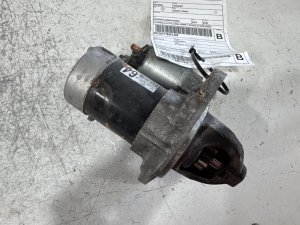
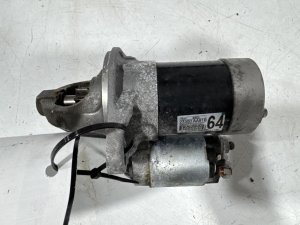
- Physical Inspection: Check the electrical terminals for any signs of corrosion, arcing, or heat damage. Ensure the case is not cracked or damaged. The small Bendix gear should be clean and free of chipped teeth.
- Why Used OEM vs. New Aftermarket: A recycled OEM starter from a low-mileage Ascent is often more reliable than a new, cheap aftermarket part. Aftermarket starters can have issues with fitment and longevity, while the OEM part was designed specifically for your vehicle's 2.4L engine and electrical system.
Replacement Overview
Replacing the starter on a Subaru Ascent is a moderately difficult job that is feasible for a DIY mechanic with the right tools.
- Location: The starter is typically located on the top of the transmission bellhousing, accessible from the top of the engine bay after removing the air intake assembly.
- Difficulty: 2 out of 5. The main challenge is accessing the bolts and electrical connectors in a tight space.
- Estimated Time: 1-1.5 hours.
- Key Steps:
- Disconnect the battery negative terminal. This is the most critical safety step to prevent electrical shorts and injury.
- Remove the air intake ducting for access.
- Disconnect the main power cable and the small solenoid signal wire from the starter.
- Unbolt the two main mounting bolts that hold the starter to the transmission.
- Installation is the reverse of removal. Ensure all electrical connections are clean and tight.
Warning: Always disconnect the battery's negative terminal before beginning any work on the starter motor. The main power cable to the starter is connected directly to the battery and is always live, carrying enough current to cause severe burns, sparks, and damage to the electrical system if accidentally grounded.
Cost Comparison
Prices can vary by supplier and location, but here is a general breakdown of costs:
| Part Type | Estimated Cost |
|---|---|
| New OEM (Subaru Dealer) | $275 - $410 |
| New Aftermarket | $150 - $250 |
| Used OEM (Recycled) | $75 - $150 |
| Remanufactured | $150 - $200 |
| Shop Labor for Replacement | $175 - $275 |
Frequently Asked Questions
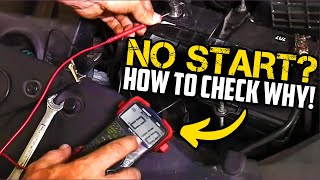
Is my problem the starter or the battery? 🎬 Watch: Simple DIY diagnosis for clicking sounds when starting
A rapid clicking sound often points to a weak battery, while a single, loud click usually indicates a bad starter. The best way to know for sure is to test the battery first. A fully charged, healthy battery should read around 12.6 volts. If the battery is good, the starter is the next likely culprit.
Can I drive my Ascent with a failing starter?
No. While the car will run fine once started, a failing starter is unreliable. The next time you shut the engine off, it may not restart, leaving you stranded. It is critical to address the issue as soon as symptoms appear.
Do I need to program a new starter?
No. The starter motor is a direct-replacement mechanical and electrical part. It does not require any programming or calibration after installation. However, if your car required the ECM update from TSB 09-88-22 for cold start issues, that must be performed by a dealer.
Why did my starter fail on a relatively new vehicle?
For 2019-2021 models, there is a known issue with the starter's internal one-way clutch that can lead to premature failure, as outlined in TSB 07-198-21. In other cases, frequent short trips and the wear from Auto Start-Stop systems can increase the number of start cycles, leading to a shorter lifespan compared to older vehicles.
Helpful Videos
Technical Specifications
OEM Part Numbers: 23300AA91A 23300AA91B
Voltage: 12V, Power Rating: 1.2 kW, Rotation: Clockwise
We Have This Part in Stock

The information in this article is provided for general reference and educational purposes only. Vehicle specifications, procedures, and part compatibility can vary by production date, trim level, and region. Always consult your vehicle's factory service manual and verify part numbers before purchasing or performing repairs. Safety-critical components such as airbags, seat belts, and braking systems should be installed by a qualified professional.
- Subaru Ascent:
- 🎬 Helpful Videos
- 🛍️ Shop This Part
- Symptoms of a Failing Starter Motor
- Common Failure Sounds
- Known Issues, TSBs, and Recalls
- TSB 07-198-21: Whiny Starter & No-Crank Failure
- TSB 09-88-22: No-Start in Cold Weather
- Related Recalls
- Buying a Used Starter Motor
- Replacement Overview
- Cost Comparison
- Frequently Asked Questions
- 🎟️ Get 5% Off