

2011-2013 Nissan Juke Steering Column: Diagnosing EPS Failure, Clock Spring Faults, and Noises
This in-depth guide covers the common causes of steering failure, from the electric power steering motor to the clock spring, helping you diagnose and repair your Juke correctly.
- The most common failures are the clock spring (causing airbag light and dead buttons) and the EPS motor (causing sudden loss of power steering).
- Compatibility is very specific: this column fits 2011-2012 Jukes without fog lamps and 2013 S/SV models made before June 2013.
- Replacement is not a DIY job for most due to the need for airbag handling and mandatory Steering Angle Sensor (SAS) calibration with a scan tool afterward.
- A used OEM column is a viable, cost-effective repair, but inspect it carefully for damage and verify the part number.
Symptoms of a Failing 2011-2013 Nissan Juke Steering Column
Failures in the Juke's steering column can manifest in several ways, ranging from annoying noises to critical safety issues. Problems can be electrical, mechanical, or both.
1. Sudden Loss of Power Steering
This is the most serious symptom. You may be driving normally when the power steering suddenly cuts out, making the steering wheel extremely heavy and difficult to turn. This is often accompanied by a power steering warning light on the dashboard. This failure is typically caused by a fault in the column-mounted Electric Power Steering (EPS) motor or its control module. While some NHTSA complaints mention this, there are no specific recalls for the EPS unit itself on these models.
2. Airbag Light On, Horn and Steering Wheel Buttons Not Working
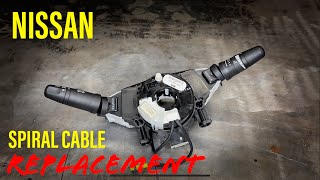
If your airbag warning light is illuminated and your horn, cruise control, and/or radio buttons have stopped working, the culprit is almost certainly a failed clock spring. The clock spring is a coiled ribbon of wires inside the column that breaks from the repetitive motion of turning the wheel. This is a very common failure point. 🎬 See this walkthrough for replacing a failed clock spring. Driving with a bad clock spring is not recommended, as the driver's airbag will not deploy in a collision.
3. Noises When Turning
Rubbing or Squeaking: A dry, rubbing sound that's most noticeable when turning the wheel at low speeds is often caused by the rubber boot where the steering shaft passes through the firewall. Over time, the factory grease dries out. This is typically not a sign of mechanical danger.
Clicking or Grinding: A rhythmic clicking or scraping sound while turning can also be a symptom of a damaged clock spring ribbon catching on its housing. However, clunking and grinding can also indicate wear in the steering rack or other front-end components like tie rods, so a thorough diagnosis is necessary.
Pro Tip: To diagnose a rubbing noise, you can try applying a silicone-based grease to the area where the steering shaft passes through the firewall boot from inside the cabin. If the noise goes away, you've found your problem.
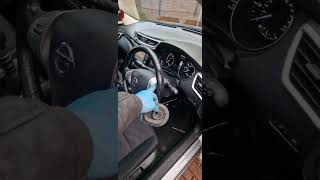
🎬 Watch: This simple fix can stop annoying steering noises.Known Issues, Recalls, and Technical Service Bulletins (TSBs)
As of early 2026, there are no open recalls from the National Highway Traffic Safety Administration (NHTSA) for a primary failure of the steering column or electric power steering system on the 2011-2013 Nissan Juke.
Recalls for this period related to the fuel pressure sensor and a turbocharger bracket could cause the engine to stall, which would result in a loss of power steering assist, but this is a secondary effect, not a failure of the steering components themselves.
Steering Angle Sensor (SAS) Calibration: Nissan has issued position statements emphasizing that a steering angle sensor reset is mandatory after any repair or replacement of steering or suspension components, including a wheel alignment. This sensor is part of the column assembly and is critical for the Vehicle Dynamic Control (VDC) and ABS systems. Failure to calibrate the sensor with a proper scan tool can cause warning lights and unpredictable handling behavior.
Buying a Used 2011-2013 Juke Steering Column
A used OEM steering column is often a smart and cost-effective choice compared to an extremely expensive new dealer part. However, careful inspection is key to getting a good part.
Warning: Compatibility is critical. The initial data is correct: this column assembly fits 2011-2012 Juke models without fog lamps, and 2013 Juke S and SV models manufactured through May 2013. Always verify part numbers and donor vehicle options before purchasing.
Inspection Checklist for a Used Column:
- Verify Part Numbers: The main column with EPS motor is typically 48811-1KM0A. The clock spring/combination switch is 25560-3XA2C. The lower shaft is 48080-1KA0A. Ensure you are buying the correct component for your needs.
- Check the Wiring: Inspect all connectors and wiring pigtails. Look for any cuts, stretched wires, or broken connector tabs. Damaged wiring is a major red flag.
- Test the U-Joint: If you are inspecting a lower steering shaft (48080-1KA0A), hold one end and try to move the other. There should be smooth movement in all directions with no binding or excessive play.
- Ask About Mileage: Lower mileage is always better. While the column itself is durable, the electronic components like the EPS motor and sensors can have a finite lifespan.
- Inspect for Physical Damage: Look for any signs of impact, heavy corrosion, or bent parts that could indicate the donor vehicle was in a serious accident.
Cost to Replace a Nissan Juke Steering Column (2011-2013)
The cost can vary significantly depending on which part of the column has failed.
| Part/Service | Estimated Cost |
|---|---|
| New OEM Steering Column (with EPS motor) | $1,400 - $2,500+ |
| Used OEM Steering Column (with EPS motor) | $125 - $250 |
| New OEM Clock Spring / Combination Switch | $190 - $300 |
| Shop Labor (Full Column Replacement) | $400 - $900 |
| Shop Labor (Clock Spring Replacement) | $150 - $250 |
| Post-Repair Wheel Alignment & SAS Calibration | $100 - $200 |
Replacement Difficulty & Procedure Overview
Replacing the steering column is a complex job not recommended for beginners. The clock spring is a more manageable DIY for those with experience.
- Difficulty Rating: 4 out of 5
- Key Steps: Disconnecting the battery (critical for airbag safety), removing the driver's airbag, using a steering wheel puller, removing lower dash panels, disconnecting electrical connectors and the intermediate shaft U-joint, and unbolting the column from its mounting bracket.
- Special Requirements: A professional-grade scan tool is required to calibrate the new steering angle sensor after installation. A full wheel alignment is also mandatory.
Warning: The airbag system is dangerous. Always disconnect the negative battery terminal and wait at least 10 minutes before working on any steering column components to allow the system's backup power to discharge. Failure to do so can result in accidental deployment and serious injury.
Frequently Asked Questions (FAQ)
Why did my horn and radio buttons stop working at the same time?
This is the classic symptom of a failed clock spring. The clock spring is a coiled wire that provides the electrical connection for all steering wheel functions, and when it breaks, all those functions fail simultaneously. The airbag light will also usually come on.
Is it safe to drive with a bad steering column?
It depends on the symptom. If you have a complete loss of power steering, it is technically possible to drive, but the steering will be extremely heavy, making it unsafe in emergency situations. If the airbag light is on due to a bad clock spring, the airbag will not deploy, which is a critical safety failure. Any significant play or binding in the steering makes the vehicle unsafe to drive.
Do I need to program a replacement steering column?
Yes. The steering angle sensor (SAS) located in the column must be calibrated using a compatible scan tool after installation. This procedure tells the vehicle's computer the straight-ahead position of the steering wheel. Skipping this step will likely result in ABS and VDC (traction control) warning lights and improper system operation.
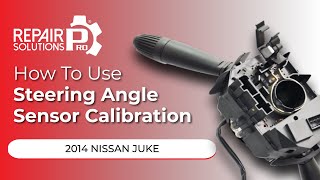
🎬 Watch: How to calibrate the steering angle sensor correctly.Can I just replace the EPS motor instead of the whole column?
Generally, no. The electric power steering motor and its control module are typically considered an integral part of the steering column assembly (part number 48811-1KM0A). They are not usually sold separately as new service parts, making a complete used column assembly the most practical repair option.
Helpful Videos

Technical Specifications
OEM Part Numbers: 488111KM0A 480801KA0A 255603XA2C
System uses a column-mounted Electric Power Steering (EPS) motor. Requires Steering Angle Sensor (SAS) calibration upon replacement.
We Have This Part in Stock

The information in this article is provided for general reference and educational purposes only. Vehicle specifications, procedures, and part compatibility can vary by production date, trim level, and region. Always consult your vehicle's factory service manual and verify part numbers before purchasing or performing repairs. Safety-critical components such as airbags, seat belts, and braking systems should be installed by a qualified professional.
- Nissan Juke:
- 🎬 Helpful Videos
- 🛍️ Shop This Part
- Symptoms of a Failing 2011-2013 Nissan Juke Steering Column
- 1. Sudden Loss of Power Steering
- 2. Airbag Light On, Horn and Steering Wheel Buttons Not Working
- 3. Noises When Turning
- Known Issues, Recalls, and Technical Service Bulletins (TSBs)
- Buying a Used 2011-2013 Juke Steering Column
- Inspection Checklist for a Used Column:
- Cost to Replace a Nissan Juke Steering Column (2011-2013)
- Replacement Difficulty & Procedure Overview
- Frequently Asked Questions (FAQ)
- 🎟️ Get 5% Off