

2008-2016 Highlander Steering: Fixing the Gen 2 Clunk & Understanding Gen 3 EPS Issues
This guide covers the notorious intermediate shaft clunk in 2008-2013 models and the separate electric power steering recalls and problems affecting 2014-2016 Highlanders.
- The most common failure on 2008-2013 Highlanders is a clunking noise caused by a faulty intermediate steering shaft. The fix is an updated OEM part (45220-48171).
- 2014-2016 Highlanders have a completely different Electric Power Steering (EPS) system. Some 2015 models were recalled for a faulty EPS ECU that could cause a loss of steering assist.
- When replacing the intermediate shaft, it is critical to secure the steering wheel to prevent it from spinning, which would damage the expensive clock spring.
- For the 2008-2013 clunk, buying a good used OEM updated shaft is often a better value than a new, cheap aftermarket part which may fail prematurely.
Critical Compatibility Warning: Two Different Generations

Warning: The 2008-2016 Toyota Highlander spans two completely different vehicle generations. The steering column and all related components are NOT interchangeable between them.
- 2nd Generation: 2008-2013 Highlander (XU40)
- 3rd Generation: 2014-2019 Highlander (XU50)
This guide is structured to address each generation separately. The most common problems are unique to each generation, so it is essential to identify your vehicle's model year correctly before diagnosing issues or buying parts.
2008-2013 Highlander (2nd Gen): The Steering Clunk

If you own a second-generation Highlander, there's a high probability you've heard or will hear a distinct noise from the steering. This is the single most reported issue for this component.
Symptoms of Failure
- Clunking, popping, or knocking noise when turning the steering wheel. This is the primary symptom. It can happen when the vehicle is parked or moving at low speeds.
- Feeling a 'catch' or notchiness in the steering. The noise is often accompanied by a tactile sensation through the steering wheel.
- Looseness or excessive play in the steering wheel. The wheel may feel less connected to the road.
- Steering wheel does not return to center smoothly. Worn components in the shaft can create friction, preventing the wheel from returning to its straight-ahead position naturally.
Known Issue: Intermediate Steering Shaft Failure (TSB T-SB-0034-13)
The cause of the infamous clunk is a design flaw in the original intermediate steering shaft. This shaft has two universal joints (U-joints) and a sliding spline that allows it to change length as the suspension moves. Over time, the splines and U-joints wear out, creating excess play that results in the clunking noise.
Toyota acknowledged this issue by releasing Technical Service Bulletin (TSB) T-SB-0034-13. This bulletin instructed dealers on how to diagnose the noise and replace the faulty shaft with a newly designed part. The repair was covered under the basic 36-month/36,000-mile warranty, but many vehicles developed the issue long after the warranty expired. This problem was also the subject of a class-action lawsuit.
Pro Tip: The fix is to replace the intermediate shaft with the updated OEM part number 45220-48171. Attempts to lubricate the old shaft are usually a temporary fix at best, with the noise often returning within a few months.
NHTSA Investigation on Detaching Steering Wheels
Between 2018 and 2023, the National Highway Traffic Safety Administration (NHTSA) investigated complaints of the steering column detaching on 2008-2013 Highlanders. In April 2024, NHTSA closed the investigation without issuing a recall. The agency found that the problem was rare (42 complaints out of over 700,000 vehicles) and likely caused by damage from previous collisions, not a manufacturing defect.
2014-2016 Highlander (3rd Gen): Electric Power Steering (EPS) Issues

The third-generation Highlander uses a fully Electric Power Steering (EPS) system. Its problems are typically electrical rather than mechanical.
Symptoms of Failure
- Sudden increase in steering effort (heavy steering). This indicates a loss of power assist.
- EPS or steering wheel warning light on the dashboard.
- Whining noise when turning the wheel. This can be caused by the electric motor.
- Vehicle's electrical system cycling on and off. Some owners have reported steering lock-ups related to broader electrical failures, sometimes traced to a loose battery ground wire.
Known Issue: EPS Control Unit Failure (Recall 15V144000)
Toyota issued a recall for certain 2015 Toyota Highlander models (along with other Toyota models) for a problem with the Electric Power Steering Electronic Control Unit (EPS ECU). A component on the ECU's circuit board may have been damaged during manufacturing, which could lead to a failure of the EPS system and a sudden loss of steering assist. Dealers were instructed to inspect the serial number on the steering column assembly or EPS ECU and replace it free of charge if it was within the affected range.
Buying a Used Steering Column: What to Check

For most owners, especially those with a 2008-2013 model, you likely only need the intermediate shaft, not the entire column assembly. For 2014-2016 models, the issue is often an integrated electronic part, making a used column a viable option.
For 2008-2013 Models (Intermediate Shaft):
- Verify the Part Number: The most important step is to get the correct, updated part. The original, faulty part is 45220-48170. The redesigned, improved part is 45220-48171. Prioritize finding a used part with the updated number.
- Check the U-Joints: Hold the shaft and try to move the U-joints by hand. They should be tight and smooth, with no clicking or notchiness. Any looseness means the part is already worn.
- Avoid Cheap Aftermarket Shafts: While tempting, cheap aftermarket intermediate shafts are known to fail quickly, sometimes developing the same clunking noise within a year. A good used OEM part is often a more reliable choice than a new, low-quality aftermarket one.
For All Models (Full Column Assembly):
- Inspect for Crash Damage: Look for any signs of bending, cracking, or stress marks on the column housing or mounting brackets. A column from a vehicle in a heavy frontal collision should be avoided.
- Test Mechanical Functions: If possible, check the tilt and telescoping functions. They should move smoothly and lock securely in place. A column that won't lock is dangerous.
- Check Electrical Connectors: Ensure all electrical connectors and wire harnesses are intact and not cut or damaged. Damaged wiring can be very difficult to repair.
- Verify Compatibility: The column must match your vehicle's options. Key factors include floor shift, keyless ignition (Smart Key), and adaptive cruise control. Provide your vehicle's VIN to the seller to ensure an exact match.
Cost of Replacement
Costs can vary significantly depending on whether you need the full column or just the intermediate shaft.
| Part / Service | Estimated Cost | Notes |
|---|---|---|
| New OEM Intermediate Shaft (2008-2013) | $220 - $250 | Part number 45220-48171. This is the most common repair. |
| New OEM Intermediate Shaft (2014-2016) | $270 - $300 | Part number 45220-0E070. |
| New OEM Full Column Assembly | $1,400 - $1,500+ | This is rarely needed and very expensive. |
| Used OEM Intermediate Shaft | $50 - $125 | A cost-effective option if you can find the updated part number. |
| Used OEM Full Column Assembly | $150 - $400 | Price varies widely based on condition and included components. |
| Shop Labor (Intermediate Shaft) | $100 - $250 | The TSB allows for 0.9 hours of labor, making this a relatively quick job for a professional. |
| Shop Labor (Full Column) | $300 - $600 | A much more involved job that requires removing parts of the dashboard. |
Replacement Overview & Difficulty
This overview covers the replacement of the intermediate shaft, which is the most common repair for the 2008-2013 Highlander.
- Difficulty: 3/5 (Moderate)
- Estimated Time: 1.5-2 hours for an experienced DIYer.
- Key Steps:
- Park the vehicle with the front wheels pointing straight ahead.
- CRITICAL: Secure the steering wheel so it cannot turn. Use the seatbelt or a steering wheel holder. If the wheel spins freely while the shaft is disconnected, you will damage the clock spring (spiral cable), which is an expensive repair.
- From inside the driver's footwell, locate the upper bolt on the intermediate shaft where it connects to the main steering column. Remove the 12mm bolt.
- From under the vehicle (it may be easier to remove the driver's side front wheel), locate the lower bolt where the shaft connects to the steering rack. Place matchmarks on the shaft and rack to ensure correct alignment, then remove the bolt.
- The shaft can now be collapsed and removed. It may require some wiggling or gentle prying to separate from the splines.
- Install the new shaft, making sure to align your matchmarks. Torque both bolts to spec (26 ft-lbf / 35 N*m).
Frequently Asked Questions (FAQ)
Is the steering clunk on my 2009 Highlander dangerous?
While the noise is alarming and indicates a worn part, it does not typically lead to a complete loss of steering control. The splines are designed with significant overlap. However, severe wear could theoretically increase steering play to a dangerous level, so it is best to have it repaired.
Can I just inject grease into the old intermediate shaft to fix the noise?
Some owners have tried this as a temporary fix. While it may quiet the noise for a short time, it does not solve the underlying mechanical wear. The clunk will almost certainly return. The only permanent solution is to replace the shaft with the updated part.
What is the difference between the steering column and the intermediate shaft?
The steering column is the large assembly directly behind your steering wheel that includes the tilt mechanism and ignition switch. The intermediate shaft is a separate, smaller part that acts as a linkage, connecting the bottom of the steering column inside the car to the steering rack in the engine bay.
Do I need a wheel alignment after replacing the intermediate shaft?
If you carefully mark the shaft's position before removal and ensure the steering wheel does not move during the repair, a wheel alignment is not usually necessary for an intermediate shaft replacement. However, if you are replacing the entire steering column or are unsure about the alignment, it is a good idea to have it checked.
Part Number and Compatibility Guide

| Generation | Part Name | Part Number(s) | Notes |
|---|---|---|---|
| 2008-2013 | Intermediate Shaft | 45220-48170 (Old), 45220-48171 (New) | The updated -48171 part fixes the clunking issue. |
| 2008-2013 | Steering Column Assembly | 45250-48160, 45250-48161 | Superseded part. Fits multiple trims but check VIN for exact match. |
| 2014-2016 | Intermediate Shaft | 45220-0E070 | Fits 2014-2019 models. Not interchangeable with 2nd gen. |
| 2014-2016 | Steering Column Assembly | 4520A-0E010, 4520A-0E020 | Compatibility depends on Smart Key and other options. |
Technical Specifications
OEM Part Numbers: 45220-48171 45220-48170 45250-48160 45250-48161 45220-0E070 4520A-0E010 4520A-0E020
Torque Spec for Intermediate Shaft Bolts: 26 ft-lbf (35 N*m).
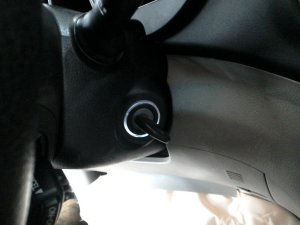
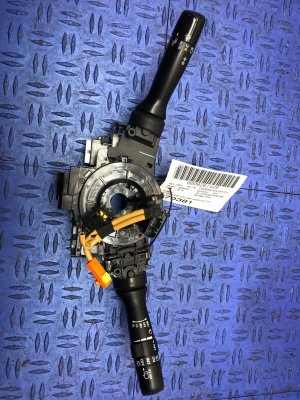
We Have This Part in Stock

The information in this article is provided for general reference and educational purposes only. Vehicle specifications, procedures, and part compatibility can vary by production date, trim level, and region. Always consult your vehicle's factory service manual and verify part numbers before purchasing or performing repairs. Safety-critical components such as airbags, seat belts, and braking systems should be installed by a qualified professional.
- Toyota Highlander:
- 🛍️ Shop This Part
- Critical Compatibility Warning: Two Different Generations
- 2008-2013 Highlander (2nd Gen): The Steering Clunk
- Symptoms of Failure
- Known Issue: Intermediate Steering Shaft Failure (TSB T-SB-0034-13)
- NHTSA Investigation on Detaching Steering Wheels
- 2014-2016 Highlander (3rd Gen): Electric Power Steering (EPS) Issues
- Symptoms of Failure
- Known Issue: EPS Control Unit Failure (Recall 15V144000)
- Buying a Used Steering Column: What to Check
- For 2008-2013 Models (Intermediate Shaft):
- For All Models (Full Column Assembly):
- Cost of Replacement
- Replacement Overview & Difficulty
- Frequently Asked Questions (FAQ)
- Part Number and Compatibility Guide
- 🎟️ Get 5% Off