

2004-2014 Toyota Sienna: Fixing Steering Noises, Binding, and Looseness
This guide covers the common steering column and intermediate shaft issues in the 2004-2014 Toyota Sienna, including symptoms, fixes, and how to buy a quality used part.
- The most common failure is the intermediate steering shaft, which causes clunking noises and stiff or binding steering.
- A binding intermediate shaft can prevent the steering wheel from returning to center on its own, which is a significant safety concern.
- When buying a used column, physically check the intermediate shaft U-joints for smooth operation and no play.
- Ensure compatibility by matching features like tilt/telescopic, cruise control, and ignition type (conventional key vs. push-button start).
Known Issues, TSBs, and Recalls
While the 2004-2014 Toyota Sienna steering column is generally reliable, the most common point of failure is the intermediate steering shaft, which connects the bottom of the column to the steering rack. Its universal joints (U-joints) are exposed to the elements and can seize or develop play over time.
- TSB #00107 (January 19, 2007): Toyota issued a Technical Service Bulletin for the steering intermediate shaft in high road salt areas. This acknowledges that corrosion can cause binding or noise in the shaft's U-joints.
- No Major Recalls: There are no major recalls for the main steering column assembly on the 2004-2014 Sienna. A recall for steering shaft extensions was issued for 2017-2020 models modified by BraunAbility, but this does not apply to the 2004-2014 generation.
Symptoms of a Failing Steering Column or Intermediate Shaft
Problems in the steering column or intermediate shaft can manifest in several ways. Pay attention to new sounds or changes in steering feel.
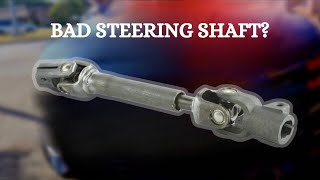
🎬 Watch: Top 8 symptoms of a bad intermediate steering shaftWarning: Do not ignore symptoms of steering failure. A loss of steering control can lead to an accident.
1. Clunking or Clicking Noises When Turning
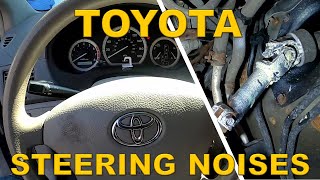
This is the most common symptom. A clunking, popping, or clicking sound when you turn the steering wheel, especially at low speeds, often points to a worn U-joint in the intermediate steering shaft. The noise comes from excessive play in the joint as it rotates.
2. Stiff or Binding Steering
If the steering wheel feels unusually hard to turn in certain spots, or feels like it's catching and releasing, the U-joints on the intermediate shaft may be seizing from rust and lack of lubrication. This can sometimes be temporarily fixed by spraying the U-joint with penetrating oil, but replacement is the permanent solution.
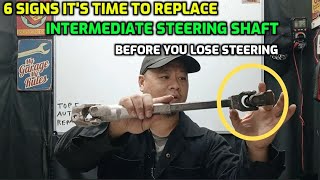
🎬 See this walkthrough on diagnosing and replacing the intermediate shaft3. Steering Wheel Doesn't Return to Center
After making a turn, the steering wheel should naturally want to return to the straight-ahead position. If you have to manually pull it back to center, it's a strong indicator of a binding intermediate shaft U-joint.
4. Excessive Looseness or "Play"
A feeling of looseness in the steering, where you can move the wheel a small amount without the vehicle changing direction, can be caused by wear in the column's internal bearings or, more commonly, the intermediate shaft connections.
5. Tilt or Telescopic Feature Fails
If the tilt or telescopic adjustment becomes difficult to move or won't lock into place, there's a mechanical issue within the column assembly itself. This can be dangerous if the column moves unexpectedly while driving.
Buying a Used Steering Column: What to Check
A used OEM steering column is often the best value, providing factory quality at a much lower price. However, careful inspection is key to getting a good part.
Compatibility Checklist
- Key Type: This guide covers columns for models with a conventional ignition key, not a push-button start system.
- Features: Ensure the donor vehicle had the same features as yours: dash-mounted shifter, tilt and telescopic adjustment, cruise control, and steering wheel radio controls.
- 2012 Model Year Split: For 2012 Siennas, be aware of a potential part change. The provided data indicates a fit for vehicles made from November 2012 onward. Always verify part numbers or consult with the seller for pre-November 2012 models.
- Part Numbers: The main column assembly is typically part number 45250-08030, 45250-08031, or 45250-08032. The intermediate shaft is often 45220-08020 (which is replaced by 45220-08030).
Physical Inspection Points
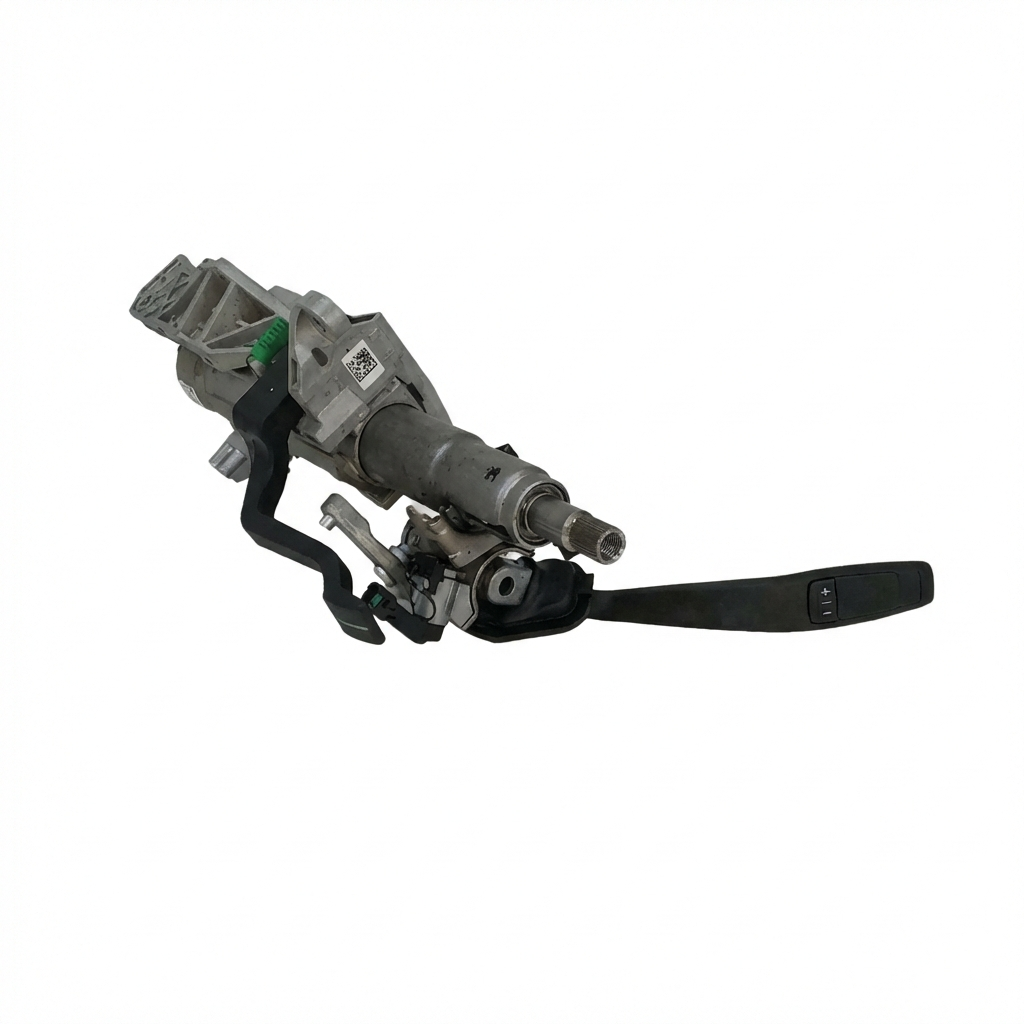
- Test the Intermediate Shaft: Hold the shaft and try to rotate the U-joints by hand. They should move smoothly in all directions with no binding or gritty feeling. Any notchiness or stiffness means the part is failing.
- Check for Play: Vigorously shake the shaft and U-joints. There should be no discernible clunking or looseness.
- Inspect the Column Body: Look for cracks, deep scratches, or any signs of impact from an accident. Check that all plastic shrouds are intact.
- Verify Adjustments: Test the tilt and telescopic lever. The column should move smoothly through its full range of motion and lock securely in place.
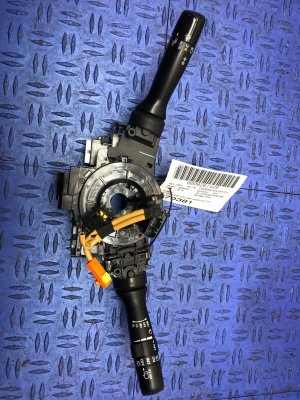
- Examine Electrical Components: Ensure all switches (turn signal, wiper, cruise) are present and move with a positive click. Check that all wiring harnesses and connectors are intact with no cut wires or damaged pins.
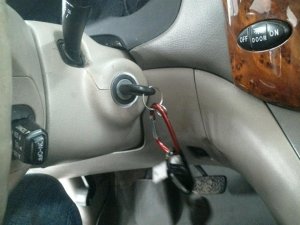
- Key and Ignition: The column should come with its matching key. Insert the key and turn it in the ignition lock cylinder. It should turn smoothly without sticking.
Pro Tip: When buying used, prioritize the mechanical feel of the intermediate shaft U-joints and the tilt mechanism over cosmetic condition. A column from a lower-mileage vehicle is preferable, but a tight, smooth-operating part is always the better choice.
Why Used OEM is Better Than New Aftermarket
For a complex, safety-critical part like a steering column, a used OEM unit is generally superior to a cheap new aftermarket one. OEM parts are built to Toyota's exact specifications for fit, material strength, and crash safety (including how the column collapses). Aftermarket parts, especially lower-cost steering shafts, may use thinner materials, have improperly designed collapsible sections, or use lower-quality U-joints that can fail prematurely.
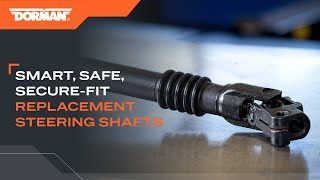
🎬 Watch: See the quality difference between OEM and aftermarket shaftsCost Comparison
Prices can vary, but this provides a general estimate for the main components.
| Part | Cost Estimate |
|---|---|
| New OEM Steering Column Assembly | $1,400 - $2,100 |
| New OEM Intermediate Shaft | $280 - $410 |
| New Aftermarket Intermediate Shaft | $60 - $160 |
| Used OEM Steering Column Assembly | $150 - $400 |
| Shop Labor (Column Replacement) | $250 - $450 |
| Shop Labor (Intermediate Shaft Only) | $150 - $250 |
Frequently Asked Questions (FAQ)
Can I just replace the bad U-joint on the intermediate shaft?
No, the universal joints on the OEM intermediate shaft are staked in and not designed to be replaced separately. The entire intermediate shaft assembly must be replaced.
Is a clunking noise from my steering dangerous?
Yes, it can be. A clunking noise indicates wear and excessive play. If the component fails completely, it could lead to a loss of steering control, increasing the risk of a crash. It should be inspected and repaired promptly.
Do I need a wheel alignment after replacing the steering column or shaft?
If you only replace the intermediate shaft or the column and are careful to re-align the parts exactly as they came apart, a full alignment is not always necessary. However, it is highly recommended to check the alignment to ensure the steering wheel is perfectly centered and to prevent uneven tire wear.
Does the steering column have to be programmed?
No. For the 2004-2014 Sienna with a conventional key, the steering column assembly does not require any electronic programming after installation. However, it is critical to carefully handle and reinstall the spiral cable (clock spring) to avoid damaging it and causing issues with the airbag and steering wheel controls.
Helpful Videos
Technical Specifications
OEM Part Numbers: 45250-08030 45250-08031 45250-08032 45220-08020 45220-08030 4520008040 8414008090 8463208021 8465202730
Fits models with dash-mounted shifter, tilt and telescopic adjustment, cruise control, steering wheel radio controls, and a conventional ignition key.
We Have This Part in Stock

The information in this article is provided for general reference and educational purposes only. Vehicle specifications, procedures, and part compatibility can vary by production date, trim level, and region. Always consult your vehicle's factory service manual and verify part numbers before purchasing or performing repairs. Safety-critical components such as airbags, seat belts, and braking systems should be installed by a qualified professional.
- Toyota Sienna:
- 🎬 Helpful Videos
- 🛍️ Shop This Part
- Known Issues, TSBs, and Recalls
- Symptoms of a Failing Steering Column or Intermediate Shaft
- 1. Clunking or Clicking Noises When Turning
- 2. Stiff or Binding Steering
- 3. Steering Wheel Doesn't Return to Center
- 4. Excessive Looseness or "Play"
- 5. Tilt or Telescopic Feature Fails
- Buying a Used Steering Column: What to Check
- Compatibility Checklist
- Physical Inspection Points
- Why Used OEM is Better Than New Aftermarket
- Cost Comparison
- Frequently Asked Questions (FAQ)
- 🎟️ Get 5% Off