

1997-1999 BMW 528i Steering Rack: Leaks, Noises, and the Servotronic Trap
This guide covers diagnosing common steering rack failures, choosing a quality used part, and avoiding the critical Servotronic compatibility mistake on your E39 5-Series.
- The biggest pitfall is buying the wrong part. This guide is for the standard rack; verify your car does NOT have the optional Servotronic system, which has an electrical connector on the rack.
- Fluid leaking from the end boots is a sure sign of failure; stop-leak products are not a reliable fix.
- Replacement is a major job that requires lowering the front subframe, making professional installation common.
- For a complete repair, also replace the power steering reservoir, fluid, and consider replacing the hoses and outer tie rod ends at the same time.
Symptoms of a Failing Steering Rack
A failing steering rack on the E39 528i typically gives clear warning signs. The most common failures are internal seal degradation, which causes fluid leaks, and mechanical wear in the gear mechanism.
Noises and Vibrations
- Whining or Groaning: A consistent whining or groaning sound that gets louder when you turn the wheel is a classic sign of low power steering fluid. This is often the first symptom, caused by the power steering pump starving for fluid due to a leak in the rack or hoses.
- Clunking or Knocking: A clunking sound or a feeling of a knock through the steering wheel, especially when turning at low speeds or when stationary, points to excessive wear in the internal gears of the rack. This indicates looseness in the mechanism.
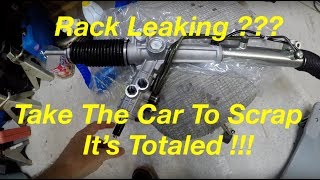
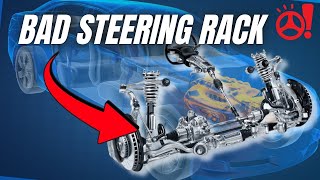
- Grinding: A harsh grinding noise when turning suggests severe fluid loss and metal-on-metal contact inside the rack. If you hear this, the rack has likely suffered significant internal damage. 🎬 Watch: 9 tips to recognize signs of a broken steering rack
Steering Feel and Behavior
- Heavy or Stiff Steering: If turning the wheel, particularly when parking or driving slowly, requires significantly more effort than before, the rack is not providing proper hydraulic assist. This can be caused by low fluid or an internal failure.
- Loose or Vague Steering: A feeling of a "dead spot" on-center, where small movements of the steering wheel don't produce a response from the front wheels, indicates internal wear. The car may also feel like it's wandering on the highway, requiring constant small corrections.
- Jerky or Inconsistent Assist: If the power assist feels like it's engaging and disengaging, causing the steering effort to change unexpectedly while turning, it can point to internal valve problems or air in the system.
Visual Signs
- Fluid Leaks: This is the most definitive sign. Power steering fluid leaking from the rubber boots (bellows) at either end of the steering rack means the internal seals have failed. Squeezing the boot and having fluid drip out confirms a bad rack. You may also see puddles of reddish or dark brown fluid under the front of the car.
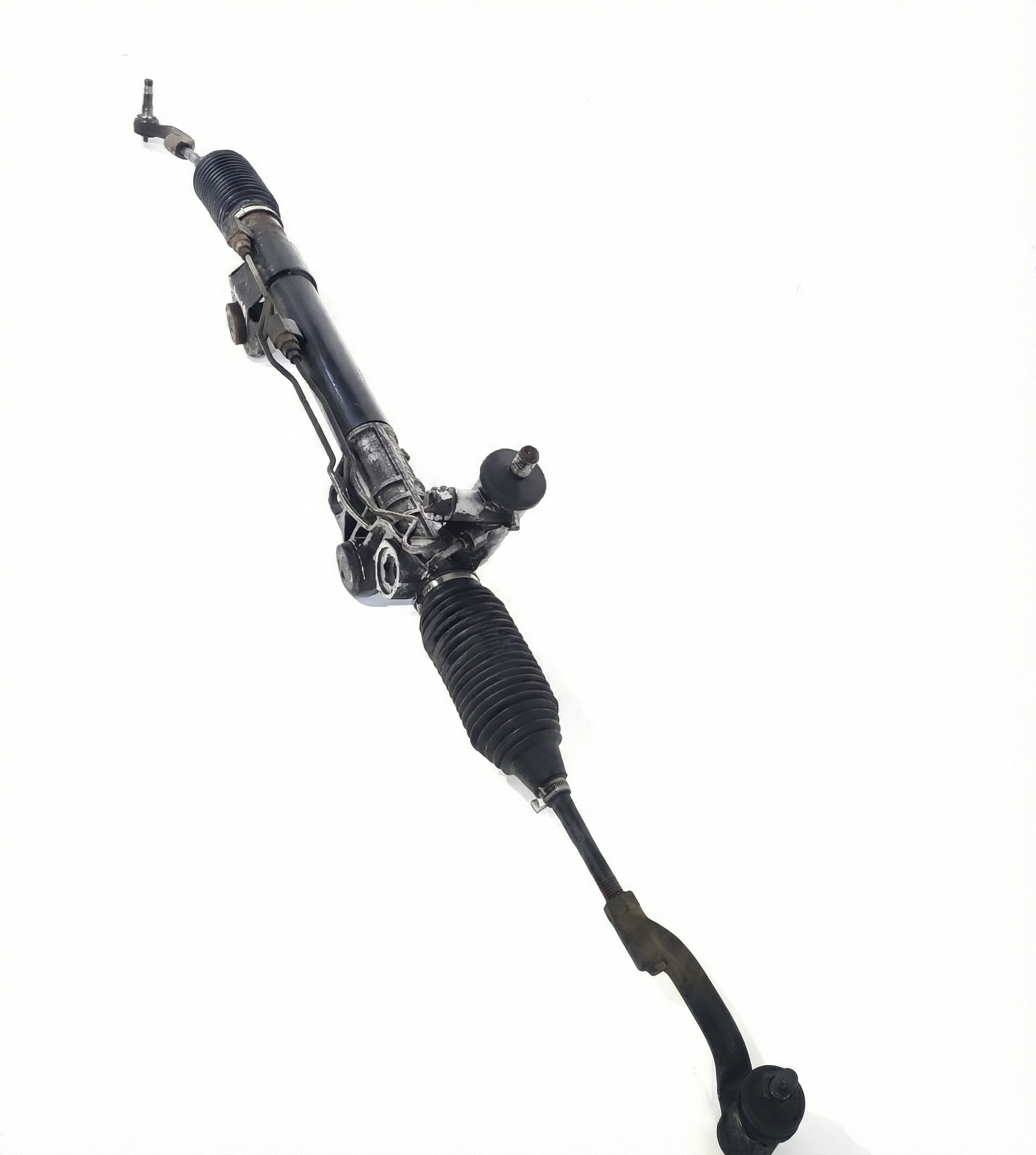
Compatibility Warning: This standard hydraulic steering rack (part numbers like 32136751745) fits the vast majority of 1997-1999 528i models sold in North America. It will NOT fit vehicles equipped with the optional Servotronic speed-sensitive steering system. A Servotronic rack has an electrical solenoid connector on the pinion housing where the steering column attaches. Always verify if your old rack has this electrical connector before purchasing a replacement.
Buying a Used Steering Gear Rack
A low-mileage, recycled OEM steering rack can be an excellent value compared to expensive new or sometimes unreliable aftermarket parts. The original ZF or TRW-manufactured racks used by BMW have a proven track record for quality. Here’s what to look for.
Physical Inspection Checklist
- Check the Boots: The primary failure is leaking seals. Squeeze the rubber boots at both ends of the rack. They should be dry and empty. If they feel squishy, are swollen, or if fluid weeps out, the internal seals are bad and the rack should be rejected.
- Inspect for Damage: Look at the main housing, mounting points, and hydraulic line ports for any cracks, heavy corrosion, or stripped threads. A rack from a front-end collision could have hidden damage.
- Examine the Input Shaft: The splines on the input shaft (where the steering column connects) should be clean and sharp, not twisted or damaged. This is a common area for installation trouble if damaged.
- Verify No Servotronic Connector: For a standard 528i, double-check that there is no electrical connector or solenoid on the pinion housing.
Mileage and Longevity
Steering racks don't have a set replacement interval, but leaks often begin to appear after 100,000-150,000 miles due to age and wear on the rubber seals. A used rack from a lower-mileage vehicle (under 100k miles) is an ideal candidate and likely has significant life left. Given the high cost of a new OEM unit, a quality used part offers the best balance of price and reliability.
Cost Comparison
Prices can vary, but this gives a general idea of the cost for the part itself and the labor involved.
| Part Type | Estimated Cost |
|---|---|
| New OEM (Genuine BMW) | $2,100 - $2,300 |
| Remanufactured | $400 - $500 (+ core charge) |
| New Aftermarket | $450 - $600 |
| Used OEM | $100 - $200 |
| Shop Labor for Replacement | $600 - $1,000+ |
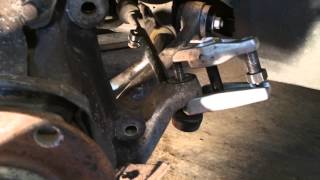
Note: Labor costs are high because the procedure requires supporting the engine and lowering the front subframe for access. A wheel alignment is also required after installation, adding to the total cost. 🎬 See this beginner-friendly E39 steering rack replacement walkthrough
Related Parts to Replace at the Same Time
To ensure a leak-free and reliable repair, it's highly recommended to replace several related components while the steering rack is out. The labor involved makes it cost-effective to do these at the same time.
- Power Steering Reservoir: The reservoir contains an integrated, non-serviceable filter. Replacing it is cheap insurance for the new rack and pump.
- Power Steering Hoses: The high-pressure and low-pressure hoses become brittle and are a common source of leaks.
- Outer Tie Rod Ends: The steering rack comes with inner tie rods. Replacing the outer ends ensures your entire steering linkage is fresh and allows for a precise alignment.
- Power Steering Fluid: The system must be completely flushed and refilled with the correct fluid. Using Pentosin CHF 11S is recommended for racks with modern seals, but always check the marking on your reservoir cap. Do not mix ATF and CHF fluids.
Installation Tips and Torque Specs
This is an advanced DIY job. If you are tackling it yourself, be aware of these key points:
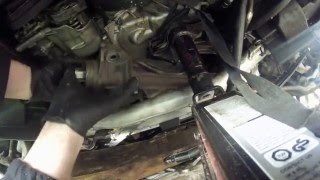
- Subframe Removal: You MUST support the engine from above with an engine brace and then lower the front subframe to gain the clearance needed to remove the rack.
- Fluid Lines: The banjo bolts for the hydraulic lines are two different sizes (19mm and 22mm) to prevent mixing them up. Always use new sealing washers on these bolts upon reinstallation to prevent leaks.
- Steering Shaft Connection: Getting the steering column's universal joint to slide onto the new rack's input shaft spline can be difficult. Ensure the splines are clean and perfectly aligned. Do not use excessive force.
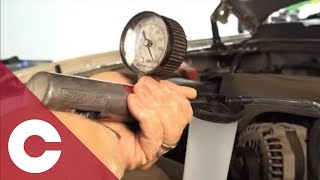
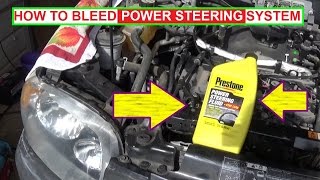
- System Bleeding: After installation, fill the reservoir and, with the front wheels off the ground, turn the steering wheel slowly from lock to lock multiple times to bleed air from the system. Check and top off the fluid level as needed. 🎬 Watch: How to correctly fill and bleed the power steering system
- Torque Specs:
- Steering Rack to Front Subframe (M10 bolts): 42 Nm (31 ft-lbs). These bolts should be replaced.
Pro Tip: Before removing the old rack, use a paint marker to mark the relationship between the steering column U-joint and the input shaft of the old rack. Center the steering wheel and the old rack. When installing the new rack, make sure it is also perfectly centered (equal turns lock-to-lock) before connecting the steering column to maintain proper steering wheel alignment.
Frequently Asked Questions (FAQ)
What power steering fluid should I use for a 1998 BMW 528i?
There is confusion around this. While older BMWs used Automatic Transmission Fluid (ATF), most E39s, and especially replacement racks with modern seals, specify Pentosin CHF 11S, which is a synthetic hydraulic fluid. Check the cap of your power steering reservoir for a sticker indicating "ATF" or "CHF". Never mix the two fluid types, as it can damage seals. When in doubt with a replacement rack, use CHF 11S.
How do I know if my car has the optional Servotronic steering?
Look at the steering rack where the steering column shaft connects to it. A Servotronic rack will have an electrical solenoid with a wire and connector attached to the pinion housing. The standard, non-Servotronic rack has no electrical connections. Most 528i models in the US did not have this option.
Can I just use a "stop leak" product for a small leak?
Stop leak products are generally not recommended. They work by swelling the rubber seals, which is a temporary fix at best and can lead to further degradation of the seals or clog small passages in the power steering pump and rack. The proper fix for a leaking rack is replacement.
Is rebuilding my old steering rack a good option?
While seal kits are available, rebuilding a steering rack is a complex job that requires special tools and expertise to do correctly. For most DIY and professional mechanics, the standard practice is to replace the entire unit with a professionally remanufactured rack, which has been rebuilt and tested in a specialized facility.
Recalls and Technical Service Bulletins (TSBs)
As of early 2026, there are no specific NHTSA safety recalls for the steering rack on the 1997-1999 BMW 528i. Failures are generally attributed to the age and wear of the components rather than a widespread manufacturing defect.
Helpful Videos
Technical Specifications
OEM Part Numbers: 32136751745 32131096144 32131096026 32131094625 32131093886 1096144 1096026 1094625 1093886
System Type: Hydraulic Rack and Pinion (non-Servotronic). Fluid Type: Pentosin CHF 11S or ATF (check reservoir cap). Rack-to-Subframe Bolt Torque: 42 Nm (31 ft-lbs).
We Have This Part in Stock

The information in this article is provided for general reference and educational purposes only. Vehicle specifications, procedures, and part compatibility can vary by production date, trim level, and region. Always consult your vehicle's factory service manual and verify part numbers before purchasing or performing repairs. Safety-critical components such as airbags, seat belts, and braking systems should be installed by a qualified professional.
- BMW 528i:
- 🎬 Helpful Videos
- 🛍️ Shop This Part
- Symptoms of a Failing Steering Rack
- Noises and Vibrations
- Steering Feel and Behavior
- Visual Signs
- Buying a Used Steering Gear Rack
- Physical Inspection Checklist
- Mileage and Longevity
- Cost Comparison
- Related Parts to Replace at the Same Time
- Installation Tips and Torque Specs
- Frequently Asked Questions (FAQ)
- Recalls and Technical Service Bulletins (TSBs)
- 🎟️ Get 5% Off