

2008-2020 Grand Caravan, Town & Country, Ram C/V Steering Rack: Leaks, Clunks, and Replacement Guide
Diagnose common steering rack failures, from whining noises and fluid leaks to clunking over bumps, in your Chrysler Town & Country, Dodge Grand Caravan, or Ram C/V.
- A whining noise when turning is often caused by a cheap, clogged power steering reservoir, not an expensive steering rack. Try replacing the reservoir first.
- The most definitive sign of a bad rack is leaking power steering fluid from the end seals, which collects inside the rubber bellows boots.
- Replacement is a major job that requires lowering the front subframe and a mandatory wheel alignment afterward.
- When buying a used rack, the condition of the rubber bellows boots is the most critical inspection point; if they are torn or full of fluid, the rack is bad.
Symptoms of a Failing Steering Rack
A failing steering rack can present a variety of symptoms, ranging from subtle noises to a complete loss of power assist. It's important to diagnose the issue correctly, as some symptoms can be caused by less expensive components like the power steering pump or reservoir.
1. Whining or Groaning Noises When Turning
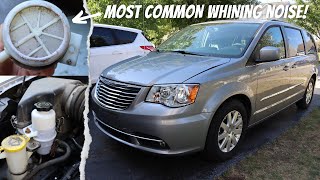
A whining or groaning sound that gets louder when you turn the steering wheel is a classic sign of a problem in the power steering system. While this can indicate a failing steering rack, it is very commonly caused by a clogged filter screen inside the power steering fluid reservoir on these vans. This restriction starves the power steering pump of fluid, causing it to whine. Before replacing the entire rack, it's highly recommended to first replace the power steering reservoir, a much cheaper and easier job, to see if the noise disappears.
2. Power Steering Fluid Leaks
This is the most definitive sign of steering rack failure. The internal seals of the rack wear out over time, allowing hydraulic fluid to leak. You may notice reddish or brown fluid spots on the ground under the front of your vehicle. A key diagnostic step is to inspect the bellows boots on either end of the steering rack. If these rubber boots are torn, wet with fluid, or feel soft and squishy, it's a clear indication that the internal seals have failed and the rack needs replacement.
3. Clunking or Knocking Noises
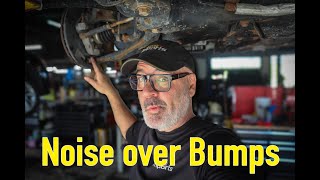
A clunking or knocking sound, especially when turning at low speeds or driving over bumps, often points to wear in the steering or suspension system. This can be caused by worn inner tie rods, which are part of the steering rack assembly. However, these noises can also come from other worn components like outer tie rod ends, ball joints, or sway bar links. A thorough inspection is needed to pinpoint the source of the clunk before condemning the rack.
4. Stiff, Heavy, or Inconsistent Steering
If the steering becomes difficult, especially at low speeds, it indicates a loss of power assist. This can happen if the rack is low on fluid due to a leak, or if the internal valves that direct the fluid are failing. You might experience 'dead spots' or areas where the steering feels loose, followed by areas where it becomes tight and difficult to turn. In some cases, owners have reported a sudden and complete loss of power steering while driving.
Pro Tip: Before assuming the steering rack is bad, always check the power steering fluid level and condition. Low or dark, contaminated fluid can cause many of the symptoms above. Also, inspect the power steering pump and hoses for leaks or damage.
Buying a Used Steering Gear Poppet Rack
A used OEM steering rack can be a reliable and cost-effective alternative to an expensive new unit or a remanufactured part of inconsistent quality. Since this is a critical safety component, careful inspection is key.
What to Inspect on a Used Rack
- Check the Bellows Boots: The rubber boots on both ends of the rack are the most important inspection point. Squeeze them firmly. They should be dry and flexible. If they are torn, cracked, or feel soft and full of liquid, the internal seals have failed, and you should pass on the part.
- Look for Leaks: Examine the entire rack assembly for signs of fluid residue, especially around the hose connection ports and where the input shaft enters the housing. A clean, dry rack is a good sign.
- Inspect the Housing: Check the aluminum housing for any cracks, corrosion, or damage, particularly around the mounting points where it bolts to the subframe.
- Test the Inner Tie Rods: With the rack on a bench, grab each inner tie rod and try to push it in and out of the rack. There should be no significant play or clunking. While the outer tie rods are often replaced, worn inner tie rods mean the whole rack is worn.
- Verify Part Numbers: Ensure the part number on the used rack matches one of the known OEM numbers for your vehicle to guarantee compatibility.
Mileage and Longevity
The lifespan of these steering racks can vary significantly. While many last well over 100,000 miles, failures are not uncommon between 100,000 and 150,000 miles. Some owner complaints show failures around 126,000 miles. When buying used, look for a part from a lower-mileage vehicle if possible. However, a well-maintained part from a higher-mileage vehicle that passes a thorough visual inspection can still be a good value.
Cost Comparison
Replacing the steering rack is a significant repair. The labor is intensive as it often requires lowering the front subframe. Here is an estimated cost breakdown:
| Part Type | Estimated Part Cost | Estimated Labor Cost | Estimated Total Cost |
|---|---|---|---|
| New OEM (Mopar) | $1,000 - $1,300 | $400 - $600 | $1,400 - $1,900 |
| Remanufactured (Mopar or Aftermarket) | $200 - $750 | $400 - $600 | $600 - $1,350 |
| Used OEM | $100 - $300 | $400 - $600 | $500 - $900 |
Note: An additional charge of $100 - $150 for a mandatory four-wheel alignment is not included in these totals. Prices are estimates and will vary by location and supplier.
Replacement and Installation Tips
This is an advanced DIY job that typically takes 4-6 hours. If you are not comfortable with heavy suspension work, it is best left to a professional.
- Subframe Access: On these vans, you will likely need to lower the front subframe to get enough clearance to remove the old rack and install the new one. This involves supporting the engine and carefully removing the large subframe bolts.
- Fluid Lines: The power steering fluid line fittings (typically 18mm) can be difficult to access and may be corroded. Using a proper line wrench is crucial to avoid stripping the fittings.
- System Flush: It is critical to flush the power steering system, including the pump, reservoir, and cooler, before installing the new rack. Metal shavings or debris from the old, failing part can quickly destroy the seals in the replacement unit.
- Torque Specs: Using correct torque specifications is vital for safety. While you should always verify with a service manual for your specific year, common torque specs are:
- Steering Gear to Cradle Bolts: 135 ft-lbs (183 N·m)
- Power Steering Line Nuts: 275 in-lbs (31 N·m)
- Outer Tie Rod End Nut: 40-55 ft-lbs (54 N·m)
- Wheel Alignment: A full four-wheel alignment is not optional after replacing the steering rack. Failure to do so will result in poor handling and rapid, uneven tire wear.
Warning: Before disconnecting the steering shaft from the rack, ensure the steering wheel is centered and locked in place. Allowing the steering wheel to spin freely can damage the clockspring, which is essential for the airbag and steering wheel controls.
Frequently Asked Questions (FAQ)
Is it safe to drive with a leaking steering rack?
It is not recommended. A small leak can quickly become a large one, leading to a sudden loss of power steering assist. This makes the vehicle extremely difficult to steer, especially at low speeds, increasing the risk of an accident. Running the power steering pump without fluid can also cause it to fail, adding more cost to the repair.
Can I just rebuild my old steering rack?
Rebuilding a hydraulic steering rack is generally not recommended for DIY mechanics. It requires special tools to install the internal seals without damaging them, and if not done perfectly, the rack will leak again. Given the cost of quality remanufactured or used units, replacement is almost always the more reliable and cost-effective option.
What kind of power steering fluid do these vehicles use?
These Chrysler, Dodge, and Ram vehicles typically require ATF+4 type fluid for the power steering system. Always confirm with your owner's manual, but do not use generic power steering fluid unless it explicitly states it meets the ATF+4 specification.
My steering whines, but I don't see a leak. Is it the rack?
Not necessarily. On these vans, a common cause for a whining power steering pump is a clogged screen in the fluid reservoir. This is a much cheaper part to replace than the rack or the pump. It's a good first step in diagnosing a whining noise with no visible leaks.
Helpful Videos
Technical Specifications
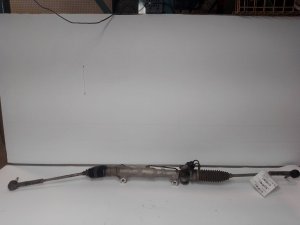
OEM Part Numbers: 05006523AB 05006523AC 5006253ACB 5151705AB 5151705AC 5151705AD 5151705AE 5151705AF 5151790AB 5151790AC 5151790AD RL151705AD 22-3005
Hydraulic Power Assist Rack and Pinion
We Have This Part in Stock

The information in this article is provided for general reference and educational purposes only. Vehicle specifications, procedures, and part compatibility can vary by production date, trim level, and region. Always consult your vehicle's factory service manual and verify part numbers before purchasing or performing repairs. Safety-critical components such as airbags, seat belts, and braking systems should be installed by a qualified professional.
- Chrysler Town & Country:
- Dodge Grand Caravan:
- Ram C/V:
- 🎬 Helpful Videos
- 🛍️ Shop This Part
- Symptoms of a Failing Steering Rack
- 1. Whining or Groaning Noises When Turning
- 2. Power Steering Fluid Leaks
- 3. Clunking or Knocking Noises
- 4. Stiff, Heavy, or Inconsistent Steering
- Buying a Used Steering Gear Poppet Rack
- What to Inspect on a Used Rack
- Mileage and Longevity
- Cost Comparison
- Replacement and Installation Tips
- Frequently Asked Questions (FAQ)
- 🎟️ Get 5% Off