

2006-2014 Charger, 300, Challenger & Magnum Steering Rack: Leaks, Noises, and the Hidden EHPS Pump
This guide covers the common failure symptoms of the hydraulic steering rack and pinpoints the critical system change in 2011 that affects diagnosis and fluid service.
- A major system change occurred in 2011; 2011-2014 models have an Electro-Hydraulic (EHPS) pump hidden in the passenger wheel well and require special MS-11655 fluid.
- This steering rack is for Rear-Wheel Drive (RWD) models only and will not fit All-Wheel Drive (AWD) vehicles.
- A professional wheel alignment is absolutely mandatory immediately after replacing the steering rack to prevent unsafe handling and rapid tire wear.
- Symptoms of failure include whining or grinding noises, stiff or loose steering feel, and visible leaks of red or brown power steering fluid.
Symptoms of a Failing Steering Rack
A problem with the steering rack can manifest in several ways, from strange noises to a change in steering feel. Ignoring these signs can be dangerous, as a complete failure could lead to a loss of steering control.
Noises and Sounds
- Whining or Squealing: A high-pitched whining or squealing sound, especially when turning the wheel at low speeds, often points to low power steering fluid. This can be caused by a leak in the rack or its connecting hoses.
- Grinding: A grinding noise when turning suggests metal-on-metal contact inside the rack, likely due to a lack of lubrication from a severe fluid leak. This indicates significant internal wear.
- Clunking or Knocking: A clunking sound, particularly when turning or going over bumps, can mean the rack is loose or the internal gears are worn. This can also be caused by worn inner tie rods, which are part of the rack assembly.
Steering Feel and Behavior
- Stiff or Heavy Steering: If turning the wheel suddenly requires much more effort, especially at low speeds, the power assist may be failing. This is often due to low fluid pressure from a leak or a failing pump.
- Loose or Sloppy Steering: A feeling of excessive play or a "dead spot" in the steering wheel means the connection between the steering wheel and the wheels is no longer tight. This can be caused by worn internal components in the rack.
- Vehicle Wandering: If you constantly have to make small corrections to keep the car driving straight on a level road, the steering rack may be worn and unable to hold its position.
- Uneven Steering Assist: The steering may feel easy to turn in one direction but difficult in the other, which can be a sign of a problem with the internal valves of the steering rack.
Visual Signs and Fluid Check
One of the most definitive signs of a steering rack problem is a fluid leak. Power steering fluid is typically red or reddish-brown. If you see this type of fluid dripping from the front-center of your car, it's likely a leak from the rack or power steering hoses. You should also check the fluid reservoir.
A burnt smell from the fluid indicates it is overheating, which can damage the pump and the rack. Dark or black fluid with metal particles suggests severe internal wear, and the entire system may be contaminated.
Compatibility Warning: This hydraulic power steering rack is for Rear-Wheel Drive (RWD) models only. It will not fit All-Wheel Drive (AWD) vehicles, which use a different steering gear assembly.
Key Vehicle Differences: 2006-2010 vs. 2011-2014
A major change occurred in the power steering system for the 2011 model year on the Dodge Charger and Chrysler 300, which also applies to the Challenger. Understanding this difference is critical for diagnosis and service.
2006-2010 Dodge Charger, Chrysler 300 & Dodge Magnum; 2008-2010 Dodge Challenger
- System Type: Standard belt-driven hydraulic power steering.
- Reservoir Location: Easily accessible in the engine bay, typically on the driver's side.
- Fluid Type: Mopar Power Steering Fluid +4 or ATF+4 Automatic Transmission Fluid.
2011-2014 Dodge Charger, Chrysler 300 & Dodge Challenger
- System Type: Electro-Hydraulic Power Steering (EHPS). This system uses an electric motor to run the hydraulic pump.
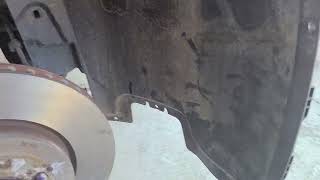
- Reservoir Location: The pump and reservoir are a single unit hidden in the front passenger-side wheel well. Access requires jacking up the vehicle, removing the front passenger wheel, and pulling back the fender liner.
- Fluid Type: Requires a specific fluid meeting Mopar MS-11655 specification. Using the wrong fluid, like ATF+4, can damage the EHPS pump.
Buying a Used Steering Gear Poppet Rack
A used OEM steering rack can be a cost-effective and reliable alternative to expensive new parts or sometimes inconsistent remanufactured units. However, careful inspection is key.
- Inspect for Leaks: Check the entire rack body for any signs of fluid residue, especially around the input shaft seal and where the inner tie rods exit the housing.
- Check the Bellows Boots: The rubber boots on each end of the rack must be intact. Torn or cracked boots allow dirt and water to enter, which will quickly destroy the inner seals and tie rods.
- Examine the Tie Rods: The rack assembly includes the inner tie rods. While holding the rack steady, try to move the inner tie rods up and down. There should be no excessive play or clunking.
- Check Mounting Points: Ensure the mounting points and brackets are not cracked, bent, or damaged.
- Mileage Considerations: While these racks can last over 100,000 miles, failures are not uncommon between 60,000 and 90,000 miles. A lower-mileage part is always preferable. Ask the seller for the mileage of the donor vehicle if possible.
- Why Used OEM? A genuine used Mopar rack was built to the original factory specifications for materials and tolerances. This often results in better longevity and a more precise steering feel compared to some aftermarket parts, which may use lower-quality seals or bearings.
Cost Breakdown for Replacement
The cost to replace a steering rack can vary significantly based on the parts chosen and local labor rates. An alignment is always required after replacement, adding to the total cost.
| Part/Service | Estimated Cost | Notes |
|---|---|---|
| New OEM | $1200 - $1600+ | Highest cost, but brand new original equipment. Price sourced from repair cost aggregators. |
| Remanufactured | $250 - $450 | A rebuilt original part. Quality can vary. Often requires a core deposit of $150-$250. |
| Used OEM | $75 - $200 | A cost-effective option. Price depends on mileage and condition. |
| Shop Labor | $200 - $350 | Labor costs are estimated at 2-3 hours. |
| Wheel Alignment | $100 - $150 | Mandatory after replacing the steering rack. |
Replacement Overview & Special Procedures
Replacing the steering rack is an advanced DIY job that requires proper tools and safety precautions. If you are not comfortable with the procedure, it is best left to a professional mechanic.
Pro Tip: Before disconnecting the steering shaft from the rack, lock the steering wheel in the straight-ahead position using the seatbelt. This prevents the steering wheel from spinning, which can damage the delicate clockspring that controls the airbag and steering wheel buttons.
- Lift and Secure: Safely lift the front of the vehicle and support it with jack stands. Remove the front wheels.
- Access the Rack: For 2011+ models, you may need to remove the fender liner to access the EHPS pump and lines.
- Disconnect Tie Rods: Loosen the jam nuts and disconnect the outer tie rod ends from the steering knuckles. A sharp blow with a hammer on the side of the knuckle or a tie rod separator tool is usually required.
- Disconnect Lines: Using a flare nut wrench to avoid stripping the fittings, disconnect the high-pressure and return lines from the rack. Have a drain pan ready to catch the fluid.
- Disconnect Steering Shaft: Remove the pinch bolt connecting the intermediate steering shaft to the input shaft of the rack.
- Unbolt the Rack: Remove the main mounting bolts that secure the steering rack to the vehicle's subframe.
- Install New Rack: Maneuver the new rack into place and follow the steps in reverse. It is critical to get a professional wheel alignment immediately after installation to ensure proper handling and prevent rapid tire wear.
Torque Specs
Finding verified torque specifications without access to a factory service manual is difficult. Generic advice suggests using a standard torque value for the fastener size. However, due to the critical safety nature of steering components, it is strongly recommended to consult a vehicle-specific repair manual for the exact torque specs for the rack mounting bolts and tie rod end nuts.
Frequently Asked Questions (FAQ)
Why can't I find the power steering reservoir in my 2012 Charger's engine bay?
Starting in 2011, these vehicles switched to an Electro-Hydraulic Power Steering (EHPS) system. The pump and reservoir are a single unit located inside the front passenger-side wheel well. You must remove the wheel and fender liner to access it.
Do I absolutely need an alignment after replacing the steering rack?
Yes, an alignment is mandatory. It is impossible to install a new rack and get the toe alignment exactly where it was. Skipping the alignment will result in poor handling, a crooked steering wheel, and will destroy your front tires in a very short time.
My power steering is whining. Is it always the rack?
Not always. A whining noise is most often caused by low power steering fluid or air in the system. Before replacing the rack, check the fluid level and inspect the power steering pump and all hoses for leaks. A failing power steering pump can also cause a whining noise.
What kind of power steering fluid do I need?
It depends on the year. For 2006-2010 models with the belt-driven pump, use Mopar Power Steering Fluid +4 or ATF+4. For 2011-2014 models with the EHPS pump in the wheel well, you MUST use a fluid that meets Mopar MS-11655 specification. Using the wrong fluid can cause expensive damage.
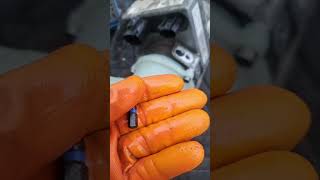
Helpful Videos
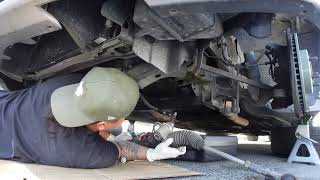
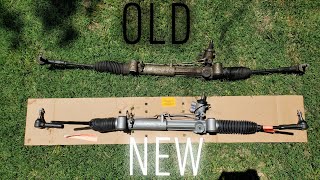
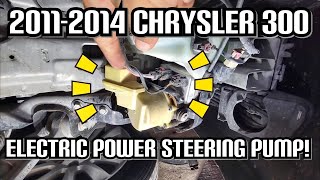
Technical Specifications
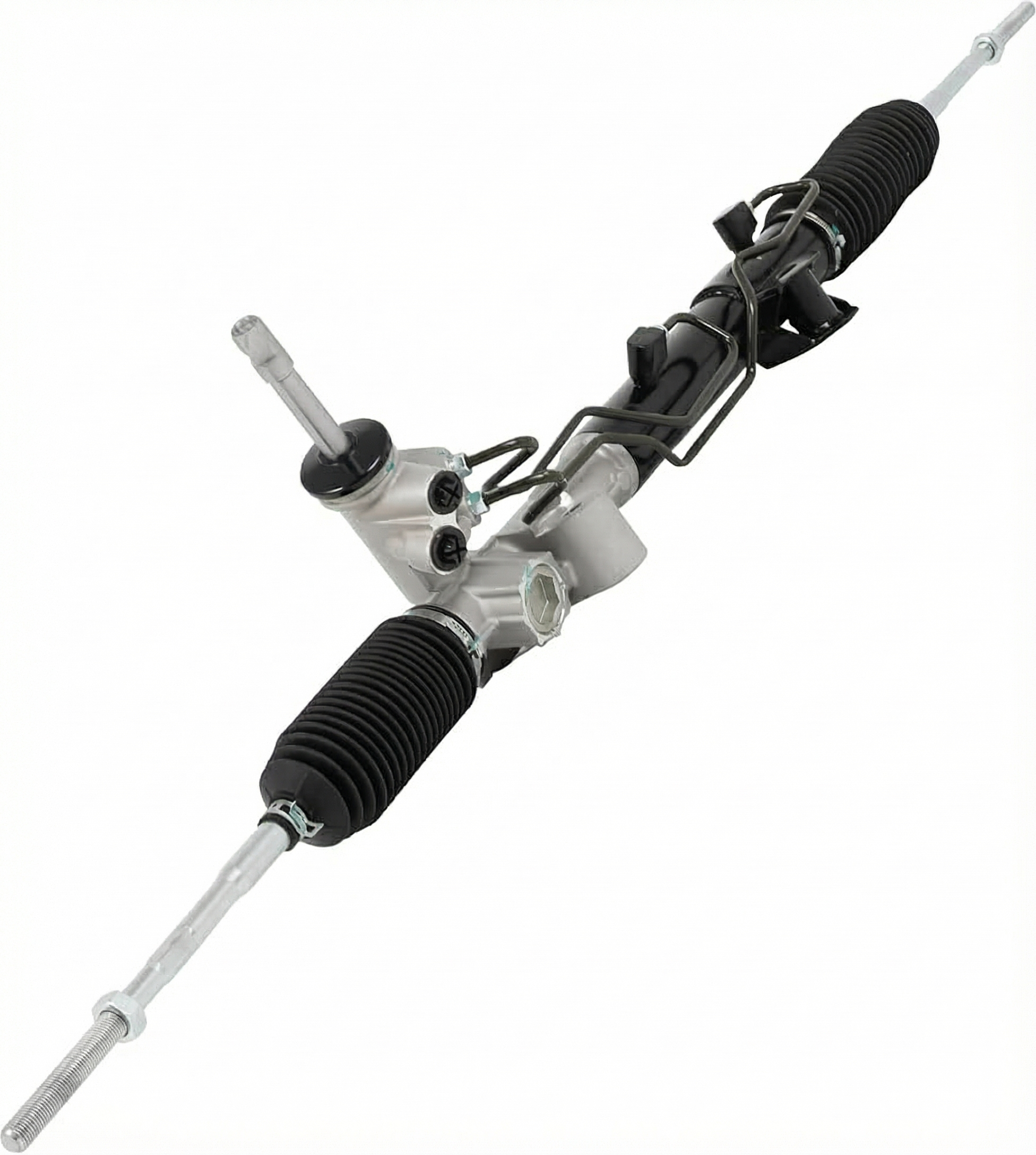
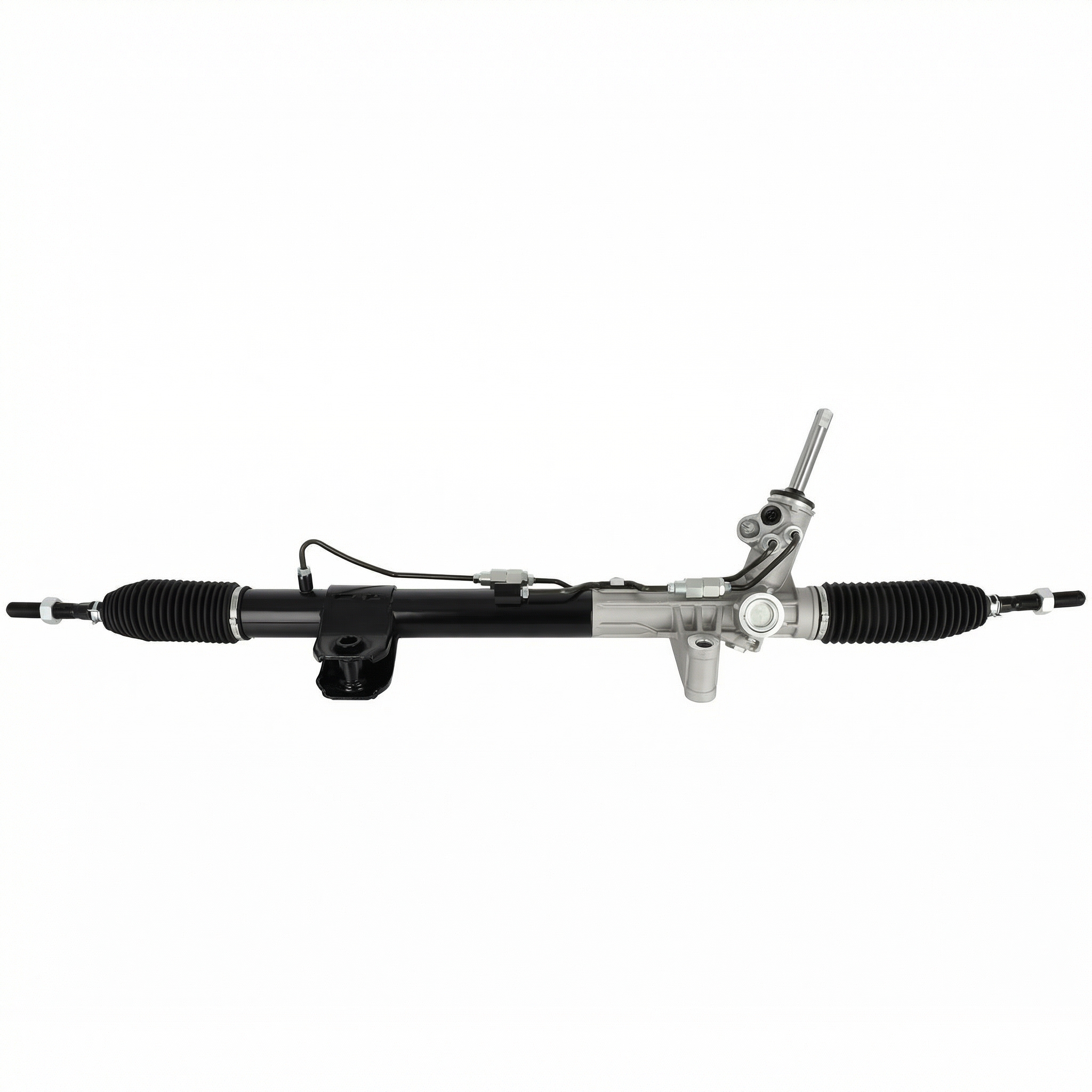
OEM Part Numbers: 68043342AA 68043342AB 4584569AE 4584569AF 4584573AD 4584573AE 4584573AF 4782341AD 4782341AE 4782341AF 68002075AA 68002075AC 68043033AA 68043033AB R4584569AF
Hydraulic Rack and Pinion for Rear-Wheel Drive (RWD) models. Fits various V6 and V8 engines including 3.5L, 3.6L, 5.7L, 6.1L, and 6.4L.
We Have This Part in Stock

The information in this article is provided for general reference and educational purposes only. Vehicle specifications, procedures, and part compatibility can vary by production date, trim level, and region. Always consult your vehicle's factory service manual and verify part numbers before purchasing or performing repairs. Safety-critical components such as airbags, seat belts, and braking systems should be installed by a qualified professional.
- Dodge Challenger:
- Chrysler 300:
- Dodge Charger:
- Dodge Magnum:
- 🎬 Helpful Videos
- 🛍️ Shop This Part
- Symptoms of a Failing Steering Rack
- Noises and Sounds
- Steering Feel and Behavior
- Visual Signs and Fluid Check
- Key Vehicle Differences: 2006-2010 vs. 2011-2014
- 2006-2010 Dodge Charger, Chrysler 300 & Dodge Magnum; 2008-2010 Dodge Challenger
- 2011-2014 Dodge Charger, Chrysler 300 & Dodge Challenger
- Buying a Used Steering Gear Poppet Rack
- Cost Breakdown for Replacement
- Replacement Overview & Special Procedures
- Torque Specs
- Frequently Asked Questions (FAQ)
- 🎟️ Get 5% Off