

2012-2020 Yaris, Prius C & iA Steering Rack: Clunks, Failures & Platform Guide
This guide decodes the confusing steering rack differences between the Toyota-built Yaris/Prius C and the Mazda-built Yaris iA/Scion iA.
- Crucially, these vehicles use two different, non-interchangeable steering racks: one for the Toyota-built Yaris Hatchback/Prius C and another for the Mazda-built Scion iA/Yaris iA.
- A 2012 Toyota Yaris may be subject to a recall (NHTSA 13V292000) for a faulty Power Steering Control Module that causes loss of assist. Check this before replacing the whole rack.
- This is an Electric Power Steering (EPS) system; it does not use any power steering fluid.
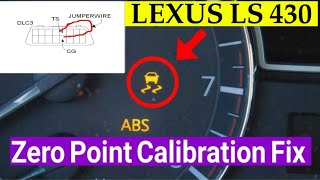
- After replacement, a Zero Point Calibration using a professional scan tool is mandatory for the ABS and Vehicle Stability Control (VSC) systems to function correctly.
Critical Compatibility Warning: Two Platforms, Two Different Racks
Before diagnosing or buying this part, you must understand that these vehicles were built on two completely different platforms, and the steering racks are NOT interchangeable. This is the most common point of confusion for owners and mechanics.
Warning: The 2016 Scion iA and the 2017-2020 Toyota Yaris iA (and Yaris Sedan) are based on the Mazda2 platform. The 2012-2018 Toyota Yaris Hatchback and 2012-2019 Toyota Prius C are built on Toyota's B platform. You must order the correct rack for your specific platform.
| Platform | Vehicles | Common OEM Part Numbers | Key Fitment Rules |
|---|---|---|---|
| Toyota B Platform |
|
45510-52351 (replaces 45510-52350, 45500-0D290) | Fits Yaris Hatchback models (Japan-built) without 16-inch wheels. Fits Prius C models with 15-inch wheels. |
| Mazda2 Platform |
|
45510-WB006 (replaces 45510-WB002) | Fits Sedan models with an automatic transmission. |
Symptoms of a Failing Steering Rack
A failing electric steering rack can present several distinct symptoms. Because the system is electric, problems can be mechanical, electrical, or both.
- Steering Stiffness or Sudden Loss of Assist: The most common symptom is the steering becoming very heavy and difficult to turn, especially at low speeds. This can happen intermittently. Some owners report the issue occurs after hitting a pothole and can sometimes be temporarily resolved by restarting the car.
- EPS Warning Light: A malfunction in the steering rack, its motor, or its sensors will typically illuminate the 'EPS' or 'P/S' (Power Steering) warning light on your dashboard.
- Clunking or Knocking Noises: A clunking or knocking sound when turning the wheel, especially when stationary or at low speeds, often points to worn internal gears or loose components within the rack assembly.
- Steering Play or Looseness: The steering may feel vague, sloppy, or have a 'dead spot' on center. You might have to turn the wheel more than usual before the car responds. One owner of a Mazda-based Yaris reported excessive free play and a sticking sensation.
- Vibrations: Unusual vibrations felt through the steering wheel, especially during turns, can be caused by wear inside the rack.
Known Issues & Recalls
Safety Recall D0K (NHTSA 13V292000)
Toyota issued a safety recall for certain 2012 Toyota Yaris Liftback (Hatchback) models. The issue was not the steering rack itself, but the Power Steering Control Module. A relay inside the module could short circuit, causing a sudden loss of power steering assist. The remedy was for Toyota dealers to replace the Power Steering Control Module free of charge. Before replacing the entire rack for a loss of power assist on a 2012 Yaris, check with a Toyota dealer to see if this recall applies to your vehicle and if it was completed.
Buying a Used Electric Steering Rack
For these vehicles, a quality used OEM rack is often a smart choice compared to expensive new OEM parts or potentially unreliable new aftermarket units. Here’s what to look for.
Why Choose a Used OEM Rack?
Used OEM racks were manufactured by Toyota or their original supplier (like Mazda for the iA) to the exact specifications of the vehicle. This ensures perfect fitment and, most importantly, electrical compatibility. Aftermarket EPS racks can sometimes have issues communicating with the vehicle's main computer, leading to persistent warning lights or improper steering feel, even after calibration.
Physical Inspection Checklist
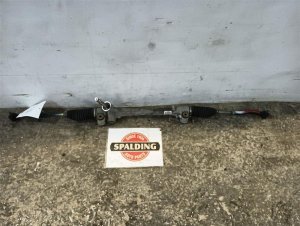
- Check the Electrical Connectors: Inspect all connectors on the rack's motor and control unit. Look for bent pins, corrosion, or cracks in the plastic housings. This is the most common area for damage during removal or shipping.
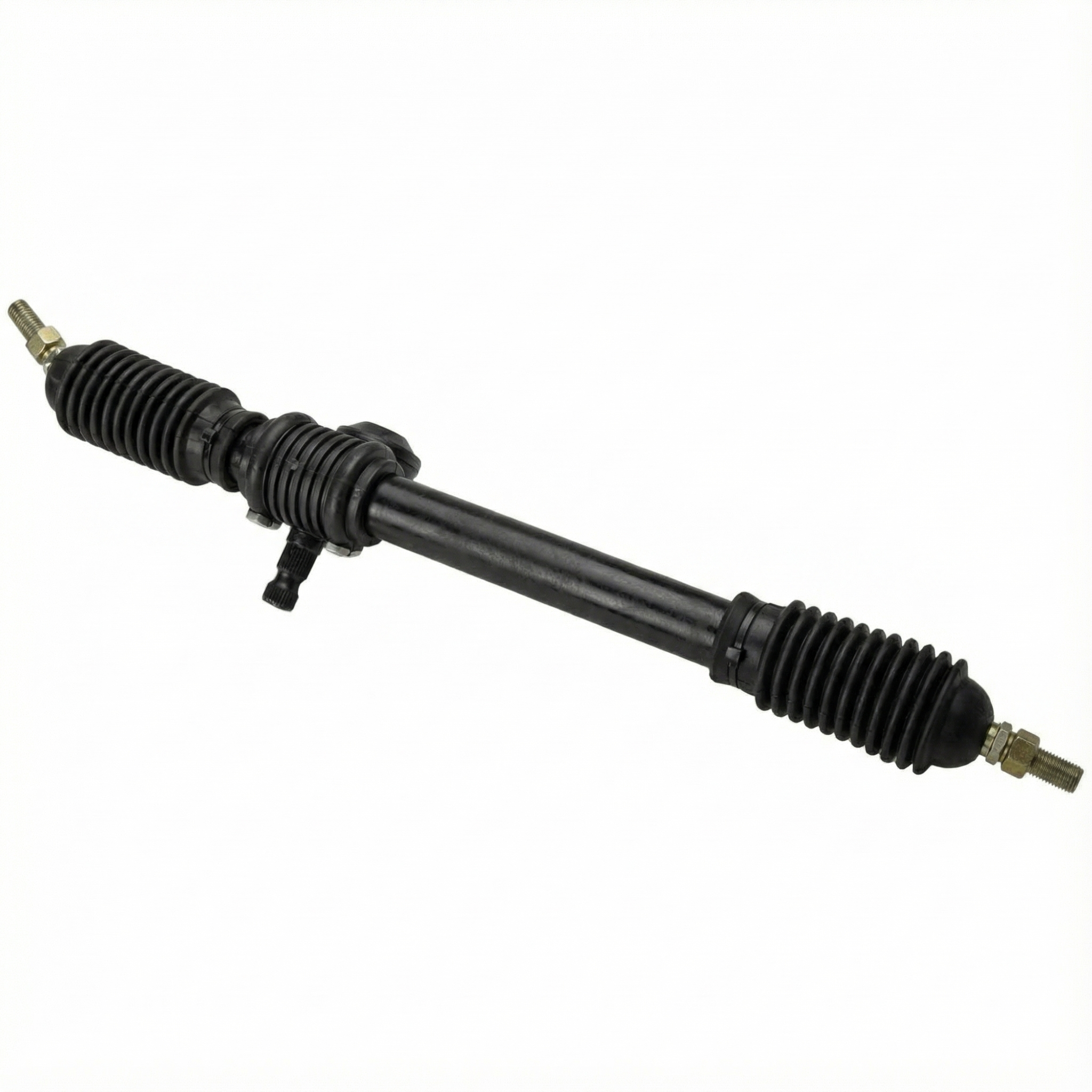
- Inspect the Inner Tie Rod Boots: The rubber boots on each end of the rack should be free of rips, tears, or pinholes. Damaged boots allow dirt and water to enter the rack, quickly destroying the internal components.
- Look for Housing Damage: Check the aluminum body of the rack and motor for any cracks, deep gouges, or signs of heavy impact.
- Verify Part Numbers: Double-check the part number on the used rack against the compatibility table above to ensure you are buying the correct part for your specific vehicle platform.
Mileage Considerations
EPS racks are not typically considered a high-wear item that fails purely based on mileage. Failure is more often linked to electrical faults, water intrusion, or impact damage (like hitting curbs or deep potholes). A used rack from a 70,000-mile vehicle can be a great value, while one from a 30,000-mile vehicle that suffered front-end damage could be a risk. Focus on the physical condition and the donor vehicle's history if available.
Replacement & Calibration Essentials
Replacing the steering rack on these vehicles is a moderately difficult job that often requires lowering the front subframe to gain access. This is typically a 3-5 hour job for a professional technician.
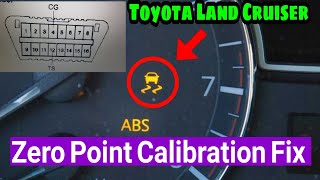
Warning: After replacing the steering rack, a Zero Point Calibration is mandatory. This procedure resets the vehicle's understanding of the steering angle sensor's 'straight ahead' position. Skipping this step will cause the Vehicle Stability Control (VSC) and ABS warning lights to stay on, and these safety systems will not function correctly.
The calibration is performed using Toyota's Techstream diagnostic software or a compatible professional scan tool. While some online sources show a method using a jumper wire on the OBD-II port, using a proper scan tool is the most reliable way to ensure the calibration is done correctly. An alignment is also required after replacement.
Related Parts to Inspect
Since the subframe may be lowered and the steering disconnected, this is the perfect time to inspect and, if necessary, replace related components:
- Outer Tie Rod Ends: These connect the steering rack to the steering knuckles. If they are worn, you will still have steering play even with a new rack.
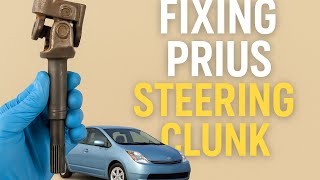
- Steering Intermediate Shaft: This connects the steering column to the rack. Its universal joints can wear out and cause a clunking noise similar to a bad rack.
- Sway Bar Links: These are often disconnected during the replacement process and are an inexpensive part to replace if the boots are torn or the joints are loose.
Cost Comparison
Prices can vary by location and supplier, but this provides a general estimate of what to expect.
| Part Type | Estimated Cost |
|---|---|
| New OEM | $460 - $835 |
| New Aftermarket | $400 - $600 |
| Used OEM | $100 - $250 |
| Shop Labor | $450 - $700 |
Frequently Asked Questions (FAQ)
Will a steering rack from a Toyota Yaris Hatchback fit my Toyota Yaris iA?
No. They are completely different parts from different vehicle platforms. The Yaris Hatchback (pre-2019) is a Toyota product, while the Yaris iA is a rebadged Mazda2. You must use the correct part for your specific model as detailed in the compatibility table above.
Do I need to check the power steering fluid?
No. These vehicles all use an Electric Power Steering (EPS) system that has no power steering fluid, pump, or hoses. If you are experiencing stiff steering, the cause is electrical or mechanical, not low fluid.
What is Zero Point Calibration and is it required?
Zero Point Calibration is a mandatory electronic reset performed after the new rack is installed. It tells the car's computer where the 'straight ahead' position is for the steering wheel. If you don't do it, your Vehicle Stability Control (VSC) and ABS will not work, and you will have warning lights on the dash.
Can I just replace the electric motor or control module on the rack?
Generally, no. The motor, sensors, and control module are typically integrated with the steering rack and are sold and replaced as a single assembly. The exception was the 2012 Yaris recall, where dealers replaced only the external control module.
Helpful Videos


Technical Specifications
OEM Part Numbers: 45510-52351 45510-52350 45500-0D290 45510-WB006 45510-WB002 45500-0D271 45510-52351 45510-WB001
System Type: Electric Power Steering (EPS). No hydraulic fluid required.
We Have This Part in Stock

The information in this article is provided for general reference and educational purposes only. Vehicle specifications, procedures, and part compatibility can vary by production date, trim level, and region. Always consult your vehicle's factory service manual and verify part numbers before purchasing or performing repairs. Safety-critical components such as airbags, seat belts, and braking systems should be installed by a qualified professional.
- Toyota Yaris:
- Scion iA:
- Toyota Prius C:
- Toyota Yaris iA:
- 🎬 Helpful Videos
- 🛍️ Shop This Part
- Critical Compatibility Warning: Two Platforms, Two Different Racks
- Symptoms of a Failing Steering Rack
- Known Issues & Recalls
- Safety Recall D0K (NHTSA 13V292000)
- Buying a Used Electric Steering Rack
- Why Choose a Used OEM Rack?
- Physical Inspection Checklist
- Mileage Considerations
- Replacement & Calibration Essentials
- Related Parts to Inspect
- Cost Comparison
- Frequently Asked Questions (FAQ)
- 🎟️ Get 5% Off