

Verano, Cruze & Volt Steering Knuckle: Decoding Failures and Wheel Size Issues (2011-2017)
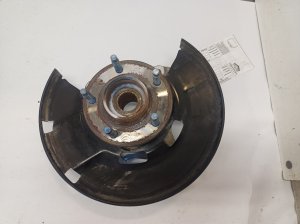
This guide explains the common failure symptoms and critical compatibility warnings for the steering knuckles used on the 2012-2017 Buick Verano, 2013-2016 Chevrolet Cruze, 2016 Cruze Limited, and 2011-2012 Chevrolet Volt.
- Compatibility is critical and depends on the original factory wheel size (15-inch vs. 16-inch and larger). You must verify this before purchasing.
- The most common failure is a bent knuckle from an impact (pothole, curb), which causes the vehicle to pull to one side and wear tires unevenly.
- Most noises (grinding, humming) are caused by the wheel bearing housed within the knuckle, not the knuckle itself, but may require replacing both.
- A four-wheel alignment is mandatory after replacing a steering knuckle to ensure safety and prevent tire damage.
Variant Differences: The Most Important Compatibility Check
Warning: Fitment for this steering knuckle is determined by the vehicle's original factory wheel and brake size. General Motors produced two different knuckles for these vehicles: one for models with 15-inch wheels (and smaller brakes) and another for models with 16-inch or larger wheels (and bigger brakes). You MUST verify which size your vehicle has before ordering a replacement. Using the wrong knuckle will result in incorrect suspension geometry and brake caliper misalignment.
This compatibility difference applies to the Buick Verano and Chevrolet Cruze. The simplest way to check is to look at the tire size printed on your tire's sidewall (e.g., P215/60R16 would indicate a 16-inch wheel). Also, be aware that this part only fits the 2016 Chevrolet Cruze 'Limited' model, which was a carryover of the first generation. It does not fit the redesigned, second-generation 2016 Cruze.
Symptoms of a Bad or Bent Steering Knuckle
The steering knuckle itself is a very durable part and typically only fails after a significant impact, like hitting a curb, a deep pothole, or being in an accident. Most of the symptoms people associate with a "bad knuckle" are actually caused by the failure of a part it connects to, or by the knuckle being bent.
Grinding, Humming, or Growling Noises
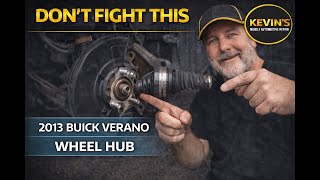
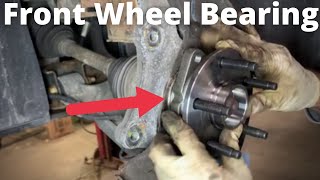
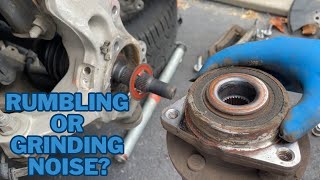
A continuous grinding or humming noise that starts at low speeds and gets louder as you drive faster is a classic sign of a failing wheel bearing. The wheel bearing is pressed directly into the steering knuckle. While this is a bearing issue, if the bearing fails catastrophically, it can damage the bore inside the knuckle, requiring both parts to be replaced.
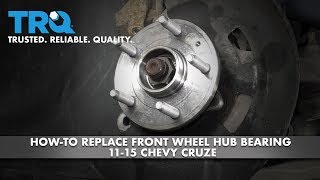
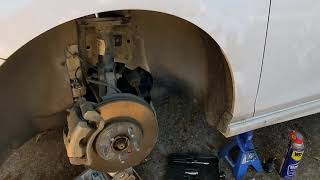
🎬 Watch: Step-by-step front wheel bearing replacement for the Chevy CruzeVehicle Pulling to One Side
This is the most common symptom of a bent steering knuckle. If the knuckle is bent, it changes the angles of your suspension (known as camber and toe). This will cause the vehicle to constantly pull to the left or right, and you'll find yourself making constant steering corrections to drive straight. If an alignment shop tells you they can't get the car into specification, a bent knuckle is a primary suspect.
Clunking or Popping Sounds
Clunking or popping noises when turning at low speeds or going over bumps can point to several issues. While often caused by a worn ball joint or control arm bushing, a severely worn wheel bearing can also cause a clunk as the hub develops excessive play inside the knuckle. A cracked knuckle can also produce these sounds under load.
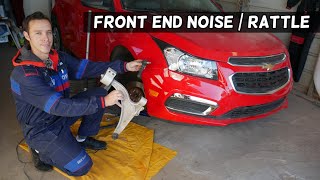
🎬 See this guide on diagnosing front end clunks and ball jointsUneven Tire Wear
A bent steering knuckle will cause rapid and uneven tire wear, usually on the inner or outer edge of a single tire. This is a direct result of the wheel being held at an incorrect angle, scrubbing the tire against the pavement.
Known Issues, TSBs, and Recalls
While there are no recalls specifically for steering knuckle failure across all these models, there have been related service campaigns and safety recalls.
- 2015 Buick Verano Service Update (SB-10057682-6371): GM issued a service bulletin for some 2015 Verano models where the right-hand tie rod may have been over-torqued to the steering knuckle at the factory. This could lead to a grinding or popping noise and steering looseness over time. The fix involved replacing the right-hand steering knuckle and outer tie rod.
- 2015-2016 Chevrolet Cruze Satisfaction Program (15622): A small number of Cruze vehicles may have had the left front knuckle-to-hub bolts improperly torqued. This could cause noise and, in a worst-case scenario, separation of the hub from the knuckle, leading to a loss of steering control. Dealers were instructed to inspect and torque the bolts to the correct specification.
- Chevy Volt & Buick Verano Steering Issues: Some owners of first-generation Volts and Veranos have reported issues with the electric power steering system, including a sticky or notchy feeling when driving straight for long periods. This is typically related to the steering gear or its software, not the knuckle itself, but can create confusing steering symptoms.
Pro Tip: For the 2011-2012 Chevrolet Volt, a clicking noise during acceleration is often mistaken for a suspension problem. Before suspecting the knuckle, check the axle nut. A common issue on these cars is a loose axle nut, which can be fixed by cleaning the threads, applying Loctite, and re-torquing it.
Buying a Used Steering Knuckle
A used OEM steering knuckle is an excellent, cost-effective alternative to a new part, especially since the knuckle itself is not a typical wear item. However, careful inspection is critical.
- Verify Compatibility: First and foremost, confirm the wheel size (15" vs 16"+) from the donor vehicle. Ask the seller for the VIN or tire size of the car it came from. Do not purchase without verifying this information.
- Inspect for Cracks: Carefully examine the entire knuckle, especially around the mounting points for the strut, ball joint, and tie rod. Pay close attention to the area where the wheel bearing is pressed in. Look for hairline cracks, which are a sign of stress or impact.
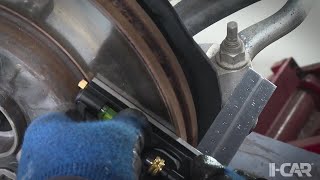
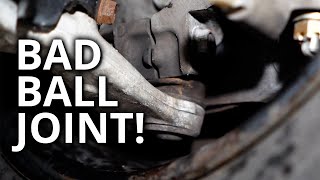
- Check for Bends: A bent knuckle can be hard to spot with the naked eye. The best method is to compare it side-by-side with your old part or a known good one. Lay them on a flat surface to check for any warping. 🎬 Watch: How to visually inspect for a damaged steering knuckle A bent knuckle will cause persistent alignment problems.
- Examine Mounting Holes: Check the tapered hole for the ball joint stud. If it appears oval-shaped, damaged, or excessively corroded, the knuckle should be rejected. A worn taper will prevent the new ball joint from seating correctly, leading to premature failure.
- Plan for a New Bearing: NEVER reuse the wheel bearing from a used steering knuckle. Always press in a new, high-quality wheel hub and bearing assembly. The labor to remove the old bearing and install a new one is significant, so it's best to do it while the knuckle is off the car.
Cost of Replacement
The cost to replace a steering knuckle can vary based on your vehicle and local labor rates. An alignment is required after the job, adding to the total cost.
| Part/Service | Estimated Cost |
|---|---|
| New OEM Steering Knuckle | $350 - $450 |
| New Aftermarket Steering Knuckle | $100 - $200 |
| Used OEM Steering Knuckle | $75 - $150 |
| Shop Labor (Knuckle Replacement) | $250 - $400 |
| Wheel Bearing (Part Only) | $50 - $150 |
| Four-Wheel Alignment | $100 - $200 |
| Total Professional Installation (Using New OEM Part) | $750 - $1200+ |
Cost estimates are for one side and can vary. Labor costs for a Chevrolet Cruze are estimated between $135 and $198, with the part around $155. For a Buick Verano, total replacement costs range from $560 to $623.
Related Parts to Replace at the Same Time
Replacing the steering knuckle requires disassembling most of the front suspension. This is the perfect time to replace other worn components. To save on future labor costs, consider replacing:
- Wheel Hub & Bearing Assembly: This is not optional. Always install a new bearing in a replacement knuckle.
- Lower Control Arm / Ball Joint: The ball joint must be separated from the knuckle. If the boot is torn or it shows any signs of wear, replace the control arm (which includes a new ball joint and bushings).
- Outer Tie Rod End: This is also disconnected during the job. Inspect it for play and replace if necessary.
- CV Axle Nut: This is a one-time-use, torque-to-yield fastener and must be replaced.
- Strut-to-Knuckle Bolts: These are often heavily corroded and can be difficult to remove. It's wise to have a new set on hand.
Installation Tips and Torque Specs
Replacing a steering knuckle is an advanced DIY job. If you proceed, be aware of these critical steps.
- The lower ball joint pinch bolt can be difficult to remove. Applying heat to the knuckle (carefully avoiding the ABS wire and ball joint boot) may be necessary.
- A ball joint separator or pickle fork will be needed to separate the ball joint and tie rod from the knuckle.
- CRITICAL: A four-wheel alignment is mandatory after replacing the steering knuckle to ensure safety, proper handling, and to prevent destroying your tires.
While specific torque values can vary by year and model, general specs for this platform are:
| Fastener | Torque Specification (Approximate) |
|---|---|
| CV Axle Nut | 155 ft-lbs (plus angle gauge, verify spec) |
| Strut-to-Knuckle Bolts | 63 ft-lbs + 90 degrees (Torque-to-yield, use new bolts) |
| Ball Joint Pinch Bolt | 37 ft-lbs |
| Tie Rod End Nut | 18 ft-lbs + 90 degrees |
| Brake Caliper Bracket Bolts | 100 ft-lbs |
Warning: These torque specs are for reference only. Always consult a factory service manual for your specific vehicle's year and model before beginning work.
Frequently Asked Questions (FAQ)
Can I drive with a bad steering knuckle?
No. Driving with a known bent or cracked steering knuckle is extremely dangerous. A failure of this part can lead to a complete loss of steering control or the wheel detaching from the vehicle. If you hear grinding or suspect a bad wheel bearing, you can drive cautiously for a short distance to a repair shop, but a bent or cracked knuckle makes the vehicle unsafe to drive.
Is a bad wheel bearing the same as a bad steering knuckle?
No, but they are related. The wheel bearing is a separate part that is pressed into the steering knuckle. A bad bearing causes a grinding/humming noise, while a bad (bent) knuckle causes alignment and pulling issues. However, because the bearing lives inside the knuckle, they are often replaced at the same time.
Why is a wheel alignment necessary after replacement?
The steering knuckle is the central part that determines the geometric angles of your front wheel (camber, caster, and toe). Even with a perfect part, manufacturing tolerances mean that replacing the knuckle will alter these angles. An alignment is required to reset these angles to factory specifications, ensuring the car drives straight and does not wear out the tires.
How do I know if I need the 15-inch or 16-inch version?
The easiest way is to check the size printed on your tire's sidewall. A number like "P225/50R17" indicates a 17-inch wheel. You can also provide a dealership with your VIN, and they can look up the original equipment, including the brake package (RPO codes like JL9 for 15" brakes or J67 for 16"+ brakes) that determines which knuckle you need.
Helpful Videos
Technical Specifications
OEM Part Numbers: 13319482 23118285 13319481 23118286 13319480 13324456 23119518
Material: Cast Aluminum or Cast Iron. Compatibility is dependent on original wheel size (15-inch vs. 16-inch and larger) and associated brake system.
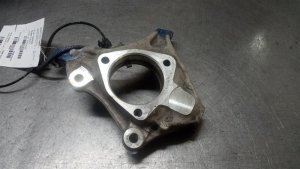
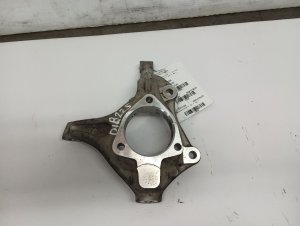
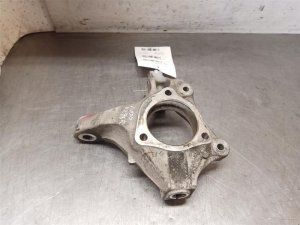
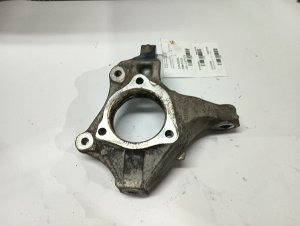
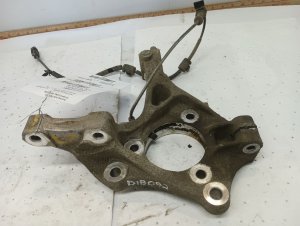
We Have This Part in Stock

The information in this article is provided for general reference and educational purposes only. Vehicle specifications, procedures, and part compatibility can vary by production date, trim level, and region. Always consult your vehicle's factory service manual and verify part numbers before purchasing or performing repairs. Safety-critical components such as airbags, seat belts, and braking systems should be installed by a qualified professional.
- Buick Verano:
- Chevrolet Cruze:
- Chevrolet Cruze Limited:
- Chevrolet Volt:
- 🎬 Helpful Videos
- 🛍️ Shop This Part
- Variant Differences: The Most Important Compatibility Check
- Symptoms of a Bad or Bent Steering Knuckle
- Grinding, Humming, or Growling Noises
- Vehicle Pulling to One Side
- Clunking or Popping Sounds
- Uneven Tire Wear
- Known Issues, TSBs, and Recalls
- Buying a Used Steering Knuckle
- Cost of Replacement
- Related Parts to Replace at the Same Time
- Installation Tips and Torque Specs
- Frequently Asked Questions (FAQ)
- 🎟️ Get 5% Off