

2007-2015 Edge & MKX Steering Knuckle: Diagnosing Noises, Wear, and Bearing Failure
This guide covers the common failure points of the steering knuckle and wheel bearing assembly on the 2007-2014 Ford Edge and 2007-2015 Lincoln MKX, helping you diagnose noises and make a smart purchase.
- The most common failure is the wheel bearing inside the knuckle, causing a humming or growling noise that changes with speed.
- A bent knuckle, caused by impact, will lead to a persistent pull and uneven tire wear that an alignment cannot fix.
- A four-wheel alignment is mandatory immediately after replacing a steering knuckle to ensure safety and prevent tire damage.
- When buying a used knuckle, always inspect for cracks and plan on pressing in a new wheel bearing before installation.
Symptoms of a Failing Steering Knuckle or Wheel Bearing
On the Ford Edge and Lincoln MKX, it is far more common for the wheel bearing housed within the knuckle to fail than for the knuckle itself to crack or break from metal fatigue. However, a bent knuckle from an impact will cause distinct issues, and a bad wheel bearing often makes replacing the entire knuckle assembly the easiest path for repair.
Noises and Vibrations (Wheel Bearing Failure)
The most common failure related to the steering knuckle is the internal wheel bearing. Symptoms are almost always audible and speed-dependent.
- Humming or Growling Noise: This is the classic sign of a bad wheel bearing. The noise is directly related to vehicle speed—the faster you go, the louder it gets. The pitch or volume may also change when turning; for example, a failing right-side (passenger) bearing may get louder when you steer left, which puts more load on the right side of the car.
- Grinding or Clicking: In advanced stages of failure, you might hear a grinding or clicking sound, especially during turns. This indicates significant wear inside the bearing.
- Vibrations: A worn bearing can cause vibrations felt in the steering wheel or through the floor of the vehicle.
Steering and Alignment Issues (Bent Knuckle)
If the knuckle itself is bent, usually from hitting a curb, a deep pothole, or an accident, the symptoms will affect steering and tire wear.
- Vehicle Pulling to One Side: A bent knuckle will alter the suspension geometry (camber and toe angles). This can cause the vehicle to persistently pull to one side, even right after a professional wheel alignment.
- Uneven Tire Wear: A primary sign of a bent knuckle is rapid or uneven wear on the inner or outer edge of a single tire. This happens because the wheel is no longer held at the correct angle to the road.
- Off-Center Steering Wheel: The steering wheel may be crooked even when you are driving straight.
Pro Tip: To help distinguish between a bad wheel bearing and a bad CV (Constant Velocity) joint, listen for the noise. A wheel bearing typically hums or growls based on vehicle speed, while a CV joint usually makes a clicking or popping noise primarily during sharp turns at low speeds.
Known Issues, Recalls, and Technical Service Bulletins (TSBs)
While the 2007-2014 Ford Edge and 2007-2015 Lincoln MKX have been generally reliable, a few steering-related issues have been noted. My search did not find any recalls or TSBs specifically for steering knuckle failure on these models. However, related recalls exist that involve components connected to the knuckle.
- NHTSA Campaign Number 19V632000: This recall was for certain 2015-2016 Edge and 2016 MKX vehicles regarding corroded steering gear motor bolts, which could lead to a loss of power steering assist. While this doesn't affect the years covered in this guide, it highlights the importance of checking for corrosion on all steering components in regions that use road salt.
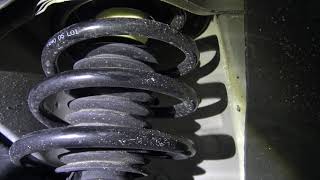
- Forum Discussions: Owners on forums for the Ford Edge frequently report clunking noises from the front end. The most common causes identified are worn stabilizer (sway bar) links or failing strut mounts, rather than the knuckle itself. A clunking noise when turning while stationary is often traced to a broken strut perch spring. 🎬 Watch: Diagnosing common front end clunking noises on your Ford.
Buying a Used Steering Knuckle: What to Inspect
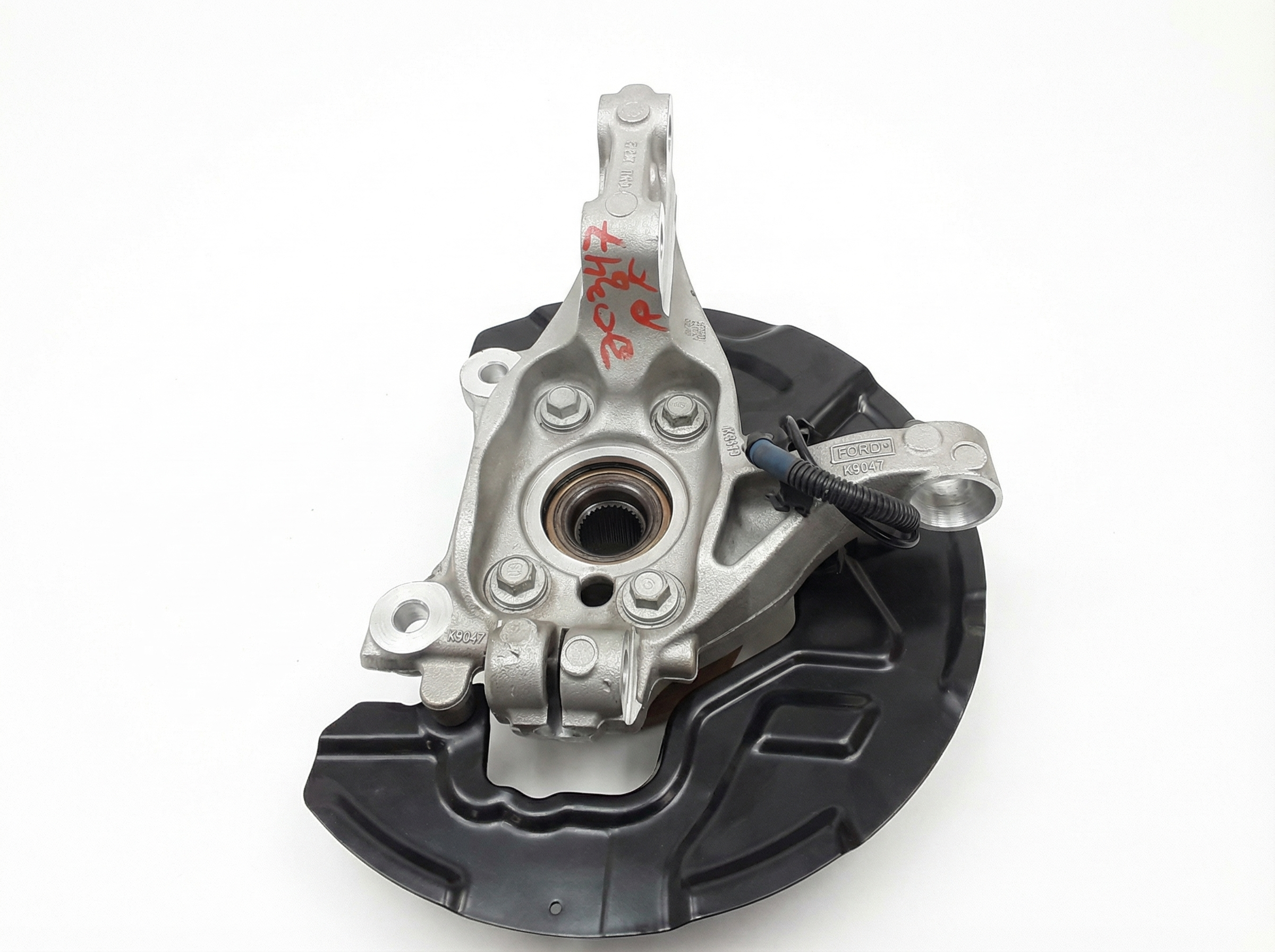
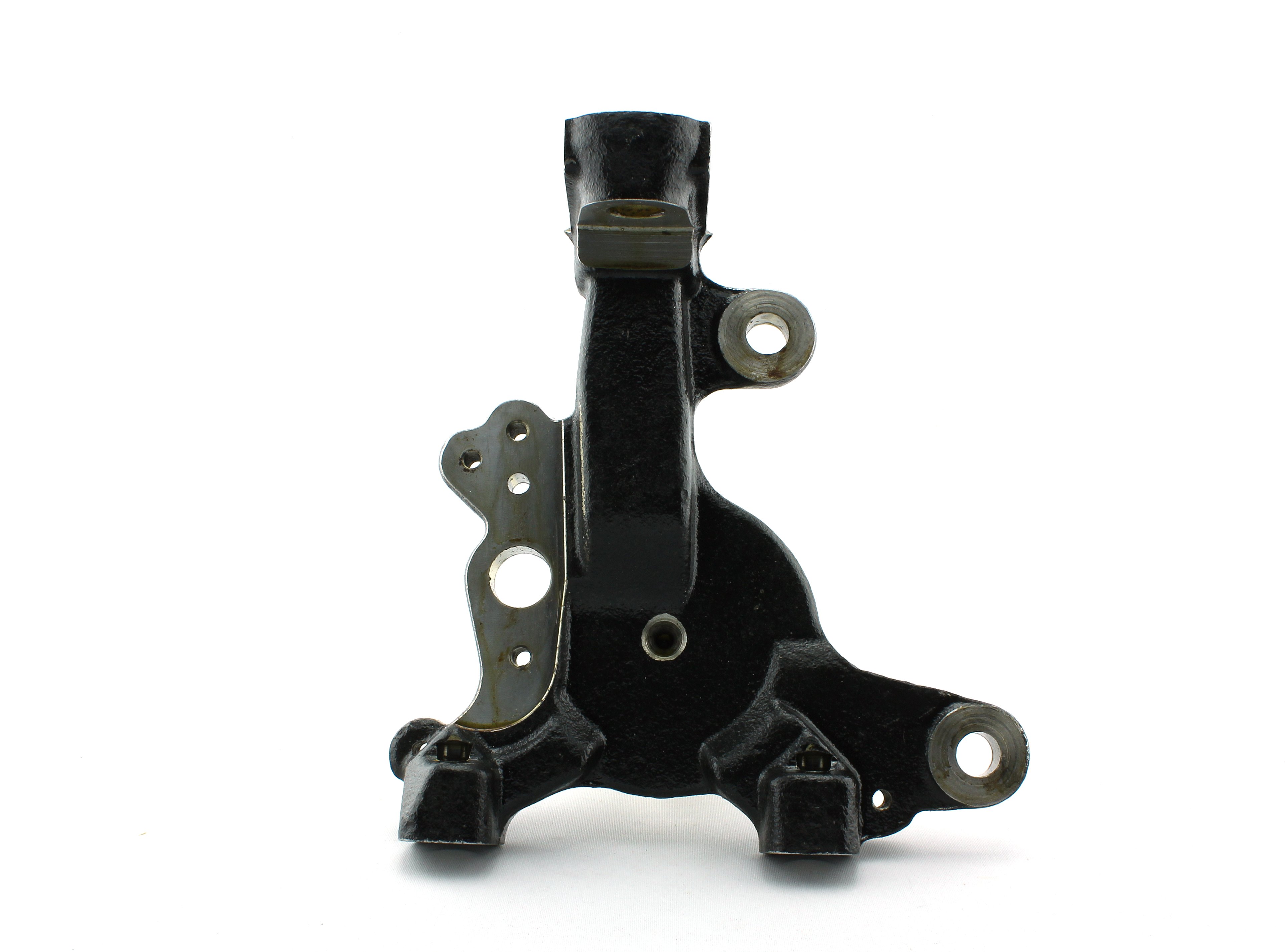
Since the steering knuckle is a robust part that doesn't typically wear out, a used OEM knuckle is an excellent, cost-effective option. However, careful inspection is key.
- Inspect for Cracks and Damage: This is the most critical check. Carefully examine the entire knuckle, especially around the mounting points for the strut, ball joint, and tie rod end. Look for any hairline cracks, signs of bending, or elongated bolt holes. Pay close attention to the area where the wheel bearing is pressed in. Any visible damage means the part is unsafe and should be rejected.
- Check the Wheel Bearing: Most used knuckles will come with the hub and bearing still installed. Assume the bearing is a wear item. Try to rotate the hub by hand. It should spin smoothly and silently. Any roughness, grinding noises, or side-to-side play (wobble) indicates the bearing is bad. It is highly recommended to press in a new wheel bearing before installing a used knuckle to avoid doing the job twice.
- Verify Compatibility: The front steering knuckles are side-specific (left/driver vs. right/passenger) and are not interchangeable. However, for the 2007-2014 Ford Edge and 2007-2015 Lincoln MKX, the front knuckles are the same for both Front-Wheel Drive (FWD) and All-Wheel Drive (AWD) models.
- Ignore Mileage, Focus on Condition: The mileage of the donor vehicle is less important for the knuckle itself than its history. A low-mileage part from a vehicle that hit a curb hard can be bent, while a high-mileage part from a well-maintained vehicle can be perfectly fine. Corrosion is a bigger concern than mileage, especially in salt-belt regions.
Warning: Many aftermarket suppliers sell "loaded knuckles" which come with a new bearing and hub pre-installed. While convenient, a high-quality used OEM knuckle with a new, professionally pressed-in premium wheel bearing is often superior to a complete aftermarket assembly of questionable quality.
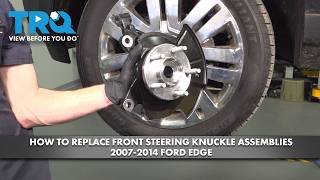
🎬 See this walkthrough for replacing the front steering knuckle assembly.Cost Comparison
Prices can vary significantly based on supplier, location, and whether new parts are included. The estimates below are for a single side.
| Part/Service | Estimated Cost | Notes |
|---|---|---|
| New OEM Knuckle (Part Only) | $125 - $240 | Does not include bearing or hub. |
| New Aftermarket "Loaded" Knuckle | $150 - $250 | Includes pre-installed bearing and hub. |
| Used OEM Knuckle | $75 - $150 | Part only, condition varies. Bearing should be replaced. |
| New Wheel Bearing/Hub Assembly | $85 - $150 | Quality aftermarket brand like MOOG or SKF. |
| Shop Labor (Knuckle Replacement) | $180 - $280 | Includes time to swap components. Does not include alignment. |
| Wheel Alignment | $100 - $200 | Mandatory after knuckle replacement. |
Replacement Overview and Torque Specs
Replacing a steering knuckle is a difficult job for a DIY mechanic, requiring specialized tools and a good understanding of suspension components. A four-wheel alignment is mandatory after the job is complete.
Warning: Suspension fasteners are critical safety components. Ford often recommends replacing key bolts and nuts, such as the axle nut, during installation. Always use a torque wrench to tighten fasteners to the manufacturer's specifications.
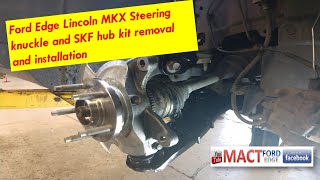
🎬 Watch: A step-by-step guide to steering knuckle removal and installation.Key Torque Specifications:
Always verify torque specs for your specific model year. These are common values found for this platform.
- Axle Nut: 258 ft-lbs (350 Nm). This nut is single-use and must be replaced.
- Strut-to-Knuckle Bolts: 85 ft-lbs (115 Nm), then turn an additional 90 degrees. Hold the bolt head while tightening the nut.
- Lower Ball Joint Pinch Bolt: 41 ft-lbs (55 Nm).
- Tie Rod End Nut: 41 ft-lbs (55 Nm).
- Wheel Lug Nuts: 100 ft-lbs (135 Nm).
Related Parts to Consider Replacing
Since this is a labor-intensive job, it's wise to inspect and replace other nearby wear items at the same time:
- Wheel Hub/Bearing Assembly: Highly recommended to replace with the knuckle.
- Lower Ball Joint: It must be separated from the knuckle anyway. If the boot is torn or it has any play, replace the lower control arm.
- Outer Tie Rod End: Inspect for play.
- Sway Bar Link: These are inexpensive and often wear out, causing clunking noises.
Frequently Asked Questions (FAQ)
Do I have to get an alignment after replacing a steering knuckle?
Yes, absolutely. Replacing the steering knuckle directly affects the suspension geometry, specifically the camber and toe angles. Failure to get a professional four-wheel alignment will result in poor handling, unsafe driving characteristics, and rapid tire wear.
Is the steering knuckle the same for FWD and AWD models?
Yes, for the 2007-2014 Ford Edge and 2007-2015 Lincoln MKX, the front steering knuckles are the same for both Front-Wheel Drive (FWD) and All-Wheel Drive (AWD) configurations.
What is the difference between a steering knuckle and a spindle?
The terms are often used interchangeably, but they technically refer to different designs. A spindle has a tapered shaft that the wheel bearing and hub slide onto. A knuckle, like the one on these vehicles, has a large bore where a sealed hub and bearing assembly is pressed or bolted in. These vehicles use a steering knuckle design.
My car makes a humming noise. Is it the tire or the wheel bearing?
A good way to check is to rotate your tires front to back. If the noise moves with the tire, the problem is the tire. If the noise stays in the same corner of the car, it's most likely the wheel bearing. Also, a bearing noise will typically change pitch when you swerve left and right, while tire noise usually remains constant.
Helpful Videos
Technical Specifications
OEM Part Numbers: 7T4Z-3K185-A 7T4Z-3K185-AR BT4Z-3K185-A 7T4Z-3K186-A 7T4Z-3K186-AL BT4Z-3K186-A MEF-26
Axle Nut Torque: 258 ft-lbs (350 Nm) - MUST use a new nut. Lower Ball Joint Pinch Bolt Torque: 41 ft-lbs (55 Nm). Wheel Lug Nut Torque: 100 ft-lbs (135 Nm).
We Have This Part in Stock
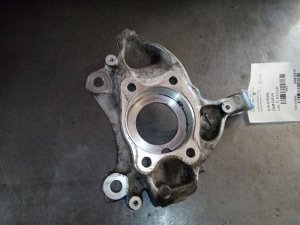
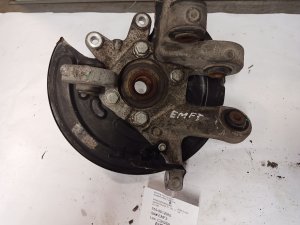
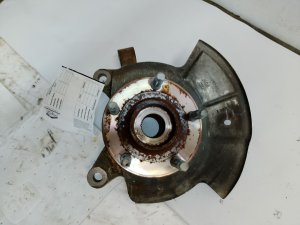
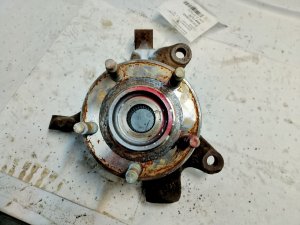

The information in this article is provided for general reference and educational purposes only. Vehicle specifications, procedures, and part compatibility can vary by production date, trim level, and region. Always consult your vehicle's factory service manual and verify part numbers before purchasing or performing repairs. Safety-critical components such as airbags, seat belts, and braking systems should be installed by a qualified professional.
- Ford Edge:
- Lincoln MKX:
- 🎬 Helpful Videos
- 🛍️ Shop This Part
- Symptoms of a Failing Steering Knuckle or Wheel Bearing
- Noises and Vibrations (Wheel Bearing Failure)
- Steering and Alignment Issues (Bent Knuckle)
- Known Issues, Recalls, and Technical Service Bulletins (TSBs)
- Buying a Used Steering Knuckle: What to Inspect
- Cost Comparison
- Replacement Overview and Torque Specs
- Key Torque Specifications:
- Related Parts to Consider Replacing
- Frequently Asked Questions (FAQ)
- 🎟️ Get 5% Off