

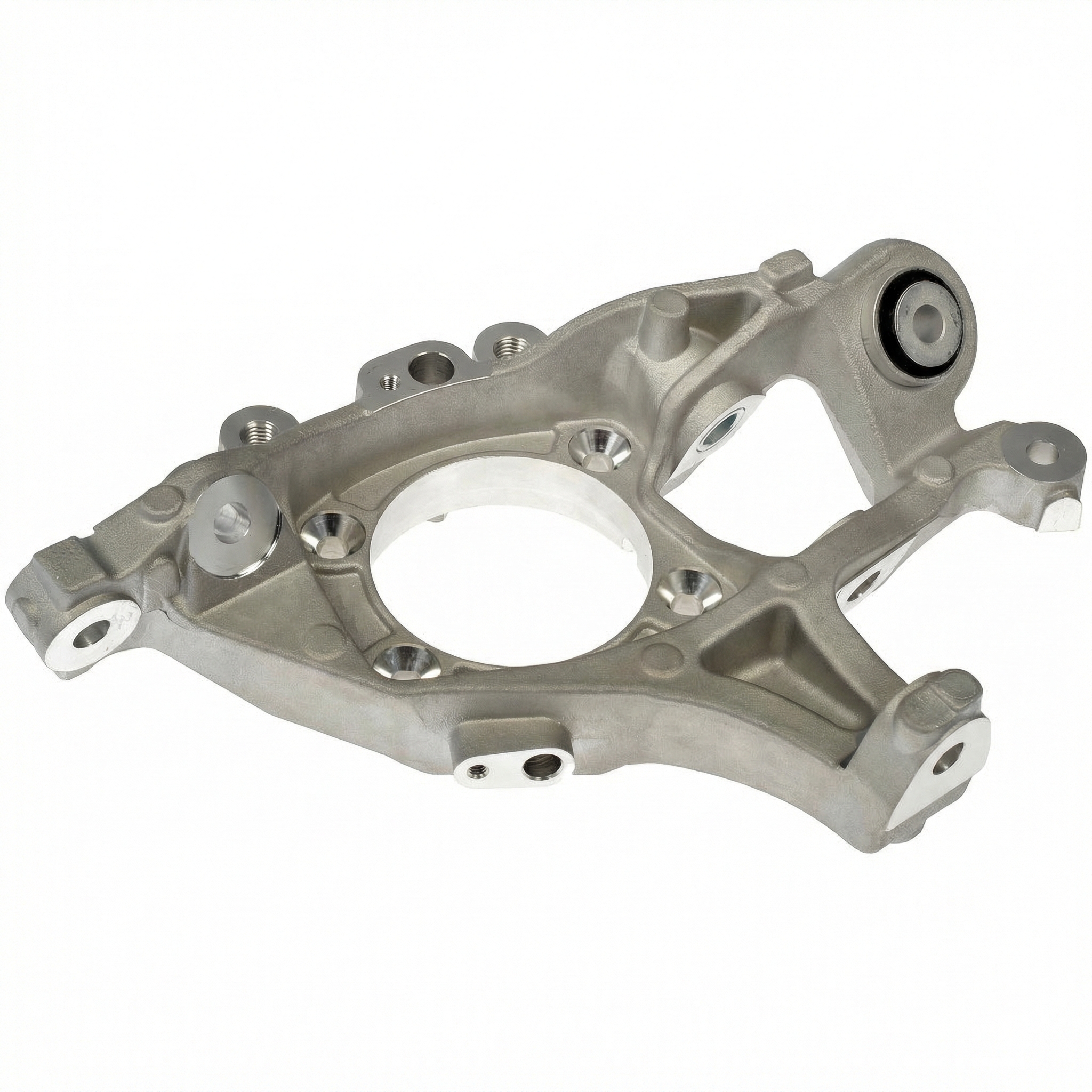
2007-2014 Edge & 2007-2015 MKX Steering Knuckle: Diagnosing Humming Noises and Failure
Diagnose the common humming and grinding noises from a failed wheel bearing and understand your replacement options for the steering knuckle assembly on your Ford Edge or Lincoln MKX.
- The most common failure is the wheel bearing inside the knuckle, causing a humming/growling noise that changes with speed.
- For DIY repair, purchasing a 'loaded knuckle' assembly with a pre-installed new bearing is highly recommended to avoid needing a hydraulic press.
- A bent knuckle, usually from an impact, will cause alignment issues like the vehicle pulling to one side and uneven tire wear.
- A four-wheel alignment is mandatory after replacing the steering knuckle to ensure safety and prevent tire damage.
Symptoms of a Failing Steering Knuckle or Wheel Bearing
On the Ford Edge and Lincoln MKX, it is far more common for the wheel bearing housed within the knuckle to fail than for the knuckle itself to crack or break. However, symptoms can overlap, and a bad wheel bearing often leads to replacing the entire knuckle assembly for a simpler repair.
Noises and Vibrations (Wheel Bearing Failure)
- Humming or Growling Noise: This is the most common symptom. The noise typically starts faint and gets louder over time. It's directly related to vehicle speed — the faster you go, the louder it gets. The pitch may change when turning; for example, a failing right-side bearing may get louder when you turn left, as more load is placed on it.
- Grinding or Clicking: In advanced stages of failure, you might hear a grinding or clicking sound, especially during turns.
- Vibrations: A worn wheel bearing can cause vibrations that you might feel in the steering wheel or the floor. This vibration also tends to worsen with speed.
Steering and Alignment Issues (Bent or Cracked Knuckle)
- Vehicle Pulling to One Side: If the knuckle is bent from an impact, such as hitting a curb or a deep pothole, it can alter the wheel alignment. This will cause the vehicle to persistently pull to one side, even on a straight road.
- Uneven Tire Wear: A bent knuckle changes the angle at which the tire contacts the road (camber or toe), leading to rapid and uneven wear on the inner or outer edge of one tire.
- Loose or Vague Steering: A severely worn bearing or a damaged knuckle can introduce excessive play into the steering system, making it feel less precise or responsive.
Pro Tip: To diagnose a noisy wheel bearing, find a safe, open area to drive. As you drive and the humming noise is present, gently swerve left and right. If the noise gets louder when turning left, the right wheel bearing is likely the culprit. If it gets louder when turning right, the left wheel bearing is the one to suspect.
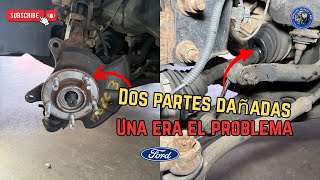
🎬 Watch: How to diagnose that buzzing and humming sound while driving.Known Issues, TSBs, and Recalls
Searches of NHTSA data and technical service bulletins (TSBs) do not show any widespread recalls or specific service campaigns for steering knuckle failure on the 2007-2014 Ford Edge or 2007-2015 Lincoln MKX. The primary issue associated with this component is the eventual wear and failure of the wheel bearing, which is considered a standard maintenance item and not a manufacturing defect.
Buying a Used Steering Knuckle: What to Inspect
A used OEM steering knuckle is an excellent, cost-effective alternative to expensive new parts. Since these are robust cast components, a part from a low-mileage, accident-free vehicle is often just as good as a new one. Here’s what to look for:
- Inspect for Cracks or Bends: Carefully examine the entire knuckle, paying close attention to the mounting points for the strut, ball joint, and tie rod. Look for any hairline cracks, signs of bending, or warping, especially if it looks like it was subjected to a major impact. A bent knuckle will make proper alignment impossible.
- Check Threaded Holes: Ensure the threaded holes for the brake caliper bracket and ABS sensor are clean and not stripped or damaged.
- Condition of the Included Bearing: When buying a used knuckle, the condition of the pre-installed wheel bearing is a major factor. While the knuckle itself isn't a major wear item, the bearing is. Assume the bearing may need to be replaced, or specifically look for a part from a low-mileage donor vehicle. If you can, try to spin the hub; it should be smooth and silent. Any roughness or noise means the bearing is bad.
- Why Used OEM is a Smart Choice: An original Ford/Motorcraft knuckle is made from high-quality cast metal with precise dimensions for a perfect fit. This is often a better choice than a cheap aftermarket part which may use inferior materials or have slight dimensional inaccuracies that can complicate installation and alignment.
Replacement Overview and Related Parts
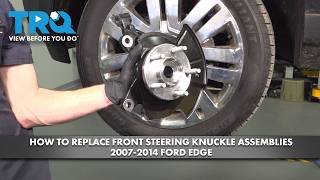
Replacing the steering knuckle is a job for an experienced DIYer or a professional technician due to the high torque specs and number of components involved. The most significant advantage of buying a complete knuckle assembly (new or used) is that the wheel bearing is already pressed in, which means you do not need a hydraulic shop press.
🎬 See this step-by-step guide for replacing the entire knuckle assembly.Warning: A four-wheel alignment is mandatory after replacing a steering knuckle. Skipping this step will result in poor handling, crooked steering, and rapid tire wear.
Parts to Replace at the Same Time:
- Axle Nut: This is a one-time-use, torque-to-yield nut. It absolutely must be replaced with a new one.
- Lower Ball Joint: Since you have to separate it from the knuckle anyway, it's a good time to inspect and replace it if it shows any signs of wear.
- Outer Tie Rod End: Similar to the ball joint, this is a good opportunity for replacement if the part is old or worn.
- Strut-to-Knuckle Bolts: Some manufacturers recommend replacing these bolts, as they can be stretch bolts. Check the service manual for the latest recommendation.
Key Torque Specs:
These are critical for safety. Always use a torque wrench for installation.
| Component | Torque Spec | Source |
|---|---|---|
| Axle Nut (New) | 258 ft-lbs (350 Nm) | |
| Strut-to-Knuckle Bolts | 98 ft-lbs | |
| Lower Ball Joint Pinch Bolt Nut | 41 ft-lbs | |
| Outer Tie Rod End Nut | 35 ft-lbs | |
| ABS Wheel Speed Sensor Bolt | 62 in-lbs |
Cost Comparison
Prices can vary based on location and supplier, but this provides a general estimate for a single front knuckle replacement.
| Part/Service | Estimated Cost | Notes |
|---|---|---|
| New OEM (Bare Knuckle) | $125 - $240 | Does not include wheel bearing. |
| New Aftermarket (Loaded Knuckle) | $165 - $350 | Includes pre-installed bearing and hub. |
| Used OEM (Loaded Knuckle) | $75 - $150 | Price varies with mileage and condition. |
| Shop Labor | $165 - $265 | Does not include cost of alignment. |
Technical Specifications and Part Numbers
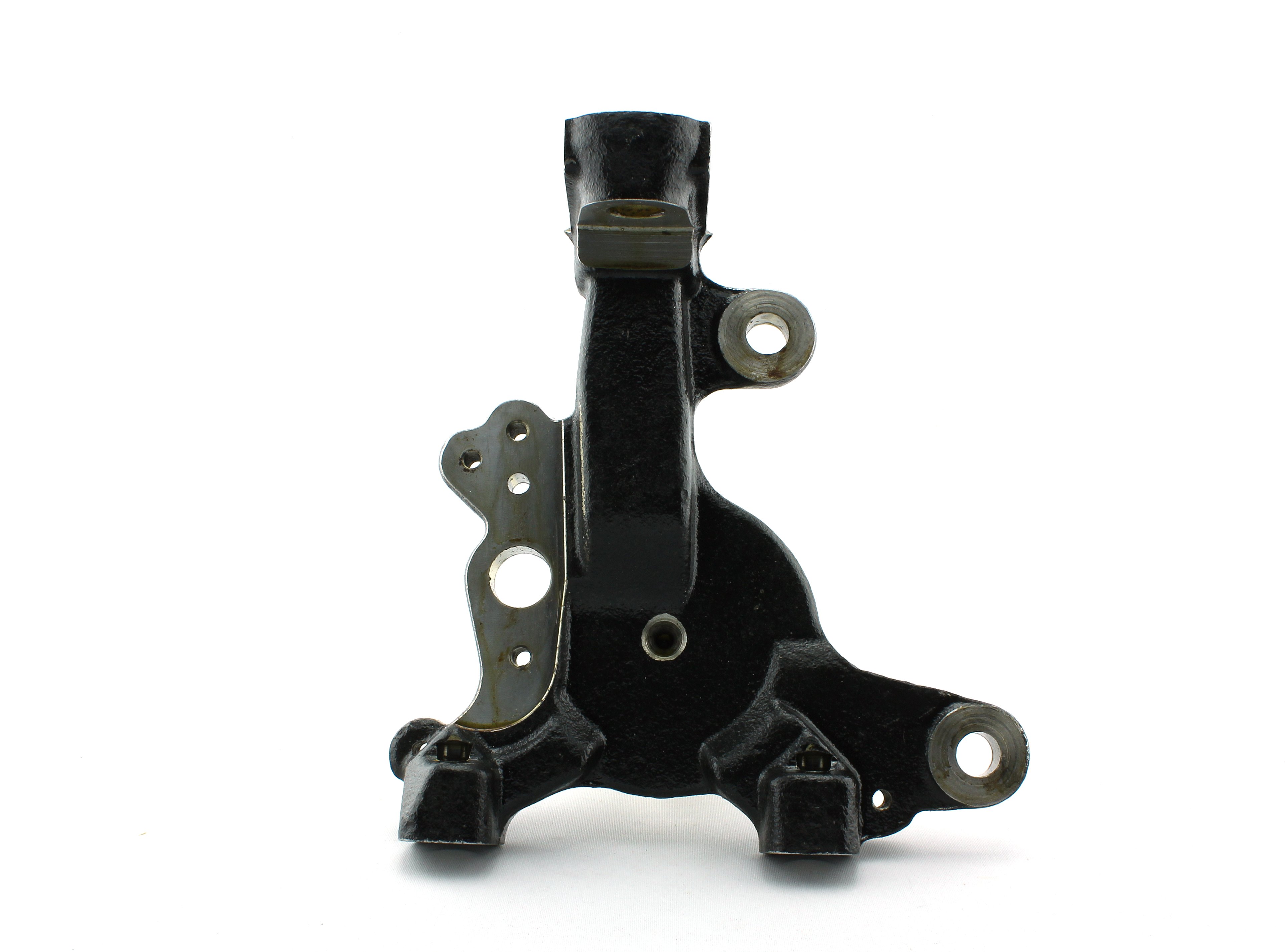
These knuckles are side-specific (Left/Driver vs. Right/Passenger) but are compatible with both Front-Wheel Drive (FWD) and All-Wheel Drive (AWD) models of the 2007-2014 Ford Edge and 2007-2015 Lincoln MKX.
| Side | Current OEM Part # | Supersedes Part #(s) |
|---|---|---|
| Front Right (Passenger) | BT4Z-3K185-A | 7T4Z-3K185-A, 7T4Z-3K185-AR |
| Front Left (Driver) | BT4Z-3K186-A | 7T4Z-3K186-A, 7T4Z-3K186-AL |
FAQ: Can I just replace the wheel bearing instead of the whole knuckle?
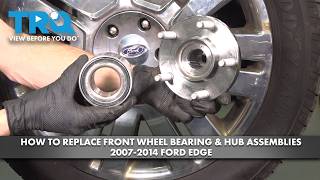
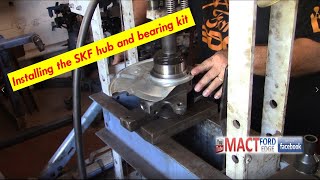
Yes, it is possible to replace only the wheel bearing. However, this requires a hydraulic press to remove the old bearing and press in the new one. For most DIY mechanics and even many shops, it is faster, easier, and more reliable to replace the entire 'loaded knuckle' assembly which comes with a new bearing already installed. Given the high rust potential in this area, separating the old bearing can be very difficult.
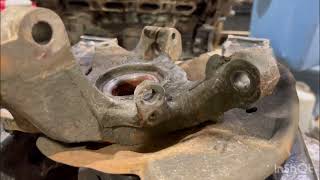
🎬 Watch: How to replace just the wheel bearing and hub.FAQ: Do I need an alignment after replacing a steering knuckle?
Yes, absolutely. The steering knuckle is a primary component that dictates wheel alignment angles. Replacing it will alter the alignment, so a full four-wheel alignment is required to ensure proper handling, safety, and to prevent premature tire wear.
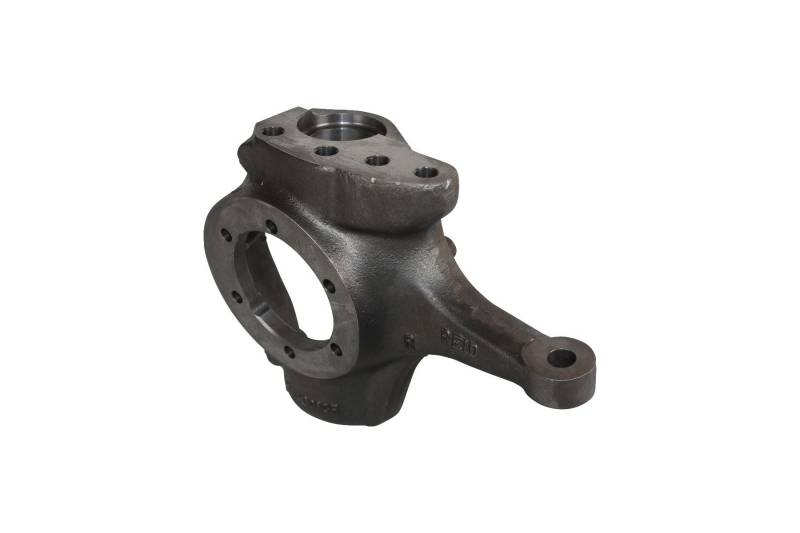
FAQ: What is the difference between a steering knuckle and a spindle?
The terms are often used interchangeably, but there's a technical difference. A 'spindle' typically refers to a solid, non-rotating shaft that the wheel hub and bearings mount onto (common on older RWD vehicles). A 'knuckle' is a more complex component that houses a bearing assembly and has attachment points for suspension and steering links, which is what the Ford Edge and Lincoln MKX use. For these vehicles, 'steering knuckle' is the correct term.
FAQ: Is this part the same for FWD and AWD models?
Yes, for the 2007-2014 Ford Edge and 2007-2015 Lincoln MKX, the front steering knuckles are the same for both Front-Wheel Drive (FWD) and All-Wheel Drive (AWD) configurations. You only need to ensure you have the correct part for the driver's side or passenger's side.
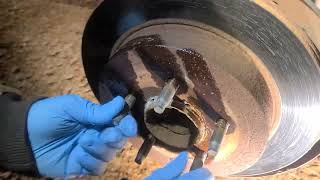
Helpful Videos
Technical Specifications
OEM Part Numbers: BT4Z-3K185-A (Right) 7T4Z-3K185-A (Right) 7T4Z-3K185-AR (Right) BT4Z-3K186-A (Left) 7T4Z-3K186-A (Left) 7T4Z-3K186-AL (Left) MEF-26 (Motorcraft)
Fits 2007-2014 Ford Edge and 2007-2015 Lincoln MKX. Compatible with both FWD and AWD models. Axle nut torque: 258 ft-lbs (one-time use nut).
We Have This Part in Stock

The information in this article is provided for general reference and educational purposes only. Vehicle specifications, procedures, and part compatibility can vary by production date, trim level, and region. Always consult your vehicle's factory service manual and verify part numbers before purchasing or performing repairs. Safety-critical components such as airbags, seat belts, and braking systems should be installed by a qualified professional.
- Ford Edge:
- Lincoln MKX:
- 🎬 Helpful Videos
- 🛍️ Shop This Part
- Symptoms of a Failing Steering Knuckle or Wheel Bearing
- Noises and Vibrations (Wheel Bearing Failure)
- Steering and Alignment Issues (Bent or Cracked Knuckle)
- Known Issues, TSBs, and Recalls
- Buying a Used Steering Knuckle: What to Inspect
- Replacement Overview and Related Parts
- Parts to Replace at the Same Time:
- Key Torque Specs:
- Cost Comparison
- Technical Specifications and Part Numbers
- 🎟️ Get 5% Off