

2010-2018 Ford Transit Connect Steering Knuckle: A Guide to Wheelbase Differences and Replacement
This guide covers the critical differences between steering knuckles for the two generations and wheelbases of the 2010-2018 Ford Transit Connect, helping you diagnose symptoms and choose the right part.
- The 2014-2018 Transit Connect has two different steering knuckles for the Short (104.8") and Long (120.6") wheelbases; you must verify which you have.
- The 2010-2013 generation has only one wheelbase (114.6") and its parts are not interchangeable with 2014+ models.
- A damaged steering knuckle is a critical safety issue that makes the vehicle unsafe to drive.
- A four-wheel alignment is absolutely required after replacing a steering knuckle to prevent handling problems and rapid tire wear.
Key Differences: Generations and Wheelbases
The most significant challenge when replacing a steering knuckle on a 2010-2018 Ford Transit Connect is identifying the correct part for your specific vehicle. The model range spans two distinct generations with different configurations.
Warning: Ordering the wrong part is extremely common. Carefully verify your vehicle's year and wheelbase before purchasing a replacement steering knuckle.
First Generation (2010-2013)
The first-generation Transit Connect, sold from 2010 to 2013, came with a single wheelbase of 114.6 inches. These models are generally more straightforward, as there are no wheelbase options to worry about. Parts for these years are not interchangeable with the later generation.
Second Generation (2014-2018)
Starting in 2014, Ford introduced a completely redesigned Transit Connect with two wheelbase options:
- Short Wheelbase (SWB): 104.8 inches
- Long Wheelbase (LWB): 120.6 inches
The steering knuckles are different between the SWB and LWB models. You must confirm your vehicle's wheelbase to get the correct part. You can find the wheelbase information on the sticker inside the driver's door jamb or by measuring the distance from the center of the front wheel to the center of the rear wheel.
Symptoms of a Bad Steering Knuckle
A steering knuckle is a very durable part, and failure usually results from a significant impact, like hitting a curb, a deep pothole, or being in an accident. When a knuckle is damaged, it will directly affect your vehicle's alignment and handling.
- Vehicle Pulling to One Side: A bent knuckle will alter the suspension geometry, causing the vehicle to pull to the left or right even after a wheel alignment.
- Uneven Tire Wear: Because the wheel is no longer held at the correct angle (camber or toe), you will notice rapid wear on the inside or outside edge of one of the front tires.
- Vibrating or Shaking Steering Wheel: A damaged knuckle can cause vibrations that are felt through the steering wheel, especially at higher speeds.
- Abnormal Noises: You may hear clunking, popping, or grinding sounds, particularly when turning. These noises can also be caused by worn ball joints or wheel bearings, which are connected to the knuckle.
- Crooked Steering Wheel: The steering wheel may be off-center even when you are driving straight.
Known Issues, TSBs, and Recalls
As of early 2026, there are no specific recalls or widespread technical service bulletins (TSBs) from the NHTSA or Ford that directly address steering knuckle failure on the 2010-2018 Transit Connect. Most issues with this part are caused by external factors like road impacts rather than a manufacturing defect. However, several recalls exist for related components like door latches and shifter cable bushings that owners should be aware of.
🎬 Watch: Common 2nd Gen Transit Connect problems and recall overviewPro Tip: When diagnosing a steering issue, always inspect related components. A bad wheel bearing, ball joint, or tie rod end can produce symptoms similar to a failed knuckle.
Buying a Used Steering Knuckle
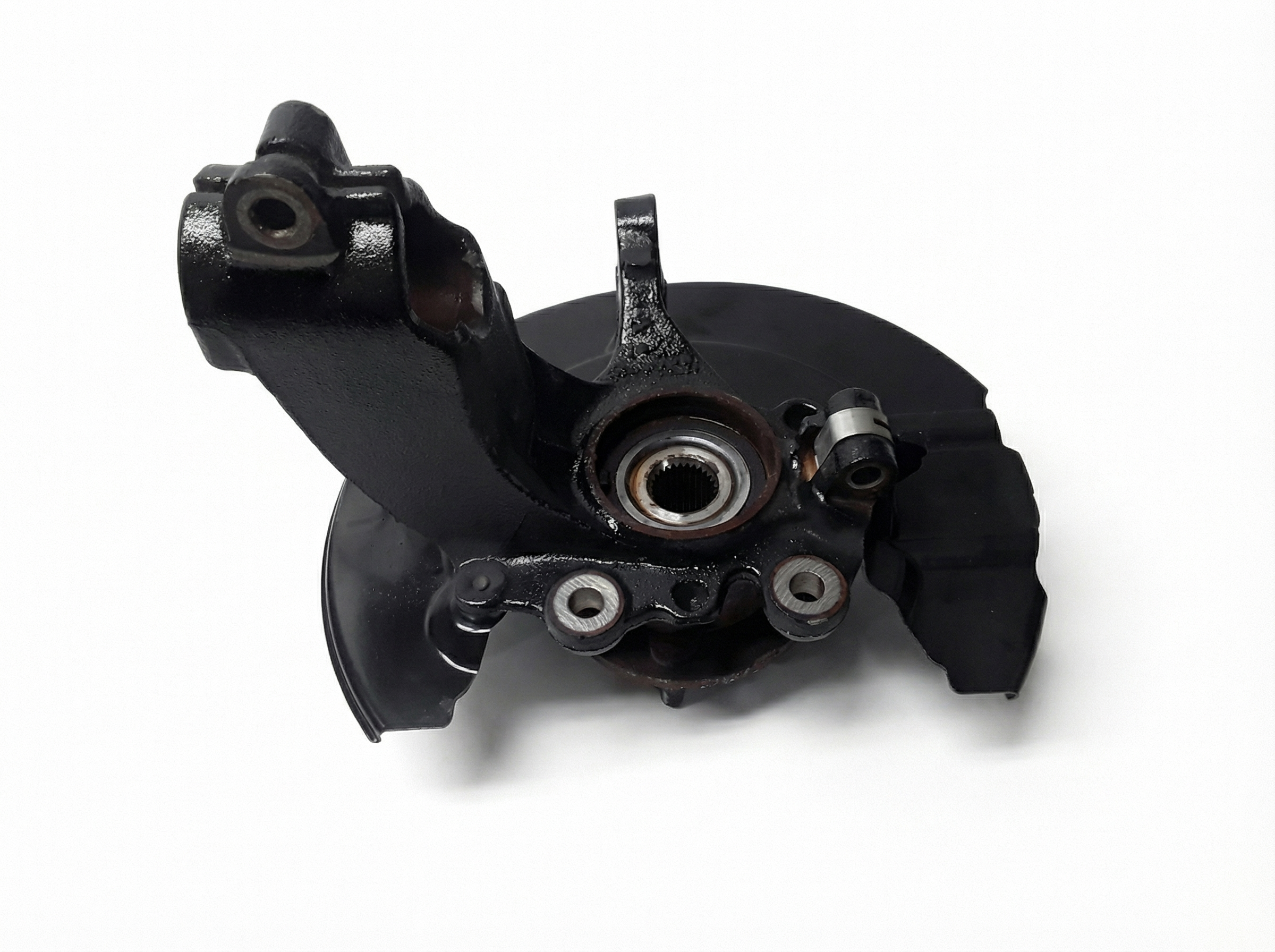
A used OEM steering knuckle is often a smart, cost-effective choice compared to an expensive new dealer part or a potentially lower-quality aftermarket one. Since knuckles are solid metal, a used part from a vehicle that has not been in a major front-end collision is a reliable option.
What to Inspect:
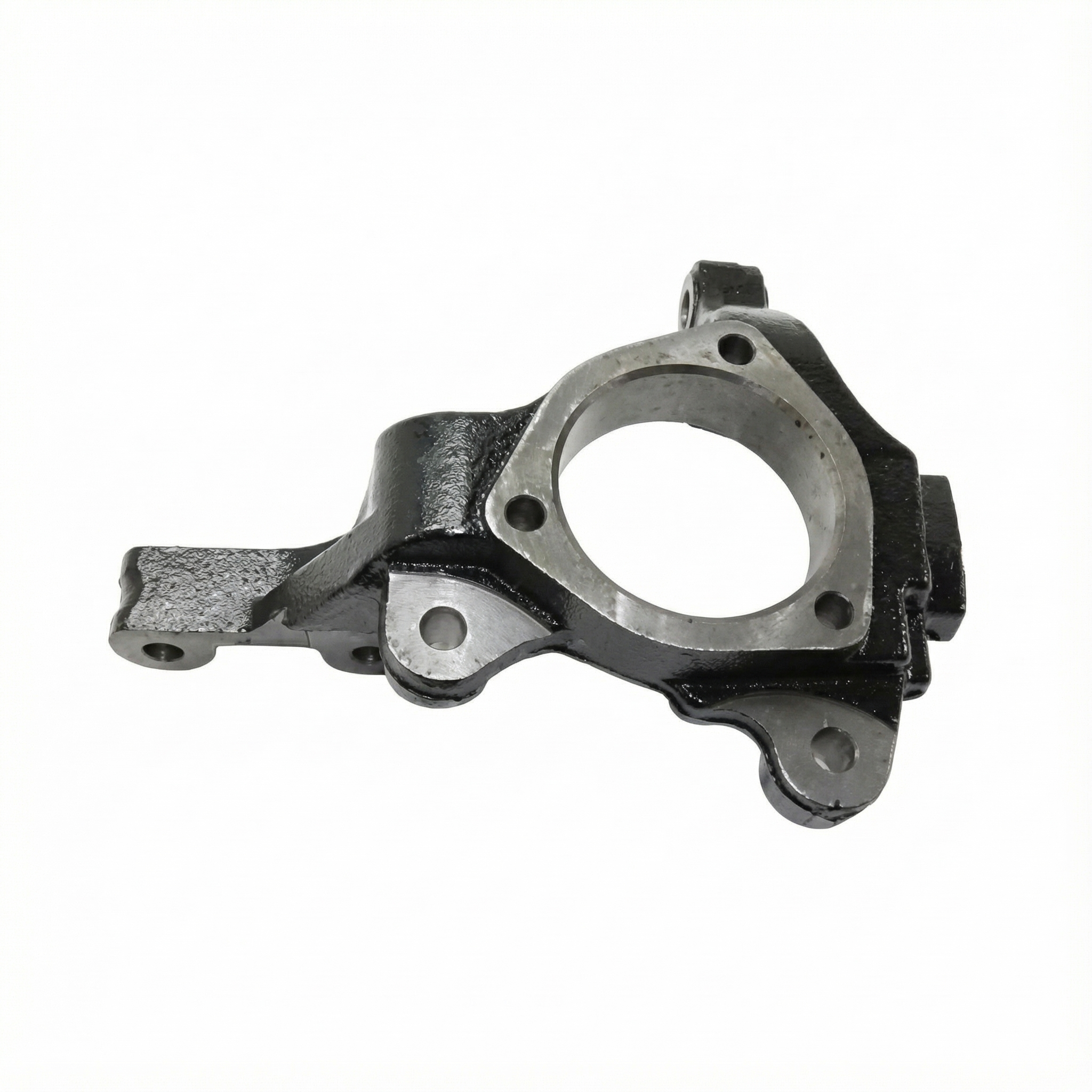
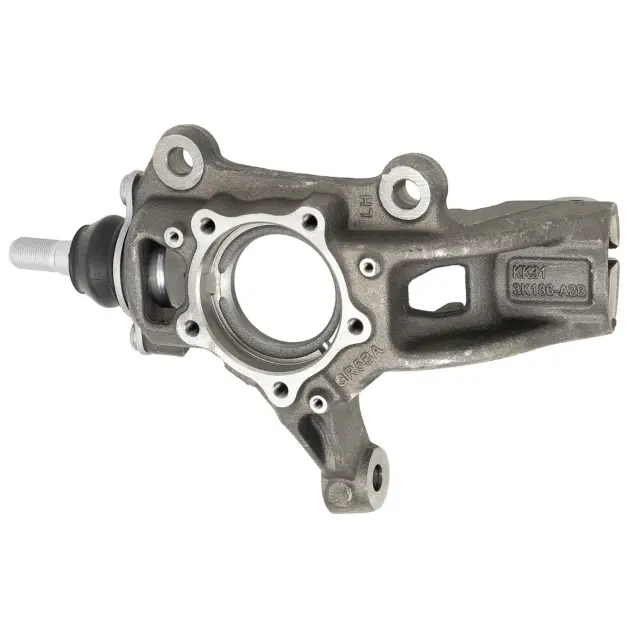
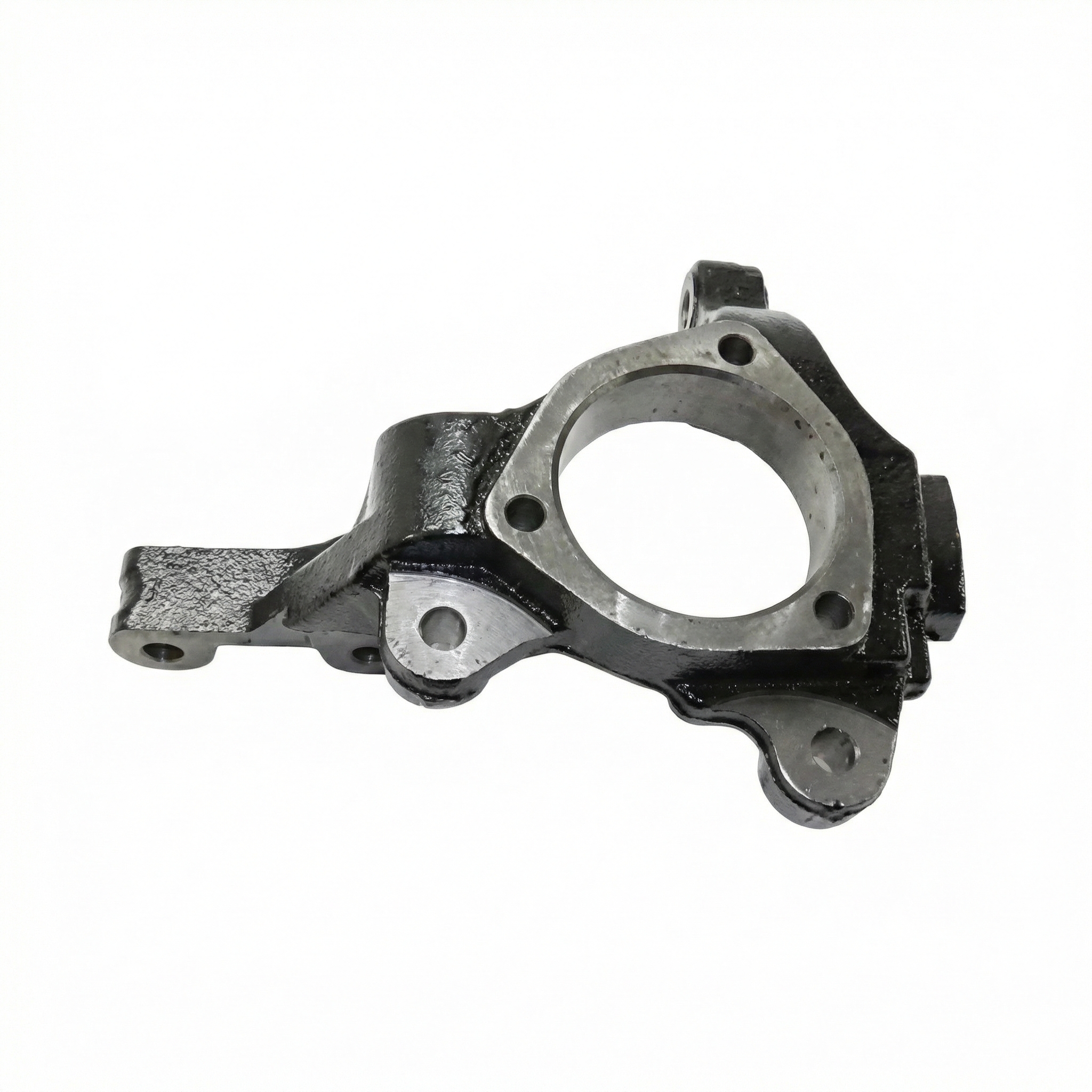
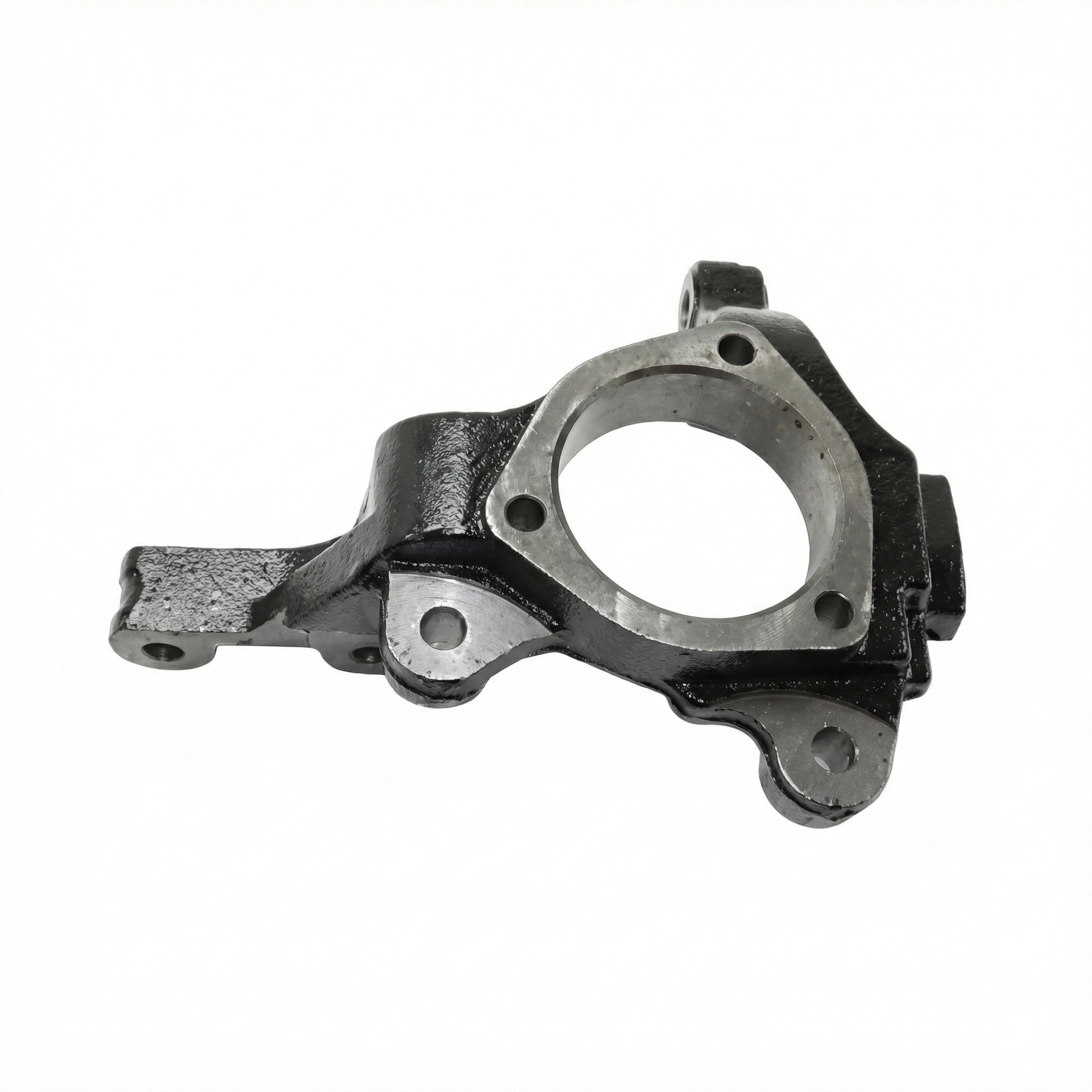
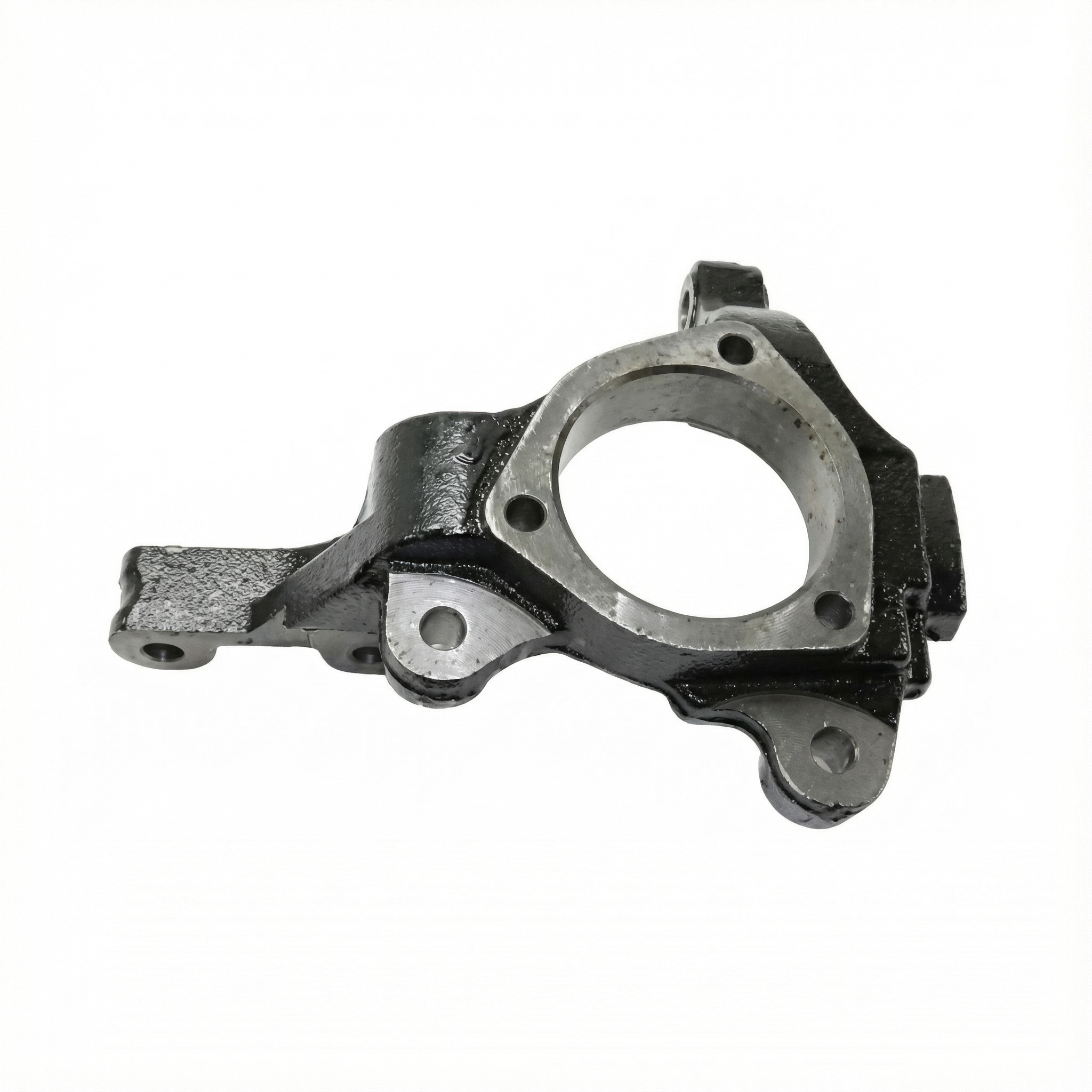
- Check for Cracks: Carefully inspect the entire part, especially around the mounting points for the strut, ball joint, and tie rod. Any visible cracks mean the part is unsafe and should be rejected.
- Look for Bending or Deformation: Compare the used knuckle to a picture of a new one if possible. Look for any signs that it has been bent or twisted from an impact.
- Examine Mounting Holes: Ensure the holes for the strut, caliper bracket, and ball joint are round and not elongated or damaged.
- Condition of the Hub Surface: Check the surface where the wheel bearing/hub assembly mounts. It should be smooth and free of deep scoring or rust that could prevent the new bearing from seating correctly. Sometimes, a wheel bearing will seize in the knuckle, requiring both to be replaced.
Compatibility Verification:
Re-confirm your vehicle's year and wheelbase. For 2014-2018 models, you must know if you have the 104.8" SWB or 120.6" LWB version. Do not rely on visual comparison alone, as the differences can be subtle.
Cost Comparison for Steering Knuckle Replacement
Prices can vary by location and supplier, but this table provides a general estimate for a single steering knuckle replacement.
| Part or Service | Estimated Cost |
|---|---|
| New OEM (Dealer) | $300 - $800+ |
| New Aftermarket | $110 - $300 |
| Used OEM | $75 - $150 |
| Shop Labor | $243 - $357 |
| Total Estimated Cost (Used OEM) | $318 - $507 + Alignment |
| Total Estimated Cost (New OEM) | $543 - $1157 + Alignment |
Important: A four-wheel alignment is mandatory after replacing a steering knuckle. Expect to pay an additional $100 - $200 for this service. Failure to get an alignment will result in poor handling and rapid tire wear.
Related Parts to Consider Replacing
Since replacing the knuckle requires disassembling the entire corner of the suspension, it is wise to inspect and often replace other wear items at the same time. This saves you from paying for the same labor twice in the near future.
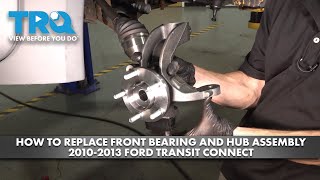
- Wheel Hub and Bearing Assembly: This is the most common related replacement. 🎬 See this walkthrough for replacing the wheel bearing and hub It's often difficult to remove the old hub from the knuckle without damaging it.
- Lower Ball Joint: The ball joint connects the knuckle to the lower control arm and is a critical pivot point.
- Outer Tie Rod End: This connects the knuckle to the steering rack.
- Axle Nut: This is a one-time-use nut and must be replaced with a new one during installation.
Installation Tips and Torque Specs
While a detailed guide is beyond this article's scope, here are key torque specifications for the 2010-2013 model. Always consult a model-year specific repair manual for your vehicle, as specs can vary.
- Lower Ball Joint Nut: 111 ft-lbs
- Strut-to-Knuckle Pinch Bolt: 74 ft-lbs
- Brake Caliper Bracket Bolts: 98 ft-lbs
- Outer Tie Rod End Nut: 35 ft-lbs
- Axle Nut: Torque to 184 ft-lbs, then tighten an additional 90 degrees.
Frequently Asked Questions (FAQ)
How do I know if I have a short or long wheelbase Transit Connect?
This only applies to 2014-2018 models. Check the sticker on the driver's side door jamb, which lists the wheelbase (WB). Alternatively, measure from the center of the front wheel to the center of the rear wheel. A short wheelbase (SWB) is 104.8 inches, and a long wheelbase (LWB) is 120.6 inches.
Can I replace just one steering knuckle, or should I do both?
Steering knuckles are replaced individually. You only need to replace the one that is damaged. Unlike shocks or brakes, they do not need to be replaced in pairs.
Does a used steering knuckle come with the wheel bearing or ball joint?
Typically, no. A used steering knuckle is usually sold as a bare part. You should plan on purchasing a new wheel hub/bearing assembly and a new ball joint to install onto the used knuckle.
Is it safe to drive with a bad steering knuckle?
No. A bent or cracked steering knuckle is a critical safety failure. It can lead to a loss of steering control or, in a worst-case scenario, the wheel detaching from the vehicle. The vehicle should not be driven until it is repaired.
Helpful Videos
![Ford Transit Connect Recalls and Problems | 2nd Generation, 2014-2023 [Buyers + Owners BEWARE]](https://img.youtube.com/vi/KIGvfmciE44/mqdefault.jpg)
Technical Specifications
OEM Part Numbers: 2T1Z-3K185-A 2T1Z-3K185-B 2T1Z3K186A 2T1Z3K186B 5T1Z-3K185-A 5T1Z3K186B DV6Z-3K185-A DV6Z-3K185-B DV6Z-3K186-B DV6Z3K186A mef274
Wheelbase (2010-2013): 114.6 inches. Wheelbase Options (2014-2018): 104.8 inches (SWB) or 120.6 inches (LWB).
We Have This Part in Stock

The information in this article is provided for general reference and educational purposes only. Vehicle specifications, procedures, and part compatibility can vary by production date, trim level, and region. Always consult your vehicle's factory service manual and verify part numbers before purchasing or performing repairs. Safety-critical components such as airbags, seat belts, and braking systems should be installed by a qualified professional.
- Ford Transit Connect:
- 🎬 Helpful Videos
- 🛍️ Shop This Part
- Key Differences: Generations and Wheelbases
- First Generation (2010-2013)
- Second Generation (2014-2018)
- Symptoms of a Bad Steering Knuckle
- Known Issues, TSBs, and Recalls
- Buying a Used Steering Knuckle
- What to Inspect:
- Compatibility Verification:
- Cost Comparison for Steering Knuckle Replacement
- Related Parts to Consider Replacing
- Installation Tips and Torque Specs
- Frequently Asked Questions (FAQ)
- 🎟️ Get 5% Off