

MINI Countryman & Paceman Steering Knuckle: Decoding Failures and Part Numbers (2011-2016)
This guide covers the common failure symptoms, replacement costs, and critical part number differences for the front steering knuckle on your R60 Countryman or R61 Paceman.
- The primary cause of steering knuckle failure is impact damage from curbs or potholes, not high mileage.
- The same part numbers fit both FWD and ALL4 models: 31219808399 for the left side and 31219808400 for the right side.
- When replacing the knuckle, you must also replace the wheel bearing and the single-use axle nut.
- A professional four-wheel alignment is mandatory after installation to prevent handling problems and severe tire wear.
Symptoms of a Failing Steering Knuckle
A steering knuckle is a very durable component, and failures are almost always caused by an impact, such as hitting a curb, a deep pothole, or being in a collision. The knuckle itself doesn't have moving parts, but it houses the wheel bearing and provides mounting points for the ball joint and tie rod. Symptoms are often caused by the knuckle being bent or by wear in the components attached to it.
Vehicle Pulling to One Side
If the knuckle is even slightly bent, it will alter the suspension geometry (specifically the camber and caster angles). This can cause the vehicle to persistently pull to one side, a problem that a standard wheel alignment cannot correct. You may find yourself constantly making small steering corrections to keep the car driving straight.
Uneven or Rapid Tire Wear
A bent knuckle is a common cause of accelerated wear on the inside or outside edge of a single tire. Because the wheel is no longer perfectly vertical, it scrubs the tire tread as you drive, leading to premature replacement.
Clunking or Popping Noises
While often a sign of a worn ball joint or control arm bushing, a damaged knuckle can cause these parts to fail prematurely. A clunking sound when going over bumps can indicate that the ball joint's seat within the knuckle has been damaged or worn, creating excessive play.
Steering Wheel Vibration or Looseness
A damaged knuckle can disrupt the smooth rotation of the wheel and hub, leading to vibrations felt in the steering wheel, especially at higher speeds. It can also contribute to a loose or wandering steering feel, where the car is less responsive to inputs.
🎬 Watch: Diagnosing stability issues and suspension noisesGrinding or Humming Noises
These sounds are typically associated with a failing wheel bearing. However, since the wheel bearing is pressed directly into the knuckle, any damage to the knuckle from an impact can lead to premature bearing failure. If you're replacing a wheel bearing, it's wise to inspect the knuckle for damage at the same time.
Known Issues, TSBs, and Recalls
As of mid-2026, there are no specific recalls or widespread Technical Service Bulletins (TSBs) from MINI or the National Highway Traffic Safety Administration (NHTSA) that directly address steering knuckle failure for the 2011-2016 Countryman and 2013-2016 Paceman models. Most issues with this part are related to external factors like road impacts rather than a manufacturing defect.
Pro Tip: While there are no knuckle-specific recalls, always check for the latest safety information using your vehicle's VIN. Other related components on different MINI models have been subject to recalls, highlighting the importance of inspecting the entire steering and suspension system during any repair.
Part Number and Fitment Guide (2011-2016)
Correctly identifying the steering knuckle is crucial. For the R60 Countryman and R61 Paceman, the part is specific to the driver's or passenger's side but fits all models within that side, including Base, S, and ALL4 (AWD).
| Position | Current OEM Part Number | Superseded (Old) Part Number | Fitment Notes |
|---|---|---|---|
| Front Left (Driver's Side) | 31219808399 | 31219804423 | Fits all 2011-2016 Countryman & 2013-2016 Paceman models (FWD & ALL4). If replacing the old part on a pre-01/2012 vehicle, the tie rod may also need to be updated. |
| Front Right (Passenger's Side) | 31219808400 | 31219804424 | Fits all 2011-2016 Countryman & 2013-2016 Paceman models (FWD & ALL4). |
Warning: Verify your vehicle's R-series code. This guide is only for the R60 Countryman and R61 Paceman. These knuckles will not fit standard R55, R56, or other MINI Cooper hatchback or convertible models.
Buying a Used Steering Knuckle: What to Inspect
Because knuckle failure is almost always due to impact, not mileage, a used OEM part from a non-accident vehicle is an excellent, cost-effective option. New aftermarket parts may not have the same material strength or precise geometry as original equipment. When inspecting a used knuckle, focus on these areas:
- Check for Cracks or Bending: This is the most critical inspection. Use a straight edge and carefully examine the entire part for any signs of bending, twisting, or hairline cracks. Pay close attention to the mounting points for the strut, brake caliper, and ball joint.
- Inspect Mounting Holes: The holes for the ball joint, tie rod, and strut pinch bolt should be perfectly round. An elongated or distorted hole is a clear sign of extreme stress, and the part should be rejected.
- Examine the Wheel Bearing Bore: Look inside the large opening where the wheel bearing is pressed. The surface must be smooth, clean, and free of deep scores, rust pitting, or distortion. Any damage here will prevent the new bearing from seating correctly, leading to premature failure.
- Verify Part Numbers: Whenever possible, match the OEM part number stamped on the knuckle to the ones listed in this guide to ensure compatibility.
- Check Caliper Threads: Ensure the threaded holes for the brake caliper bracket are clean and not stripped. Damaged threads make it unsafe to secure the brake caliper.
Replacement Overview & Torque Specs
Replacing a steering knuckle is an advanced DIY job that requires proper tools and safety precautions. If you are not comfortable with major suspension work, this job is best left to a professional technician.
Related Parts to Replace:
- Wheel Bearing: It is mandatory to install a new wheel bearing. The old one will likely be destroyed during removal, and reusing it is unsafe. 🎬 See this step-by-step wheel bearing replacement guide
- Axle Nut: The large axle nut is a single-use, torque-to-yield fastener and must be replaced.
- Ball Joint & Tie Rod End: Inspect these components carefully. Since you have to disconnect them anyway, now is the perfect time for replacement if they show any signs of wear.
Critical Final Step: A professional four-wheel alignment is mandatory after installation. Skipping this step will result in a crooked steering wheel, poor handling, and severe, rapid tire wear.
Torque Specifications
Using a torque wrench is essential for safety. These are common reference values for MINI models; always consult a model-specific repair manual for the exact specs for your vehicle.
| Component | Torque Spec (Reference) | Notes |
|---|---|---|
| Driveshaft/Axle Hub Nut | 134 lb-ft (182 Nm) | Must use a new nut. |
| Lower Ball Joint to Knuckle | 41 lb-ft (56 Nm) | Often uses new bolts/nuts. |
| Tie Rod End to Knuckle Nut | 38 lb-ft (52 Nm) | Must use a new nut. |
| Strut Pinch Bolt | 60 lb-ft (81 Nm) | Clean surfaces before assembly. |
| Brake Caliper Bracket to Knuckle | 81 lb-ft (110 Nm) | Use thread locker if specified. |
| Wheel Lug Nuts | 103 lb-ft (140 Nm) | Tighten in a star pattern. |
Cost Breakdown for Steering Knuckle Replacement
Prices can vary based on your location and choice of parts. A used OEM knuckle offers significant savings over a new dealer part.
| Part/Service | Estimated Cost |
|---|---|
| New OEM Knuckle | $300 - $400 |
| New Aftermarket Knuckle | $150 - $300 |
| Used OEM Knuckle | $75 - $150 |
| Shop Labor (Knuckle Replacement) | $320 - $550 |
| Required Parts (Bearing, Nut, etc.) | $100 - $220 |
| Wheel Alignment | $100 - $200 |
Frequently Asked Questions (FAQ)
Can I replace just the wheel bearing instead of the whole knuckle?
Yes, if only the bearing has failed and the knuckle is not bent or damaged, you can press out the old bearing and press in a new one. However, if the knuckle was damaged by an impact that also caused the bearing to fail, replacing only the bearing is a temporary fix. Always inspect the knuckle carefully during a bearing replacement.
Do I really need a wheel alignment after replacing the knuckle?
Yes, absolutely. The steering knuckle is the central component that determines the wheel's alignment angles. Replacing it will significantly change the alignment. Failing to have it professionally aligned will result in poor handling, a crooked steering wheel, and rapid tire wear.
What's the difference between the ALL4 (AWD) and FWD knuckle?
For the 2011-2016 R60 Countryman and R61 Paceman, there is no difference. The same left-side knuckle (31219808399) and right-side knuckle (31219808400) are used for both Front-Wheel Drive and All-Wheel Drive (ALL4) models.
How do I know for sure if my knuckle is bent?
A definitive diagnosis is often made during a wheel alignment. If a technician cannot bring the camber or caster angles into the correct specification on one wheel, a bent knuckle or strut is the most likely cause. Visually, you can look for signs of impact or use a straightedge to check for warping.
Helpful Videos

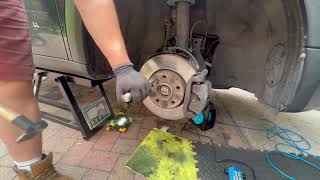
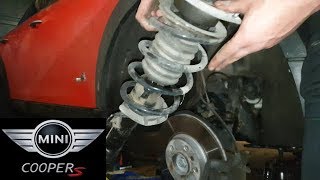
Technical Specifications
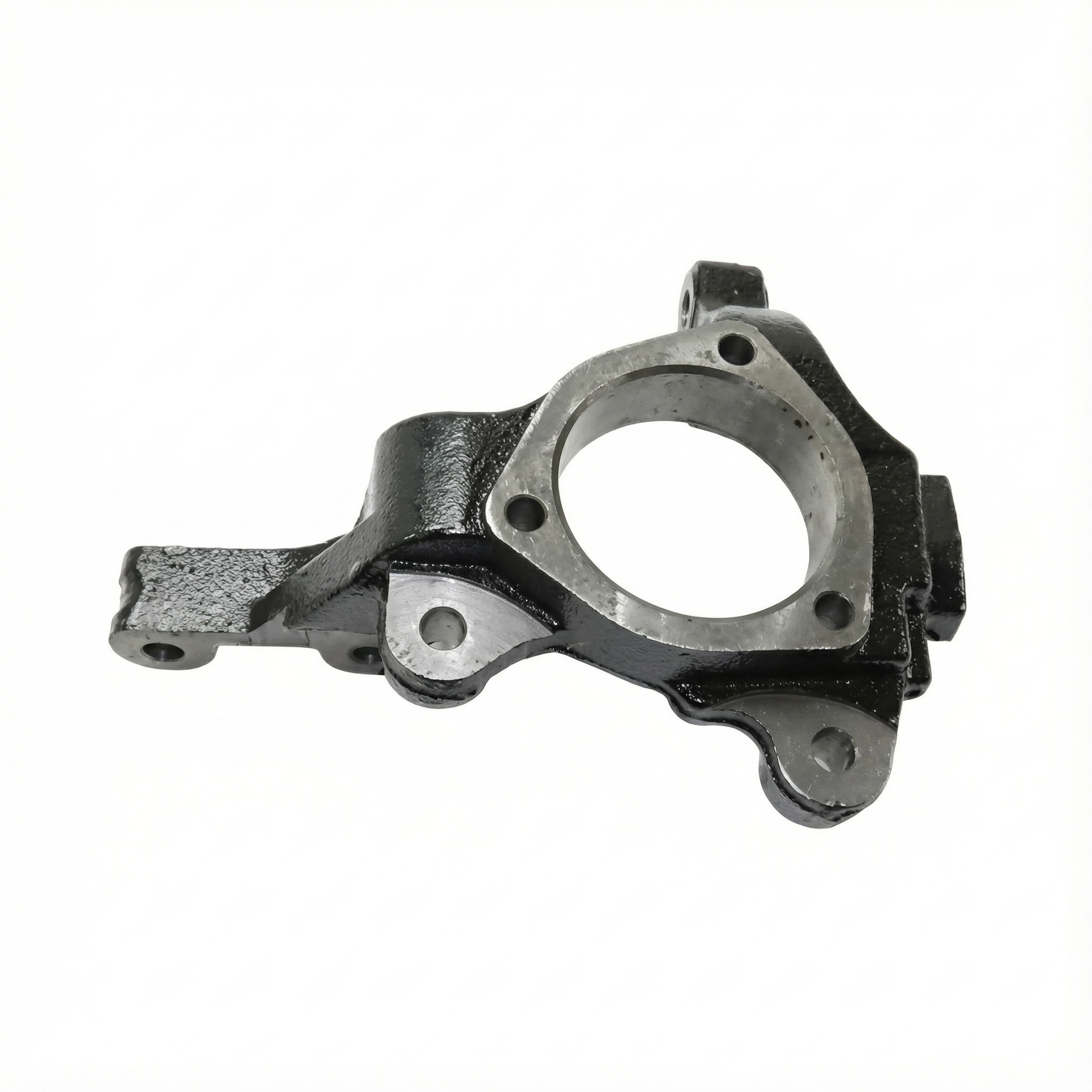
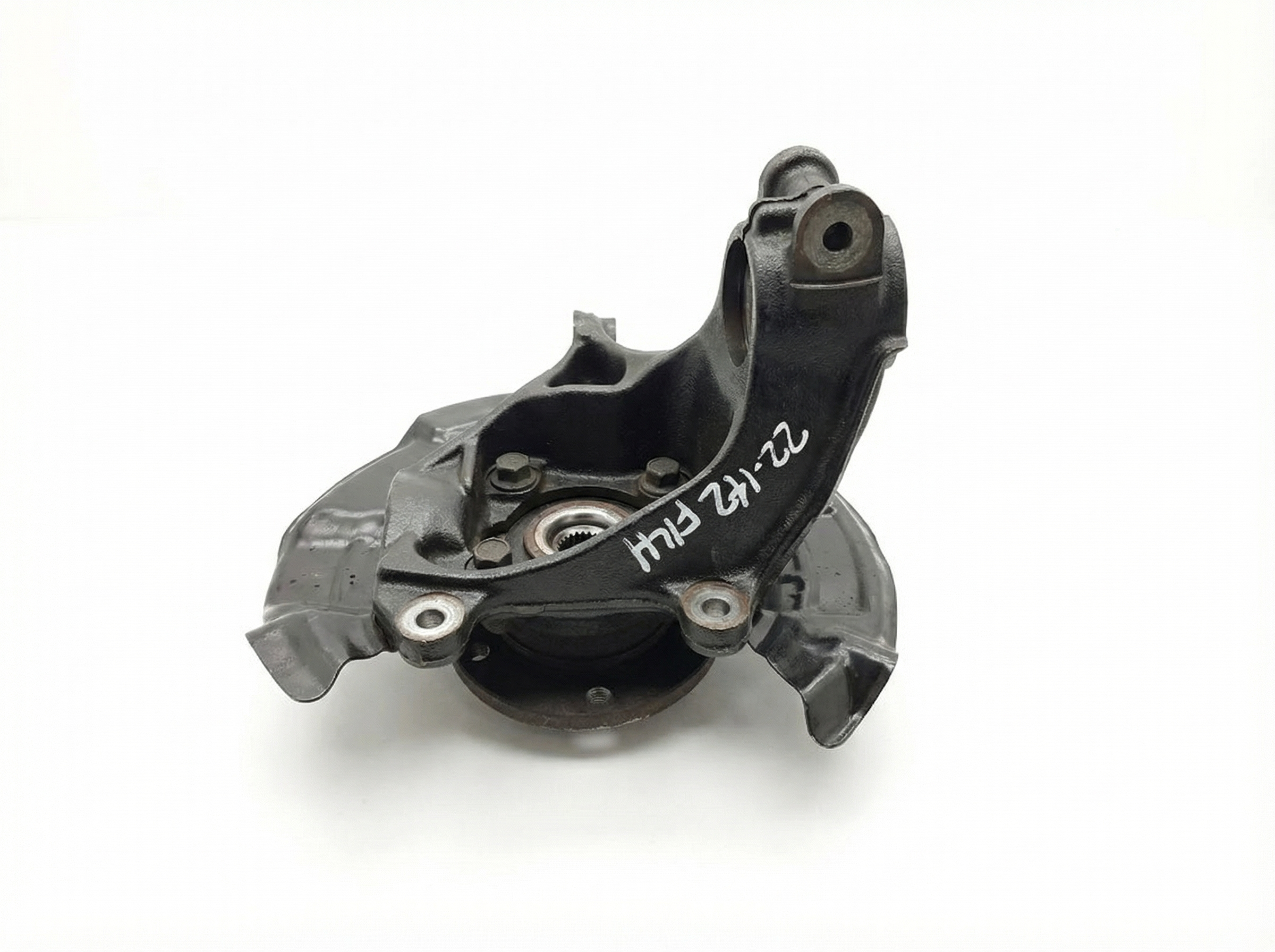
OEM Part Numbers: 31219808399 31219804423 31219808400 31219804424
Material: Cast metal. The part is side-specific (Left/Right) but not drivetrain-specific (fits both FWD and ALL4).
We Have This Part in Stock

The information in this article is provided for general reference and educational purposes only. Vehicle specifications, procedures, and part compatibility can vary by production date, trim level, and region. Always consult your vehicle's factory service manual and verify part numbers before purchasing or performing repairs. Safety-critical components such as airbags, seat belts, and braking systems should be installed by a qualified professional.
- MINI Countryman:
- MINI Cooper Paceman:
- 🎬 Helpful Videos
- 🛍️ Shop This Part
- Symptoms of a Failing Steering Knuckle
- Vehicle Pulling to One Side
- Uneven or Rapid Tire Wear
- Clunking or Popping Noises
- Steering Wheel Vibration or Looseness
- Grinding or Humming Noises
- Known Issues, TSBs, and Recalls
- Part Number and Fitment Guide (2011-2016)
- Buying a Used Steering Knuckle: What to Inspect
- Replacement Overview & Torque Specs
- Torque Specifications
- Cost Breakdown for Steering Knuckle Replacement
- Frequently Asked Questions (FAQ)
- 🎟️ Get 5% Off