

2010-2024 Toyota 4Runner Steering Wheel: Why It Peels and How to Choose a Replacement
This guide covers the common issue of deteriorating leather on 5th Gen 4Runner steering wheels, how to diagnose button failures, and what to check when buying a used replacement.
- The most common failure is cosmetic peeling and stickiness of the leather/SofTex, often caused by sun and hand sanitizers.
- Before buying a used wheel, you MUST verify its button configuration (audio, phone, safety systems) matches your vehicle exactly.
- Airbag safety is critical during replacement. Always disconnect the battery and wait 15 minutes before starting work.
- A shaking or vibrating steering wheel is almost always a tire balance issue, not a problem with the steering wheel itself.
Common Issues with the 2010-2024 4Runner Steering Wheel
The most widely reported issue with the 5th generation 4Runner steering wheel is not a mechanical failure, but a cosmetic one: the deterioration of the wheel's surface material. This problem affects both the genuine leather and the synthetic "SofTex" wheels. Owners report the material becoming sticky, rough, bubbling, or peeling, often starting at the top of the wheel where sun exposure is greatest. This is often attributed to a combination of UV damage, heat, and reactions with chemicals from hands, such as lotions or hand sanitizers. While it doesn't affect the vehicle's drivability, it is a significant point of frustration for owners due to its appearance and feel.
Another common complaint associated with the steering wheel is a vibration or shake, typically felt at highway speeds between 55 and 70 mph. It is important to note that this is almost never caused by the steering wheel itself. This symptom is overwhelmingly linked to wheel and tire issues, specifically improper balancing. Many owners and shops have found that 4Runner wheels require a specific balancing adapter (a Haweka-style flange plate) for accurate results. If you experience this vibration, the solution lies with your tires and wheels, not replacing the steering wheel.
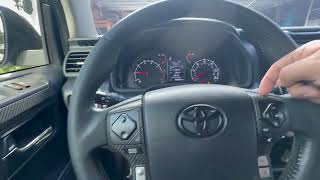
🎬 Watch: How to diagnose and fix steering wheel vibration.Symptoms of a Failing Steering Wheel
- Peeling or Sticky Surface: The leather or synthetic wrap may begin to flake off, bubble, or develop a tacky, sticky texture. This is the most common failure.
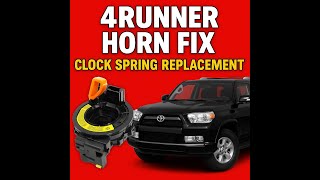
- Malfunctioning Steering Wheel Controls: Buttons for the audio system, phone, or cruise control may become intermittent or stop working entirely. This can be a problem with the button itself or the underlying wiring, including the clock spring (a separate part that allows the wheel to turn without breaking the electrical connection).
- Visible Cracks or Damage: Physical damage from an accident or excessive force can compromise the wheel's structure. A cracked or bent steering wheel is a major safety concern and must be replaced immediately.
Pro Tip: Before blaming the steering wheel buttons for a problem, check the clock spring. If multiple electrical functions on the wheel fail at once and you hear a grinding or clicking noise when turning, the clock spring is the likely culprit.
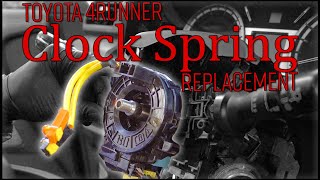
🎬 See this step-by-step guide for replacing a faulty clock spring.Known Issues, Recalls, and Technical Service Bulletins (TSBs)
While there are no official recalls or TSBs specifically for the common peeling steering wheel issue, a law firm has started an investigation for a potential class-action lawsuit regarding the premature deterioration of Toyota's SofTex material. There are, however, a few related service actions for the 4Runner:
- TSB T-TT-0602-20: Addresses a steering wheel vibration or "flutter" at highway speeds on some 2019-2020 SR5 and TRD Off-Road models. The bulletin identifies the cause as the factory-installed Dunlop Grandtrek tires, not a fault with the steering components.
- Recall 19V-670: Issued in September 2019, this recall concerned steering and suspension fasteners that may not have been properly tightened at the factory. This could lead to a loss of vehicle control but is not a defect of the steering wheel part itself.
Buying a Used 2010-2024 4Runner Steering Wheel: A Buyer's Guide
A used OEM steering wheel is often the best value for replacing a worn or damaged one. It retains the factory look, feel, and fit, which is especially important for airbag compatibility. Here’s what to look for:
1. Verify Your EXACT Button Configuration
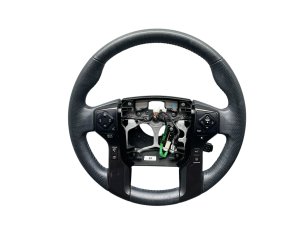
This is the most critical step. Over its long production run, the 5th Gen 4Runner had several steering wheel variations. Before you buy, look at your current wheel and check which features you have:
- Left Side Controls: Volume up/down, track/station select, mode, and phone answer/hang-up buttons are common.
- Right Side Controls: Base models may have a blank cover. Higher trims have buttons for the multi-information display (MID) and, on 2020+ models, controls for Lane Departure Alert and Dynamic Radar Cruise Control.
- Cruise Control Stalk: Most 4Runners have a separate stalk on the lower right side for cruise control.
A replacement wheel MUST have the same button cutouts and wiring to be compatible. You will be transferring your existing switches and airbag into the new wheel, so the physical housing must match.
2. Physical Inspection
When looking at photos or inspecting a wheel in person, check for:
- Surface Condition: Look closely for any signs of the peeling or stickiness you're trying to fix. Pay special attention to the top and sides.
- Deep Scratches or Gouges: Rings and keys can cause deep damage that won't come out.
- Mounting Points: Ensure the metal hub and splines in the center are clean and undamaged.
- Signs of Accident Damage: Avoid any wheel with cracks, stress marks, or signs it came from a vehicle where the airbag deployed.
3. What's Included?
A used steering wheel is typically sold as the bare wheel only. You will need to transfer the following parts from your old wheel:
- Driver's Airbag Module (this is the center section with the Toyota logo)
- Steering Wheel Control Switches
- Rear Plastic Cover
Because you are reusing your original airbag, it is essential that the replacement wheel is designed to accept it. Sticking with a genuine OEM wheel for the 2010-2024 4Runner ensures this fitment.
Cost of Replacing a Toyota 4Runner Steering Wheel
| Part Type | Estimated Cost |
|---|---|
| New OEM | $450 - $1,050 |
| New Aftermarket (e.g., Carbon Fiber) | $425 - $600 |
| Used OEM | $100 - $350 |
| Reupholstery Service | $300 - $450 |
| Shop Labor | $100 - $200 |
DIY Replacement Overview
Replacing the steering wheel is a manageable job for a DIYer with basic tools. The process involves safely handling the airbag, which is the most critical part of the job.
Warning: The airbag is an explosive device. Failure to follow proper safety procedures can result in serious injury. Always disconnect the battery and wait at least 10-15 minutes for the system to discharge before beginning any work. When handling the airbag module, place it pad-side up in a safe location.
- Difficulty: 2 out of 5
- Estimated Time: 1 to 1.5 hours
- Tools Needed: Ratchet with extension, 19mm socket, T30 Torx bit, small flathead screwdriver or pick tool.
The basic steps involve disconnecting the battery, removing the airbag, unplugging the electrical connectors, removing the 19mm center nut, and pulling the wheel off the steering column. You will then transfer your old controls and airbag to the new wheel and reinstall it by reversing the steps.
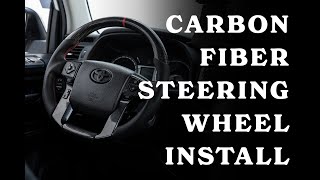
🎬 Watch: How to install a custom carbon fiber steering wheel.Frequently Asked Questions (FAQ)
Why is my 4Runner steering wheel peeling and sticky?
This is a common problem caused by the breakdown of the leather or synthetic material. It's accelerated by exposure to sun, heat, and chemicals from hand lotions or sanitizers. It is a cosmetic flaw and does not indicate a structural problem with the wheel.
Why does my steering wheel shake at 60 mph?
This is a classic symptom of a tire/wheel imbalance, not a faulty steering wheel. The 4Runner is known to be sensitive to balance. Have your wheels road-force balanced by a reputable shop, preferably one that has a Haweka-style adapter for Toyota trucks.
Can I add audio controls to my base model steering wheel?
Yes, this is a popular upgrade. The wiring is often present in the main harness. You will need to purchase the control switches and a compatible steering wheel that has the correct cutouts for them. You may also need a new clock spring if yours doesn't have the necessary conductors.
Do I need to get an alignment after replacing my steering wheel?
No. As long as you install the new wheel in the same orientation as the old one (with the wheels pointing straight ahead), your alignment will not be affected. Make sure the splines on the steering column and wheel are lined up correctly before tightening the center nut.
Helpful Videos

Technical Specifications
OEM Part Numbers: 45100-35530-C0 45100-35540-C0
Material: Varies by trim (Urethane, Leather, SofTex). Controls: Varies by trim and year, includes configurations for audio, phone, Multi-Information Display, and Toyota Safety Sense.
We Have This Part in Stock

The information in this article is provided for general reference and educational purposes only. Vehicle specifications, procedures, and part compatibility can vary by production date, trim level, and region. Always consult your vehicle's factory service manual and verify part numbers before purchasing or performing repairs. Safety-critical components such as airbags, seat belts, and braking systems should be installed by a qualified professional.
- Toyota 4Runner:
- 🎬 Helpful Videos
- 🛍️ Shop This Part
- Common Issues with the 2010-2024 4Runner Steering Wheel
- Symptoms of a Failing Steering Wheel
- Known Issues, Recalls, and Technical Service Bulletins (TSBs)
- Buying a Used 2010-2024 4Runner Steering Wheel: A Buyer's Guide
- 1. Verify Your EXACT Button Configuration
- 2. Physical Inspection
- 3. What's Included?
- Cost of Replacing a Toyota 4Runner Steering Wheel
- DIY Replacement Overview
- Frequently Asked Questions (FAQ)
- 🎟️ Get 5% Off