

2020-2025 Ford Explorer & Lincoln Aviator Sun Visor: A Buyer's Guide to Options and Part Numbers
This guide details the common failure points and decodes the complex variations of sun visors for the 2020-2025 Ford Explorer and Lincoln Aviator to ensure you buy the correct replacement part.
- Compatibility is the biggest challenge; part numbers vary based on sunroof, HomeLink, color, and vehicle model.
- Verify your vehicle's options and interior color code (on the driver's door jamb sticker) before buying.
- There are no major recalls or TSBs for this part; failures are typically due to normal wear.
- Replacement is very simple and DIY-friendly, requiring only basic tools and about 15 minutes.
Symptoms of a Failing Sun Visor
While there are no widespread, model-specific defects reported for the sun visors in the 2020-2025 Ford Explorer and Lincoln Aviator, they can fail from normal use and wear over time. Here are the most common symptoms to watch for:
- Drooping or Sagging: The most frequent issue is a visor that won't stay in its upright position. It may slowly droop or fall down completely, obstructing the driver's view. This is typically caused by wear in the internal pivot mechanism. 🎬 Watch this low-cost DIY fix for a floppy, sagging visor.
- Electrical Failures: The vanity mirror light may flicker or stop working entirely. Similarly, the HomeLink garage door opener buttons may become unresponsive. This can be due to a break in the wiring harness that flexes every time the visor is moved, or a failure of the switch or light bulb itself.
- Physical Damage: The mirror cover hinge can break, causing the cover to be loose or fall off. The visor body itself can also become damaged, or the fabric covering can begin to bubble and delaminate, especially in vehicles exposed to high heat.
- Loose Mounting: The visor may feel wobbly where it attaches to the headliner. This is often just a case of the mounting screws backing out over time and can be easily tightened.
Known Issues, TSBs, and Recalls
As of early 2026, there are no specific recalls or Technical Service Bulletins (TSBs) issued by Ford or the National Highway Traffic Safety Administration (NHTSA) for sun visor failures on the 2020-2025 Ford Explorer or Lincoln Aviator. Any failures are generally considered normal wear and tear. Recalls for these vehicles have focused on other areas like backup cameras and software.
Compatibility is Critical: The biggest challenge with this part is not quality, but compatibility. Dozens of part numbers exist based on features, color, and vehicle model. Ordering the wrong one will result in a part that doesn't fit or function correctly.
Decoding Part Variants: Explorer vs. Aviator
Ford uses a complex system of part numbers to differentiate sun visors. It is essential to match your vehicle's exact configuration. Using the wrong part may lead to an inoperative HomeLink system, a gap around the headliner, or a mismatched interior color.
Key Feature Differences:
- Vehicle Model: While they share a platform, the Explorer and Aviator often use different part numbers, even for visors that appear identical.
- HomeLink System: Visors are available with or without the three-button garage door opener system. A vehicle without HomeLink from the factory cannot simply have a HomeLink visor installed, as the wiring is not present.
- Sunroof/Moonroof: The presence of a sunroof changes the shape of the headliner and often requires a different visor or mounting base.
- Color: Common colors include Ebony (black) and Light Gray. You must match your vehicle's interior color.
- Lincoln-Specific Trims: For the Lincoln Aviator, there can be differences for high-end trims like 'Black Label'.
How to Find Your Interior Color Code
To guarantee a perfect match, find your vehicle's interior color code. This is located on the white certification label on the driver's side door jamb. Look for the letters "INT TR" (Interior Trim). The two-character code next to it identifies your interior color.
| Part Number Example | Vehicle | Side | Features | Color |
|---|---|---|---|---|
| LB5Z-7804105-DE | Ford Explorer | Left (Driver) | With Sunroof, With HomeLink | Ebony |
| LC5Z-7804105-EF | Lincoln Aviator | Left (Driver) | Without Sunroof, With HomeLink | Ebony |
| LC5Z-7804104-BG | Lincoln Aviator | Right (Passenger) | With Sunroof, With HomeLink, (Non-Black Label) | Light Gray |
| LC5Z-7804104-BA | Lincoln Aviator | Right (Passenger) | Without HomeLink | N/A |
Buying a Used Sun Visor
Given the high cost of new OEM visors, a used part is an excellent value. Since these are relatively new vehicles, used visors are typically in very good condition. Here’s what to look for:
- Verify the Part Number: This is the most important step. If possible, get the part number from your original visor or provide the seller with your vehicle's VIN and feature list (sunroof, HomeLink, color) to confirm a match.
- Inspect the Pivot: Ask the seller to confirm that the visor holds its position firmly and doesn't feel loose or floppy.
- Check the Fabric and Mirror: Look at photos carefully for any stains, tears, or bubbling of the cloth material. Ensure the mirror is not cracked and the cover's hinge is intact.
- Confirm Electronics: If buying a visor with HomeLink or a light, ensure it came from a running and driving vehicle where the electronics were tested and functional.
- Why Used OEM is a Good Choice: For a part like this, a used OEM visor is almost always a better choice than a new aftermarket one (if one were available). The color, texture, and fit of the electronics are guaranteed to match the factory standards, which is something aftermarket parts often struggle with.
Replacement Overview
Replacing the sun visor on a 2020-2025 Explorer or Aviator is a straightforward task that most DIYers can complete in under 15 minutes.
🎬 Watch this step-by-step walkthrough for replacing a damaged sun visor.- Pry Open the Cover: Use a small flathead screwdriver or a plastic trim removal tool to gently pop open the plastic cover at the base of the visor's mounting arm.
- Remove the Screws: This will expose two screws, typically a Torx T20 or T25 size. Remove these screws.
- Disconnect the Electrical Connector: As you lower the visor assembly, you will see a small wiring harness. Carefully depress the tab on the connector and pull it apart.
- Installation: Installation is the reverse of removal. Connect the new visor's wiring harness, secure it with the two screws, and snap the plastic cover back into place.
Pro Tip: When tightening the mounting screws, make them snug but do not overtighten, as this can strip the mounting holes in the roof structure or crack the plastic base of the visor.
Cost Comparison
The price difference between new and used sun visors for these vehicles is significant.
| Part Type | Estimated Cost |
|---|---|
| New OEM | $350 - $650 |
| Used OEM | $75 - $200 |
| New Aftermarket | Not Widely Available |
| Shop Labor | $50 - $100 |
Frequently Asked Questions (FAQ)
Can I add a HomeLink visor to a vehicle that didn't come with it?
No, this is not a simple plug-and-play upgrade. The vehicle-side wiring harness for the HomeLink system is not present on models that were not originally equipped with this feature.
Is the replacement process the same for the Ford Explorer and Lincoln Aviator?
Yes, the basic replacement steps are identical for both vehicles as they share the same fundamental interior architecture and mounting points.
What tools are required to replace the sun visor?
You will typically only need a small flathead screwdriver or trim removal tool and a Torx screwdriver set (usually a T20 or T25 bit). No other special tools are needed.
Will a visor from an Explorer fit an Aviator?
While they may look similar and physically bolt in, the electronic features or headliner fit may differ. It is strongly recommended to use the correct part number specified for your exact model to ensure full functionality and proper fitment.
Helpful Videos
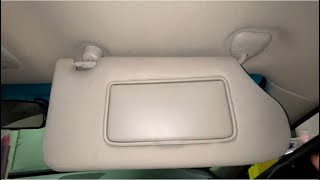
Technical Specifications
OEM Part Numbers: LB5Z-7804105-DE LC5Z-7804104-BE LC5Z-7804104-DE LC5Z-7804105-BE LC5Z-7804105-EF lc5z7804104bb lc5z7804105bb LC5Z7804104BA LC5Z7804104BB LC5Z7804104BE LC5Z7804105EB LC5Z7804105EE LC5Z-7804104-BG
Required Tools: T20/T25 Torx screwdriver, small flathead screwdriver or trim removal tool.
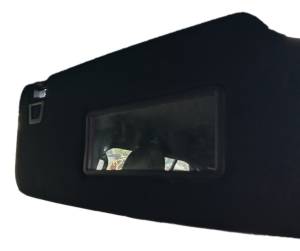
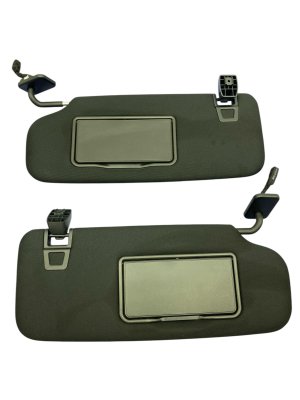
We Have This Part in Stock
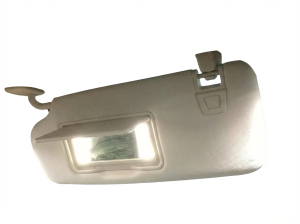
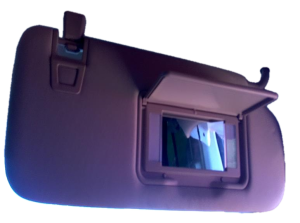
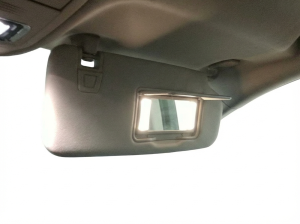
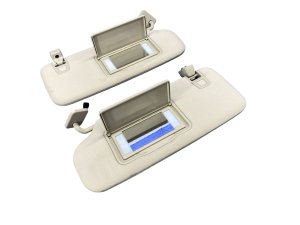

The information in this article is provided for general reference and educational purposes only. Vehicle specifications, procedures, and part compatibility can vary by production date, trim level, and region. Always consult your vehicle's factory service manual and verify part numbers before purchasing or performing repairs. Safety-critical components such as airbags, seat belts, and braking systems should be installed by a qualified professional.
- Lincoln Aviator:
- Ford Explorer:
- 🎬 Helpful Videos
- 🛍️ Shop This Part
- Symptoms of a Failing Sun Visor
- Known Issues, TSBs, and Recalls
- Decoding Part Variants: Explorer vs. Aviator
- Key Feature Differences:
- How to Find Your Interior Color Code
- Buying a Used Sun Visor
- Replacement Overview
- Cost Comparison
- Frequently Asked Questions (FAQ)
- 🎟️ Get 5% Off