

2011-2013 Chevrolet Caprice Forward Control Arm: Diagnosing the Common Front-End Clunk
This guide details the common failure symptoms, replacement costs, and critical installation procedures for the front passenger-side forward lower control arm.
- The most common failure symptom is a clunking noise from the front suspension over bumps, caused by a torn hydro-bushing.
- This part is the FORWARD lower control arm for the passenger side; it is not interchangeable with the rearward arm or the driver's side.
- Installation requires new torque-to-yield bolts and a special procedure: final torque must be applied with the vehicle's full weight on the suspension to prevent premature failure.
- A four-wheel alignment is mandatory after replacement to prevent unsafe handling and rapid tire wear.
Symptoms of a Failing Forward Control Arm
Failure of the front forward lower control arm on the 2011-2013 Caprice, particularly the Police Patrol Vehicle (PPV) models, is common due to wear on its large rubber bushing. When this part fails, it introduces excessive play into the front suspension, leading to several distinct symptoms.
1. Clunking or Knocking Noises
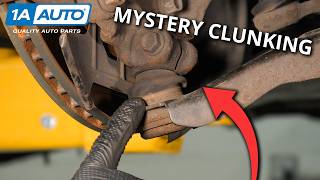
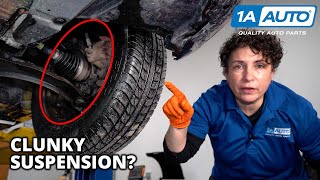
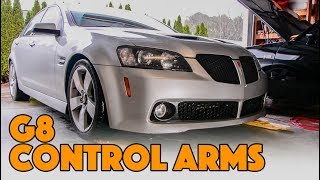
The most reported symptom is a clunking or knocking sound coming from the front suspension. This noise is most noticeable when driving at low speeds over bumps, potholes, or uneven road surfaces. You may also hear it when braking or making sharp turns as the weight of the car shifts and causes the loose arm to move. The sound is the result of the worn bushing allowing metal components to make contact. Forum members for the Caprice and its sister vehicle, the Pontiac G8, frequently report this specific issue.
2. Steering Wander and Instability
A bad control arm can make the vehicle's steering feel vague, loose, or unstable. You might find yourself constantly making small corrections to keep the car driving in a straight line, a condition known as 'steering wander'. This happens because the worn bushing allows the wheel's alignment (specifically the caster and toe angles) to change dynamically while driving, making the car feel unpredictable.
3. Vibration in the Steering Wheel
Excessive vibration felt through the steering wheel, especially at highway speeds, can be a sign of a failing control arm. The looseness in the arm allows the wheel to shimmy or wobble slightly, and this vibration is transferred up the steering column. One owner of a 2014 PPV described it as a "super sketchy vibration in the front end" that was resolved by replacing the control arms.
🎬 See this walkthrough on how to change front control arms4. Uneven Tire Wear
Because a failed control arm cannot hold the wheel in its correct alignment, it often leads to premature and uneven tire wear. You should inspect the front tires for excessive wear on the inside or outside edges, which is a classic sign that a suspension component is failing and has thrown the alignment out of specification.
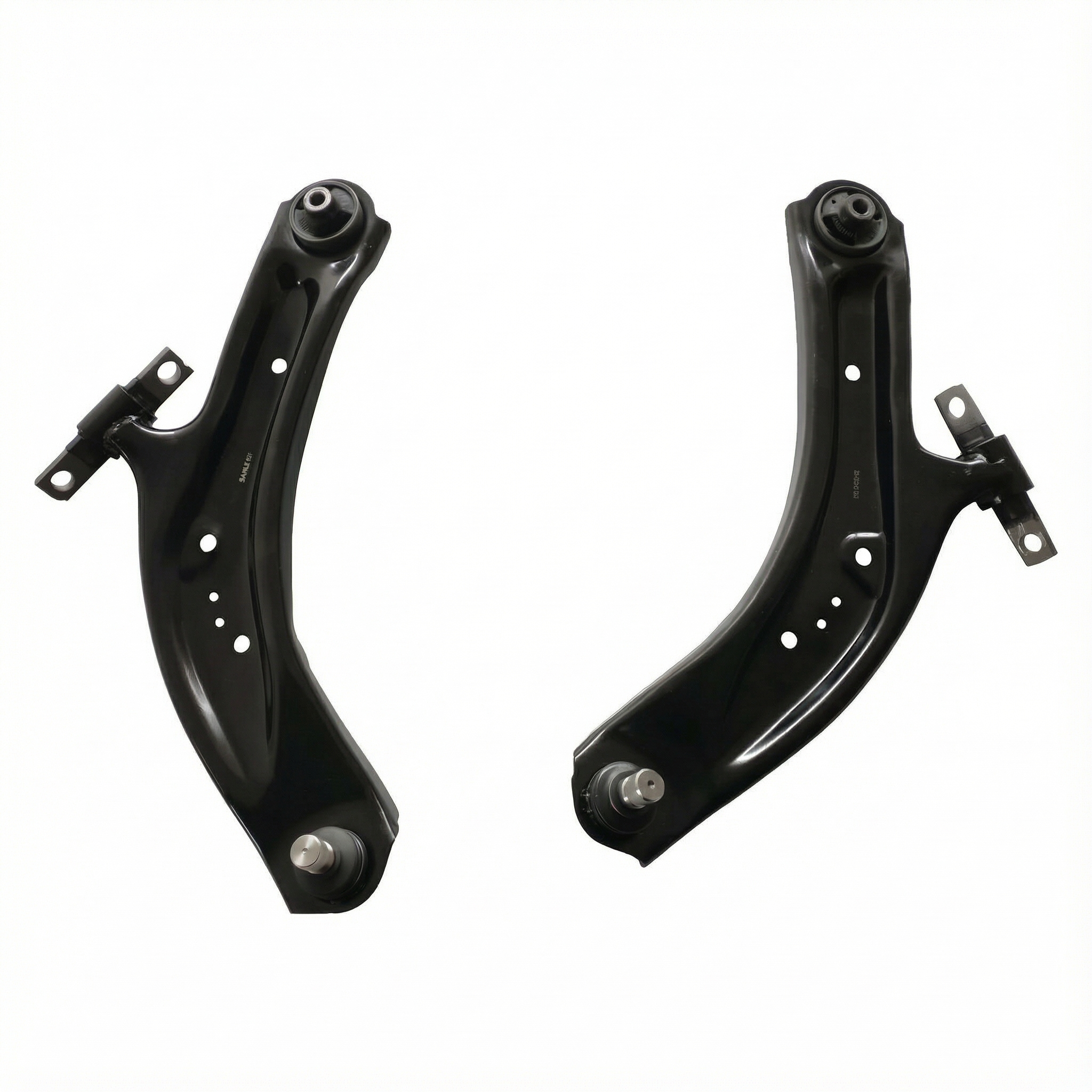
🎬 Watch: Fixing front end vibration and poor tire wearCompatibility Warning: This is the FORWARD lower control arm for the front right (passenger side). The Caprice has a separate rearward lower control arm that is a different shape and not interchangeable. Verify you are ordering the correct part for the correct position.
Known Issues, TSBs, and Recalls
While there are no specific NHTSA safety recalls for the front control arms on the 2011-2013 Chevrolet Caprice, the high rate of failure is well-documented in owner forums. The issue is especially prevalent on the PPV models, which saw heavy use and stress on suspension components. The primary failure point is the large, fluid-filled (hydro-bushing) at the frame mounting point, which can tear and leak, causing the excessive play.
Interestingly, General Motors issued Service Bulletin No.: 15019 in March 2015 for the 2014-2015 Caprice and SS models to address a front suspension clunk caused by under-torqued ball joint nuts on the rearward lower control arm. While this doesn't directly apply to the forward arm on 2011-2013 models, it highlights the sensitivity of the entire front suspension assembly to correct torque values.
Buying a Used Suspension Control Arm
A used OEM control arm can be a good value, but careful inspection is critical, as the bushing is a known high-wear item. A low-mileage OEM part is often a better choice than a new, cheap aftermarket part due to superior materials in the original ball joint and rubber bushing.
- Inspect the Bushing: This is the most important check. Look for any cracks, tears, or deterioration in the large rubber bushing. Check for dark, oily residue around the bushing, which indicates the internal fluid has leaked out and the bushing has failed.
- Check the Ball Joint: Hold the arm and try to move the ball joint stud by hand. It should be stiff and difficult to move. If it is loose, floppy, or makes any noise, the ball joint is worn and the entire arm should be rejected. The rubber boot around the ball joint should be intact with no rips or holes.
- Verify Part Numbers: Ensure the part number is 92253414. While other numbers may exist, this is the most reliable OEM number for this specific application.
- Mileage is Key: Given that these bushings can fail with mileage and hard use, always opt for an arm from a lower-mileage vehicle. A part from a vehicle with over 100,000 miles is likely near the end of its service life.
- Check for Damage: Inspect the steel arm itself for any signs of bending, heavy corrosion, or impact damage from an accident.
Replacement and Installation Procedures
Replacing the control arm is a feasible DIY job for those with mechanical experience and the right tools. The estimated shop time is between 1.5 and 2.5 hours.
Related Parts to Inspect
While you are replacing the forward control arm, it is an ideal time to inspect other related components that often wear at a similar rate. Replacing them at the same time can save you from paying for labor and another alignment down the road.
- Front Lower Rearward Control Arm: This is the other lower arm. Inspect its bushings and ball joint for wear.
- Sway Bar End Links: These connect the sway bar to the strut. They are a common source of rattling noises and are inexpensive to replace.
- Strut Mounts: The upper strut mounts are another very common source of front-end clunks on these vehicles.
Pro Tip: It is strongly recommended to replace control arms in pairs (left and right side). Since both sides have been subjected to the same mileage and road conditions, the opposite side is likely not far from failure. Replacing only one can lead to uneven handling characteristics.
Torque Specs & Special Procedures
The bolts for this control arm are Torque-to-Yield (TTY), meaning they are designed to be tightened to a specific torque and then stretched by turning them an additional angle. They should be replaced with new bolts and not be reused.
| Fastener | Torque Specification |
|---|---|
| Lower Control Arm Bushing Bolt (to frame) | 37 lb-ft + 150 degrees |
| Lower Control Arm Ball Joint Nut (to knuckle) | 18 lb-ft + 120 degrees |
Warning: The control arm bushing bolt must only be fully torqued when the full weight of the vehicle is on the suspension (at normal ride height). Tightening the bolt while the suspension is hanging down will pre-load the rubber bushing and cause it to tear and fail very quickly. To do this, you can either lower the car onto ramps or place a jack stand under the steering knuckle to compress the suspension before performing the final torque sequence.
A full four-wheel alignment is required after replacing a control arm to ensure proper handling and prevent tire wear.
Cost Comparison
Prices can vary based on supplier and location. The following is an estimated breakdown for a single front right forward lower control arm.
| Part Type | Estimated Cost |
|---|---|
| New OEM (GM 92253414) | $135 - $160 |
| New Aftermarket (e.g., Mevotech, Dorman) | $70 - $120 |
| Used OEM | $50 - $90 |
| Shop Labor (per side) | $170 - $250 |
| Wheel Alignment | $100 - $150 |
Frequently Asked Questions (FAQ)
Can I just replace the bushing instead of the whole arm?
While the bushing is the component that fails, it is pressed into the control arm. Removing the old bushing and pressing in a new one requires a hydraulic press and specialized tools. For most DIY mechanics and even many shops, it is faster and more cost-effective to replace the entire control arm assembly, which comes with a new bushing and a new ball joint already installed.
Is this the same part for the driver's side?
No, this part (GM 92253414) is specifically for the front right (passenger) side. The driver's side has a different, mirror-image part.
Do I absolutely need a wheel alignment after replacement?
Yes. Replacing a control arm will always change the vehicle's alignment angles. Skipping the alignment will result in poor handling, pulling to one side, and rapid, costly tire wear.
I replaced the arm, but I still hear a clunk. What else could it be?
Other common sources of front-end clunks on the 2011-2013 Caprice are worn sway bar end links or, very commonly, failed upper strut mounts. If the noise persists, these should be your next items to inspect.
Helpful Videos
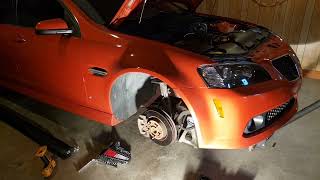
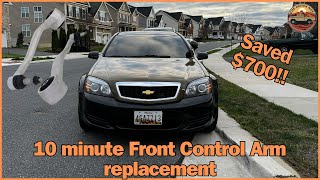
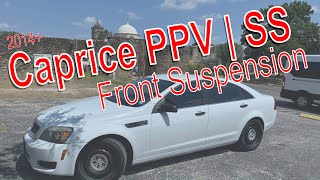
Technical Specifications
OEM Part Numbers: 92253414 92245436
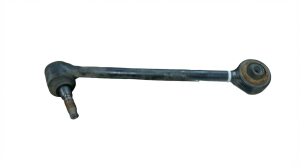
Position: Front Right Lower Forward (Passenger Side Radius Rod). Bushing Bolt Torque: 37 lb-ft + 150 degrees (TTY, requires replacement). Ball Joint Nut Torque: 18 lb-ft + 120 degrees (TTY, requires replacement).
We Have This Part in Stock

The information in this article is provided for general reference and educational purposes only. Vehicle specifications, procedures, and part compatibility can vary by production date, trim level, and region. Always consult your vehicle's factory service manual and verify part numbers before purchasing or performing repairs. Safety-critical components such as airbags, seat belts, and braking systems should be installed by a qualified professional.
- Chevrolet Caprice:
- 🎬 Helpful Videos
- 🛍️ Shop This Part
- Symptoms of a Failing Forward Control Arm
- 1. Clunking or Knocking Noises
- 2. Steering Wander and Instability
- 3. Vibration in the Steering Wheel
- 4. Uneven Tire Wear
- Known Issues, TSBs, and Recalls
- Buying a Used Suspension Control Arm
- Replacement and Installation Procedures
- Related Parts to Inspect
- Torque Specs & Special Procedures
- Cost Comparison
- Frequently Asked Questions (FAQ)
- 🎟️ Get 5% Off