

2010-2025 Mustang Control Arms: Diagnosing Clunks, Pops, and Compatibility
Your definitive guide to diagnosing bad control arms, choosing the right used part, and understanding the critical differences between S197 and S550 models.
- The most common failure symptom is a clunking or popping noise from the front suspension over bumps.
- Compatibility is critical; parts differ significantly between S197 (2010-14) and S550 (2015-25) generations, and between trim levels like base, GT, and Performance Package.
- When replacing, you MUST tighten the bushing bolts with the vehicle's full weight on the suspension to prevent immediate bushing failure.
- A professional wheel alignment is mandatory after replacing a control arm to ensure safety and prevent rapid tire wear.
Symptoms of a Failing Mustang Control Arm
When a control arm fails, it's almost always due to the wear of its bushings or ball joints, not the arm itself. These symptoms indicate that one or more of these components are worn out.
Clunking, Popping, or Knocking Noises
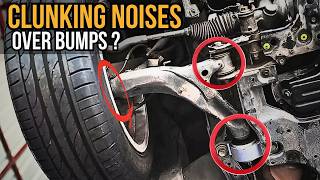
This is the most common symptom. You may hear a distinct clunk, pop, or knocking sound coming from the front suspension. The noise is most noticeable when driving slowly over bumps, speed bumps, or uneven pavement. It can also occur when turning, braking, or accelerating. This sound is often caused by excessive movement in a worn ball joint or by the metal sleeve of a collapsed bushing hitting the frame.
🎬 Watch: How to diagnose a bad control arm clunking noiseSteering Wander or Vague Response
If your Mustang feels like it's 'wandering' or pulling to one side without steering input, it could be a sign of a bad control arm. Worn bushings allow for unwanted movement in the suspension, which constantly changes the wheel alignment. This forces you to make small, continuous corrections to the steering wheel to keep the car driving straight.
Uneven or Premature Tire Wear
A bad control arm will prevent the car from holding a proper alignment. This often results in accelerated wear on the inner or outer edges of the front tires. If you are replacing your front tires much sooner than expected, a worn control arm could be the root cause.
Steering Wheel Vibration
A worn ball joint or deteriorated bushings can cause instability in the wheel assembly, leading to vibrations that you feel in the steering wheel. This vibration may change in intensity at different speeds.
Generation-Specific Issues and Recalls
The 2010-2025 year range covers two distinct Mustang generations, the S197 and the S550, which have different front suspension designs and common issues.
S197 (2010-2014) Known Issues
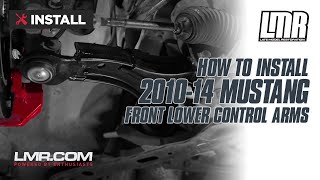
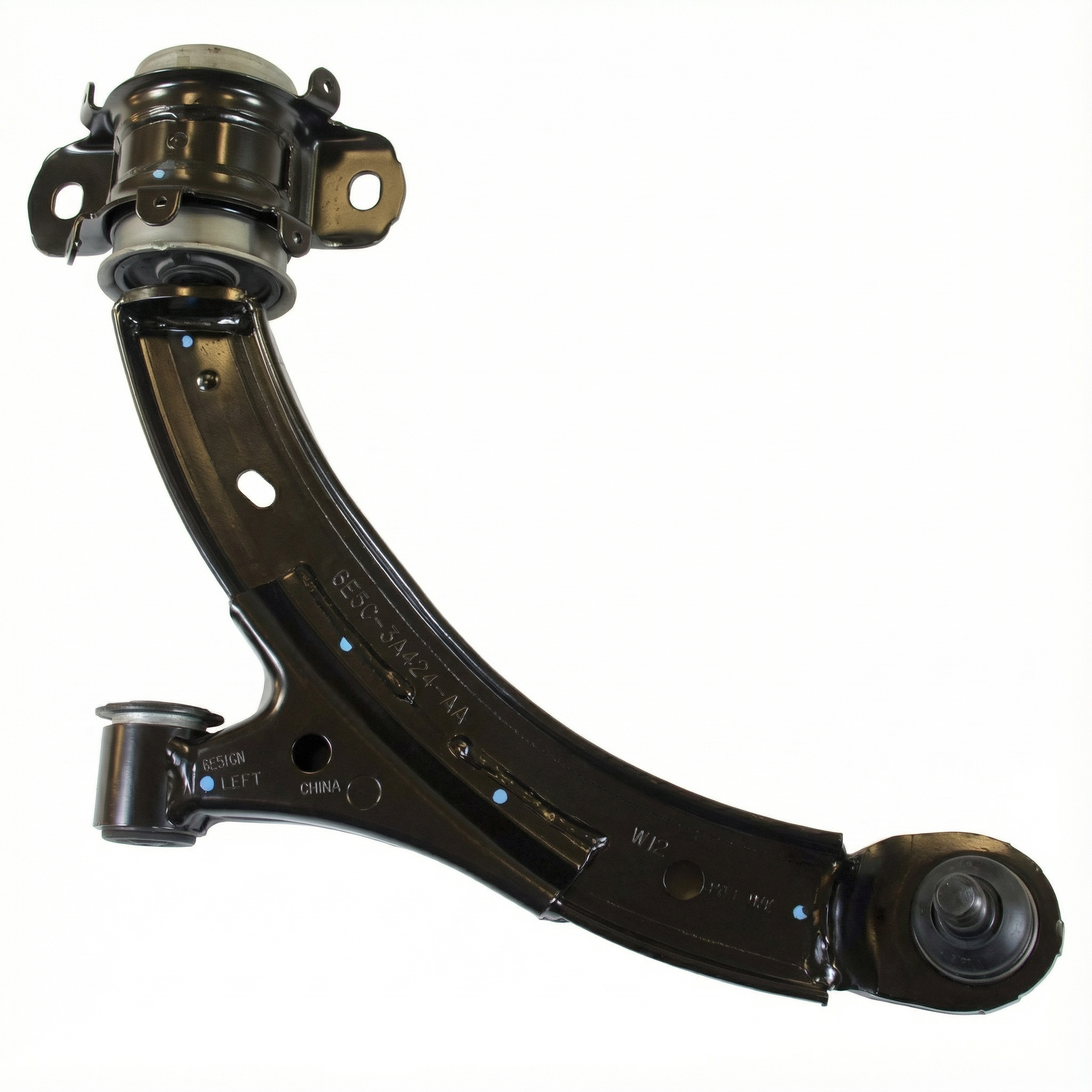
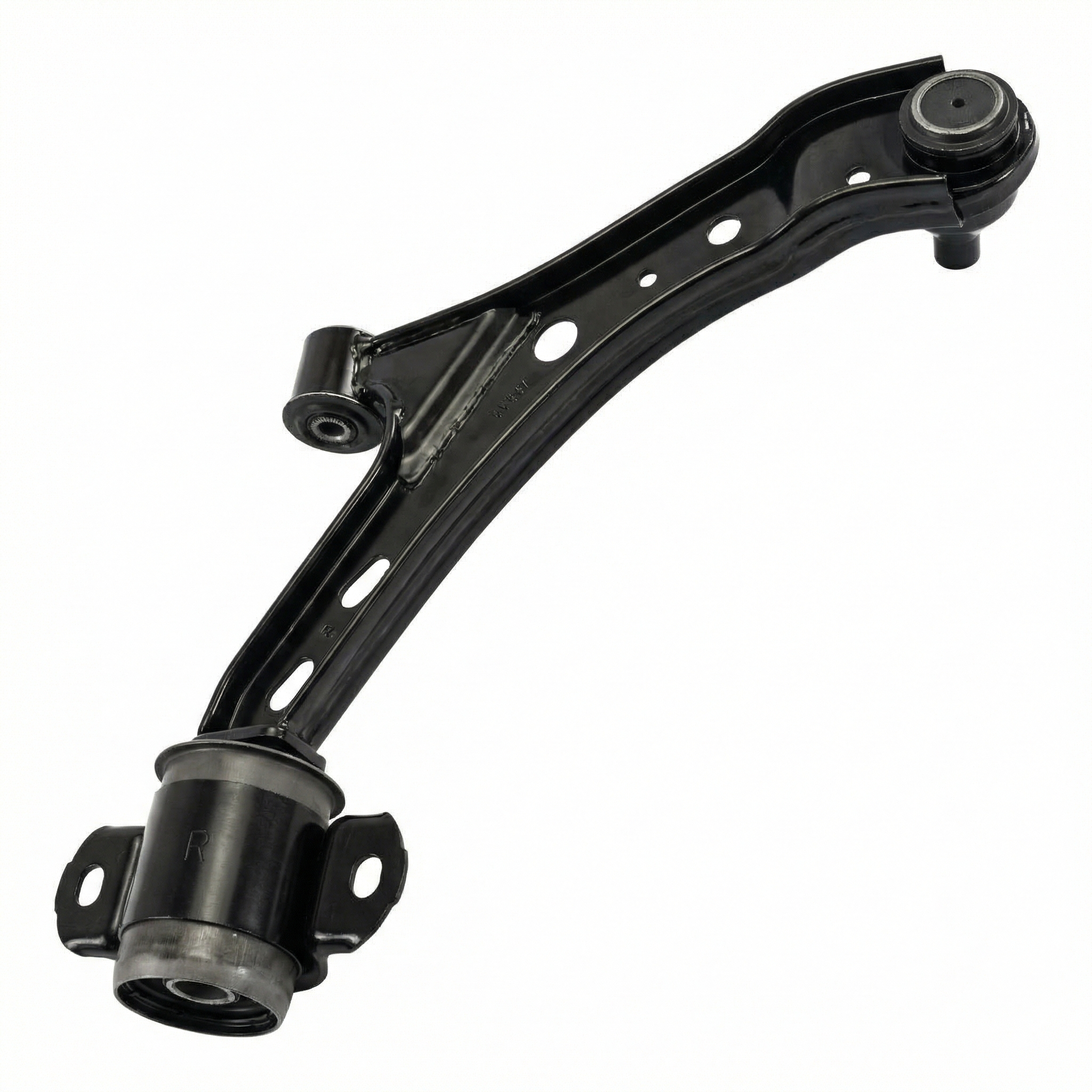
The most common failure on the 2010-2014 Mustang is the large, rearmost bushing on the front lower control arm. This is a fluid-filled 'hydro-bushing' designed for improved ride comfort. Over time, the rubber cracks and tears, allowing the fluid to leak out. Once the fluid is gone, the bushing collapses, causing clunking noises and alignment problems. Ford issued Technical Service Bulletin (TSB) 13-7-8 for a 'grunt/creak/chirp/squeak' noise from this bushing when going over bumps. The fix involves replacing the entire control arm.
🎬 See this S197 front lower control arm installation guideS550 (2015-2025) Known Issues
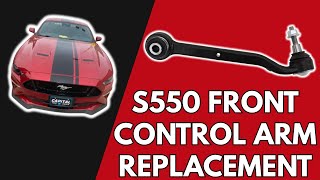
The S550 platform uses a two-link lower control arm design. Failures are common in the ball joints of both the forward (lateral) and rearward (tension) links. Owners report hearing clunking noises and feeling looseness in the front end, with the ball joints developing excessive play. Some owners have had to replace multiple control arms at relatively low mileage (around 40,000 miles). There is also a TSB (SSM 50672) for a clunk/pop noise when turning the steering wheel on some 2018-2022 models, though this may not be directly related to the control arms themselves.
🎬 Watch: S550 front lower control arm replacement walkthroughCompatibility Warning: There are significant differences between parts for V6, EcoBoost, GT, Boss 302, and Shelby models, as well as Performance Package options. For example, Performance Package S550 arms are a forged steel upgrade with spherical bearings compared to the base model's tubular arms with rubber bushings. Always verify the exact part needed for your specific model and options.
Buying a Used Suspension Control Arm
A used OEM control arm can be an excellent value, offering original factory quality at a fraction of the price of a new dealer part. However, careful inspection is key.
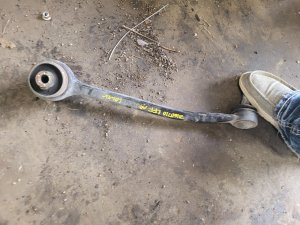
- Inspect the Bushings: For S197 arms, check the large rear hydro-bushing for any signs of leaking fluid, cracks, or tears in the rubber. For all models, check the smaller front bushings for dry rot or cracking. The rubber should be firm and intact.
- Inspect the Ball Joint: The rubber boot around the ball joint must be intact with no rips or tears. Try to move the ball joint stud by hand. It should be very stiff and difficult to move. If it's loose, floppy, or has any up-and-down play, the part is worn out and should be rejected.
- Check for Damage: Inspect the metal arm itself for any signs of bending, heavy corrosion, or cracks, especially around the welds. A part from a collision-damaged vehicle may have unseen stress fractures.
- Mileage vs. Condition: Mileage is less important than the physical condition of the bushings and ball joint. A low-mileage arm from a car driven on rough roads or in a harsh climate may be in worse shape than a higher-mileage part from a well-maintained highway car. The value of a used arm is in its serviceable components (the bushings and ball joint).
Cost of Replacement
Replacing a control arm involves both the part cost and labor, plus a mandatory wheel alignment.
| Item | Estimated Cost | Notes |
|---|---|---|
| New OEM (Dealer) | $200 - $350+ per arm | Price varies significantly by model (e.g., a Shelby or Performance Pack arm is more expensive). |
| New Aftermarket | $85 - $250 per arm | Quality and design can vary widely. Brands like Moog or Dorman are common. |
| Used OEM | $75 - $150 per arm | Offers OEM quality if inspected carefully for wear. |
| Shop Labor | $150 - $370 per side | Typically 1-2 hours of labor per side. |
| Wheel Alignment | $80 - $200 | Mandatory after replacing any control arm to ensure safety and prevent tire wear. |
Replacement Overview & Torque Specs
Replacing a control arm is a feasible DIY job for those with mechanical experience and the right tools, including a torque wrench and potentially a ball joint separator. The basic process involves supporting the vehicle securely, unbolting the arm from the frame and the steering knuckle, and installing the new part.
Pro Tip: Do not tighten the bolts for the control arm bushings until the full weight of the car is back on its wheels. Tightening them with the suspension hanging will pre-load and twist the rubber bushings, causing them to fail very quickly. Lower the car onto ramps or place the jack stands under the control arms to simulate ride height before final tightening.
Key Torque Specifications:
- S197 (2010-2014):
- Control Arm to Frame Bolts: 129 ft-lbs
- Ball Joint Pinch Bolt: ~85 ft-lbs
- Outer Tie Rod Nut: ~59 ft-lbs
- S550 (2015-2025):
- Rearward Arm (Tension Link) to Frame: 184 ft-lbs
- Forward Arm (Lateral Link) to Frame: ~166 ft-lbs
- Ball Joint Nuts to Knuckle: 85 ft-lbs
Note: These specs are for reference. Always consult the specific workshop manual for your vehicle's model year and trim.
Frequently Asked Questions (FAQ)
Do I need an alignment after replacing a control arm?
Yes, absolutely. Replacing a control arm directly affects your vehicle's alignment settings (camber, caster, and toe). Skipping the alignment will result in poor handling, unsafe driving characteristics, and rapid, uneven tire wear. It is not an optional step.
Can I just replace the bushings or ball joint instead of the whole arm?
While it is sometimes possible to press out old bushings and press in new ones, it requires special hydraulic presses and tools. For most people, it is far more time and cost-effective to replace the entire control arm assembly, which comes with new bushings and a new ball joint pre-installed.
Should I replace control arms in pairs?
It is highly recommended. Suspension components wear out at a similar rate. If the control arm on one side has failed, the other side is likely not far behind. Replacing them in pairs ensures balanced handling and saves you from having to pay for a second alignment job in the near future.
What's the difference between a base Mustang and a Performance Package control arm?
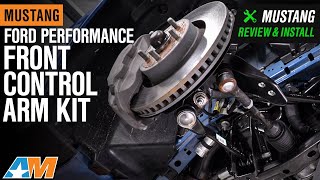
For the S550 (2015+) generation, the Performance Package control arms are a significant upgrade. They are typically made from forged steel instead of tubular steel and feature stiffer, more durable spherical bearings instead of standard rubber bushings. This provides better steering feel and suspension control, especially under high-performance driving conditions.
Helpful Videos
Technical Specifications
OEM Part Numbers: AR3Z-3079-B AR3Z-3079-C BR3Z-3079-B CR3Z-3079-B CR3Z-3079-D FR3C-3078-AB FR3C-3078-B FR3C3079BB FR3Z-3078-B FR3Z-3078-C FR3Z-3078-D FR3Z-3078-F FR3Z-3078-H FR3Z-3079-B FR3Z3078B
S197 (2010-2014) uses a single A-arm design with a fluid-filled rear hydro-bushing. S550 (2015-2025) uses a two-link design (lateral link and tension link). Performance Package and Shelby models use upgraded forged arms with spherical or stiffer bushings.
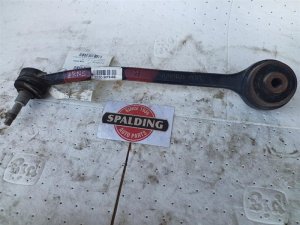
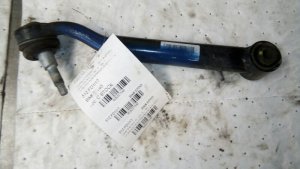
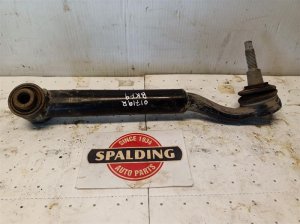
We Have This Part in Stock

The information in this article is provided for general reference and educational purposes only. Vehicle specifications, procedures, and part compatibility can vary by production date, trim level, and region. Always consult your vehicle's factory service manual and verify part numbers before purchasing or performing repairs. Safety-critical components such as airbags, seat belts, and braking systems should be installed by a qualified professional.
- Ford Mustang:
- 🎬 Helpful Videos
- 🛍️ Shop This Part
- Symptoms of a Failing Mustang Control Arm
- Clunking, Popping, or Knocking Noises
- Steering Wander or Vague Response
- Uneven or Premature Tire Wear
- Steering Wheel Vibration
- Generation-Specific Issues and Recalls
- S197 (2010-2014) Known Issues
- S550 (2015-2025) Known Issues
- Buying a Used Suspension Control Arm
- Cost of Replacement
- Replacement Overview & Torque Specs
- Key Torque Specifications:
- Frequently Asked Questions (FAQ)
- 🎟️ Get 5% Off