

Diagnosing the Common Front-End Clunk in 2003-2008 Mazda 6: A Control Arm Guide
This guide details the symptoms, replacement costs, and critical differences between the front lower forward and rearward control arms for the first-generation Mazda 6.
- The most common symptom of failure is a clunking noise from the front end when driving over bumps at low speed.
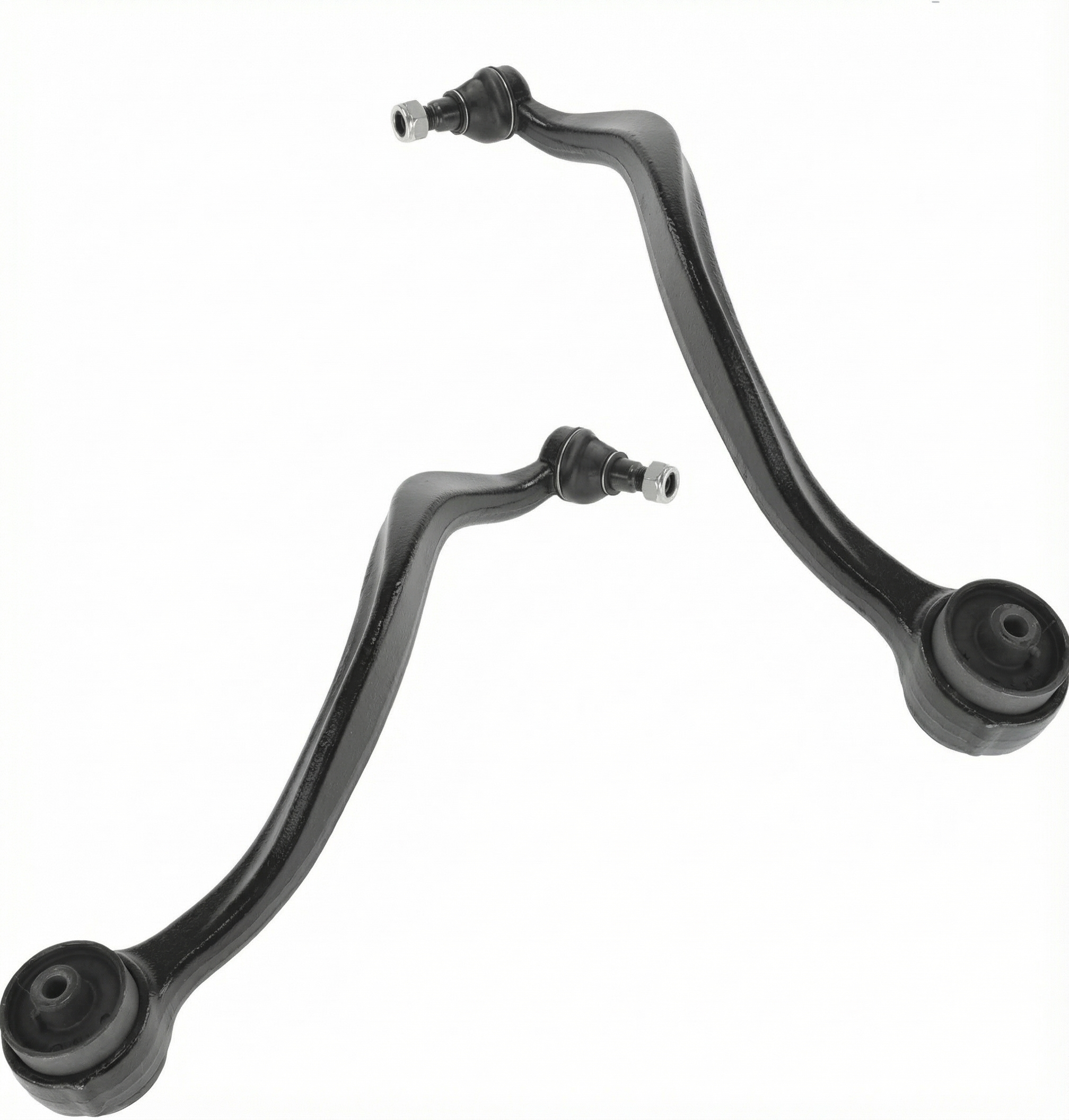
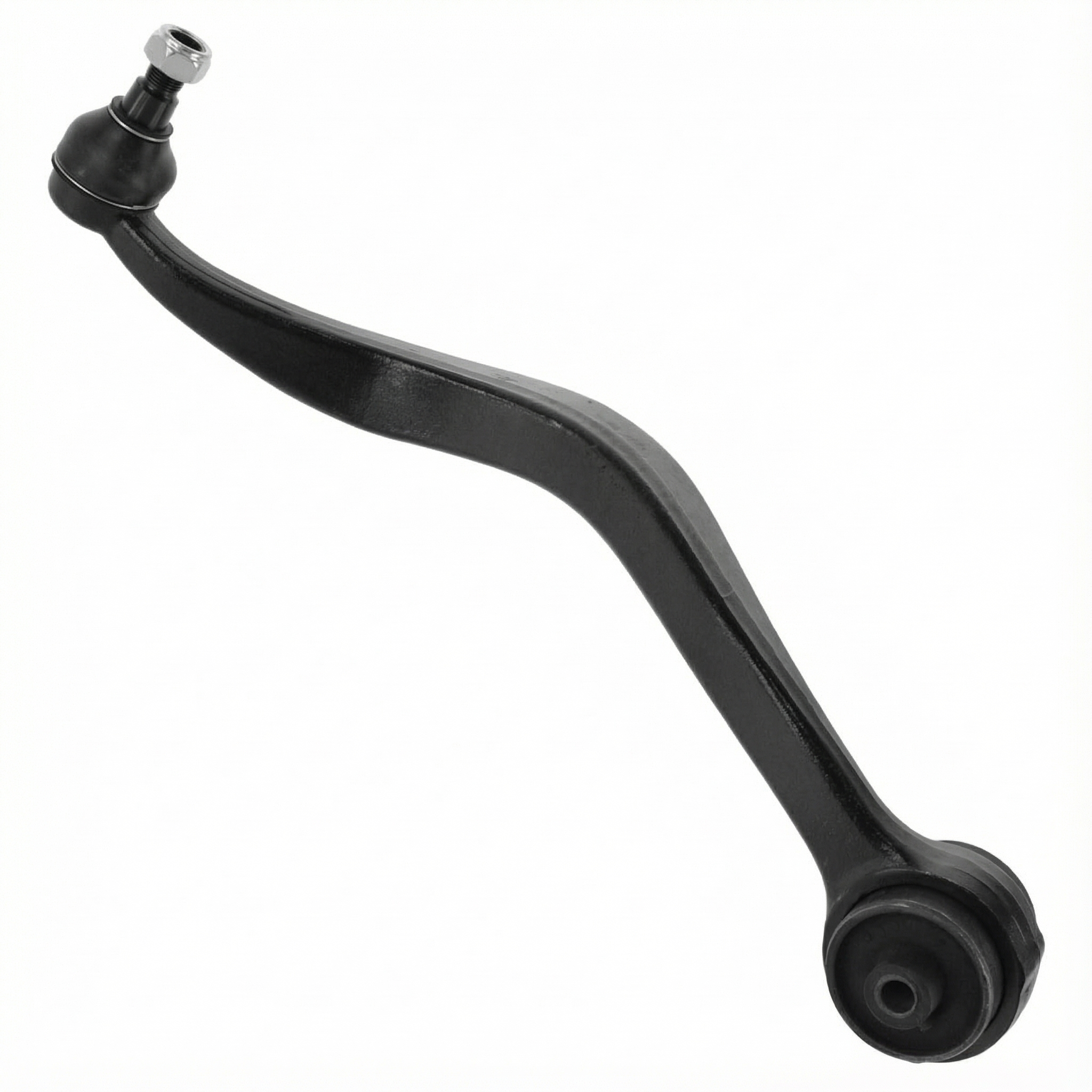
- This part is the front lower FORWARD control arm; ensure you are not mistakenly ordering the front lower REARWARD arm.
- A wheel alignment is absolutely mandatory after replacing this part to prevent unsafe handling and rapid tire wear.
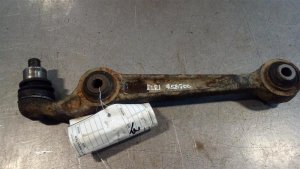
- When buying a used part, the condition of the rubber bushings and the tightness of the ball joint are the most important factors to inspect.
Symptoms of a Failing Front Lower Control Arm

When the front lower forward control arm on a 2003-2008 Mazda 6 begins to fail, it will produce distinct and often alarming symptoms. The most common cause of failure is the wear and tear of the integrated rubber bushings or the ball joint.
Noises: Clunking, Knocking, and Squeaking
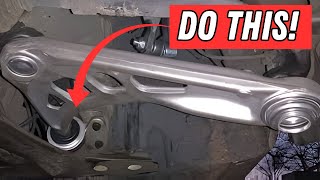
The most frequently reported symptom is a clunking or knocking sound from the front suspension. This noise is most noticeable when driving at low speeds over bumps, such as in a parking lot or on an uneven road. 🎬 Watch: Hear what a Mazda 6 suspension clunk sounds like. The sound is caused by excessive play in a worn bushing or ball joint, which allows metal components to make contact. You may also hear squeaking or creaking sounds, especially when going over speed bumps, which points to dried-out or worn rubber bushings.
Steering and Handling Issues
A failing control arm can significantly impact steering stability. You might notice:
- Steering wander: The car may feel like it's drifting or wandering on the road, requiring constant small corrections to keep it straight.
- Pulling to one side: A bent arm or severely worn bushings can throw off the wheel alignment, causing the vehicle to pull to the left or right.
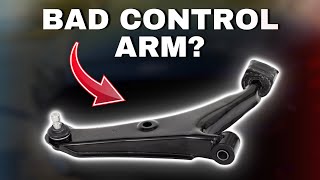
- Vibrations: Excessive vibrations may be felt through the steering wheel, especially as speed increases. This is often a sign that the worn bushings can no longer absorb road imperfections effectively. 🎬 See this breakdown of common symptoms you shouldn't ignore.
Physical and Visual Symptoms
- Uneven Tire Wear: A bad control arm prevents the wheel from maintaining its proper alignment, leading to premature and uneven tire wear. Often, the inner or outer edge of the tire will wear down much faster than the rest of the tread.
- Visible Bushing Damage: Upon inspection, you may see that the rubber bushings are cracked, torn, or completely separated from their metal sleeves.
Important: This guide refers to the front lower FORWARD control arm. The Mazda 6 has a multi-link front suspension with a separate front lower REARWARD control arm. These parts are not interchangeable. Verify which arm is faulty before ordering a replacement.
Known Issues, TSBs, and Recalls

While there are no specific recalls for the control arms on the 2003-2008 Mazda 6, there is a significant issue related to front subframe corrosion that can affect the control arm's mounting points. An investigation by the National Highway Traffic Safety Administration (NHTSA) found that severe corrosion on the subframe could lead to the detachment of suspension components, including the lower control arm mount. This issue prompted recalls for later model years (2009-2013) in states with heavy road salt usage. Owners of 2003-2008 models, especially in the "salt belt," should carefully inspect the subframe for excessive rust where the control arm attaches.
There was also a major recall (NHTSA ID: 15V-869) for these vehicles concerning Takata passenger-side airbag inflators, which could rupture upon deployment. This is unrelated to the suspension but is a critical safety issue to be aware of.
Buying a Used Suspension Control Arm

A high-quality, low-mileage used OEM control arm can be an excellent value compared to a new dealer part or a cheap aftermarket alternative. However, careful inspection is crucial.
What to Inspect
- Bushings: This is the most critical inspection point. Look for any cracks, tears, or signs of dry rot in the rubber. The rubber should be pliable, not hard or brittle. Check if the rubber has separated from the inner or outer metal sleeves.
- Ball Joint: The integrated ball joint should be tight. Try to move the ball joint stud by hand; there should be no noticeable play or looseness. The rubber boot covering the ball joint must be intact, with no rips or tears that would allow grease to escape and contaminants to enter.
- Structural Integrity: Inspect the metal arm itself for any signs of bending, heavy scraping, or cracks. A bent control arm will make proper wheel alignment impossible.
- Corrosion: Light surface rust is normal, but avoid any parts with heavy, flaking rust that could compromise the arm's structural strength.
Mileage and Lifespan
Control arm bushings often begin to show significant wear around 100,000 miles, though this can be accelerated by rough road conditions. When buying used, look for a part from a vehicle with the lowest possible mileage to ensure the longest remaining service life.
Pro Tip: It is often recommended to replace control arms in pairs (both left and right sides). If one has failed due to age and mileage, the other is likely not far behind. This also ensures balanced handling and makes the post-replacement wheel alignment more effective.
Replacement Cost Breakdown
The cost to replace a front lower control arm can vary significantly based on the parts used and local labor rates.
| Part/Service | Estimated Cost | Notes |
|---|---|---|
| New OEM (Dealer) | $250 - $360 | Highest quality and perfect fit, but most expensive. |
| New Aftermarket | $50 - $150 | Prices vary widely. Quality can be inconsistent compared to OEM. |
| Used OEM | $40 - $100 | A cost-effective option that retains OEM quality if inspected properly. |
| Shop Labor | $144 - $211 | Typically 1-2 hours of labor per side. An alignment is required afterward. |
| Wheel Alignment | $100 - $150 | Mandatory after replacing a control arm to prevent tire wear and ensure proper handling. |
Installation Tips and Torque Specs
Replacing the control arm is a feasible DIY project for those with mechanical experience and the right tools. A critical step is to only tighten the pivot bolts when the suspension is loaded (i.e., with the car's weight on the wheels). Tightening the bolts with the suspension hanging down will preload and quickly destroy the new rubber bushings.
Key Torque Specifications:
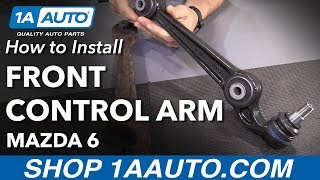
🎬 Follow this step-by-step guide to replace the control arm yourself.- Inner Control Arm Bolt to Subframe (15mm socket): 93 ft-lbs
- Ball Joint to Knuckle Nuts (24mm or 15/16" socket): 147 ft-lbs
- Lower Strut Mount Bolt (15mm socket): 85 ft-lbs
- Wheel Lug Nuts: 83 ft-lbs
Frequently Asked Questions (FAQ)
Is the front lower forward control arm the same for the driver and passenger side?
Yes, for the 2003-2008 Mazda 6, the front lower FORWARD control arm is the same part for both the left (driver) and right (passenger) sides.
Can I just replace the bushings instead of the whole control arm?
While bushings are available separately, it is generally not cost-effective to replace them. The process requires a hydraulic press to remove the old bushings and install the new ones. Given the labor involved and the fact that the integrated ball joint is also a wear item, replacing the entire control arm assembly is the standard and recommended repair.
Do I absolutely need a wheel alignment after replacement?
Yes. Replacing a control arm will always alter the vehicle's wheel alignment settings (specifically camber and toe). Skipping the alignment will result in poor handling, crooked steering wheel, and rapid, uneven tire wear.
What other parts should I inspect or replace at the same time?
When replacing the control arm, it's a good time to inspect the sway bar links, which also commonly cause clunking noises. Also, check the condition of the other control arms (upper and lower rearward), tie rod ends, and the strut assembly for any leaks or damage.
Helpful Videos

Technical Specifications
OEM Part Numbers: GJ6A34300B GJ6A34300C GJ6A34300D GJ6A34300E
Fits both left (driver) and right (passenger) sides. Includes pre-installed bushings and ball joint.
We Have This Part in Stock

The information in this article is provided for general reference and educational purposes only. Vehicle specifications, procedures, and part compatibility can vary by production date, trim level, and region. Always consult your vehicle's factory service manual and verify part numbers before purchasing or performing repairs. Safety-critical components such as airbags, seat belts, and braking systems should be installed by a qualified professional.
- Mazda 6:
- 🎬 Helpful Videos
- 🛍️ Shop This Part
- Symptoms of a Failing Front Lower Control Arm
- Noises: Clunking, Knocking, and Squeaking
- Steering and Handling Issues
- Physical and Visual Symptoms
- Known Issues, TSBs, and Recalls
- Buying a Used Suspension Control Arm
- What to Inspect
- Mileage and Lifespan
- Replacement Cost Breakdown
- Installation Tips and Torque Specs
- Key Torque Specifications:
- Frequently Asked Questions (FAQ)
- 🎟️ Get 5% Off