

2014-2022 Mazda 3 Control Arm: Clunks, Noises, and the Japan vs. Mexico VIN Check
This guide covers the common failure symptoms of the front suspension control arm on the 2014-2022 Mazda 3 and explains the critical compatibility differences between vehicles built in Japan and Mexico.
- The most critical step is checking your VIN to see if your Mazda 3 was built in Japan (VIN starts with 'J') or Mexico (VIN starts with '3'), as the control arms are different.
- The most common symptom of failure is a clunking or popping noise from the front end when going over bumps.
- A wheel alignment is mandatory after replacing a control arm to prevent unsafe handling and rapid tire wear.
- A low-mileage used OEM control arm is often a superior choice to a cheap new aftermarket part due to better quality bushings and ball joints.
Symptoms of a Failing Mazda 3 Control Arm
A worn or damaged control arm will produce noticeable symptoms. The most common are the bushings wearing out or the ball joint developing excessive play. Ignoring these signs can lead to more significant suspension damage and unsafe driving conditions.
Clunking or Knocking Noises
This is the most frequent complaint. You'll likely hear a distinct clunking, popping, or knocking sound from the front of the car, especially when driving over bumps, potholes, or uneven pavement. The noise is caused by worn bushings allowing the metal parts of the control arm to hit the vehicle's subframe. This sound can also occur during sharp turns, acceleration, or hard braking.
Steering Wander and Poor Response
If you find yourself constantly making small corrections to the steering wheel to keep the car straight, it could be a sign of a bad control arm. Worn bushings or a loose ball joint allow for unwanted movement in the wheel, making the steering feel vague, loose, or unresponsive. The vehicle may also pull to one side.
Vibrations in the Steering Wheel
Excessive vibration felt through the steering wheel, especially at higher speeds, can be caused by failing control arm bushings. The rubber bushings are designed to absorb road vibrations, and when they deteriorate, these vibrations are transferred into the car's chassis and steering system.
Uneven Tire Wear
A bad control arm can throw off the vehicle's wheel alignment. This will cause the tires to wear unevenly, typically on the inner or outer edges. If you notice this pattern during a visual inspection, a faulty control arm is a likely culprit.
Known Issues, TSBs, and Recalls
While there are no specific recalls for the control arms themselves on the 2014-2022 Mazda 3, Mazda has issued Technical Service Bulletins (TSBs) related to front suspension noises that involve the control arm bushings.
TSB 02-005/17: Creaking Noise From Front Lower Arm Bushing
Some 2014-2017 Mazda 3 vehicles may exhibit a creaking noise from the front lower control arm when driving over bumps at low speeds (around 12-25 mph). According to the TSB, this noise is more likely to occur when the road surface is wet or after a car wash. The issue is caused by a stick-slip condition in the bushing. Mazda developed a modified bushing with a dry coating to resolve this concern. One owner noted that the dealership informed them of a TSB for this issue that would cost around $600 to repair out of warranty.
Compatibility Warning: There are different parts for vehicles built in Japan versus those built in Mexico. You must verify your vehicle's country of origin using the Vehicle Identification Number (VIN) to ensure you purchase the correct part.
How to Check Your Mazda 3's Build Location
Look at the first character of your car's VIN, which is visible on the driver's side dashboard through the windshield or on the door jamb sticker.
- If the VIN starts with a 'J', your vehicle was built in Japan.
- If the VIN starts with a '3', your vehicle was built in Mexico.
Forum discussions confirm that parts like brake components and other suspension parts can differ between the two manufacturing locations, making this check essential.
Buying a Used Suspension Control Arm
A low-mileage, used OEM control arm can be an excellent value, often providing better quality and longevity than a new, inexpensive aftermarket part. The quality of the rubber bushings and the metallurgy of the arm itself are typically superior on original Mazda parts. Here’s what to look for:
- Inspect the Bushings: The rubber bushings are the most common failure point. Look for any signs of cracking, tearing, or deterioration. The rubber should be firm, not mushy or oil-soaked.
- Check the Ball Joint: The ball joint should be stiff to move by hand. If the stud flops around with little resistance, it is worn out. Ensure the rubber boot covering the ball joint is not torn or leaking grease. A torn boot allows dirt and water to enter, causing rapid wear.
- Examine the Arm for Damage: Check the metal arm for any cracks, bends, or signs of heavy impact from an accident. Pay close attention to the areas where the bushings and ball joint are pressed in.
- Verify Part Numbers and Build Location: Double-check that the part number matches your vehicle's requirements (left/driver side vs. right/passenger side) and, most importantly, that it is for the correct build location (Japan or Mexico).
- Consider Mileage: While there's no exact failure mileage, problems are more common on vehicles approaching 100,000 miles. A used part from a vehicle with 50,000 miles or less is a much safer bet than one from a high-mileage car.
Cost Comparison
Prices can vary based on location and supplier. The following table provides an estimated cost breakdown for a single front lower control arm.
| Part Type | Estimated Cost (Part Only) |
|---|---|
| New OEM | $140 - $210 |
| New Aftermarket | $50 - $190 |
| Used OEM | $75 - $120 |
| Shop Labor | $170 - $250 |
Note: An alignment is required after replacement, which typically costs an additional $80 - $150.
Replacement Overview and Torque Specs
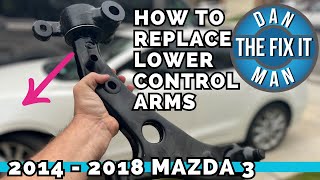
Replacing a control arm is a job that can be done by a skilled DIY mechanic, but it requires proper tools and safety precautions. The most difficult part is often accessing and removing the front-most horizontal bolt.
🎬 Watch this step-by-step replacement guide for 3rd gen Mazda 3 models.Pro Tip: After installing the new control arm, do not fully tighten the bushing bolts until the vehicle's full weight is resting on the suspension. Tightening them with the wheel hanging in the air can preload the bushings, causing them to fail prematurely.
A wheel alignment is mandatory after replacing a control arm to ensure proper handling and prevent rapid tire wear.
Key Torque Specifications (2014-2018 Models)
| Bolt Location | Torque Spec (ft-lbs) | Torque Spec (Nm) |
|---|---|---|
| Front Lower Control Arm Bolt (Horizontal) | 158 - 191 ft-lbs | 214 - 259 Nm |
| Rear Longer Lower Control Arm Bolt (Vertical) | 101 - 126 ft-lbs | 137 - 171 Nm |
| Rear Shorter Lower Control Arm Bolt (Vertical) | 74 - 89 ft-lbs | 100 - 121 Nm |
| Ball Joint Pinch Bolt & Nut | 27 - 31 ft-lbs | 37 - 42 Nm |
Frequently Asked Questions (FAQ)
Do I need a wheel alignment after replacing a control arm?
Yes, absolutely. The control arm is a primary component that determines the wheel's alignment angles. Failure to get an alignment will result in poor handling, pulling to one side, and rapid, uneven tire wear.
Should I replace both the left and right control arms at the same time?
It is highly recommended. Suspension components wear at similar rates. If one side has failed due to age and mileage, the other side is likely not far behind. Replacing them in pairs ensures balanced handling and saves you from having to do the same job twice in the near future.
Can I just replace the bushings instead of the whole arm?
While replacement bushings are available, it is often more labor-intensive and requires a hydraulic press to remove the old bushings and install the new ones. For most people, replacing the entire control arm assembly, which includes new bushings and a new ball joint, is faster, easier, and more cost-effective in the long run.
What other parts should I inspect when replacing a control arm?
When the control arm is removed, it's a good time to inspect related components. Check the condition of the sway bar end links, the CV axle boots, the tie rod ends, and the strut assembly for any leaks or damage.
Helpful Videos
Technical Specifications
OEM Part Numbers: B45A-34-350D B45A-34-350E B60S-34-300G B60S-34-300H B60S-34-350 B60S-34-350A B60S-34-350B B60S-34-350H BCKE34300 BCKE34300E BCKE34300F BCKE34300G BCKE34300H BDER34300A BDTS34300E
Part compatibility is dependent on the vehicle's country of manufacture (Japan or Mexico).
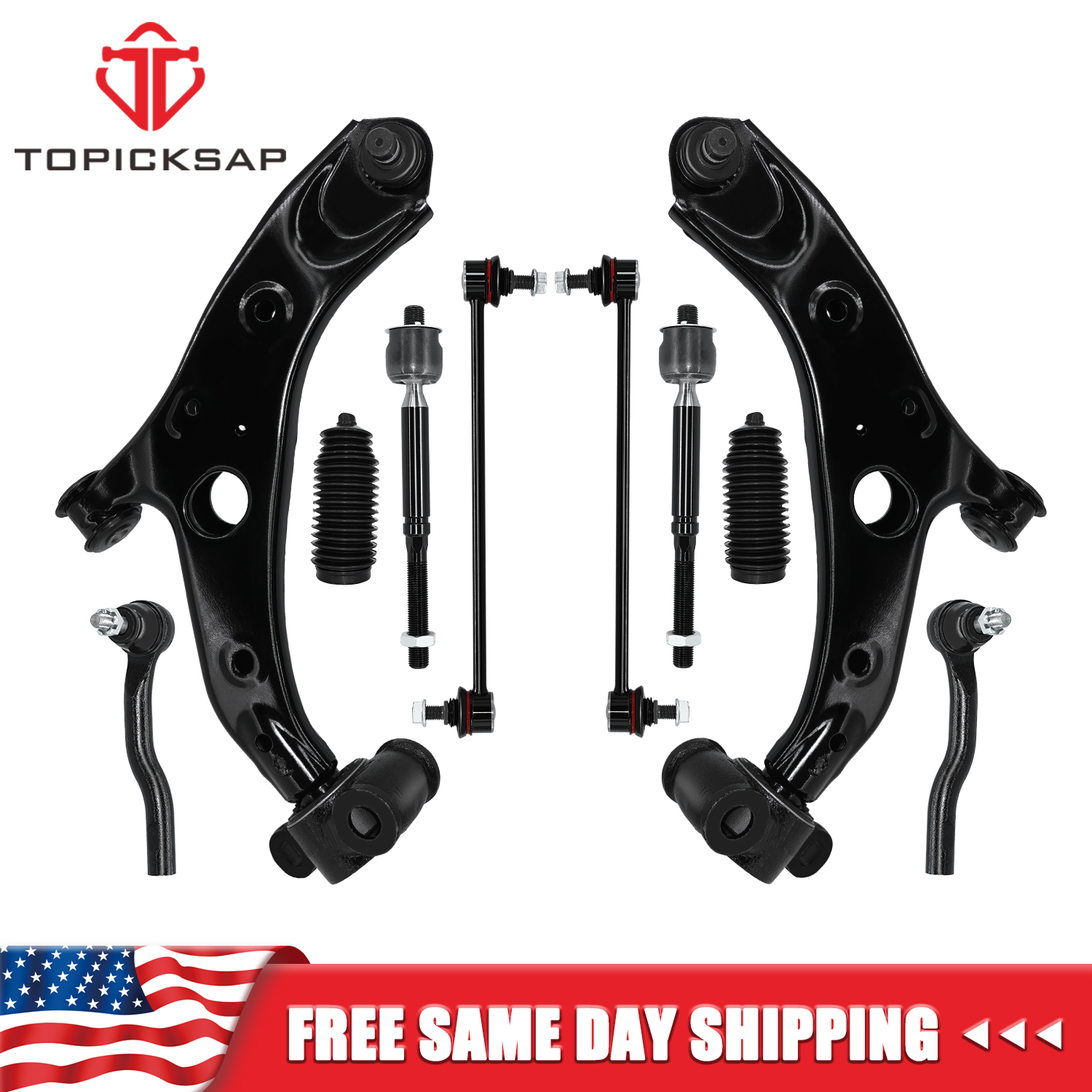
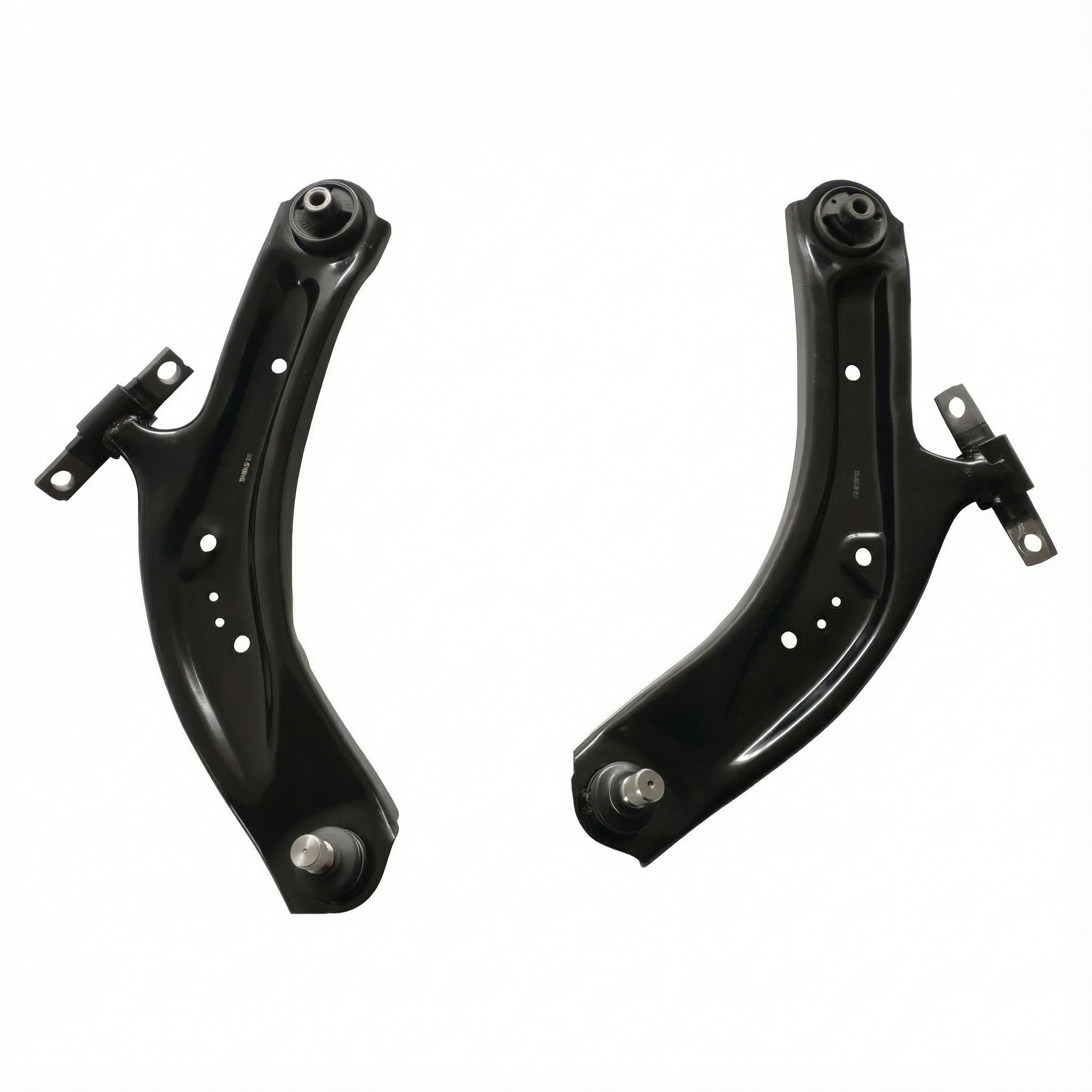
We Have This Part in Stock

The information in this article is provided for general reference and educational purposes only. Vehicle specifications, procedures, and part compatibility can vary by production date, trim level, and region. Always consult your vehicle's factory service manual and verify part numbers before purchasing or performing repairs. Safety-critical components such as airbags, seat belts, and braking systems should be installed by a qualified professional.
- Mazda MAZDA 3:
- 🎬 Helpful Videos
- 🛍️ Shop This Part
- Symptoms of a Failing Mazda 3 Control Arm
- Clunking or Knocking Noises
- Steering Wander and Poor Response
- Vibrations in the Steering Wheel
- Uneven Tire Wear
- Known Issues, TSBs, and Recalls
- TSB 02-005/17: Creaking Noise From Front Lower Arm Bushing
- How to Check Your Mazda 3's Build Location
- Buying a Used Suspension Control Arm
- Cost Comparison
- Replacement Overview and Torque Specs
- Key Torque Specifications (2014-2018 Models)
- Frequently Asked Questions (FAQ)
- 🎟️ Get 5% Off