

2006-2013 Mazda6 Control Arm: Fixing Clunks and the Dangerous Subframe Recall
This guide covers the common clunking noises, a critical subframe corrosion recall, and complex fitment rules for the second-generation Mazda6 suspension control arms.
- A major safety recall (NHTSA 19V323) for 2009-2013 models involves subframe corrosion that can cause the lower control arm mount to fail. Verify this recall has been addressed.
- Fitment for the front upper control arm on 2009-2013 models is complex, depending on the original wheel size and, for 2009 models, the vehicle's production date.
- The most common failure symptoms are clunking noises over bumps and unstable steering that pulls to one side.
- A wheel alignment is mandatory after replacement, and pivot bolts must be torqued with the vehicle's weight on the wheels to prevent premature bushing failure.
Symptoms of a Failing Mazda6 Control Arm
Control arm failure is almost always due to the wear of its two key components: the rubber bushings and the ball joint. When these parts wear out, they create looseness in the front suspension, leading to several distinct symptoms.
Noises: Clunking, Knocking, and Popping
The most common and noticeable symptom is a clunking or knocking sound coming from the front of the car. This noise is most apparent when driving at low speeds over bumps, such as in a parking lot or on an uneven road. The sound is the result of worn bushings or a loose ball joint allowing metal components to bang against each other. Some owners also report a popping or creaking sound when turning the steering wheel or going over speed bumps.
Steering and Handling Issues
A worn control arm will make the car's steering feel imprecise and unpredictable. Common complaints include:
- Steering Wander: The car feels like it's drifting on the road, requiring constant small steering corrections to keep it driving straight.
- Pulling to One Side: A bent arm or severely worn bushings can ruin the wheel alignment, causing the vehicle to consistently pull to the left or right.
- Vibrations: You may feel vibrations through the steering wheel, which can get worse as speed increases. This happens when the worn bushings can no longer effectively absorb road imperfections.
Physical and Visual Symptoms
- Uneven Tire Wear: A bad control arm prevents the wheel from staying properly aligned, causing the inner or outer edge of the tire to wear down much faster than the rest of the tread. This is a classic sign of a suspension problem.
- Visible Bushing Damage: A visual inspection may reveal that the rubber bushings are cracked, torn, separated from their metal sleeves, or covered in leaking fluid from inside the bushing.
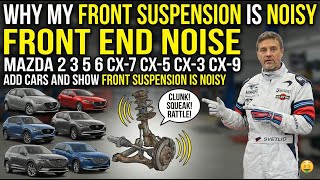
Important: While control arm issues are common, a clunking noise can also be caused by worn sway bar end links, which are a frequent failure item on these cars 🎬 Watch: How to diagnose front end rattles and squeaks and should be inspected as well.
Major Safety Recall: Front Subframe Corrosion (2009-2013 Models)
Before replacing any suspension parts on a 2009-2013 Mazda6, it is critical to be aware of a major safety recall (NHTSA ID: 19V323, Mazda Recall #: 2818I). This recall, which expanded on a previous one for 2009-2010 models, affects vehicles sold or registered in salt-belt states where road salt is used in winter.
The issue is that the front subframe (also called a crossmember) may not have had sufficient paint coating from the factory. This can lead to severe corrosion, especially at the mounting point for the passenger-side front lower control arm. If the corrosion becomes severe, the mounting point can fracture, causing the control arm to detach from the subframe. This can result in a sudden loss of steering control, dramatically increasing the risk of a crash.
Mazda's fix involves inspecting the subframe. Depending on the level of corrosion, dealers will either apply a protective wax coating and install a drain hose or replace the entire front crossmember free of charge. Before purchasing a used vehicle or replacing parts, have a Mazda dealer check the VIN to ensure this critical recall has been performed.
Buying a Used 2006-2013 Mazda6 Control Arm
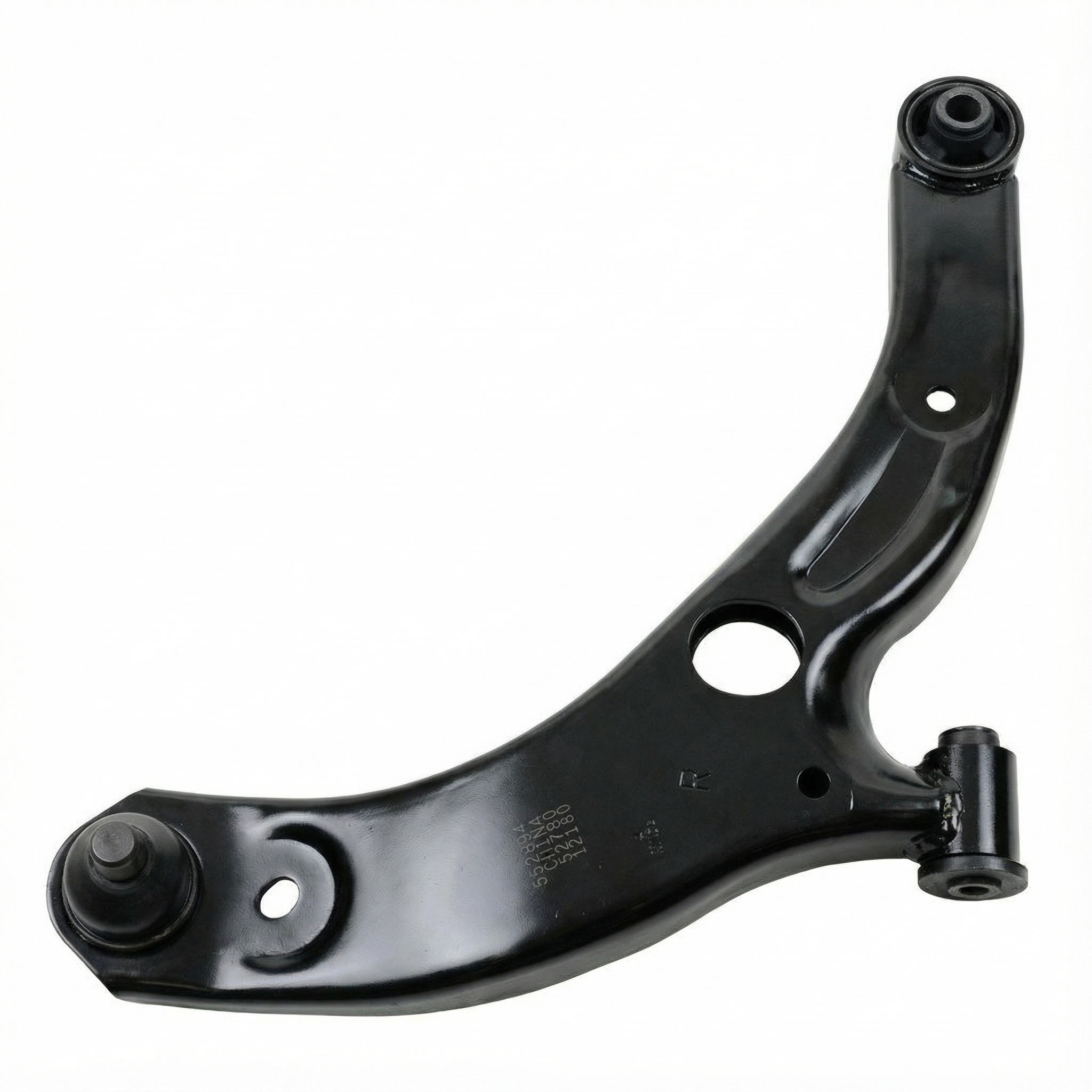
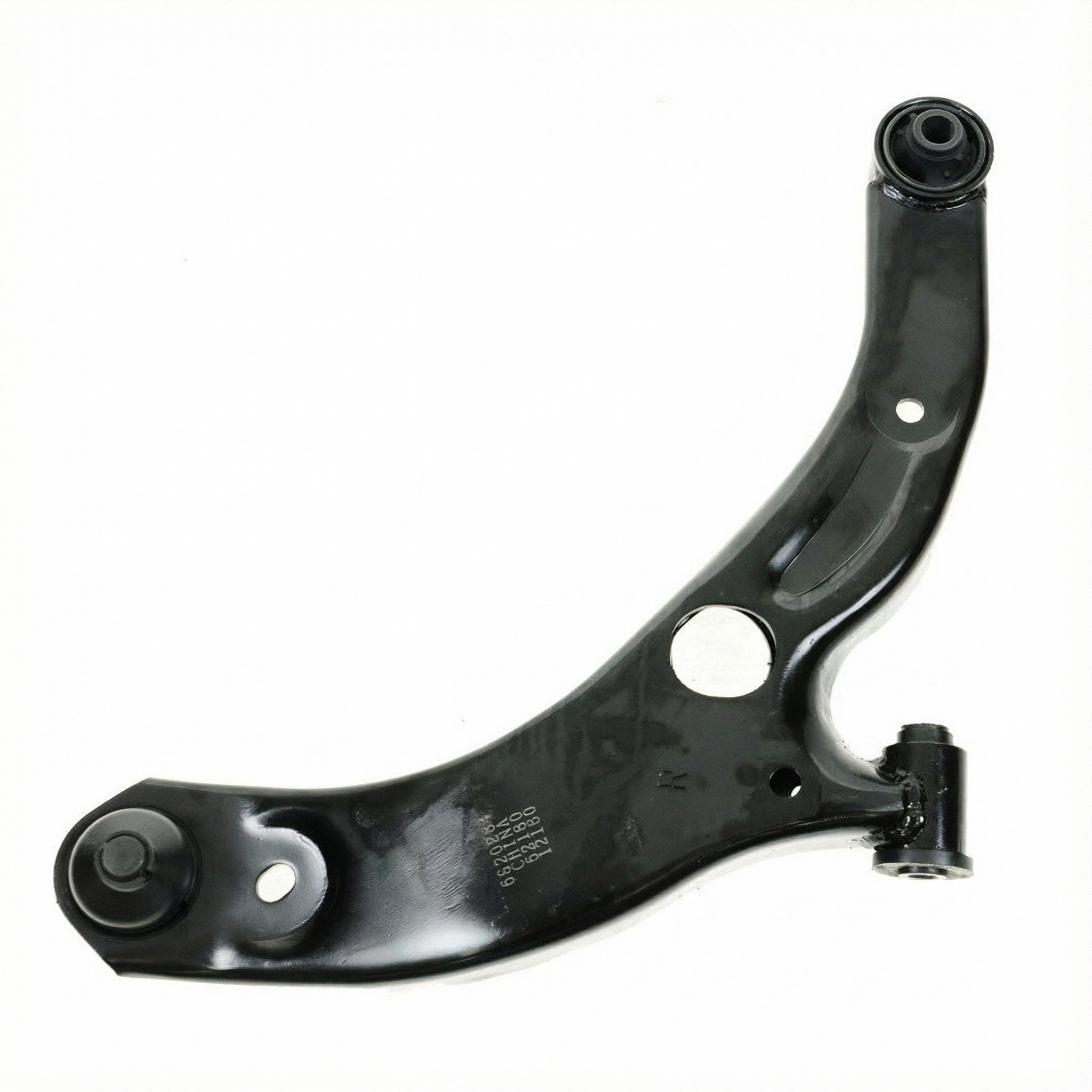
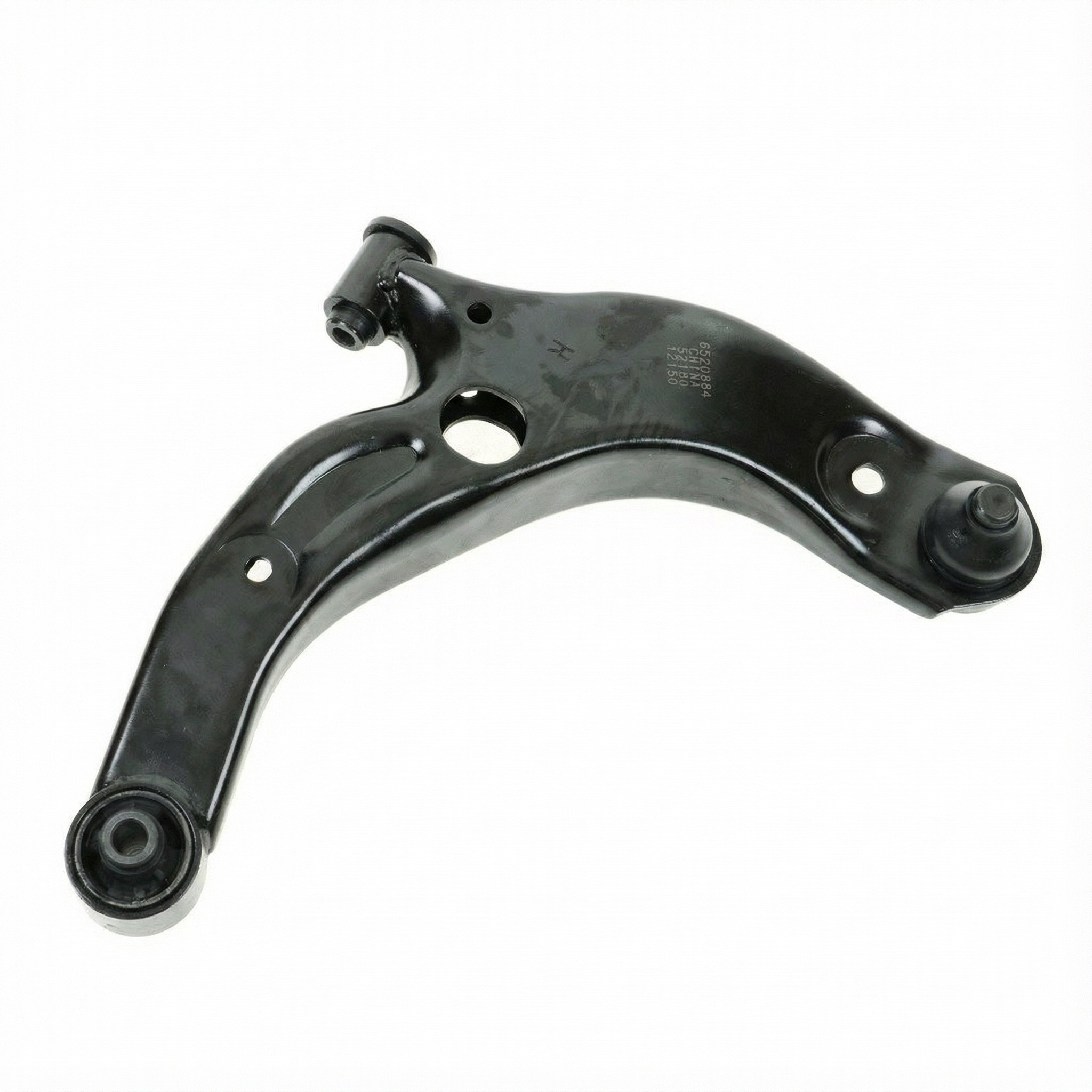
A high-quality, low-mileage used OEM control arm can be a smart, cost-effective alternative to a new aftermarket part, which may use lower-quality bushings and ball joints that wear out prematurely. However, you must know what to look for.
Compatibility: The Critical Fitment Rules
Part fitment for this generation is complex, especially for the front upper control arms on 2009-2013 models. Ordering the wrong part will result in it not fitting.
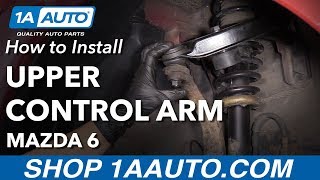
- 2006-2008 Models: Fitment is generally straightforward for the first part 🎬 See this 2006-08 Mazda 6 upper control arm installation guide of this generation.
- 2009-2013 Lower Control Arms: Fitment is also generally consistent across these model years.
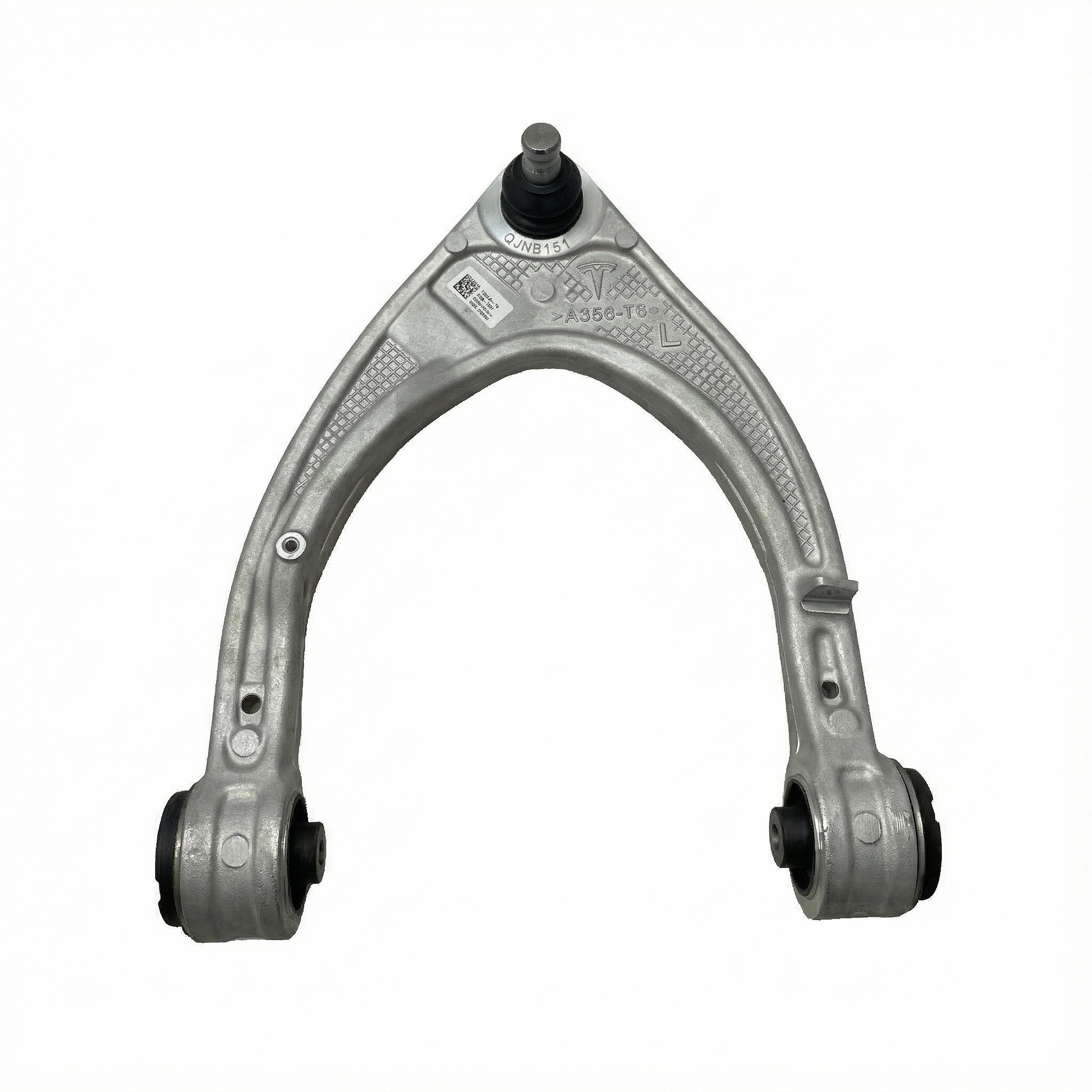
- 2009-2013 Upper Control Arms: Fitment depends on the factory wheel size and production date.
- For models with 17-inch or 18-inch wheels: The same upper control arm fits all 2009, 2010, 2011, 2012, and 2013 models.
- For models with 16-inch wheels: A specific upper control arm ONLY fits 2009 models built on or before February 1, 2009.
Warning: Always verify your vehicle's production date (found on the driver's side door jamb sticker) and original wheel size before ordering a used or new upper control arm for a 2009-2013 model.
Physical Inspection Guide
When inspecting a used control arm, focus on the two areas that fail:
- Inspect the Bushings: The rubber should be firm, pliable, and fully intact. Reject any arm with bushings that are cracked, torn, dry-rotted, or separating from the metal sleeve.
- Inspect the Ball Joint: The rubber boot protecting the ball joint must be free of rips or tears. A torn boot allows dirt and water in, which quickly destroys the joint. Try to move the ball joint stud by hand; it should be stiff and smooth. If it's loose, floppy, or gritty, the joint is worn out.
- Check for Damage: Look over the metal arm itself for any signs of bending, heavy scrapes, or cracks. An arm that has been in a collision is unsafe to use.
Aftermarket Quality Concerns
While many aftermarket options exist, owner experiences suggest that some budget-friendly brands may not last. Some forum users report aftermarket control arms with poor-quality bushings or ball joints failing in as little as 6-12 months. Brands like Mevotech are often considered a good middle-ground, while Moog is viewed as a premium option, but some users have still reported manufacturing defects even with better brands. A low-mileage used OEM part often provides better long-term durability than a cheap new aftermarket alternative.
Replacement Overview and Torque Specs
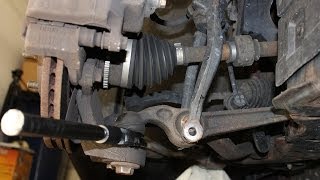
Replacing a control arm is a job for an experienced DIYer. It requires safely lifting the vehicle and using tools like breaker bars 🎬 Watch: Step-by-step first generation Mazda 6 control arm replacement and ball joint separators ('pickle forks'). Rust can make bolt removal very difficult.
Related Parts to Inspect
While the control arm is out, it's a perfect time to inspect related components that often wear out at the same time:
- Sway Bar End Links: A very common source of front-end clunks.
- Outer Tie Rod Ends: Check for play, as these also affect alignment.
- Strut Assembly: Look for any signs of fluid leaks from the strut body.
Pro Tip: For balanced handling and to avoid doing the job twice, it is highly recommended to replace control arms in pairs (both left and right sides).
Torque Specs & Procedure
Finding exact, official torque specs can be difficult. The values below are compiled from DIY guides and forums and should be used as a reference. Always consult a factory service manual for official specifications.
| Component | Torque Spec (Approximate) | Source |
|---|---|---|
| Upper Control Arm to Frame Bolts | 40-49 ft-lbs | |
| Upper Control Arm Ball Joint Nut | 39-80 ft-lbs (Varies by source) | |
| Lower Control Arm Frame Bolt | 81 ft-lbs + 90 degrees | |
| Lower Control Arm Ball Joint Nut | ~148 ft-lbs |
CRITICAL STEP: The pivot bolts for the control arm bushings must be final-torqued only when the vehicle's full weight is on the suspension (i.e., wheels on the ground or on ramps). Tightening these bolts while the suspension is hanging in the air will twist and bind the new bushings, causing them to fail very quickly.
A full four-wheel alignment is mandatory after replacing any control arm. Skipping this step will result in unsafe handling and will quickly destroy your tires.
Cost Comparison: New vs. Used vs. Aftermarket
Prices can vary significantly based on brand and supplier. The following is an estimated breakdown for a single front lower control arm assembly.
| Part Type | Estimated Price Range |
|---|---|
| New OEM | $250 - $320 |
| New Aftermarket | $65 - $160 |
| Used OEM | $75 - $150 (for a pair) |
| Shop Labor | $150 - $250 (per side) |
(Prices are estimates as of late 2025 and do not include taxes, shipping, or the mandatory wheel alignment.)
Frequently Asked Questions (FAQ)
Do I need an alignment after replacing a control arm?
Yes, absolutely. A wheel alignment is mandatory after replacing a control arm. The control arm dictates the wheel's position, and replacement will alter the alignment settings. Failure to get an alignment will lead to poor handling, unsafe driving characteristics, and rapid tire wear.
Can I just replace the bushings or ball joint instead of the whole arm?
While it is technically possible to press out old bushings and ball joints and install new ones, it requires special hydraulic presses and tools. Given the affordable price of a complete control arm assembly that includes new bushings and a pre-installed ball joint, replacing the entire unit is the recommended, safer, and more time-efficient repair.
What is the difference between the upper and lower control arm?
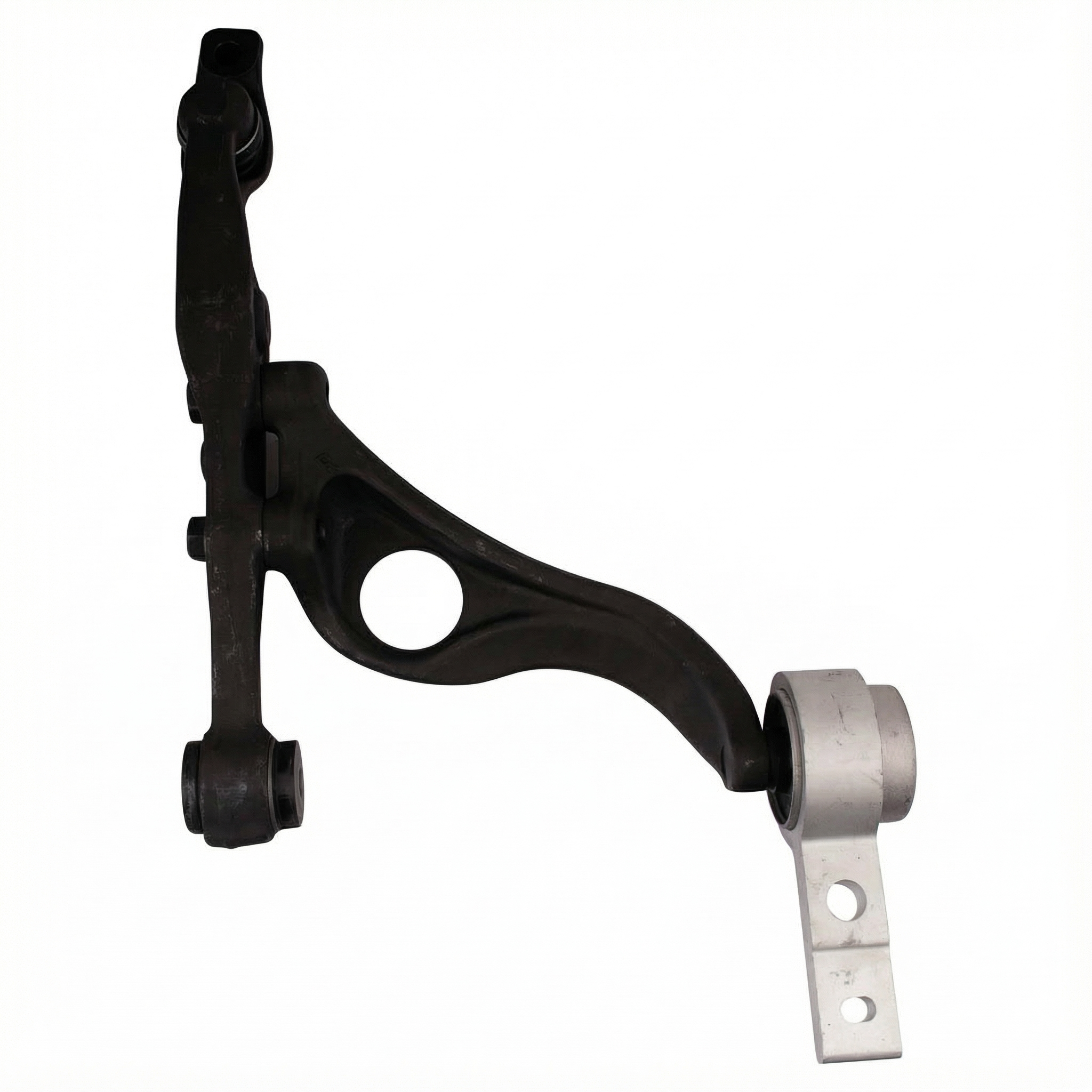
The lower control arm is the larger, primary load-bearing component that connects the bottom of the wheel knuckle to the frame. The upper arm is a smaller link that connects the top of the knuckle to the frame. Both work together to control wheel movement, but the lower arm and its integrated ball joint are more common failure points.
Why is my new aftermarket control arm already making noise?
There are two common reasons. First, if the main pivot bolts were tightened while the car was jacked up, the bushings are likely already damaged. Second, some lower-cost aftermarket parts use inferior quality rubber and ball joints that can wear out extremely quickly, sometimes within months.
Helpful Videos
Technical Specifications
OEM Part Numbers: GJ6A-34-200B GJ6A-34-200C GJ6A-34-250B GJ6A-34-250C GK2A-34-200B GK2A-34-200C GK2A-34-250B GK2A-34-250C GP9A-34-200A GR8C-34-250 GS1D-34-200A GS1D-34-200B GS1D-34-200C GS1D-34-250 GS1D-34-250A
Suspension is a multi-link design with separate upper and lower control arms. The lower control arm is the primary load-bearing component. The upper control arm is shorter and primarily controls camber. Ball joints are typically integrated into the control arm assembly.
We Have This Part in Stock

The information in this article is provided for general reference and educational purposes only. Vehicle specifications, procedures, and part compatibility can vary by production date, trim level, and region. Always consult your vehicle's factory service manual and verify part numbers before purchasing or performing repairs. Safety-critical components such as airbags, seat belts, and braking systems should be installed by a qualified professional.
- Mazda Mazda6:
- 🎬 Helpful Videos
- 🛍️ Shop This Part
- Symptoms of a Failing Mazda6 Control Arm
- Noises: Clunking, Knocking, and Popping
- Steering and Handling Issues
- Physical and Visual Symptoms
- Major Safety Recall: Front Subframe Corrosion (2009-2013 Models)
- Buying a Used 2006-2013 Mazda6 Control Arm
- Compatibility: The Critical Fitment Rules
- Physical Inspection Guide
- Aftermarket Quality Concerns
- Replacement Overview and Torque Specs
- Related Parts to Inspect
- Torque Specs & Procedure
- Cost Comparison: New vs. Used vs. Aftermarket
- Frequently Asked Questions (FAQ)
- 🎟️ Get 5% Off