

2004-2009 Nissan Quest: Front Control Arm Clunks, Wandering, and Replacement
This guide covers the common front lower control arm failures on the 2004-2009 Nissan Quest, including symptoms, part numbers, and replacement costs.
- The most common failure point on the 2004-2009 Quest is the front lower control arm bushings, causing clunking noises and a sloppy steering feel.
- Always replace the entire control arm assembly; it's more cost-effective and safer than just replacing the bushings.
- A wheel alignment is absolutely required after replacement to prevent unsafe handling and rapid tire wear.
- Check for the completion of safety recall 07V-248 (PB037) for loose suspension bolts, which can mimic control arm failure symptoms.
Symptoms of a Failing Control Arm
The front lower control arms on the 2004-2009 Nissan Quest are a known wear item, with the bushings being the most common point of failure. When a control arm or its components fail, it can present several distinct symptoms.
Noises and Vibrations
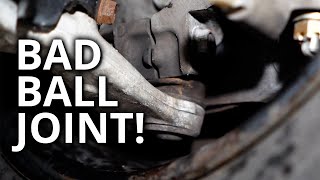
- Clunking or Knocking Sounds: This is the most common symptom. You may hear a solid “clunk” or knocking noise from the front suspension, especially when driving over bumps, 🎬 See this guide on diagnosing front end clunks and ball joints. potholes, or uneven roads. This sound is often caused by the worn bushing allowing the metal arm to slam against the subframe.
- Creaking or Squeaking: A squeaking or creaking sound, particularly when going over bumps, can indicate dried out or rotted rubber bushings.
- Steering Wheel Vibration: Excessive vibration felt in the steering wheel, which may change with speed, can be caused by worn bushings that are no longer able to absorb road vibrations.
Steering and Handling Issues
- Steering Wander or Pulling: The vehicle may feel like it's wandering or may pull to one side, requiring constant steering correction to drive straight. This happens because the worn components allow the wheel alignment to shift dynamically.
- Unstable Braking: Worn bushings can allow the control arm to shift during braking, causing the vehicle to pull to one side or feel unstable.
- Vague or Loose Steering: The steering may feel less responsive or “sloppy” due to the excess play in the worn ball joint or bushings.
Visual Signs and Tire Wear
- Uneven Tire Wear: A bad control arm can cause improper wheel alignment, leading to accelerated wear on the inside or outside edge of the front tires.
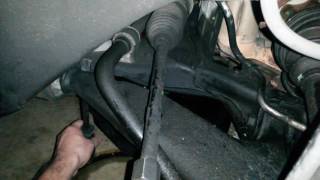
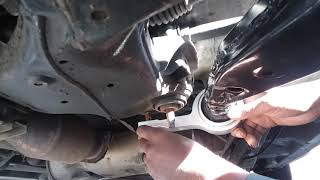
- Visual Inspection: A simple way to check for failure is to use a pry bar to check for movement between the control arm and the subframe; significant flex indicates a bad bushing. 🎬 Watch: How to check for worn control arms and bushings. You can also visually inspect the rubber bushings for cracks, tearing, or deterioration, and check the ball joint's rubber boot for rips that allow grease to escape and dirt to enter.
Pro Tip: A forum user with extensive experience on this model notes that the front lower control arm bushings “always go out” on these Quests, leading to a “creaky, sloppy front end.” If you are experiencing these symptoms, the control arms are a primary suspect.
Known Issues, TSBs, and Recalls
While there are no specific recalls for control arm failure on the 2004-2009 Nissan Quest, there is a highly relevant safety recall that can produce similar symptoms.
- Recall 07V-248 (Nissan ID: PB037): This recall was issued because the front suspension mounting bolts may not have been torqued properly from the factory. A loose bolt can cause a rattling or knocking noise and, in severe cases, lead to a loss of steering control. If you hear a front-end noise, it is crucial to ensure this recall has been addressed. A Nissan dealer can check your VIN to see if the recall applies and was completed.
No specific Technical Service Bulletins (TSBs) have been issued for control arm failure itself, but Nissan has released general guidelines for diagnosing suspension pulls and replacing struts.
Buying a Used Suspension Control Arm
For a non-powered mechanical part like a control arm, a used OEM component can be a smart, budget-friendly choice, often offering better quality materials and fit than cheap aftermarket alternatives. However, careful inspection is key.
What to Inspect on a Used Part
- Bushings: This is the most critical inspection point. Check the rubber bushings for any signs of cracking, tearing, or separation from the metal sleeve. The rubber should be pliable, not dry-rotted or hardened. If the bushings are bad, the arm is not a good value, as replacing them is labor-intensive.
- Ball Joint: Inspect the rubber boot on the ball joint. It must be intact with no rips or tears. A torn boot means the internal grease is gone and the joint is contaminated. Grab the ball joint stud and try to move it; there should be no looseness or excessive play.
- The Arm Itself: Inspect the metal arm for any signs of bending, heavy impact damage, or significant rust that could compromise its structural integrity. Surface rust is normal, but deep, flaking rust is a red flag.
- Compatibility: Always verify the part came from a 2004-2009 Nissan Quest. While other Nissan models may use similar-looking arms, the geometry is specific. Match the OEM part number if possible.
Mileage Considerations
Control arm failure is highly dependent on road conditions and driving habits. While the part can last over 100,000 miles under ideal conditions, failures on the Quest are common starting around 90,000 miles. When buying used, look for an arm from a vehicle with the lowest possible mileage, ideally under 100,000 miles, and perform the physical inspections listed above.
Cost Comparison
Replacing the entire control arm assembly is almost always more cost-effective than attempting to press out and replace only the bushings.
| Part/Service | Estimated Cost |
|---|---|
| New OEM | $185 - $275 per arm |
| New Aftermarket | $60 - $160 per arm |
| Used OEM | $40 - $100 per arm |
| Shop Labor (Replacement) | $140 - $305 per side |
| Wheel Alignment (Required) | $100 - $180 |
Replacement Procedure Overview
Replacing the control arm is a feasible DIY job for those with mechanical experience and the right tools. A wheel alignment is mandatory after the repair.
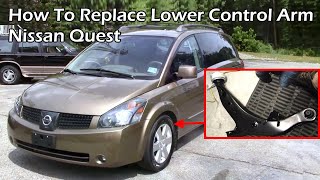
🎬 Watch this step-by-step walkthrough of the control arm replacement.Torque Specifications
Using correct torque specs is critical for safety. Based on owner-reported data from service manuals, the specs are:
- Subframe to Bushing Bracket Bolts (x2): 103 ft-lbs
- Front Bushing Bolt (x1): 77 ft-lbs
- Ball Joint to Steering Knuckle Pinch Bolt: 58 ft-lbs
Warning: Always tighten suspension bolts to their final torque value only when the vehicle's full weight is resting on the suspension (i.e., on the ground or on ramps). Tightening with the wheels hanging in the air will preload the bushings incorrectly, causing premature failure.
Related Parts
It is highly recommended to replace control arms in pairs (left and right) for balanced handling. While the control arms are being replaced, it is a good time to inspect other nearby suspension components like sway bar links, tie rod ends, and struts, as they are of a similar age and may also be worn.
Frequently Asked Questions (FAQ)
Do I need to replace the whole control arm or just the bushings?
It is strongly recommended to replace the entire control arm assembly. The cost of a new aftermarket arm (which includes new bushings and a new ball joint) is often less than the labor cost to have a shop press out the old bushings and install new ones.
Should I replace control arms in pairs?
Yes. If the control arm on one side has failed due to wear, the other side has experienced the same mileage and road conditions and is likely near failure as well. Replacing them in pairs ensures predictable handling and saves you from having to do the same job again soon. A wheel alignment is required after replacement, so doing both at once is more efficient.
Is a wheel alignment necessary after replacing a control arm?
Yes, absolutely. The control arm is a key component in setting the wheel alignment. Replacing it will alter the camber and toe settings. Driving without a proper alignment will cause poor handling and rapid, uneven tire wear.
What's the difference between the left and right control arm?
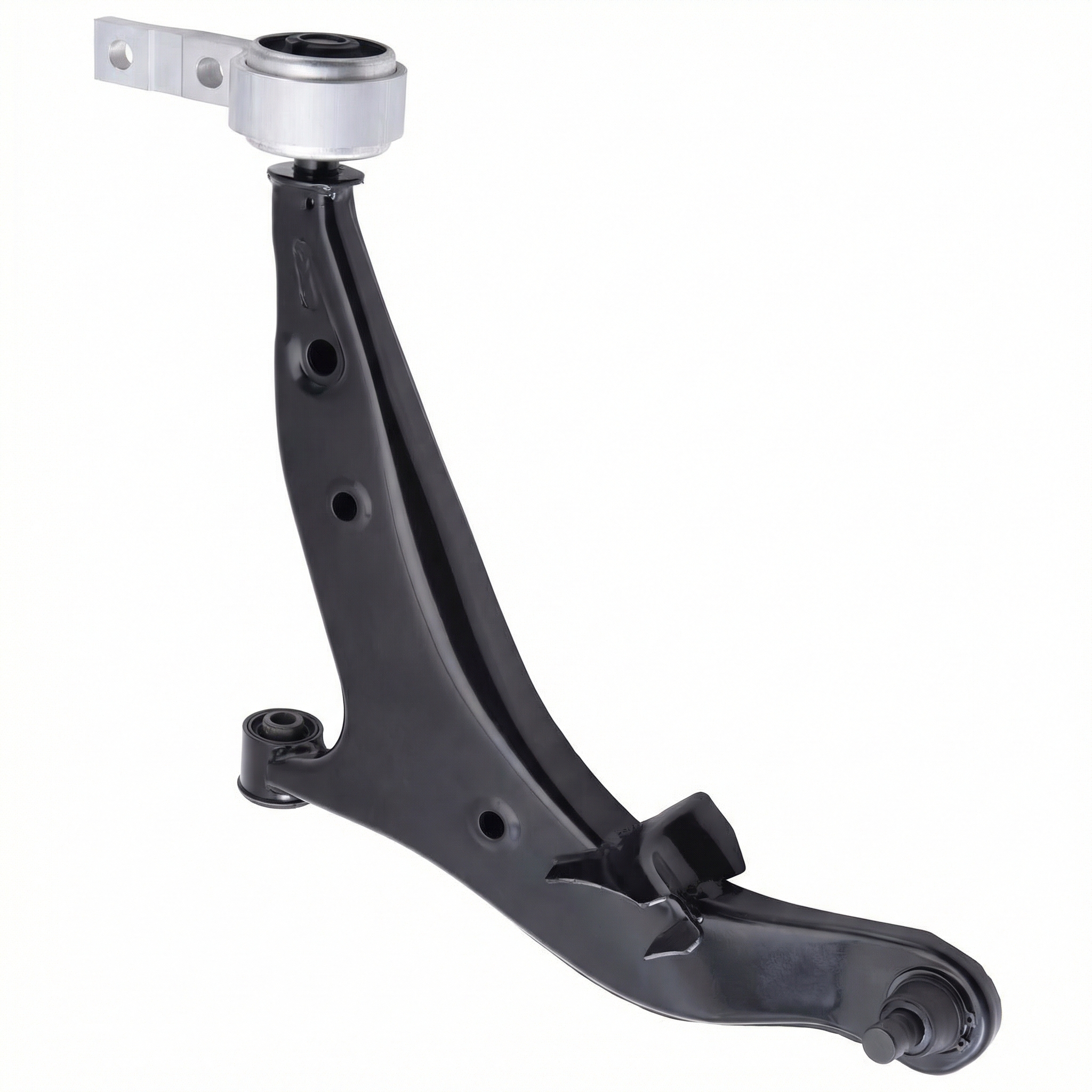
The left (driver side) and right (passenger side) control arms are mirror images of each other and are not interchangeable. Ensure you are purchasing the correct part for the side you are repairing. The OEM part number for the left side is 54501-CK000, and the right side is 54500-CK000.
Helpful Videos
Technical Specifications
OEM Part Numbers: 54501-CK000 (Front Left) 54501-EK000 (Front Left) 54500-CK000 (Front Right)
Torque Specs: Subframe Bolts - 103 ft-lbs, Front Bushing Bolt - 77 ft-lbs, Ball Joint Pinch Bolt - 58 ft-lbs.
We Have This Part in Stock

The information in this article is provided for general reference and educational purposes only. Vehicle specifications, procedures, and part compatibility can vary by production date, trim level, and region. Always consult your vehicle's factory service manual and verify part numbers before purchasing or performing repairs. Safety-critical components such as airbags, seat belts, and braking systems should be installed by a qualified professional.
- Nissan Quest:
- 🎬 Helpful Videos
- 🛍️ Shop This Part
- Symptoms of a Failing Control Arm
- Noises and Vibrations
- Steering and Handling Issues
- Visual Signs and Tire Wear
- Known Issues, TSBs, and Recalls
- Buying a Used Suspension Control Arm
- What to Inspect on a Used Part
- Mileage Considerations
- Cost Comparison
- Replacement Procedure Overview
- Torque Specifications
- Related Parts
- Frequently Asked Questions (FAQ)
- 🎟️ Get 5% Off