

1990-1993 Toyota MR2 Rear Toe Arm: Understanding the Critical '93 Suspension Change
This guide covers the common failures of the rear toe control arm on the 1990-1993 MR2 and explains the crucial mid-1993 suspension revision that every owner must know about.
- The most critical issue is the mid-1993 suspension change; 1990-early 1993 models use a specific, shorter toe arm (48709-17030) that is not interchangeable with later models.
- A failing toe arm causes a dangerous, loose feeling in the rear end, clunking noises, and rapid tire wear.
- When buying used, the tightness of the ball joint is the most important factor; the rubber boot must be intact and the joint should not be loose.
- A four-wheel alignment is mandatory immediately after replacing this part to ensure safety, proper handling, and to prevent tire damage.
What is the Rear Toe Control Arm?
The rear toe control arm, or toe link, is a slender rod in the 1990-1993 Toyota MR2's rear suspension. It connects the rear subframe to the wheel hub (or knuckle). Its only job is to precisely control the angle of the rear wheel in relation to the car's centerline. This angle, called 'toe', has a massive impact on how the car handles, how stable it is at speed, and how quickly the rear tires wear out. On a mid-engine car where the weight is concentrated in the middle, any unwanted movement in the rear suspension can make the car feel unstable and unpredictable.
Symptoms of a Failing Rear Toe Arm
A worn or failing rear toe arm can dramatically affect the MR2's handling and safety. The symptoms are often more noticeable at highway speeds or during cornering.
- Loose or Wandering Rear End: The most common symptom is a feeling that the rear of the car is swaying or steering by itself, especially in long curves or under acceleration. This can be very unsettling and dangerous.
- Clunking or Popping Noises: Worn bushings or a bad ball joint on the toe arm will make clunking, popping, or grinding sounds from the rear suspension, especially over bumps.
- Uneven and Rapid Tire Wear: Incorrect rear toe caused by a bad arm will scrub the tires, causing the inside or outside edges of the rear tires to wear down very quickly.
- Violent Shaking: In severe cases, a completely failed toe link can cause the rear wheel to shake violently, as it is no longer held firmly in place.
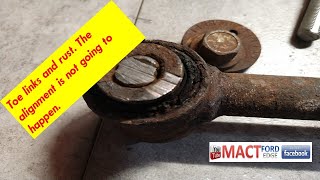
- Difficulty with Alignment: An alignment shop may report that they cannot adjust the rear toe. This is often because the adjustment bolt is seized inside the bushing, a common problem on older cars exposed to road salt.
Critical Compatibility Warning: The 1993 Mid-Year Suspension Revision
Toyota significantly revised the MR2's rear suspension geometry partway through the 1993 model year to improve stability and reduce the car's tendency for "snap oversteer." This change directly impacts the rear toe arm.
- 1990-Early 1993 Models (Rev1/Rev2): Use the shorter rear toe arm, OEM part number 48709-17030.
- Late 1993+ Models (Rev3+): Use a longer toe arm and have different mounting points on the rear subframe.
These parts are not interchangeable. You cannot use a later-style arm on an early car (or vice-versa) without also swapping the entire rear subframe and other related components. Before purchasing, it is essential to confirm you are buying the correct arm for your specific vehicle's production date.
Buying a Used 1990-1993 MR2 Rear Toe Arm
A used OEM toe arm can be a good value, but careful inspection is crucial. The original Toyota parts are well-made, but age and wear take their toll. Here’s what to check:
- Inspect the Ball Joint: This is the most critical point. The rubber boot covering the ball joint must be intact, with no rips or tears. Grab the threaded stud of the ball joint and try to move it. It should be stiff and smooth. If it's loose, floppy, or makes gritty noises, the joint is worn out and the arm should be rejected.
- Check the Bushing: Look at the rubber bushing on the other end of the arm. The rubber should be solid, without major cracks, tearing, or signs of dry rot. A 'separated' bushing, where the inner metal sleeve has broken loose from the rubber, is a clear sign of failure.
- Examine for Bends and Damage: Look down the length of the arm to ensure it is perfectly straight. Any bend, no matter how slight, means the part has been compromised in an impact and is junk. Check for heavy corrosion, especially around the welds and the bushing sleeve.
- Verify the Part Number: If possible, confirm the part is 48709-17030. This ensures you are getting the correct arm for your 1990-early 1993 model.
Pro Tip: Even if the bushing on a used arm looks old, the arm can still be a good buy if the ball joint is tight and the arm is straight. Worn bushings can be pressed out and replaced with new OEM or aftermarket polyurethane bushings.
Cost Comparison
Prices can vary based on location and availability. Labor costs for installation typically range from 1.5 to 2.5 hours.
| Part/Service | Estimated Cost |
|---|---|
| New OEM (Toyota 48709-17030) | $90 - $135 |
| New Aftermarket | $40 - $80 |
| Used OEM | $30 - $60 |
| Shop Labor for Replacement (per side) | $150 - $300 |
| Mandatory Wheel Alignment | $100 - $200 |
Replacement Overview
Replacing the rear toe arm is a moderately difficult job that a skilled DIY mechanic can perform. A wheel alignment is not optional and must be performed immediately after replacement.
- Difficulty: 3 out of 5
- Tools Required: Jack and jack stands, socket set (17mm is common), breaker bar, torque wrench, ball joint separator (pickle fork or puller). A reciprocating saw with metal-cutting blades may be needed if the inner bolt is seized.
- Procedure: The process involves safely lifting and supporting the vehicle, removing the rear wheel, unbolting the arm from the knuckle and the subframe, and installing the new part. The biggest challenge is often a rusted and seized inner adjustment bolt, which may need to be cut out. 🎬 Watch: Dealing with rusted and seized toe link bolts
Frequently Asked Questions (FAQ)
Can I drive with a bad rear toe arm?
It is not recommended. A failing toe arm makes the car unstable and unpredictable, especially at speed or in corners. A complete failure can cause a loss of control. The vehicle should be repaired as soon as possible.
Do I need an alignment after replacing the toe arm?
Yes, absolutely. The toe arm is the primary adjustment point for rear toe. Without a professional four-wheel alignment, your handling will be incorrect and you will experience rapid tire wear.
Can I use a 1994 MR2 toe arm on my 1991 model?
No. The 1993+ (Rev3 and later) MR2s use a longer toe arm and have different mounting points on the subframe as part of a major suspension geometry revision. You must use the correct part for your model year range (1990-early 1993).
What is "snap oversteer" and how does this part relate to it?
Snap oversteer is a sudden loss of traction at the rear wheels, causing the back of the car to swing out quickly, often when lifting off the throttle mid-corner. Early MR2s were known for this tendency. A worn rear toe arm allows for unwanted changes in the rear wheel's angle under load, which can trigger or worsen this dangerous handling characteristic.
Helpful Videos
Technical Specifications
OEM Part Numbers: 48709-17030
Fits 1990, 1991, 1992, and early 1993 model year Toyota MR2 (SW20 chassis). This part is specific to the earlier rear suspension design and is not compatible with late-1993 and newer models.
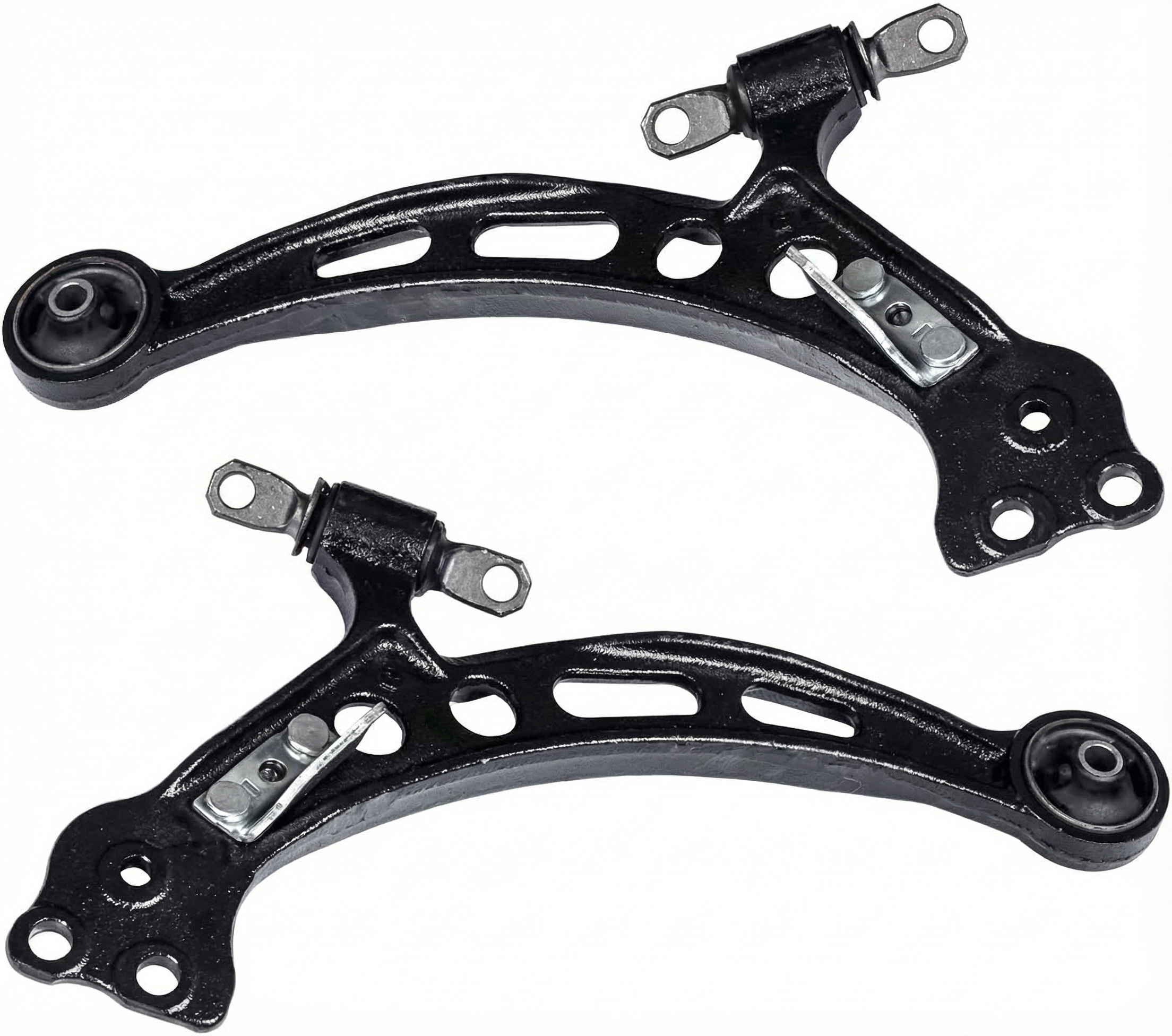
We Have This Part in Stock

The information in this article is provided for general reference and educational purposes only. Vehicle specifications, procedures, and part compatibility can vary by production date, trim level, and region. Always consult your vehicle's factory service manual and verify part numbers before purchasing or performing repairs. Safety-critical components such as airbags, seat belts, and braking systems should be installed by a qualified professional.
- Toyota MR2: