

Diagnosing and Replacing the Front Control Arm on a 2004-2009 Toyota Prius
This guide details the common symptoms of control arm failure, such as clunking noises and steering issues, and provides a comprehensive overview of replacement options for the 2004-2009 Toyota Prius.
- The most common sign of failure is a clunking noise from the front suspension when going over bumps, usually caused by worn rubber bushings.
- A failing control arm is a serious safety issue that can lead to poor handling, steering wander, and a potential loss of vehicle control.
- When replacing a control arm, it is critical to only perform the final torque on the frame-side bolts when the vehicle's full weight is resting on the suspension to avoid premature bushing failure.
- A wheel alignment is always required after replacing a control arm to prevent rapid tire wear and ensure safe handling.
Symptoms of a Failing Control Arm
A failing control arm on a 2004-2009 Toyota Prius typically gives clear warning signs. The most common failures are not with the metal arm itself, but with the rubber bushings or the integrated ball joint wearing out.
Audible Noises
- Clunking or Knocking: This is the most frequently reported symptom. You may hear a distinct clunking or knocking sound from the front suspension, especially when driving over bumps, potholes, or speed bumps. This noise is caused by excessive movement in the worn bushings or ball joint, allowing metal-to-metal contact.
- Squeaking or Creaking: A creaking or groaning sound, particularly when going over bumps or turning the steering wheel at low speeds, often points to dried out and worn rubber bushings.
Physical Sensations
- Steering Wander: The vehicle may feel like it's wandering or pulling to one side, requiring constant steering correction to drive straight. This indicates that the worn control arm is no longer holding the wheel in the correct alignment.
- Vibrations: You might feel excessive vibrations through the steering wheel or the floor of the car. This happens because the worn bushings can no longer effectively absorb road vibrations.
- Loose Steering: The steering may feel less responsive or "loose." This is a serious safety concern as it points to significant wear in a critical suspension component.
Visual Signs
- Uneven Tire Wear: A bad control arm will alter the vehicle's alignment, causing tires to wear unevenly. Specifically, wear on the inner edge of the front tires often points to a failing lower control arm.
Known Issues, TSBs, and Recalls
While the control arms themselves are generally robust, the bushings are a common wear item, often failing after 100,000 miles. There are no specific recalls or Technical Service Bulletins (TSBs) from Toyota for the control arms on the 2004-2009 Prius. However, there are a few related safety items to be aware of:
- NHTSA Recall 12V537000: This significant recall addresses a steering intermediate extension shaft that could have splines with insufficient hardness. Over time, these splines can wear and fail, leading to a loss of steering. This is not a control arm issue, but it is a critical steering system recall for this Prius generation.
- NHTSA Recall 90L: This recall addresses potential floor mat interference with the accelerator pedal.
Pro Tip: When diagnosing a front-end clunk, also inspect the sway bar links. The small ball joints on the links can wear out and produce a knocking sound very similar to a bad control arm.
Buying a Used Suspension Control Arm
A high-quality, low-mileage used OEM control arm can be a better choice than a new, cheaply made aftermarket part. Aftermarket parts can suffer from incorrect fitment, lower-quality materials, and bushings that don't match the original ride characteristics. Here’s what to inspect:
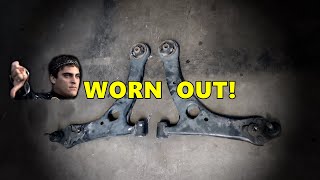
- Inspect the Bushings: The rubber bushings are the most critical inspection point. Look for any cracks, tears, or signs of dry rot in the rubber. The rubber should be firm, not soft or mushy. Check for any separation between the rubber and the metal sleeve.
- Check the Ball Joint: The ball joint is integrated into the control arm on this Prius. Ensure the rubber boot is not torn or leaking grease. Try to move the ball joint stud by hand; there should be no looseness or play.
- Examine the Arm for Damage: Check the metal arm for any signs of bending, heavy corrosion, or cracks, especially around the welds. A bent arm will make alignment impossible and is unsafe.
- Consider Mileage: Since bushings are a primary failure point, the mileage of the donor vehicle is important. Aim for a part from a vehicle with the lowest mileage possible, ideally under 100,000 miles.
Cost Breakdown
Prices can vary based on location and supplier. The following table provides an estimated cost comparison for a single front lower control arm.
| Part Type | Estimated Cost (Part Only) | Notes |
|---|---|---|
| New OEM | $130 - $220 | Genuine Toyota part, offers the best fit and quality. Ball joint is typically sold separately. |
| New Aftermarket | $30 - $170 | Wide range in quality. Premium brands may be a good alternative, but budget options can fail prematurely. |
| Used OEM | $50 - $120 | A cost-effective option that retains original factory quality. Inspect carefully before purchase. |
| Shop Labor | $200 - $600 | Labor costs for one side can range from 1.5 to 3 hours. A wheel alignment is required after replacement, adding to the cost. |
Replacement and Installation Tips
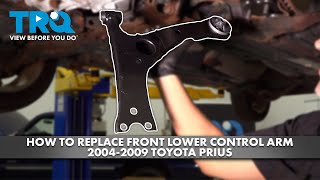
Replacing the control arm is a feasible DIY project for those with mechanical experience and the right tools. It involves separating the ball joint from the steering knuckle and unbolting the arm from the vehicle's subframe.
🎬 See this step-by-step guide for replacing your front lower control arms.Key Torque Specs:
- Control Arm to Crossmember/Subframe Bolts (x2): 101 ft-lbs (137 N·m)
- Ball Joint to Control Arm Nuts/Bolt: 66 ft-lbs (89 N·m)
- Stabilizer (Sway) Bar Link Nut: 55 ft-lbs (74 N·m)
- Wheel Lug Nuts: 76 ft-lbs (103 N·m)
Important: The final torque on the main bushing bolts (the ones connecting the arm to the frame) should be applied only when the vehicle's full weight is on the suspension. Tightening these bolts with the wheel hanging in the air will preload the bushings, causing them to tear and fail prematurely. You can achieve this by placing the wheel on a ramp or by using a jack to lift the control arm to its normal ride height before final tightening.
🎬 Watch: A detailed walkthrough of the control arm replacement process.Related Parts and Services:
- Wheel Alignment: A four-wheel alignment is mandatory after replacing a control arm to ensure proper handling and prevent tire wear.
- Ball Joints: While the ball joint is part of the control arm assembly on this vehicle, it's crucial to confirm if a replacement part includes it. OEM arms often do not include a new ball joint.
- Sway Bar Links: These are often removed during the replacement process and are a common source of noise themselves. It's a good practice to replace them at the same time, especially if they are original.
Frequently Asked Questions
Do I need to replace both control arms at the same time?
It is highly recommended. If one control arm has failed due to worn bushings, the one on the other side has experienced the same amount of wear and is likely to fail soon. Replacing them in pairs ensures balanced handling and saves you from having to pay for a second wheel alignment down the road.
Is it better to replace the whole control arm or just the bushings?
For the 2004-2009 Prius, it is standard practice to replace the entire control arm assembly. The bushings may not be available for individual sale, and the labor required to press out the old bushings and install new ones often makes it more expensive and time-consuming than simply replacing the whole arm.
What is the most common symptom of a bad control arm on this Prius?
A clunking or knocking sound when driving over bumps is by far the most common and noticeable symptom. This is usually caused by the rear bushing on the control arm failing.
Will a bad control arm cause a Check Engine Light?
No. A failing control arm is a mechanical suspension issue and will not trigger any dashboard warning lights like the Check Engine Light.
Helpful Videos
Technical Specifications
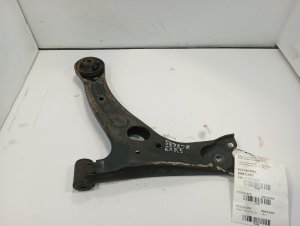
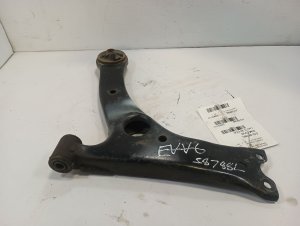
OEM Part Numbers: 48068-47020 48068-47021 48068-47030 48068-47040
Torque Specs: Frame Bolts: 101 ft-lbs, Ball Joint Nuts: 66 ft-lbs.
We Have This Part in Stock

The information in this article is provided for general reference and educational purposes only. Vehicle specifications, procedures, and part compatibility can vary by production date, trim level, and region. Always consult your vehicle's factory service manual and verify part numbers before purchasing or performing repairs. Safety-critical components such as airbags, seat belts, and braking systems should be installed by a qualified professional.
- Toyota Prius:
- 🎬 Helpful Videos
- 🛍️ Shop This Part
- Symptoms of a Failing Control Arm
- Audible Noises
- Physical Sensations
- Visual Signs
- Known Issues, TSBs, and Recalls
- Buying a Used Suspension Control Arm
- Cost Breakdown
- Replacement and Installation Tips
- Key Torque Specs:
- Related Parts and Services:
- Frequently Asked Questions
- 🎟️ Get 5% Off